Last updated November 18, 2026


Free written scope consultation - allowances, timeline, and change-order rules on paper before a single trade is scheduled
DIY vs Professional Construction: The Arlington Homeowner’s Decision Guide
Here is the counterintuitive part. In Arlington, you can legally replace your own water heater. You cannot legally do your own electrical panel upgrade, even though both feel like the same category of weekend project. One is governed by plumbing rules that leave room for owners; the other is a licensed trade under Texas law, and getting it wrong can fail an inspection and give an insurance adjuster a reason to deny a claim years later. This guide walks through where Texas actually draws those lines, how a standard homeowner policy treats unpermitted work, and how to run an honest cost comparison before you pick up a tool or sign a bid. We’ve priced and built enough Arlington projects to know which decisions are close and which ones aren’t.
Quick Answer
In Arlington, the DIY-versus-hire call usually comes down to licensing and insurance, not skill. Texas law requires licensed electricians, plumbers, and HVAC technicians for work in those trades regardless of who owns the property, so the real question is whether your project falls inside a licensed category. For everything outside those lines, DIY tends to pay off on finish work and small cosmetic jobs, while professional execution wins on anything structural, waterproof, or load-bearing.
Styles & brands we work with
- Kitchen remodeling
- Bathroom remodeling
- Home additions & ADU
- Roofing
- Windows & doors
- Driveway & pavers
- Fence
Table of Contents
- Where Texas Draws the Licensing Line
- What the Homeowner Exemption Actually Permits
- The Insurance Gap on Unpermitted DIY Work
- The True Cost Comparison Framework
- Five Arlington Projects Where DIY Pays Off
- Five Projects Where Professional Execution Costs Less Overall
- Permits, Inspections, and What They Recover
- What Documentation to Demand Before Work Starts
Where Texas Draws the Licensing Line
Texas regulates three residential trades through state licensing, and the line is drawn by the trade itself rather than by who owns the house. Electrical work falls under the Texas Electrical Safety and Licensing Act, administered by the Texas Department of Licensing and Regulation (TDLR). Plumbers hold licenses issued by the Texas State Board of Plumbing Examiners (TSBPE). HVAC work sits under the Texas Department of Licensing and Regulation as well, through the Air Conditioning and Refrigeration Contractor license. Each of those licenses attaches to the person doing the work. Homeowner status does not transfer a license to you.
What that means on an actual Arlington job site is fairly concrete. If you are remodeling a bathroom and the plan touches the wiring behind the vanity, the electrical portion needs a licensed electrician who can pull the permit and sign off with the inspecting authority. The tile, the drywall, the vanity set, the paint: all yours if you want them. This is why we regularly see Arlington homeowners do the visible 80% of a bathroom themselves and hire out the licensed 20% – it is a perfectly rational split, and one that keeps the project legal and insurable.
- Electrical: Licensed electrician required. Panel upgrades, new circuits, outlet relocation, anything behind the wall.
- Plumbing: Licensed plumber required for work beyond simple fixture swaps. Water heater replacement, gas line work, slab leak repair.
- HVAC: Licensed contractor required for refrigerant handling, equipment replacement, and ductwork changes.
- Roofing, framing, drywall, paint, flooring, tile: Generally not state-licensed for residential work, but subject to local permit and inspection requirements.
What the Homeowner Exemption Actually Permits
Texas Property Code Section 401.003 is the provision most often cited when someone asks whether they can act as their own general contractor in Arlington. In plain terms, the homeowner exemption allows an owner to perform construction or improvement work on their own primary residence without holding a contractor license, provided the property is for personal use and not built for sale or resale within one year of completion. It does not license you into the electrical, plumbing, or HVAC trades. Those are separate statutes with separate rules, and the homeowner exemption does not override them.
Two conditions in that section matter more than people realize. First, the personal-residence requirement: if the property is a rental, an investment flip, or anything you intend to sell within a year, the exemption does not apply and you are effectively operating as an unlicensed contractor. Second, the exemption covers general construction, not licensed trades. A homeowner can legally pour a patio slab, hang drywall, install a fence, and set cabinets. A homeowner cannot legally wire a new subpanel or run a gas line to a range.
We see this play out most often with fix-and-flips in the older Arlington neighborhoods near downtown, where a buyer plans to rehab and resell inside twelve months. That is precisely the scenario the statute excludes. If you’re weighing a project of that scale, our guide to Home Additions & ADU in Arlington covers the permit and inspection sequence that applies when the work is large enough to draw scrutiny.
The Insurance Gap on Unpermitted DIY Work
A standard HO-3 homeowner policy in Texas does not automatically exclude owner-performed work, but it will treat unpermitted, uninspected work as a material misrepresentation if a loss event traces back to it. The exclusion usually appears in the policy language around “faulty workmanship” and “code compliance,” and it triggers when an adjuster can show that the damage originated in work that was never inspected and did not meet current code. In practice, that means the difference between a covered claim and a denied one often comes down to paperwork you either have or don’t.
The documentation an adjuster will request after a loss event looks like this:
- The permit record for the work, pulled from the city or county issuing authority.
- The inspection sign-offs at each phase (rough-in, final).
- Invoices or contracts from the licensed trades who performed the electrical, plumbing, or HVAC portions.
- Photographs of the work at framing and rough-in, before drywall closed it in.
- A written scope describing what was changed and by whom.
Notice that all five items are things a professional contractor produces as a matter of routine and a homeowner almost never does. The four-figure premium savings from skipping the permit can turn into a five-figure coverage gap when a supply line fails behind an unpermitted wall and the adjuster asks for the plumbing permit that was never pulled.
The True Cost Comparison Framework
The most common mistake in the DIY calculation is comparing material cost to the contractor’s bid. That comparison is almost always wrong, because it leaves out three real costs: tools, your time, and the probability of rework. A more honest formula looks like this:
DIY true cost = materials + tool rental or purchase + (your hours × your honest hourly rate) + (risk-adjusted rework cost)
Contractor true cost = written bid price + permit fees
The contractor side looks simpler on paper because it is a single number. The DIY side looks cheaper because the hours are invisible. When you assign even a modest value to your own time (say, what you’d bill a client for those same hours), the arithmetic shifts fast. Tile work that takes a pro 16 hours takes a first-timer 40 to 60, and the rework probability on a first tile job runs high enough that a 15 to 25% contingency on materials is not unreasonable.
Run the numbers on your own project before you commit. In our experience the crossover point is lower than most homeowners expect – somewhere around a full weekend of work, the DIY savings start disappearing into the time cost.
Five Arlington Projects Where DIY Pays Off
These are the projects where the risk-adjusted math reliably favors the homeowner, in our experience:
- Interior painting. Materials are cheap, mistakes are recoverable, and no permit is involved. A whole-room repaint in an Arlington bungalow runs $80 to $150 in paint and supplies versus $400 to $900 for a painter.
- Tile backsplash. Small areas, forgiving substrate, and clear failure modes. A 30-square-foot kitchen backsplash costs $150 to $250 in materials versus $600 to $1,200 installed.
- Insulation batts in an attic or crawlspace. Straightforward installation, and Arlington’s summer heat makes the payback visible on the first electricity bill.
- Landscaping and sod. No permit, no inspection, and identical outcome whether a crew or a homeowner lays the sod.
- Cabinet hardware. A few hours with a jig, zero permit exposure, meaningful cosmetic return before a listing.
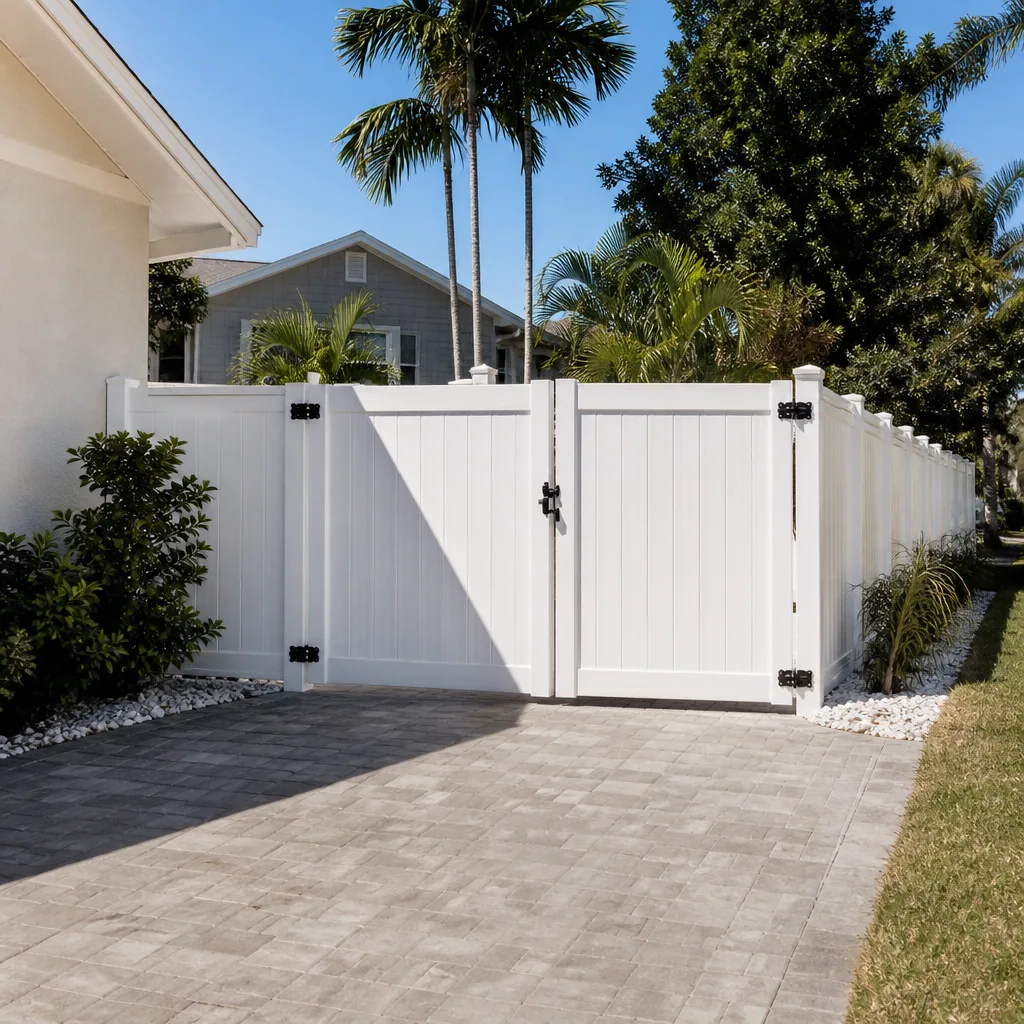
Fence staining and driveway sealing also sit on the DIY side of the line, though fence installation itself is closer to the crossover. Our Fence Installation in Arlington guide walks through the post-setting and material choices (including Barrette and Master Halco lines) that determine whether a self-installed fence holds up through a North Texas storm season.
Five Projects Where Professional Execution Costs Less Overall
These are the projects where the honest total-outcome comparison favors a crew, even before you factor in the safety risk:
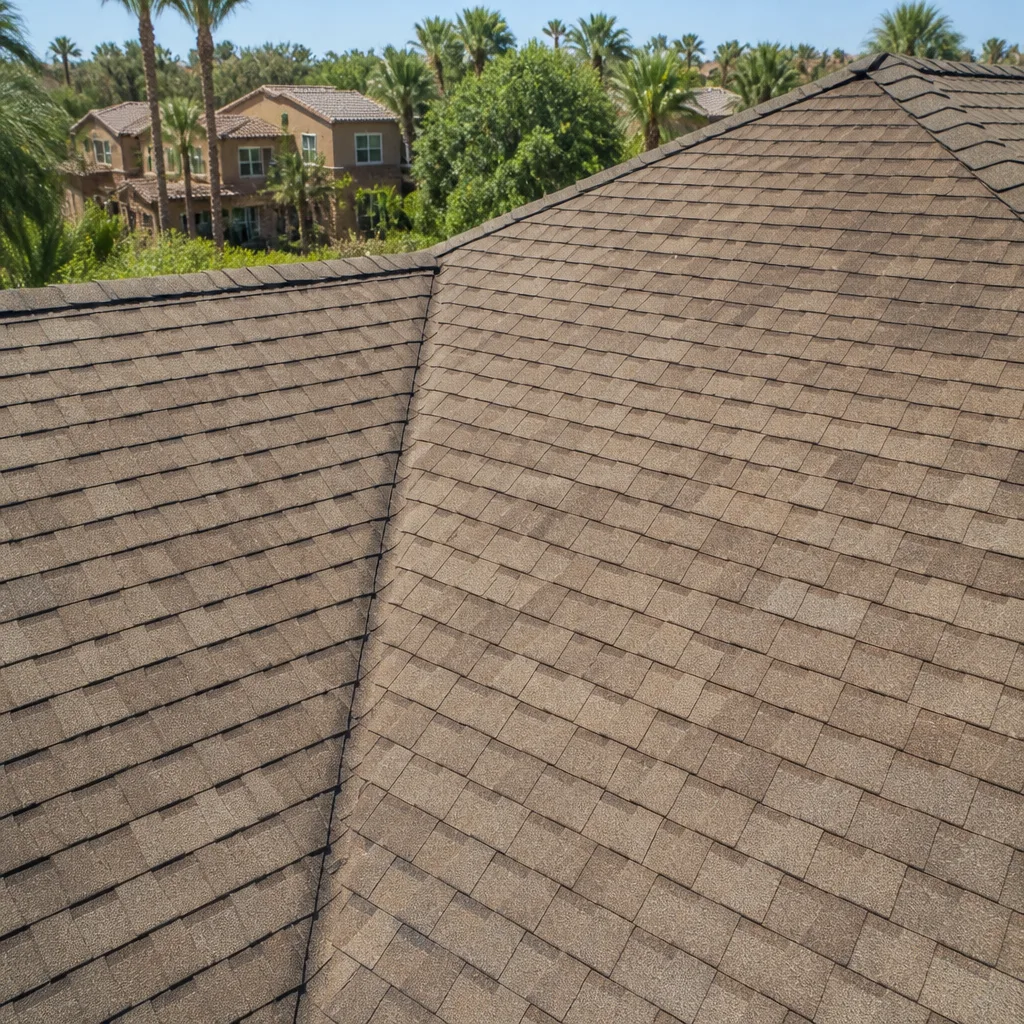
- Roofing. Falls from height, decking that fails inspection, and shingle layer counts that affect the next replacement. A redo costs more than the original bid. Our team regularly sources GAF and Owens Corning systems because the warranty chain matters when a claim comes up.
- Foundation work. North Texas clay soil moves, and the repair sequence is engineering-led. A homeowner-performed mudjacking or pier job that misses the actual movement will fail inside two years.
- Electrical panel upgrades. Licensed trade, permit required, and the work sits behind the wall where a future buyer’s inspector will find it.
- Structural framing. Load calculations, header sizing, and inspection sign-off are not DIY territory, and no lender will underwrite a loan against an uninspected structural change.
- Waterproofing (showers, basements, exterior walls). Membrane work fails silently and shows up as rot two or three years later. This is the single most common DIY rework we see in Arlington homes.
Refinishing a garage door sits on the professional side too, since the spring and cable assemblies carry genuine injury risk – those are high-tension components, and adjustment or replacement should go to a trained technician.
Permits, Inspections, and What They Recover
Permits are not bureaucratic overhead. They buy you a third-party inspection at each phase, and that inspection is the closest thing a homeowner has to a warranty on work done behind drywall. In Arlington, the permit sequence for a typical kitchen or bath remodel has multiple inspection points, and the final inspection sign-off is what your future buyer’s inspector will look for when the property goes on the market.
The cost of pulling permits runs a small percentage of the total project scope, and the recovery value is a documented record that the work was inspected and compliant. If you are weighing whether to pull a permit for a small job, the honest answer is usually yes for anything that touches a licensed trade or changes the structure, and optional for cosmetic work that never leaves the finish surface.
Driveway and paver work is a useful illustration: exterior hardscape installs often require a right-of-way permit when they touch the curb, and the inspection record matters more than most homeowners expect. Our Driveway & Pavers in Arlington page covers the permit line for that scope. For window and door replacements that alter the rough opening, the inspection step is also non-negotiable, whether the units are Therma-Tru or ViewLux.
What Documentation to Demand Before Work Starts
Whether you hire out or do the licensed parts yourself, the paperwork is what protects the asset. Under Clause 1 of the Haven Standard, our written price arrives before anyone picks up a tool – that is a process discipline, not a slogan. Some version of the same discipline should apply on every project, owner-performed or not. Here is what to collect:
- A written scope naming materials, brands, and square footage or line items, so the bid cannot quietly drift.
- The flat price as a single number, not a range, with any allowances spelled out.
- The permit record with the issuing authority, permit number, and inspection dates.
- A signed change order for any work added after the price was set. Our standing discipline is that no change proceeds until the change order is signed – that is the rule that keeps projects within a few percent of the agreed cost.
- A written warranty with a length and a terms page, not an asterisk.
- A photo record of work behind the wall, at rough-in, and at completion.
If a contractor cannot produce all six of those, that is the answer to whether they are the right one for your project.
Common Mistakes to Avoid
- Assuming the homeowner exemption covers licensed trades. It does not. Section 401.003 does not let you perform electrical, plumbing, or HVAC work without the license, even on your own home.
- Skipping the permit on a resale flip. If you sell within a year of completing the work, the homeowner exemption typically does not apply and the project falls under contractor rules retroactively.
- Comparing material cost to a contractor bid. That comparison omits time, tools, and rework probability, which is where the true cost lives.
- Removing a shower or tub without a membrane plan. Waterproofing is the single most common DIY rework source we see, and it fails silently for two or three years before it shows up.
- Hiring the lowest bid without a written scope. A number without a scope is not a bid – it is a placeholder that will grow once work starts.
- Ignoring foundation movement. North Texas clay soil is active, and a cosmetic fix over an active foundation failure is money thrown at a symptom.
- Self-performing roofing or garage door spring work. Both involve height or high-tension components that carry genuine injury risk. Those are jobs for trained technicians, not weekend hours.
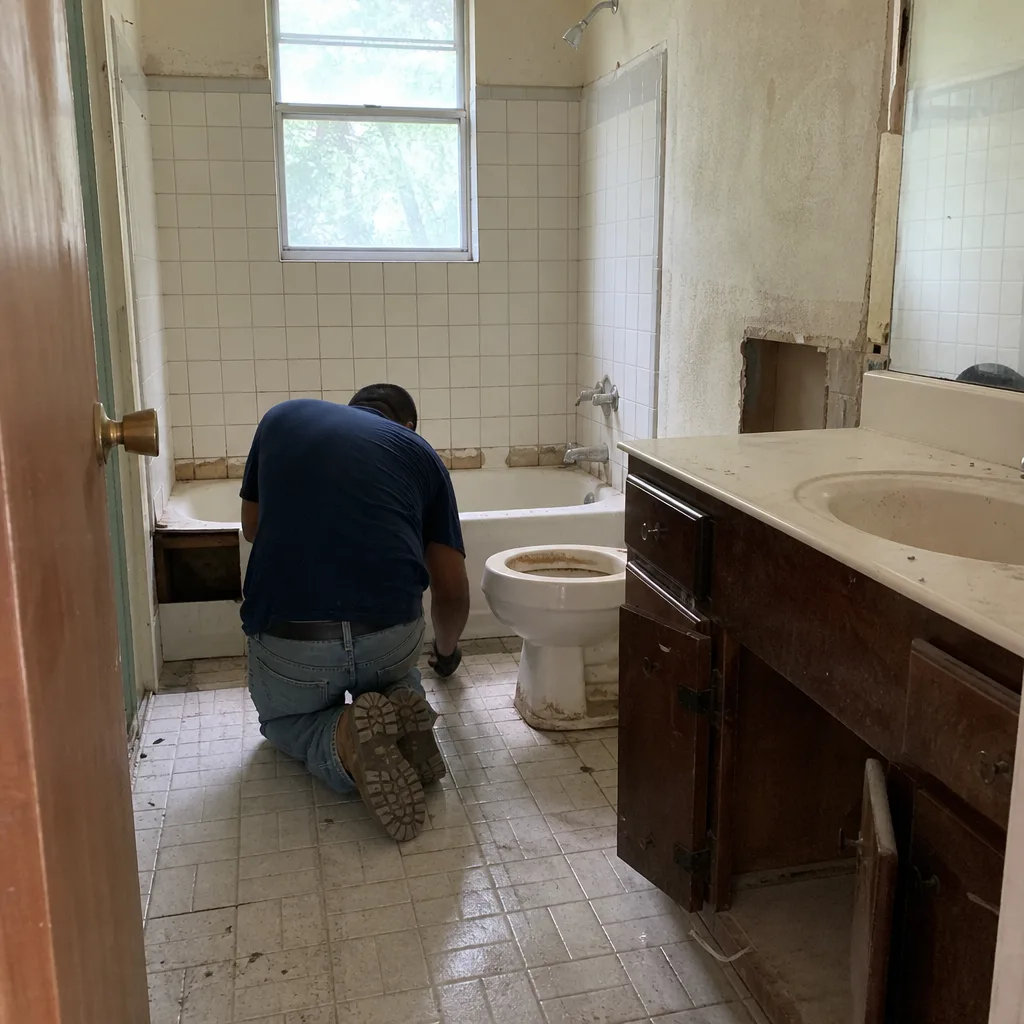
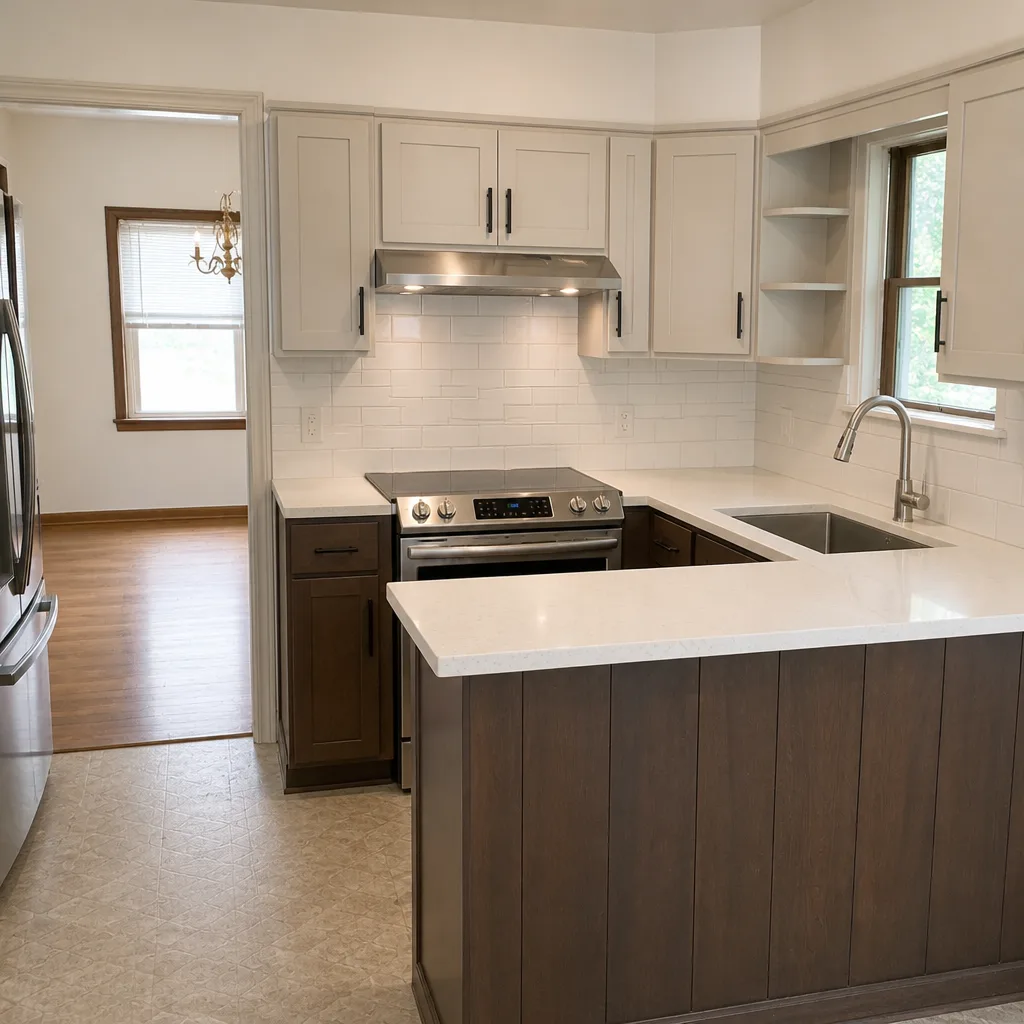
See the difference
 Before
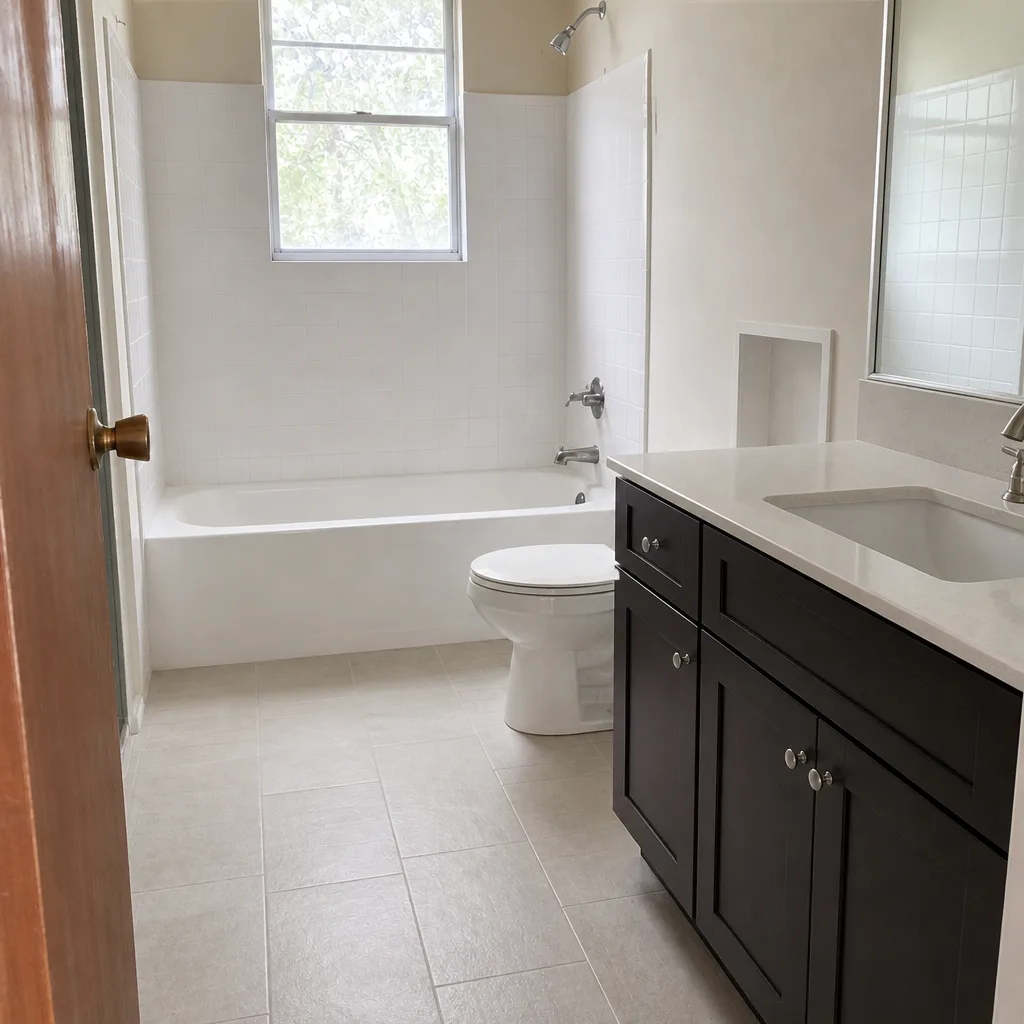 After
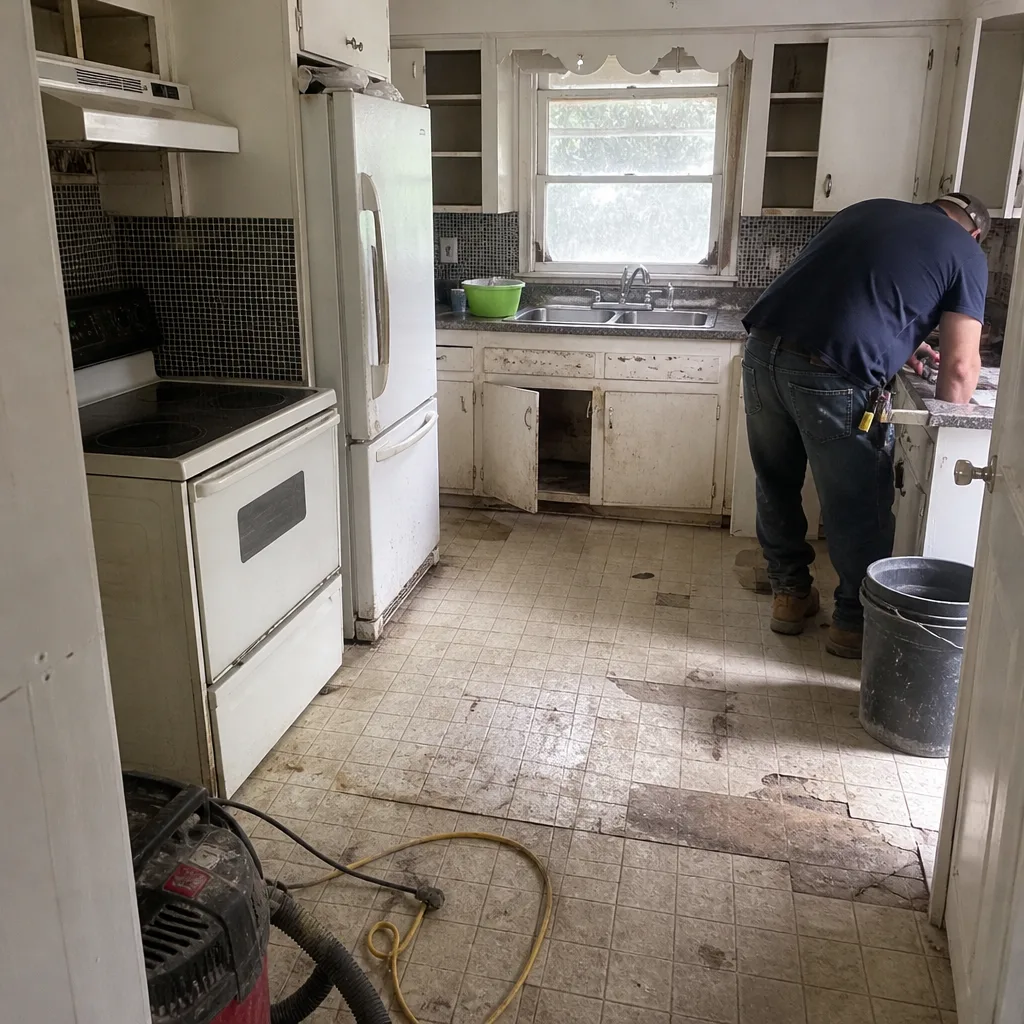 Before
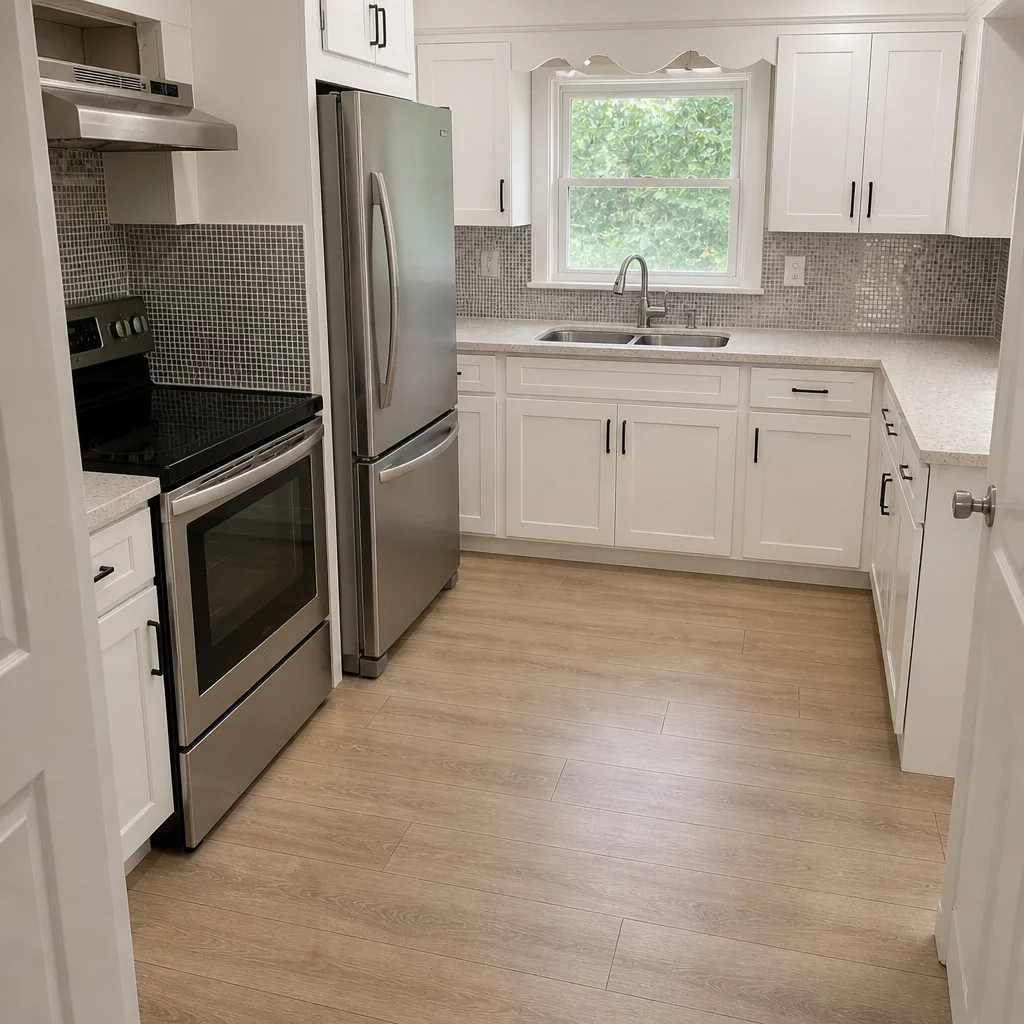 After
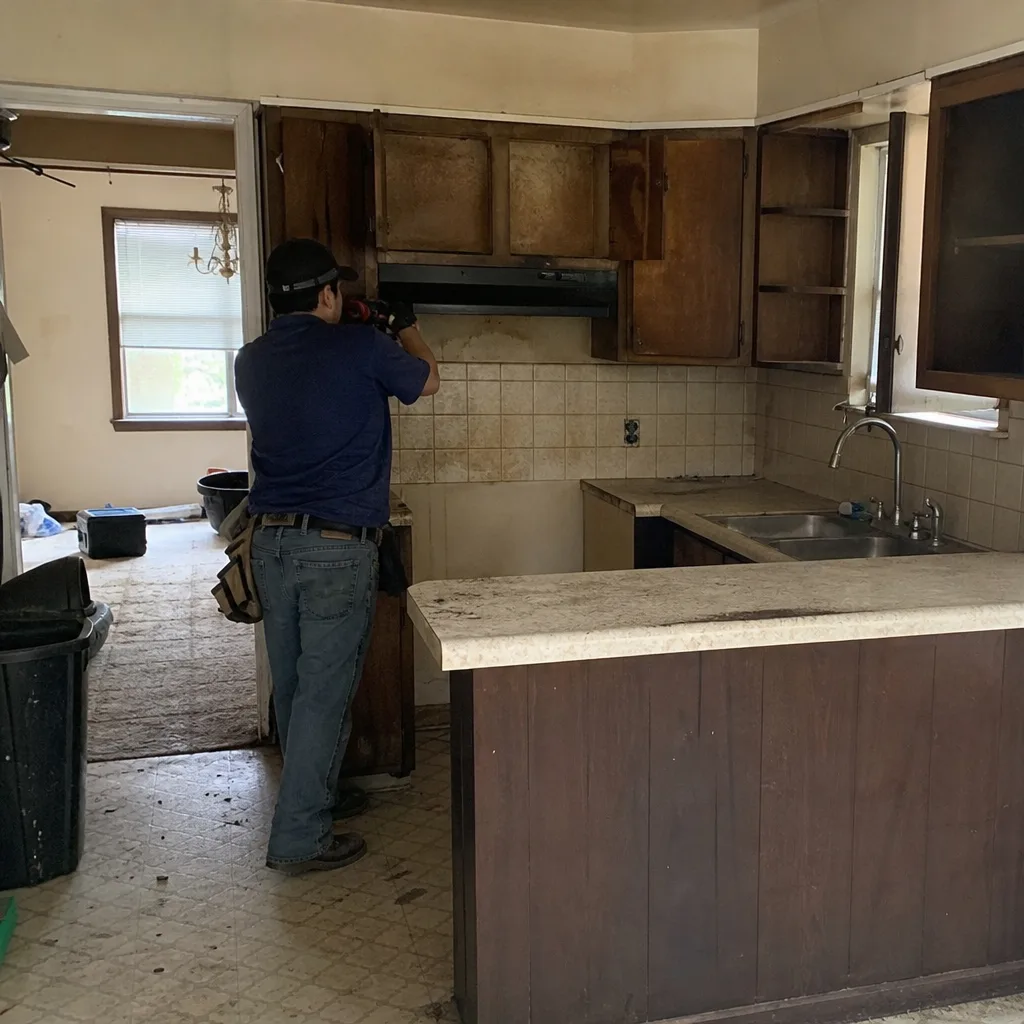 Before
 After
When to Call a Professional
Call a professional the moment the project touches a licensed trade, alters the structure, or moves water. That covers electrical panels and new circuits, plumbing beyond a fixture swap, HVAC equipment, structural framing, roofing, waterproofing on any wet surface, and any project where unpermitted work could create an insurance coverage gap. It also covers any job requiring a permit and inspection sign-off, and anything at height. Rowan Construction Group Arlington offers free estimates in Arlington – call (844) 761-7521. Our technicians have up to 19 years of experience, and a written price arrives before work starts, every time.
Frequently Asked Questions
No, not beyond very simple fixture swaps that do not involve new wiring. Electrical work falls under the Texas Electrical Safety and Licensing Act, and the licensed electrician requirement attaches to the work regardless of who owns the property. A panel upgrade, new circuit, or outlet relocation needs a licensed electrician who can pull the permit and sign off with the inspecting authority. Call (844) 761-7521 for an exact quote on any electrical scope – estimates are free.
It allows an owner to perform construction and improvement work on their personal residence without holding a contractor license, provided the property is not built for sale or resale within one year. It does not license you into the electrical, plumbing, or HVAC trades. In practical terms, that covers general building work (framing, drywall, paint, tile, fencing) but not the licensed trades, which carry separate statutes.
It can, if the loss traces back to the unpermitted work and the adjuster can show it did not meet code. Standard HO-3 policies in Texas have language around faulty workmanship and code compliance that gives an adjuster grounds to deny a claim when the work was never inspected. The documentation an adjuster will request is the permit record, inspection sign-offs, licensed-trade invoices, and photos behind the wall. If any of those are missing, the claim is at risk.
For a simple wood fence on flat ground, DIY can save real money on labor. But post-setting depth, material selection, and storm-load rating all matter more than they seem, and a fence that fails within two years costs more than the original savings. If the fence touches a property line or an HOA guideline, a professional install also gives you documentation that can be useful later. Our Fence Installation in Arlington guide covers the material options we source most often.
Add three costs the DIY budget usually omits: tool rental or purchase, your own hours at an honest hourly rate, and a risk-adjusted rework allowance (15 to 25% of materials on any first-time job). Compare that to the contractor’s written bid plus permit fees. In our experience, the crossover point lands around a full weekend of work – beyond that, the DIY savings usually disappear into time cost.
Six things: a written scope naming materials and quantities, a flat written price (not a range), the permit record with inspection dates, a signed change order for any work added after the price was set, a written warranty with a terms page, and a photo record of work behind the wall. Our own standard is that the price is written before anyone picks up a tool, and that no change proceeds until the change order is signed. To schedule a free estimate, call (844) 761-7521.
The Bottom Line
In Arlington, the DIY-versus-hire question is really three questions in sequence. First, does the work touch a licensed trade? If yes, hire out – Texas law requires it and insurance claims care about the paper trail. Second, does the work touch the structure, the roof, or active water? If yes, professional execution almost always costs less in total outcome. Third, is the work finish-level, cosmetic, or landscaping? If yes, the honest math often favors the homeowner. Run the true cost comparison on your specific project before you commit, and demand the six documentation items from anyone who shows up. Rowan Construction Group Arlington home covers the seven trades we handle under The Haven Standard, and the team is available for a free second opinion on any written estimate – bring a competitor’s quote and we’ll review it line by line at no charge.
To schedule a free estimate on any project in Arlington, call (844) 761-7521. A written price before any work starts, a signed change order before any change, and a documented photo record on every visit – those are the standards we hold every project to, and the ones worth demanding from anyone who works on your home.
Written by the team at Rowan Construction Group Arlington.