Last updated November 18, 2026
Free written scope consultation - allowances, timeline, and change-order rules on paper before a single trade is scheduled
DIY vs Professional Driveway & Pavers: What’s Safe to Do Yourself
A plate compactor rents for $80 – $120 a day in Arlington, and the machine itself is easy to run. What the rental counter won’t tell you is that preventing base settlement takes three to four passes at the right lift thickness, and most DIY videos skip that step because it adds two hours of work and shows nothing on camera. The pavers you see get all the attention. The four inches of compacted base underneath decide whether the driveway still looks flat in 2031. This guide separates the tasks you can genuinely do yourself from the ones where the mistake stays hidden until it’s expensive to fix, with real equipment costs for an Arlington driveway so you can see where the math crosses over.
Quick Answer
Paver cutting, pattern layout, polymeric sand, and sealing are genuinely DIY-safe with rented equipment. Excavation depth, base compaction to 95% Proctor density, and edge restraint anchoring are not: errors there stay invisible at installation and surface as ruts, heaves, and loose edges two to five years later, usually after the warranty window has closed. For a typical 400 sq ft Arlington driveway, DIY saves real money only if you own your weekends and get the base right; otherwise the crossover passes hiring out around the halfway point.
Styles & brands we work with
- Kitchen remodeling
- Bathroom remodeling
- Home additions & ADU
- Roofing
- Windows & doors
- Driveway & pavers
- Fence
Table of Contents
- What’s Genuinely Safe to Do Yourself
- Where DIY Failures Stay Hidden
- DIY Cost vs. Contractor Cost in Arlington
- The Crossover Point: When Hiring Out Costs Less
- Arlington Permits, Setbacks, and Impervious Cover
- The Hybrid Approach: Owner-Prep, Pro Structure
- Common Mistakes to Avoid
- When to Call a Professional
What’s Genuinely Safe to Do Yourself
We’ve walked behind enough half-finished Arlington driveways to know the safe list is real. These tasks carry low structural risk, need tools you can rent locally, and show their mistakes immediately, which means you can correct them without digging anything up.
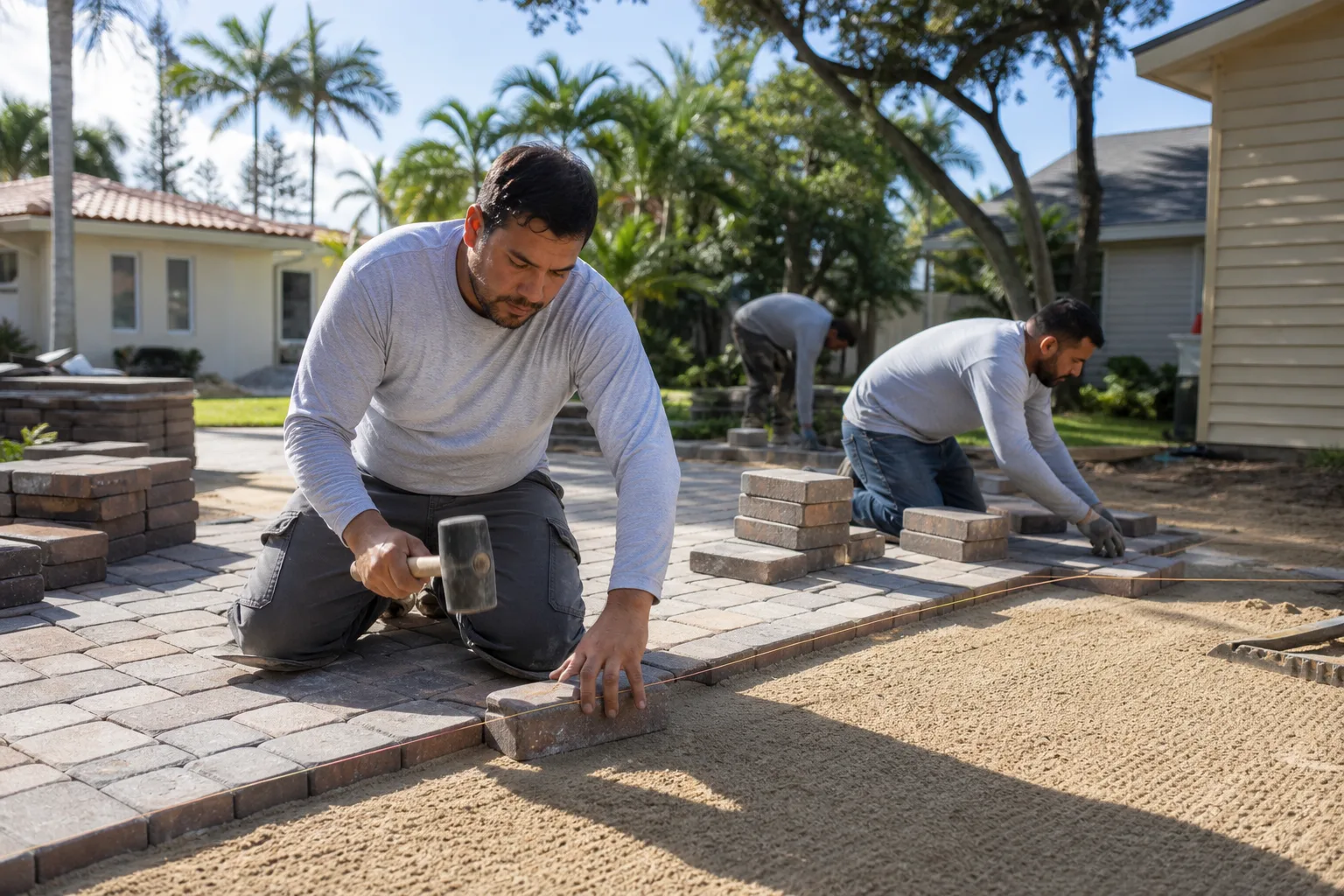
- Paver cutting with a wet saw. A wet saw with a diamond blade runs $65 – $90 per day. Cuts around curves, steps, and drain grates look the way you imagine. Practice on scrap pavers first; a bad cut wastes a $4 – $8 paver, not a $6,000 driveway.
- Pattern layout and string lines. Herringbone, running bond, and basketweave are learnable in an afternoon. Mark your lines with chalk and check square with a 3-4-5 triangle before laying the first course. Layout errors are visible and fixable.
- Polymeric sand installation. Sweep joint sand into the gaps after a light rain or a mist from the hose, compact once more, then leave it. Bags run $22 – $30 each; a 400 sq ft driveway takes six to eight bags.
- Sealing. Do it after the sand cures, ideally in Arlington’s cooler fall months. A water-based sealer covers roughly 150 – 200 sq ft per gallon. Apply two thin coats rather than one heavy coat; heavy coats turn milky.
- Edge restraint installation. Spike-down plastic or aluminum edge restraint is a weekend task and reading the manufacturer’s spec is the whole job. This one sits on the border of safe and structural, which is why it appears in both sections of this guide.
Where DIY Failures Stay Hidden – and Become Expensive
This is the part the video tutorials gloss over. Three tasks determine the longevity of every paver driveway, and all three fail quietly. You don’t see the problem at handover. You see it in year two, after a Texas summer and a hard freeze, when the surface you spent your weekends on starts moving.
1. Excavation depth calibration
The finished surface needs roughly 10 – 12 inches of build-up: 6 – 8 inches of compacted base, 1 inch of bedding sand, and the paver thickness. Measure that depth against your string line at every stage. Cut corners and the bedding layer absorbs the load it was never meant to take. In Arlington, bentonite-heavy clay soil expands when wet and shrinks when dry, so a shallow excavation amplifies heave. If your excavation is two inches off anywhere along a 400 sq ft run, that spot will loosen within two summers.
2. Base layer compaction verification
Achieving 95% Proctor density is a spec, not a feeling. It takes three to four passes of a plate compactor at the right lift thickness (usually 2 – 3 inches per lift, not all eight at once) with the base material damp, not soaked. Here’s the honest part: verifying 95% requires a nuclear density gauge or a sand cone test, which is professional equipment. DIY compaction is an educated guess. Professional work is a measured result.
3. Slope grading to 1 – 2% for drainage
Paver driveways need a fall of 1 to 2 percent away from the house and garage floor, with the lowest point running to the street or a drain. On a 20-foot run that’s a drop of 2.4 to 4.8 inches. Get this wrong and water pools at the garage threshold in spring storms, then finds its way under the base. Mistakes here are measured in re-excavation, not touch-up.
DIY Cost vs. Contractor Cost for a 400 sq ft Arlington Driveway
Numbers first. Here’s what a 400 sq ft driveway actually runs in the Arlington market, comparing rented equipment and DIY materials against a professional flat-price install.
| Line Item | DIY Cost | Contractor Cost |
|---|---|---|
| Excavation (rented mini-excavator or hand-dig) | $250 – $400 | Included |
| Base material (crushed stone, ~9 tons) | $450 – $700 | Included |
| Bedding sand (~3 tons) | $150 – $250 | Included |
| Pavers (concrete run $3 – $6/sq ft; Belgard and Techo-Bloc run higher) | $1,400 – $2,600 | Included |
| Edge restraint + spikes | $80 – $150 | Included |
| Polymeric sand (7 bags) | $170 – $210 | Included |
| Equipment rental (plate compactor, wet saw, mini-ex, plate tamper) | $350 – $550 | Included |
| Sealer (~3 gal) | $90 – $140 | Included |
| Labor (2 – 3 person crew, 4 – 6 days) | Your weekends + helper + truck + dump fees | Included |
| All-in range | $2,900 – $5,000 | $4,500 – $7,500 |
The DIY row reads cheaper at first glance, but the fine print lives in the labor row. Three weekends of your time, a friend you owe a favor, a rented dumpster, and a rental truck to haul nine tons of stone add $400 – $700 of real cost. The gap between DIY and professional closes faster than it appears.
The Crossover Point: When Hiring Out Becomes Cheaper Than DIY
For a 400 sq ft Arlington driveway, that crossover lands around 500 – 600 sq ft. Below that, DIY saves real money if you already own a truck and can borrow a helper. Above it, the math flips once you count equipment, hauling, dump fees, and the value of three weekends you can’t get back. And the crossover is only the pure-dollars view. Consider the cost of doing it wrong: a re-excavation and re-base on a 600 sq ft driveway adds $2,000 – $3,500 because the pavers, sand, and edge matter more than the failed base beneath. Our Driveway & Pavers in Arlington page breaks down how square footage, pattern, and grade changes shift the written price.
Arlington Permits, Setbacks, and Impervious Cover
The City of Arlington treats driveways like construction, because they change how stormwater moves. Before you rent a compactor, call the city’s permit desk and confirm your project’s status. It saves you the cost of a redo after an inspection fails.
- Confirm whether your project triggers a permit. Replacement of an existing driveway with the same footprint often doesn’t. Expanding, adding a turnaround, or connecting to the street usually does. The rules shift with the scope, so ask the city for the current answer on your address.
- Check your setbacks. Arlington set rules for how close a driveway can sit to a property line and how much right-of-way pavement is allowed. A contractor pulling permits on your behalf will flag these before excavation; a DIY project discovers them during inspection.
- Understand impervious cover limits. If you’re increasing paved area beyond your lot’s allowance, you may need additional drainage design. Paver systems with wider joints and aggregate base allow some infiltration, but the limit is measured on your lot’s total impervious cover, not the number of joints.
- Book the inspection before you cover the base. Base compaction and grade verification are inspected before pavers go down. Skip the call and the whole build gets torn back up.
- Permits in Arlington typically shift the contract price up, not down. Expect the written number to include the permit fee, inspection scheduling, and the engineering review required for larger changes.
A written price before work starts means the permit costs are in the quote, not discovered at the middle of the job.
The Hybrid Approach: Owner-Prep, Pro Structure
You don’t have to pick a side. In our experience, the most cost-effective Arlington projects mix DIY prep with professional structural work, and the split is predictable. If you want your weekends to matter, this is where they belong.
- You handle: demolition of any existing surface, hauling debris to the Arlington dump, removing vegetation, staking the layout for the crew to verify, and supplying the pavers if you found a brand and color you love and want it in the scope.
- We handle: excavation to spec, base compaction to a verified density, slope grading to 1 – 2%, edge restraint anchoring, paver install, and final compaction.
On a 400 sq ft project, that split knocks roughly 10 – 20% off the total because demolition and hauling are the labor items you can genuinely take on without risking the structural outcome. If your project also touches a fence line or an addition nearby, the same logic applies: our Fence Installation in Arlington page and Home Additions & ADU in Arlington page both cover scope decisions for work that usually shares a driveway.
The one thing not up for grabs is Clause 1 of the Haven Standard: the price is written before anyone starts. That holds whether you’re supplying the pavers, doing the demolition, or handing the entire job to the crew. If a competitor’s quote arrives without a written scope, we’ll review it line by line at no cost through our Free Second Opinion on any written estimate.
Common Mistakes to Avoid
- Compacting in one thick lift. Pouring eight inches of base and running the plate over twice does nothing below the top inch. Three to four passes per 2 – 3 inch lift is the spec, and skipping it is why DIY base fails first.
- Skipping the sand cone or density test. It’s the only way to know you hit the compaction target. If you’re not testing, you’re guessing, and guessing is what you’re paying a contractor to avoid.
- Trusting the string line at one end only. Check slope at both ends and in the middle of every run. In Arlington’s clay, a driveway that looks level can still pull water toward the garage threshold by several inches over 20 feet.
- Laying pavers directly on sand without a base. This is the “I watched a video” mistake. Sand bedding over uncompacted clay is fine for a garden patio, not for the weight of a car.
- Ignoring the City of Arlington permit requirement until after excavation. Expand your footprint without checking, and you may be rebuilding to setbacks at your own expense.
- Edge restraint that only looks anchored. Spike length, spacing, and depth are specified by the manufacturer for a reason. Loose edge restriction is the number one reason the outer course of pavers starts spreading toward the lawn.
- Sealing too soon. Polymeric sand needs time to cure before the sealer goes on. In Arlington’s summer heat, sealing within 24 hours of sand installation traps moisture and creates a hazy finish.
When to Call a Professional
Call a professional when any of these apply: your projected driveway exceeds 500 sq ft; your existing surface drain leads toward the house or garage; you’re expanding the footprint and not sure of your impervious cover allowance; your lot sits on a slope greater than 3%; or you’re using premium pavers like Belgard or Techo-Bloc where a base failure costs three times the base to replace. Also call if you’ve already watched three videos and are no clearer on compaction spec than you were when you started. Some things are learnable. Some are verifiable, and verification is what you hire. Rowan Construction Group Arlington offers free estimates in Arlington, with the price in writing before any work starts and a documented photo record of the base, grade, and compaction pass count as standard. Call (844) 761-7521 to schedule yours.
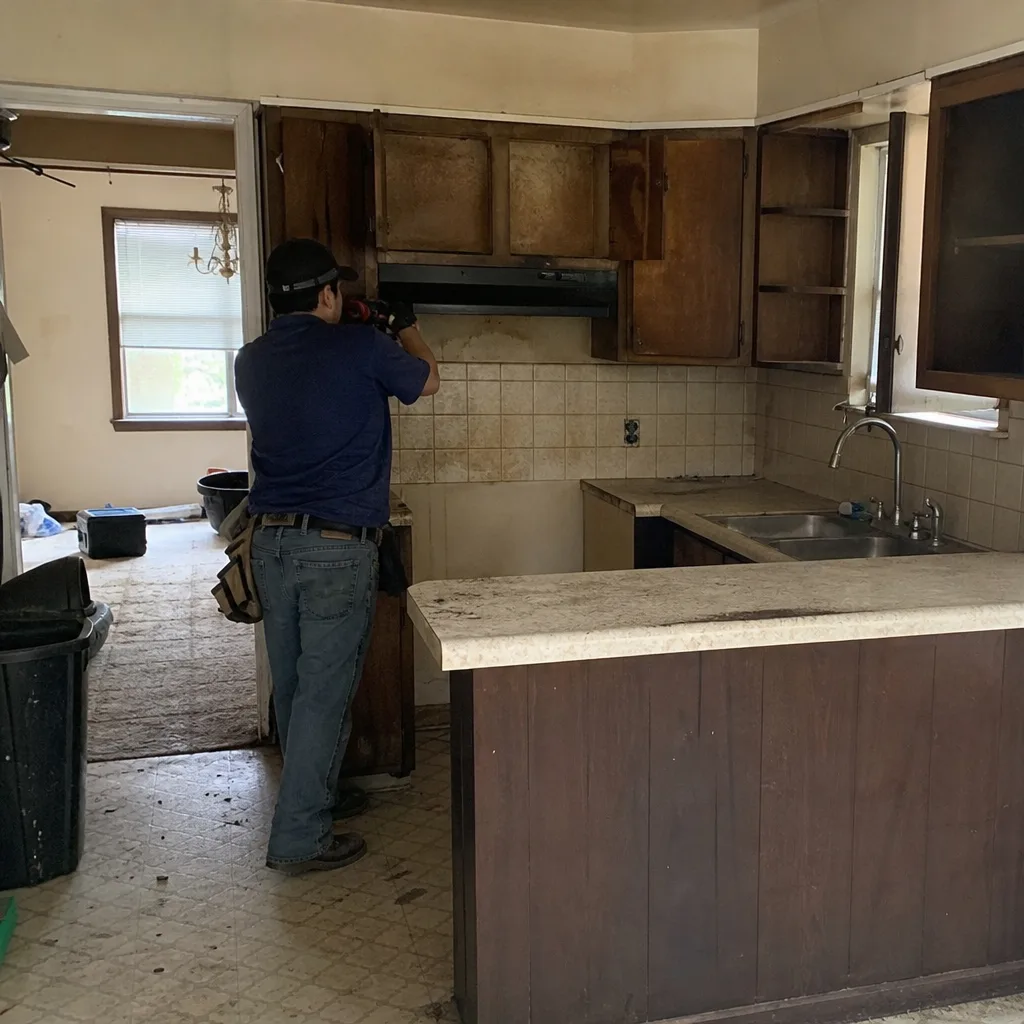
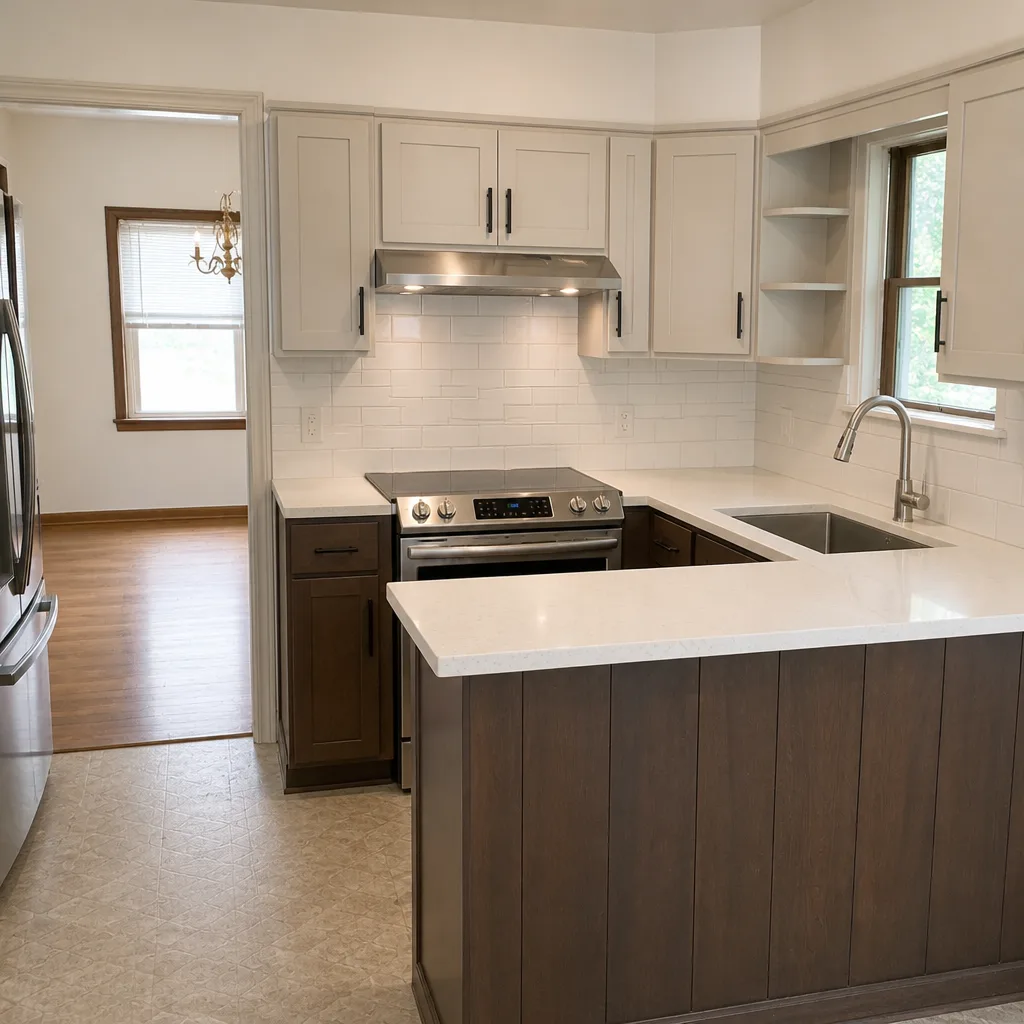
See the difference
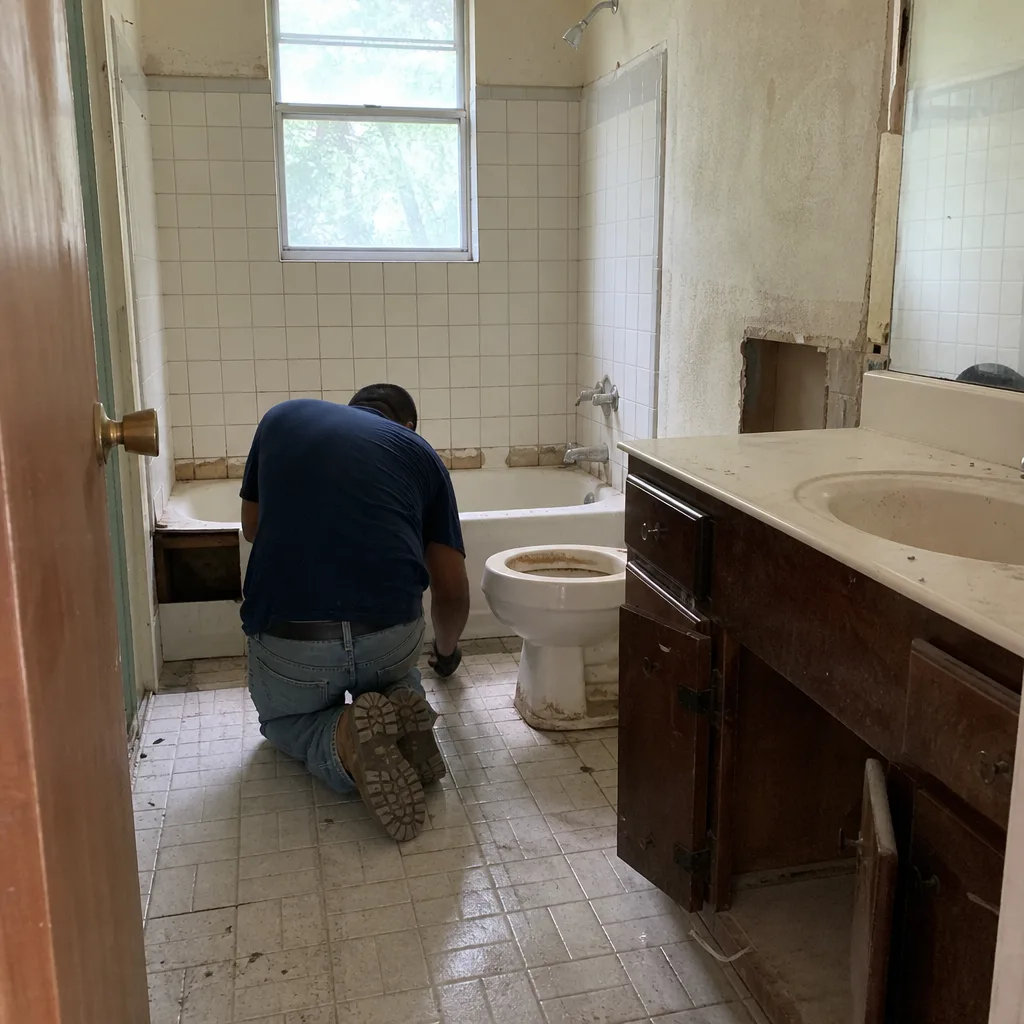 Before
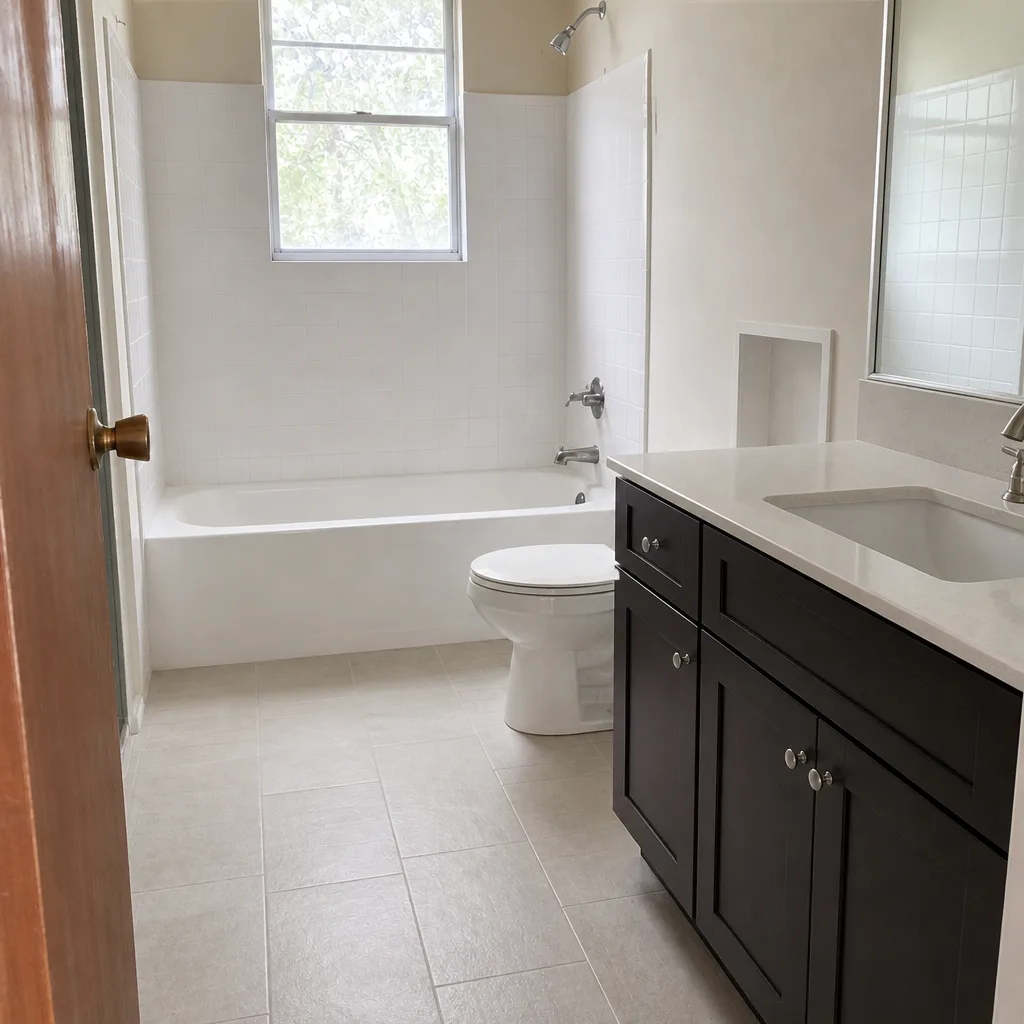 After
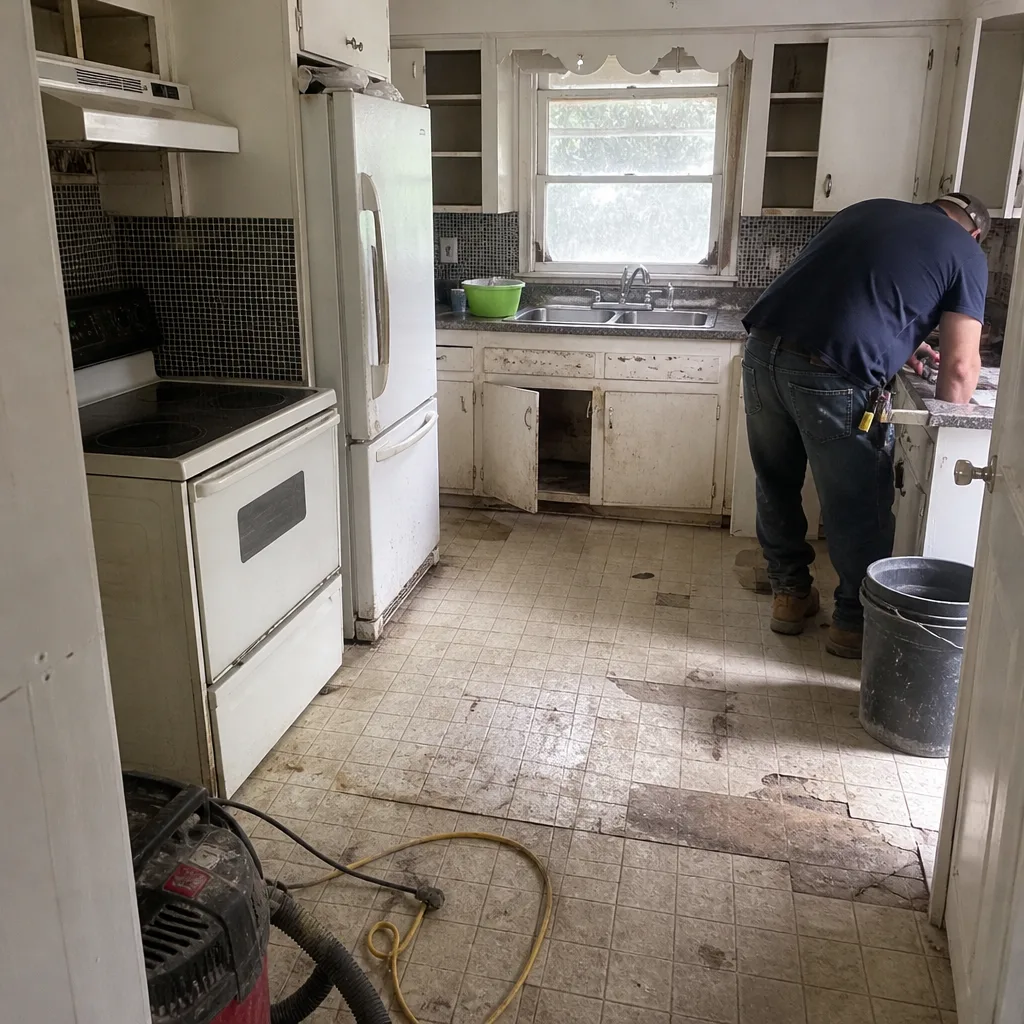 Before
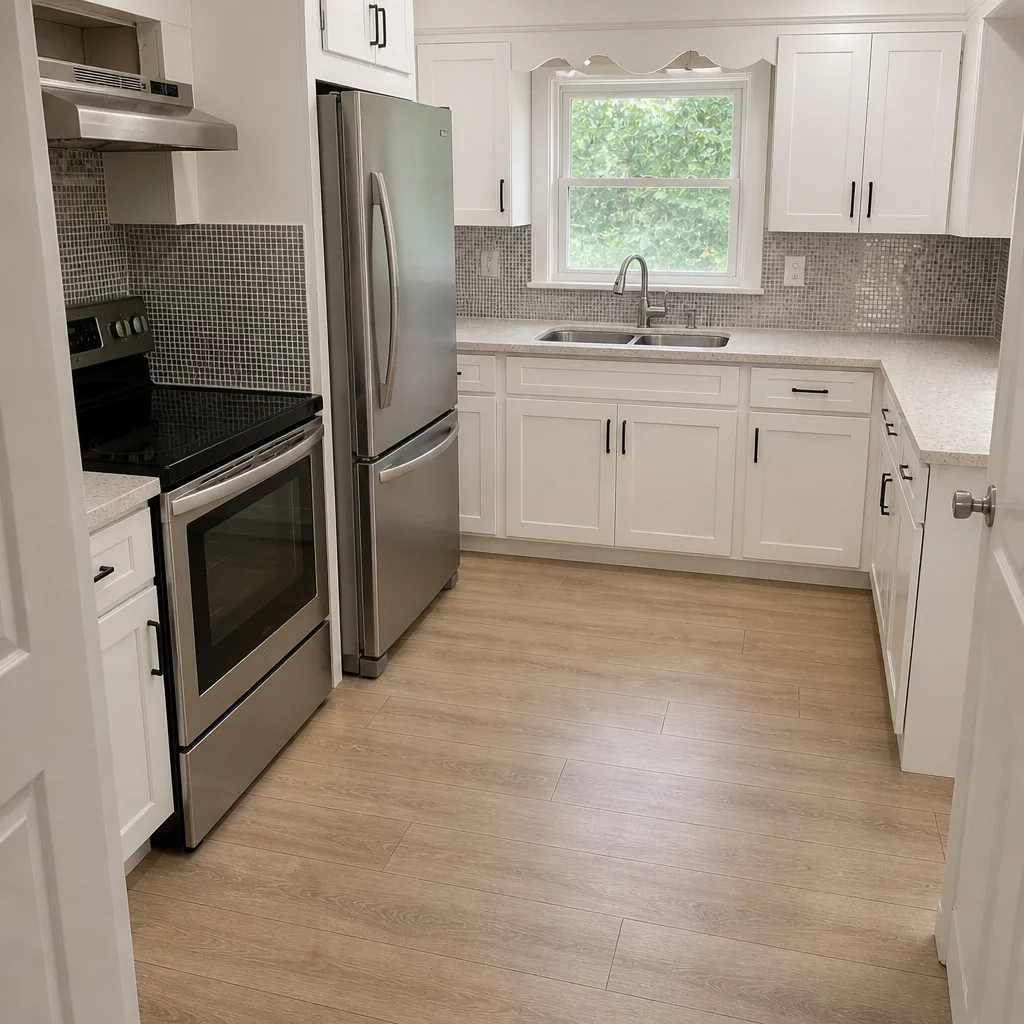 After
 Before
 After
Frequently Asked Questions
Yes, if you accept that the visible tasks are only half the job. Paver cutting, pattern layout, polymeric sand, and sealing are genuinely DIY-safe. Excavation, base compaction, and slope grading are the three tasks where you should either hire a pro or invest in verification equipment, because failure modes here stay hidden for two to five years.
A 400 sq ft driveway runs roughly $4,500 – $7,500 installed, with the range depending on paver brand, pattern, and whether excavation is straightforward or needs clay remediation. DIY materials run $2,900 – $5,000 before accounting for your weekends and hauling. Call (844) 761-7521 for an exact quote; estimates are free and written.
No, when the scope is written down. Rowan’s Haven Standard requires a signed change order before any change in scope proceeds, and that discipline is why projects finish within a few percent of the agreed price across 4,000-plus jobs. If a contractor won’t provide a flat written scope, that’s the number to negotiate before you sign.
Often yes, especially when the project changes the footprint, adds a turnaround, or connects to the street. Replacement with the same footprint may not need one. The City of Arlington’s permit desk gives the address-specific answer; a professional plumber, electrician, or driveway contractor pulling the permit will handle inspections and setbacks as part of the written scope.
For 400 sq ft of professional install, plan four to six working days across excavation, base, pavers, sand, and seal (with curing time between). A DIY effort typically spans two to four weekends, weather permitting, and Arlington’s spring rain pushes that toward four. Rushing the cure between polymeric sand and sealer is where DIY finishes go wrong.
Yes, and it’s one of the cleanest ways to cut cost. Supply the pavers yourself, keep the excavation, base, grading, and edge restraint with the contractor, and you’ve kept the structural risk with the people who measure it. Rowan scopes owner-supply projects with a written price on the labor portion, so the number is locked before the first shovel moves. Call (844) 761-7521 and we’ll walk through the split.
The Bottom Line
Pavers are learnable. Base building is measured. The DIY decision comes down to which of those two you’re willing to gamble on. If your project is under 400 sq ft, the pattern and pavers excite you, and you’ll rent the plate compactor with a helper lined up, the safe task list above is genuinely yours. If your driveway is larger, on a slope, on clay that’s known to move, or heading toward a garage threshold, the base and grade belong to people who verify the work with equipment. The written price, the signed change order, and the photo record are how we take the guesswork out. For a documented record of your driveway from the first dig, Rowan Construction Group Arlington does this work with free estimates, and you can start at our Rowan Construction Group Arlington home page or call (844) 761-7521.
Written by the team at Rowan Construction Group Arlington.