Last updated November 18, 2026

Free written scope consultation - allowances, timeline, and change-order rules on paper before a single trade is scheduled
DIY vs Professional Home Additions & ADU: What’s Safe to Do Yourself
Here’s the part most DIY guides leave out: in Texas, a homeowner can legally pull a building permit for an addition on their own primary residence. That permission is real, and plenty of Arlington homeowners have used it. But it vanishes the moment the addition is meant to be rented as an ADU. A detached unit with its own kitchen, its own entrance, and its own address moves the whole project into licensed-contractor territory under both state law and local code. This guide draws that legal line first, then maps everything that sits safely on either side of it, from framing you should never touch to the cabinet installs you can absolutely do yourself.
Quick Answer
Structural framing, electrical service work, gas piping, and HVAC equipment installation are always licensed-contractor work in Arlington, regardless of who pulls the permit. Painting, cabinet installation, finish flooring, landscaping, and post-rough-in fixture swaps are typically safe for a homeowner to handle. The distinction isn’t skill; it’s liability.
Styles & brands we work with
- Kitchen remodeling
- Bathroom remodeling
- Home additions & ADU
- Roofing
- Windows & doors
- Driveway & pavers
- Fence
Table of Contents
- The Real Question: Permit Liability, Not Skill
- Where Texas and Arlington Draw the Legal Line
- Four Categories That Are Always Licensed Work
- What You Can Legitimately Do Yourself
- The Insurance Gap: What Your Policy Won’t Cover
- Why an ADU Changes Everything
- The Hybrid Project: Contributing Labor Safely
- Common Mistakes to Avoid
The Real Question: Permit Liability, Not Skill
Most homeowners frame the DIY question around competence. “Can I frame a wall?” or “Can I run the wire?” That’s the wrong lens. The lens that actually matters is: who carries the liability when something goes wrong? A self-permitted structural addition means the homeowner is the permit holder, and the permit holder is the party the city holds responsible for code compliance. That’s a legal relationship, not a skill statement. A talented carpenter who self-permits a load-bearing wall takes on the same liability as someone with no building experience at all.
In Arlington, this plays out in concrete ways. During a framing inspection, the city inspector looks at the permit record, the stamped drawings, and the work itself. If the permit lists the homeowner as the contractor of record, the homeowner is the one who answers for a failed shear wall inspection or a non-compliant header. That answer isn’t cheap. Re-inspection fees, corrective demolition, and in the worst case an order to vacate or demolish the structure all land on whoever holds the permit.
Insurance follows the same logic. A standard homeowner’s policy covers the structure, but it excludes losses caused by work that wasn’t permitted or didn’t meet code. So a homeowner who self-permits a structural addition and then has a fire traced to non-compliant wiring discovers that a policy they’ve paid on for years doesn’t respond. That gap is where the real cost of the DIY decision lives.
Our technicians have up to 19 years of experience watching this play out, and the pattern is consistent: homeowners who self-permit small projects (a deck, a shed, a finished basement) usually do fine. Homeowners who self-permit structural additions often end up hiring a professional mid-project to fix what the inspector flagged, at a much higher cost than starting with a licensed contractor would have been.
Where Texas and Arlington Draw the Legal Line
Texas doesn’t have a single statewide licensing law for general contractors, which is why the DIY question gets murky. What Texas does regulate, tightly and clearly, is who can perform specific trades. Texas Occupations Code Chapter 1302 governs electricians; Chapter 1303 governs plumbers, which includes gas piping work. Both chapters define licensed and unlicensed practice, and both mean that residential electrical and gas work on an addition, whether primary residence or not, must be done by a licensed tradesperson.
Arlington’s municipal code layers the permit requirement on top. The city’s building code is adopted from the International Residential Code (IRC) with local amendments, and it requires a permit for any structural addition, any change to the electrical service, any new gas line, any HVAC equipment installation, and any plumbing rough-in. The permit application asks who will be doing the work. If the answer involves licensed trades, the city requires the licensed contractor’s information on the permit.
Here’s what that means in practice:
- A homeowner can pull a permit for a non-structural improvement (a patio cover, a detached shed under the size threshold, finish work) in their own name.
- A homeowner can also pull a permit for a structural addition on their own primary residence, in most cases, but only if no licensed-trade work is involved. In practice, that’s almost never true.
- The moment the project requires an electrician, a plumber, or an HVAC contractor, those trades hold their own permits. The homeowner’s structural permit and the trades’ permits are separate records.
- An ADU (attached or detached) intended for rental requires a licensed contractor of record for the structural work in Arlington, because the rental use changes the liability framework.
The pragmatic takeaway: the homeowner can be the applicant, but the trades must be licensed, and structural work on a rental-intended ADU should be handled by a licensed contractor. That’s the legal line.
Four Categories That Are Always Licensed Work
Some work you simply cannot self-perform, regardless of how handy you are or how the permit is structured. The law requires a licensed professional for these four categories in Arlington:
- Structural framing. This includes load-bearing walls, headers, beams, floor systems, roof framing, and any shear wall or lateral bracing. A licensed contractor (or a licensed engineer of record) must design and typically install structural framing for an addition, and the work must be inspected before it’s covered.
- Electrical service entrance and distribution. Any new service panel, any change to the service entrance, any new circuits for the addition, and any distribution wiring. Under Texas Occupations Code Chapter 1302, this is licensed electrician work, full stop.
- Gas piping. Any new gas line, any modification to an existing line, and hookup to a new appliance. Under Chapter 1303, this is licensed plumber work (plumbers hold the gas license in Texas).
- HVAC equipment installation. The equipment itself, the refrigerant lines, the ductwork, and startup. This is licensed HVAC contractor work under Texas rules, and the equipment manufacturer’s warranty is tied to licensed installation.
These four are non-negotiable in Arlington. Even when a homeowner is the permit applicant, these trades hold their own permits and must be licensed to pull them. And there’s a safety reason beyond the legal one. A mis-wired service panel can kill a person who turns off the wrong breaker. A gas leak from unsealed piping can cause an explosion. A structural header that’s undersized can cause a roof to fail under a snow load or wind event. These aren’t DIY opportunities.
What You Can Legitimately Do Yourself
Once the licensed trades have completed their work and the rough-in has been inspected and signed off, the finish phase is where a homeowner can contribute real labor. In a professionally permitted addition, the following work is legitimate DIY scope:
- Painting. Interior and exterior painting, including trim and doors. No permit required, no inspection gate.
- Cabinet installation. Hanging KraftMaid or similar cabinets is finish work that doesn’t require a licensed trade, provided the electrical rough-in for outlets and under-cabinet lighting is already inspected and signed off. Cabinet installation after rough-in inspection is one of the safest DIY contributions.
- Finish flooring. Hardwood, engineered, tile, luxury vinyl plank. Finish flooring goes in after all inspections, so there’s no permit risk.
- Landscaping around the addition. Regrading, planting, sod, and hardscape that doesn’t touch the foundation or drainage of the addition. Check that your regrade slopes away from the foundation at roughly a 6-inch drop over 10 feet.
- Fixture swap-outs after rough-in approval. Replacing a light fixture, a faucet, or a toilet after the rough-in inspection is signed off doesn’t require a new permit in most cases, but it does require careful work. Anything that involves opening a wall, adding a circuit, or moving a gas line does require a licensed trade.
- Insulation. In many jurisdictions, a homeowner can install batt or blown-in insulation before the insulation inspection. Confirm this with the Arlington permit office before you start, because it changes by project type.
The pattern: anything that’s finish work and doesn’t touch the building envelope’s structural, electrical, plumbing, or HVAC systems is fair game. Anything that changes those systems is not.
The Insurance Gap: What Your Policy Won’t Cover
This is the part that rarely gets covered in DIY guides, and it’s the most expensive lesson. A standard homeowner’s policy is written to cover the structure and your personal liability. It is not written to cover work that was performed without a permit or that failed to meet code. The exclusion language varies by carrier, but the categories are consistent:
- Workmanship exclusions. Most policies exclude loss caused by faulty workmanship, including the cost to redo a defective installation. If your self-installed tile shower leaks and damages the floor, the policy typically covers the resulting water damage but not the tile work itself, and the leak might be traced to an excluded cause.
- Ordinance or law exclusions. Standard policies don’t pay the extra cost to bring non-compliant work up to code after a covered loss. If a fire damages the addition and the rebuild requires current-code upgrades, that cost is on you.
- Unpermitted work exclusions. Many policies exclude coverage for damage caused by work that wasn’t permitted, when the lack of permit is what allowed the dangerous condition to exist. A self-permitted structural addition that fails inspection and later fails is exactly this scenario.
- Contractor liability exclusions. If you act as your own general contractor or perform work as a paid contractor without the proper license, your homeowner’s policy won’t cover you as a business. The liability shifts to you personally.
The realistic risk: a homeowner self-permits a $60,000 addition, saves $6,000 in labor, and then discovers that a fire traced to non-compliant wiring is a total loss with no insurance response. The math doesn’t work. For more on how a professionally permitted addition is structured, see our Home Additions & ADU in Arlington page.
Why an ADU Changes Everything
Arlington has seen a surge in accessory dwelling units since 2020, driven by multigenerational households and the rental income math that works in neighborhoods close to the Entertainment District and the University of Texas at Arlington. An ADU – a small secondary dwelling on the same lot, sometimes called a backyard cottage or a casita – is not the same as a home office or a workshop. It has its own kitchen, bathroom, sleeping area, and often its own utility meter.
The legal distinction is simple and unforgiving. A homeowner can self-permit an addition to their primary residence, but an ADU intended for rental is a separate dwelling unit under Arlington’s zoning and building code, and it requires a licensed contractor of record for the structural and systems work. The rental use is what triggers it. The city treats rental units differently because the occupants are not the homeowner, and the homeowner cannot be the final inspector of their own rental dwelling.
What that means for a homeowner considering a detached ADU: the structural, electrical, plumbing, and HVAC work must be done by licensed professionals, and the permit must show the general contractor or the licensed trades as the responsible parties. The finish work – painting, flooring, cabinets, landscaping – can still be done by the homeowner after inspections. The ADU decision isn’t about how much you can do yourself; it’s about what the rental use legally requires. The ADU guide on our site walks through the full permit sequence.
One more thing: because the ADU will be a rental, the insurance picture changes too. A standard homeowner’s policy may cover the ADU structure, but a rental unit usually requires a landlord policy or a rider. The unpermitted or non-compliant work exclusion still applies. If your ADU is built on a permit that lists the licensed contractor and passes every inspection, the insurance market treats it as a standard structure. If it’s built on a homeowner’s self-permit and the rental use wasn’t disclosed to the carrier, coverage is often denied at the worst possible moment.
The Hybrid Project: Contributing Labor Safely
A lot of homeowners don’t want to be the general contractor. They want to contribute sweat equity to reduce the cost, and they want it documented so the inspections aren’t jeopardized. That’s achievable. Here’s the structure we use when a homeowner in Arlington wants to contribute labor:
- Identify the phases the homeowner will handle. Finish work only: painting, cabinets, flooring, landscaping. Nothing that touches the structural, electrical, plumbing, or HVAC systems.
- Write the scope into the contract. The written scope of work should list what the licensed trades will do and what the homeowner will do, with clean handoff points. This is the discipline the Haven Standard is built on: nothing proceeds on a change until it’s signed. The same principle applies to owner participation.
- Set the inspection sequence with the homeowner’s phases after relevant inspections. The homeowner’s paint work happens after the rough-in inspections and the insulation inspection. The homeowner’s flooring happens after the final building inspection. If the sequence gets compressed, the homeowner’s work can obscure an inspection point, and that’s a fail.
- Document the handoff. A photo record at the handoff, the date and scope of the homeowner’s work, and a signed acknowledgment that the homeowner is taking responsibility for that phase. That documentation protects both parties and gives the inspector a clear picture of what’s owner-performed.
- Quote the owner-performed scope separately. The written price should show the total project cost with and without the owner-performed scope, so the trade-off is visible up front. No surprise reconciliation at the end of the project.
That last point is where a lot of contractors get slippery. Under our no-hassle upfront pricing, the written price is delivered before any work starts, with the option for a free second opinion on any competitor’s written estimate. Bringing a competitor’s quote to us for a line-by-line review costs nothing, and it’s often where homeowners discover that a “helpful” contractor has priced the DIY scope at full rate anyway.
Common Mistakes to Avoid
- Self-permitting structural work on a rental-intended ADU. Arlington’s code requires a licensed contractor of record for the structural work on an ADU, and self-permitting as a workaround voids the liability protection you thought you had.
- Doing finish work before the final inspection. Painting over drywall before the insulation inspection fails the inspection and the paint job gets redone. The sequence is dictated by the inspection schedule, not the homeowner’s weekend availability.
- Treating the permit as an optional formality. Unpermitted additions in Arlington surface at resale, during refinancing, and after storms. The cost of retroactive permitting and any corrective work usually exceeds the original build cost.
- Skipping the contractor’s written scope for owner participation. If the homeowner’s work isn’t in the contract, the contractor’s warrants and responsibilities become ambiguous, and disputes over who pays for a redo are guaranteed.
- Assuming a standard homeowner’s policy will cover unpermitted work. The workmanship, ordinance-or-law, and permit-related exclusions are standard across carriers. Read the exclusions page before you self-perform.
- Buying materials before the written price exists. A written scope and price before any work starts is the only way to compare a homeowner’s material purchase against the contractor’s line item. Buying first, pricing later, is how projects go over budget.
- Using an unlicensed electrician to save on cost. In Arlington, an unlicensed electrician’s work won’t pass inspection, and a fire traced to that work is excluded from coverage. The savings are always smaller than the loss.
See the difference
 Before
 After
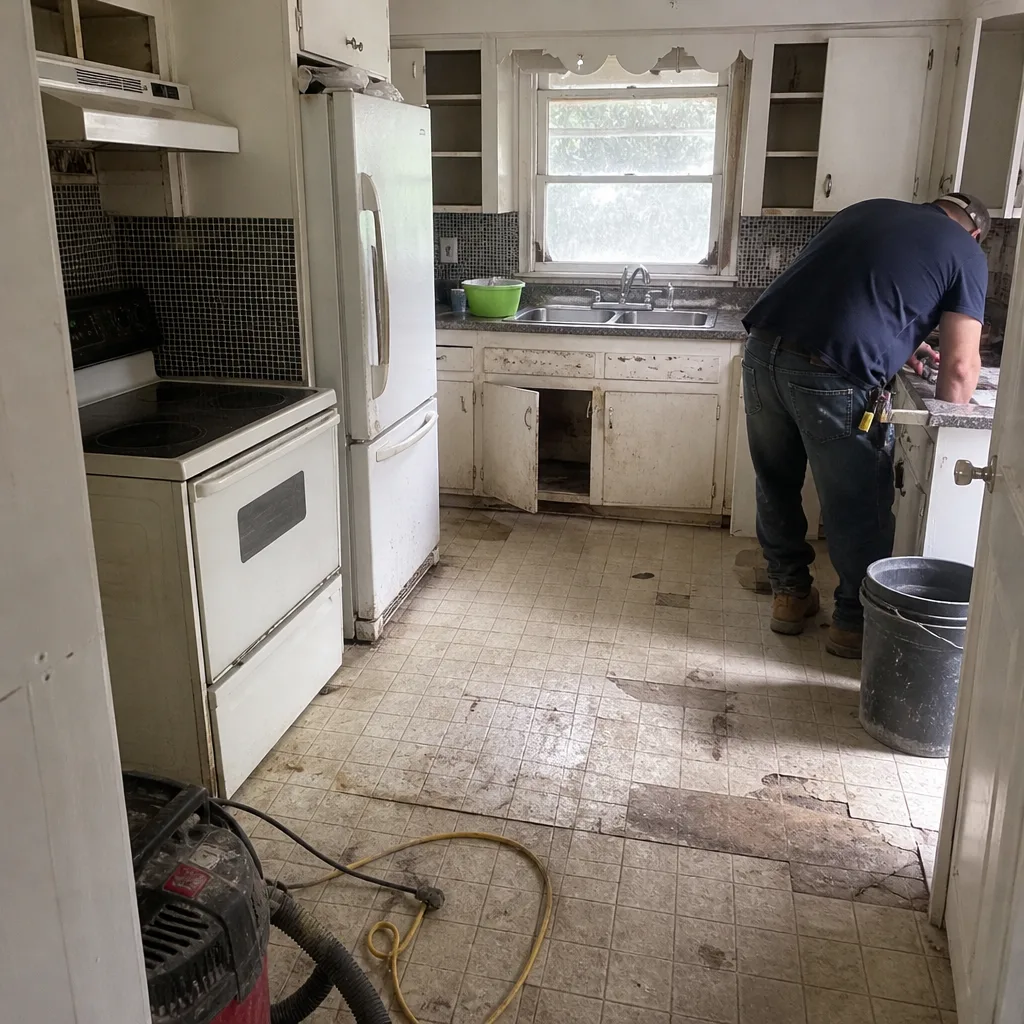 Before
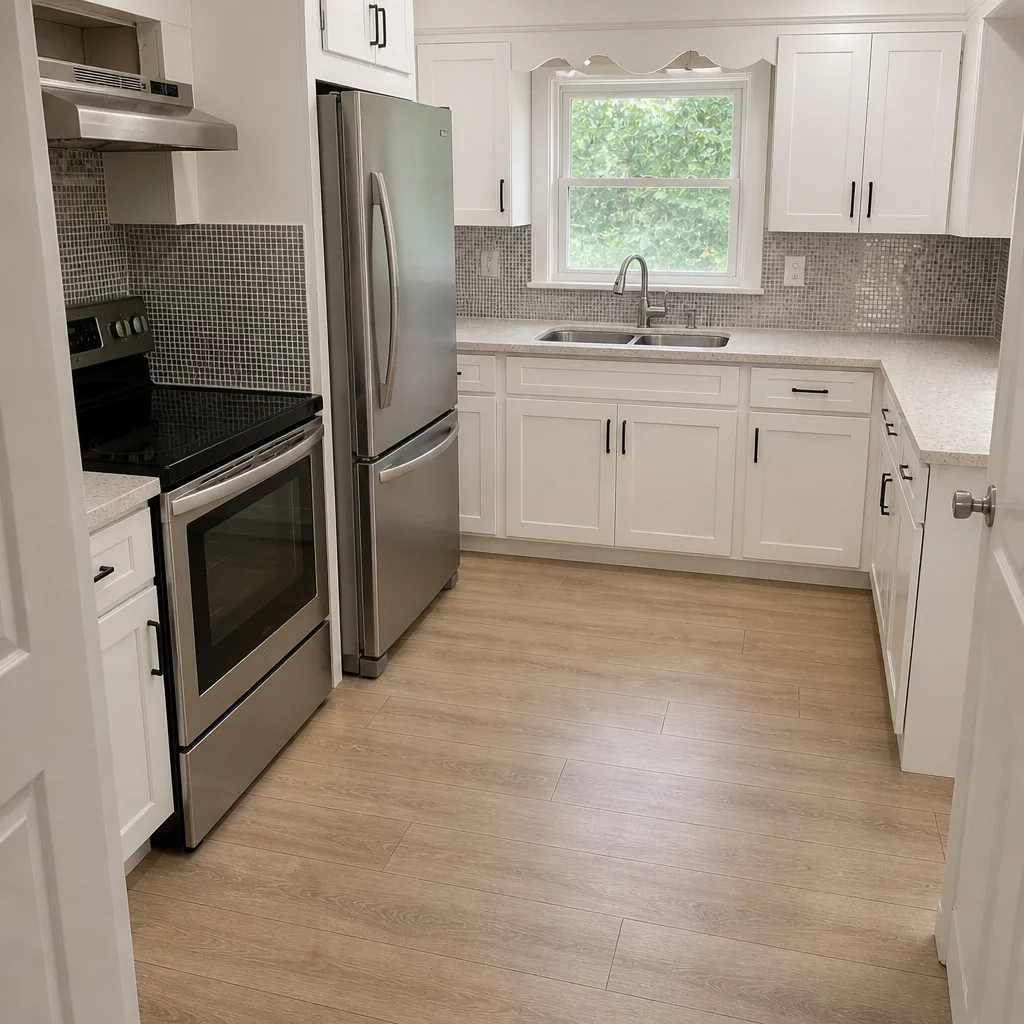 After
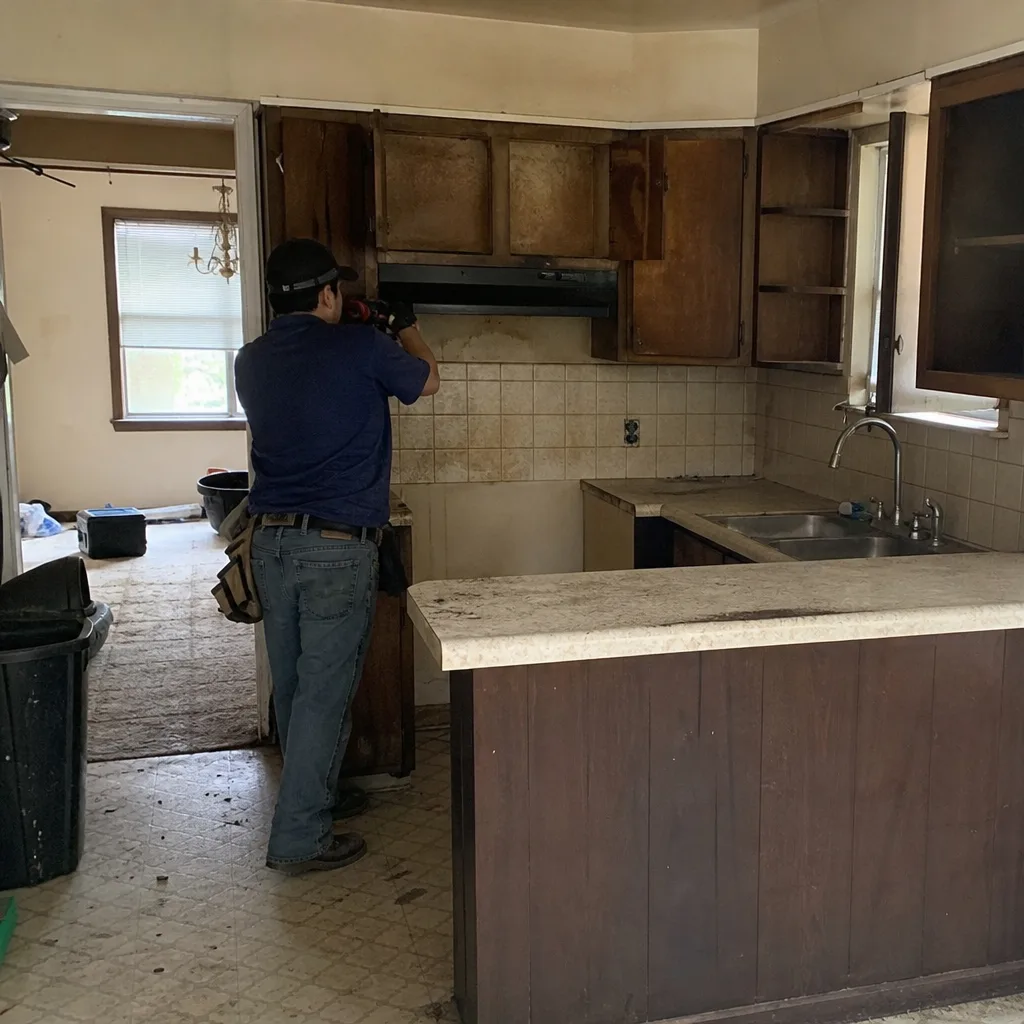 Before
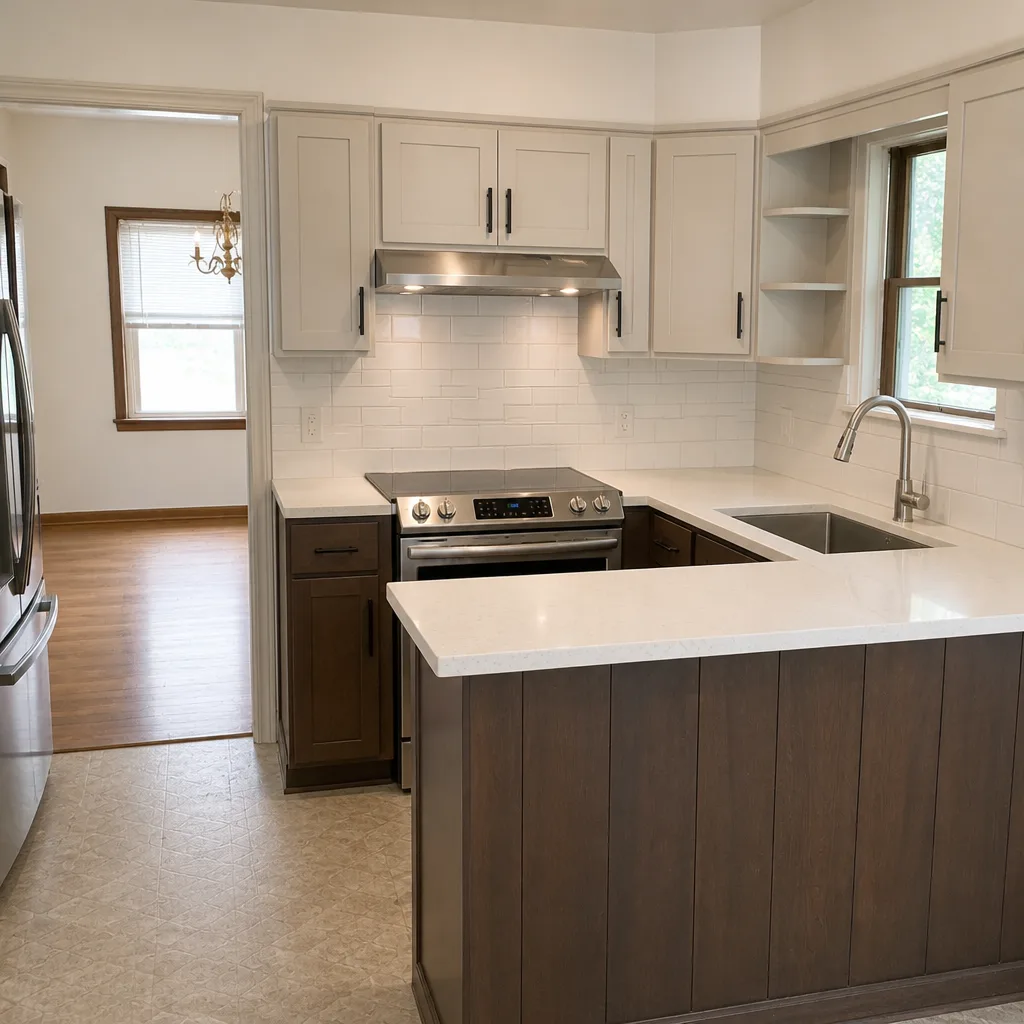 After
When to Call a Professional
Call a licensed professional in Arlington when the project involves any of the following: structural framing, a new or modified electrical service, gas piping, HVAC equipment, a rental-intended ADU, or a homeowner who intends to self-permit structural work. Call us when you want a written price before work starts, with a written scope and a written warranty, so the DIY question gets answered with a number instead of a guess. Rowan Construction Group Arlington offers free estimates in Arlington, with a free second opinion on any written estimate you’re holding. Call (844) 761-7521 to schedule. We’ll walk the site, explain the inspection sequence, and leave you with a written price you can compare.
The same discipline applies across our other trades. Our Driveway & Pavers in Arlington page shows how finish work gets priced when there’s no structural permit involved; our Fence Installation in Arlington page covers the permit-free-but-inspection-aware side of residential work; and our Rowan Construction Group Arlington home page is the place to start if you’re mapping a multi-trade project.
Frequently Asked Questions

Yes, in most cases, if the addition is to your primary residence and doesn’t involve licensed-trade work. That last condition is the catch: structural, electrical, plumbing, and HVAC work each require a licensed professional, and those trades hold their own permits. So the homeowner can be the applicant, but the trades still need licenses. Call (844) 761-7521 for a free estimate if you want the permit sequence mapped before you decide.
No. An ADU intended for rental is a separate dwelling unit under Arlington’s zoning and building code, and it requires a licensed contractor of record for the structural and systems work. The rental use is what triggers the requirement. Finish work (painting, flooring, cabinets) can be homeowner-performed after inspections. The Home Additions & ADU in Arlington page walks through the full permit sequence.
Coverage for damage caused by the self-permitted work is typically denied. Standard policies exclude loss caused by faulty workmanship, ordinance-or-law upgrades, and work that wasn’t permitted when the permit would have caught the dangerous condition. The structure may still be covered for unrelated perils, but the trigger event that exposed the non-compliant work usually isn’t. Read your policy’s exclusions page before you self-perform.
No. Texas Occupations Code Chapter 1302 requires residential electrical work to be done by a licensed electrician. That includes new circuits, service panel changes, and distribution wiring. A homeowner can legally change a light bulb or a plug-in fixture, but anything involving the wiring behind the wall requires a licensed electrician in Arlington. Call (844) 761-7521 for a free estimate.
Painting, cabinet installation (after electrical rough-in is inspected and signed off), finish flooring, landscaping around the addition, and post-rough-in fixture swaps. Insulation may be homeowner-performed in some project types, but check with the Arlington permit office first. Structural, electrical, gas, and HVAC work should always be done by licensed professionals.
Yes, substantially. An unpermitted or non-compliant addition typically doesn’t count toward the appraised square footage at resale, and buyers and lenders increasingly ask for the permit record during the transaction. A permitted addition that passes every inspection counts fully toward the appraisal. The gap between the two often exceeds the labor savings from DIY. Call (844) 761-7521 if you want a written price before you decide.
The Bottom Line
The DIY question for a home addition in Arlington isn’t about how handy you are. It’s about liability. Homeowners can self-permit some projects, but structural, electrical, gas, and HVAC work always requires a licensed professional, and a rental-intended ADU requires a licensed contractor of record. The safe DIY scope is finish work: paint, cabinets, flooring, landscaping, and fixture swaps after rough-in approval. The insurance gap for unpermitted or non-compliant work is real and expensive. Get a written price before work starts, get the scope in writing, and call us for a free estimate. That’s the whole answer.
If you want to see how the same discipline shows up across our other trades, our Fence Installation in Arlington and Driveway & Pavers in Arlington pages show the finish-work side of the same process, and the Rowan Construction Group Arlington home page is the place to start if you’re mapping a multi-trade project.
Written by the team at Rowan Construction Group Arlington.