Free written scope consultation - allowances, timeline, and change-order rules on paper before a single trade is scheduled
Styles & brands we work with
- Kitchen remodeling
- Bathroom remodeling
- Home additions & ADU
- Roofing
- Windows & doors
- Driveway & pavers
- Fence
See the difference
 Before
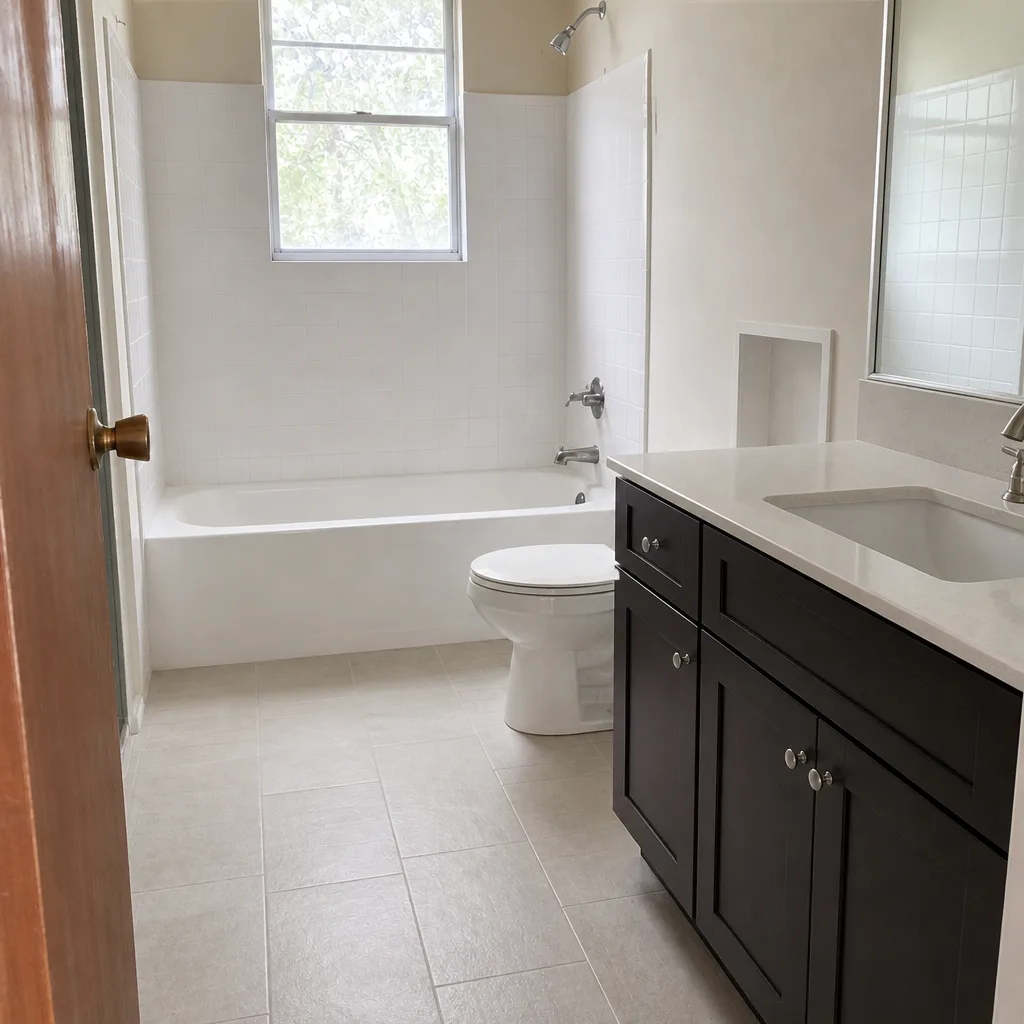 After
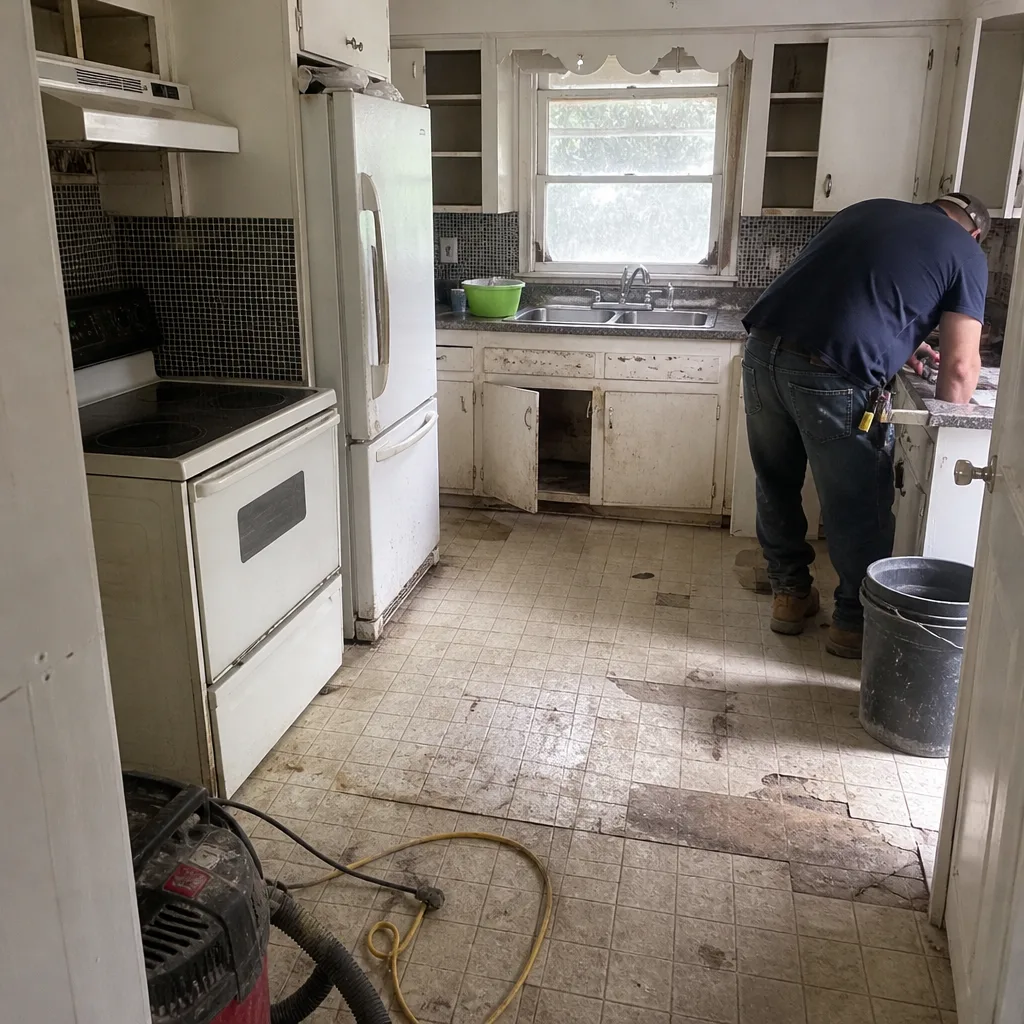 Before
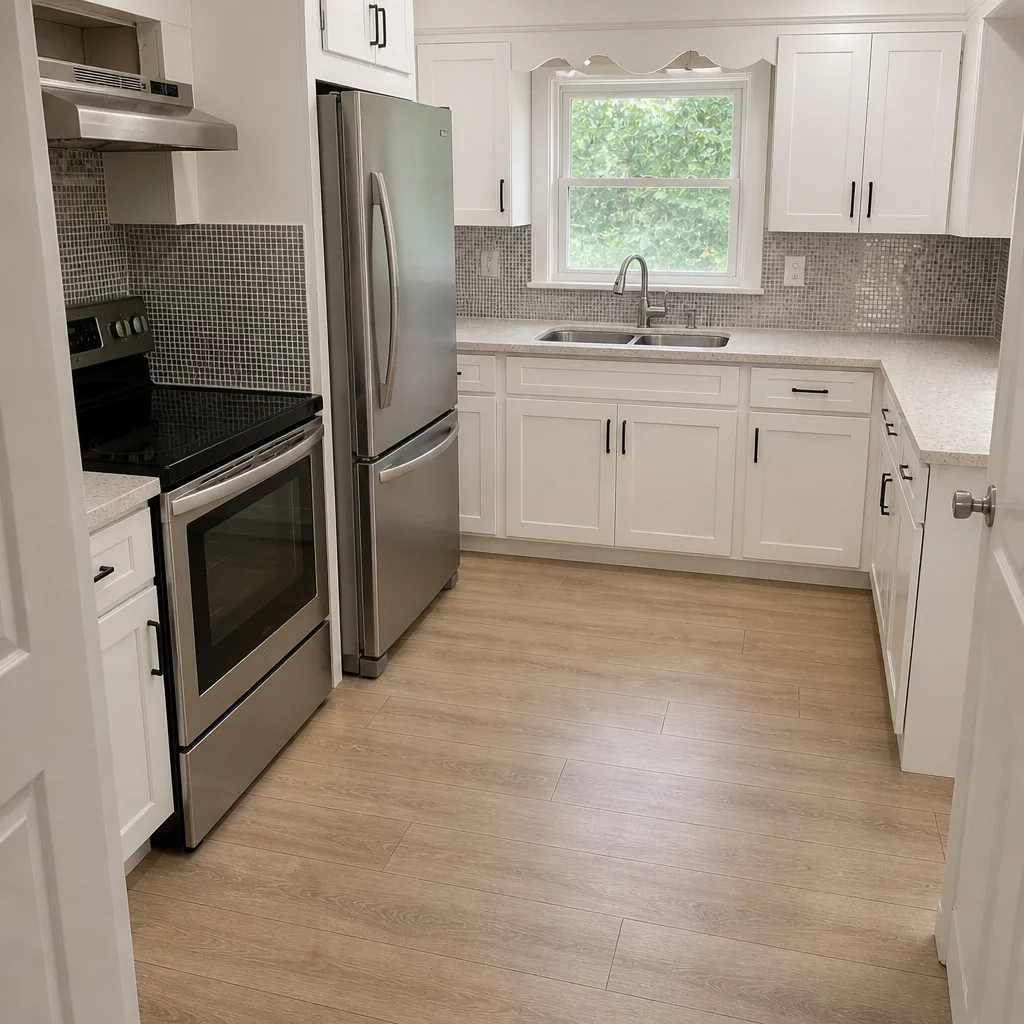 After
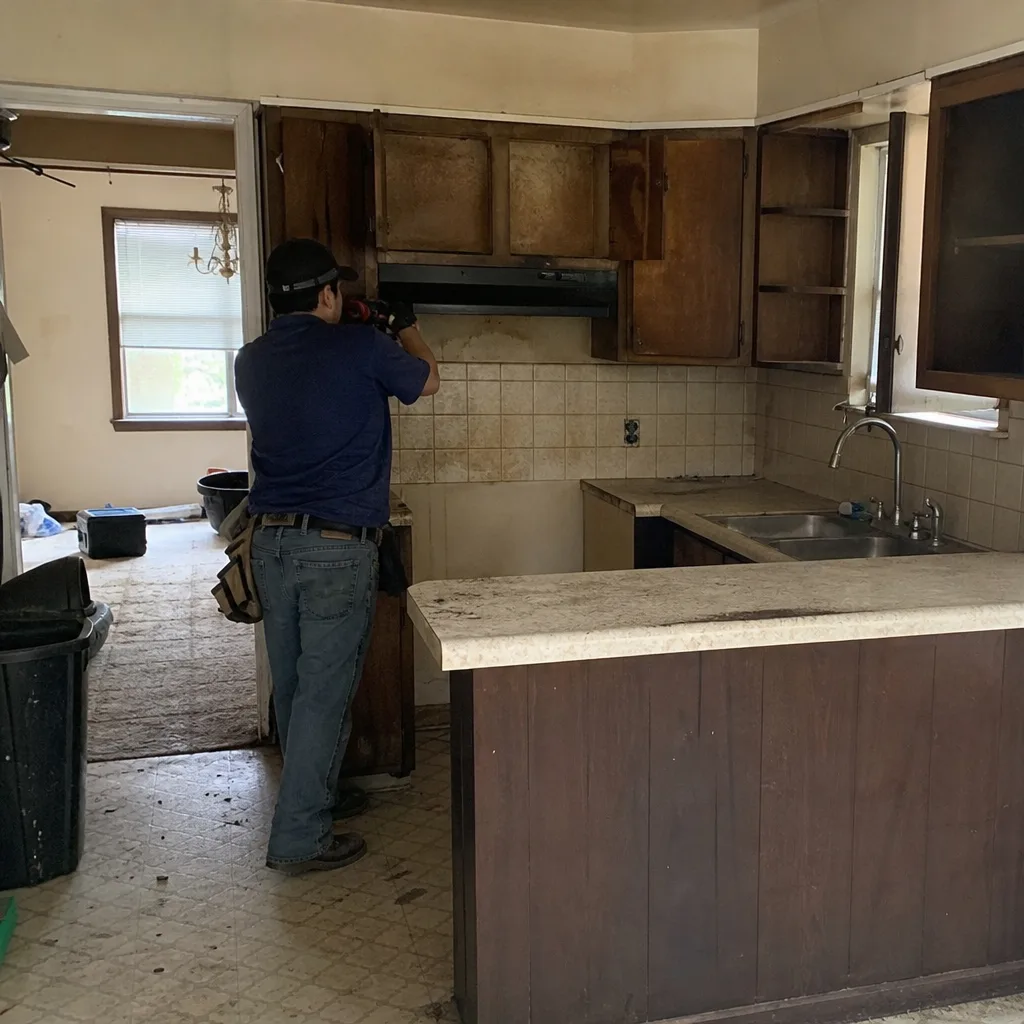 Before
 After
Attached vs Detached ADU in Arlington, TX: The Foundation Math That Decides It
For most Arlington lots, choose an attached ADU unless your rear setback leaves you at least 12 feet of clearance and you want a fully separate rental unit. A detached ADU needs its own foundation on the same shrink-swell clay that already moves the primary home’s piers, and that foundation work alone adds $10,000-$18,000 compared to an attached ADU that can share the existing pier-and-beam system after a leveling inspection. The decision isn’t really about taste. It’s about setback footage, foundation cost, and panel capacity. Call (844) 761-7521 to talk through your lot.
Arlington’s housing stock shapes this decision more than most comparison articles admit. The city’s single-story brick ranches and 1970s-80s tract homes sit on pier-and-beam foundations over clay that swells when it’s wet and shrinks hard in dry spells. An attached ADU inherits a foundation system already in place. A detached one has to build a new one from the soil report up. That single line item is what separates the two paths in dollars.
Key Takeaways
- Attached ADU: foundation tie-in runs $3,000-$7,000 after a leveling inspection.
- Detached ADU: new isolated slab or pier-and-beam runs $10,000-$18,000.
- Detached units rent for roughly $150-$250/month more in DFW, which takes years to repay the foundation and utility premium.
- Arlington’s accessory-structure setbacks decide feasibility before cost does.
What do Arlington’s setbacks actually allow?
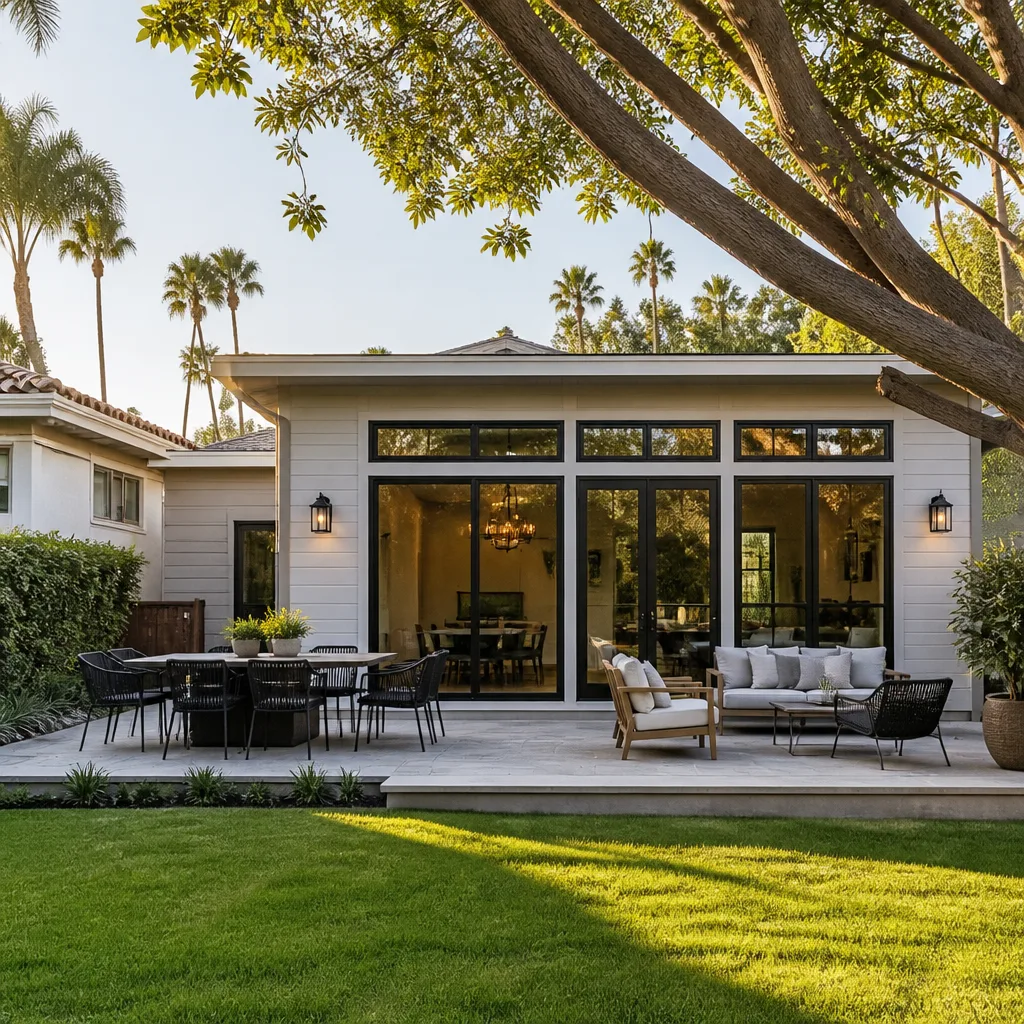
An attached ADU must meet the same setback as the primary structure addition, because it is legally part of the main house. A detached ADU is treated as an accessory structure and carries its own setback minimums. On a typical east-side lot in Arlington, the rear-yard clearance is the number that decides everything. Drive a tape across your back fence line before you fall in love with a floor plan.
For the primary structure, side setbacks on most Arlington single-family lots run in the neighborhood of 5 to 7.5 feet, with rear setbacks around 20 feet. Detached accessory structures usually need smaller minimums, but they cannot eat the required open space or crowd the main house. The practical result: many Arlington backyards have room for a detached unit on paper but not enough working clearance to build one without a variance. Attached ADUs dodge that problem because they extend the house you already have.
If your lot is tight, an attached design is the cleaner path. If your lot is deep and you want a tenant across the yard, a detached build is worth the cost. For a full walkthrough of what’s buildable in Arlington, see our Home Additions & ADU page.
How much more does a detached ADU cost in Arlington’s clay soil?
Roughly $7,000-$11,000 more on the foundation line alone, before utility work. A detached ADU in Arlington needs a new isolated foundation designed for the same clay that has been moving the main house since it was built. An attached ADU can tie into the existing pier-and-beam system after a leveling inspection confirms the piers are sound.
| Line item | Attached ADU | Detached ADU |
|---|---|---|
| Foundation | $3,000-$7,000 (tie-in after leveling) | $10,000-$18,000 (new slab or pier-and-beam) |
| Utility service | Panel upgrade, shared meter | Separate meter base, service entrance, Oncor transformer check |
| Electrical panel | Upgrade existing panel | Second meter point + panel |
| Typical total build | Lower of the two | $8,000-$20,000 higher overall |
On a pre-1980 home, that soil work drags a permit issue along with it. Arlington’s building department enforces a strict pre-permit inspection requirement for any work on pre-1980 homes, so material surprises show up early. Original cast-iron drains and galvanized supply lines turn up in the 76013 and 76014 ZIP codes often enough that we treat re-piping as a likely line item, not a maybe. An attached ADU’s shared utility trench is where that work is cheapest to absorb.
What does the utility math look like for each type?
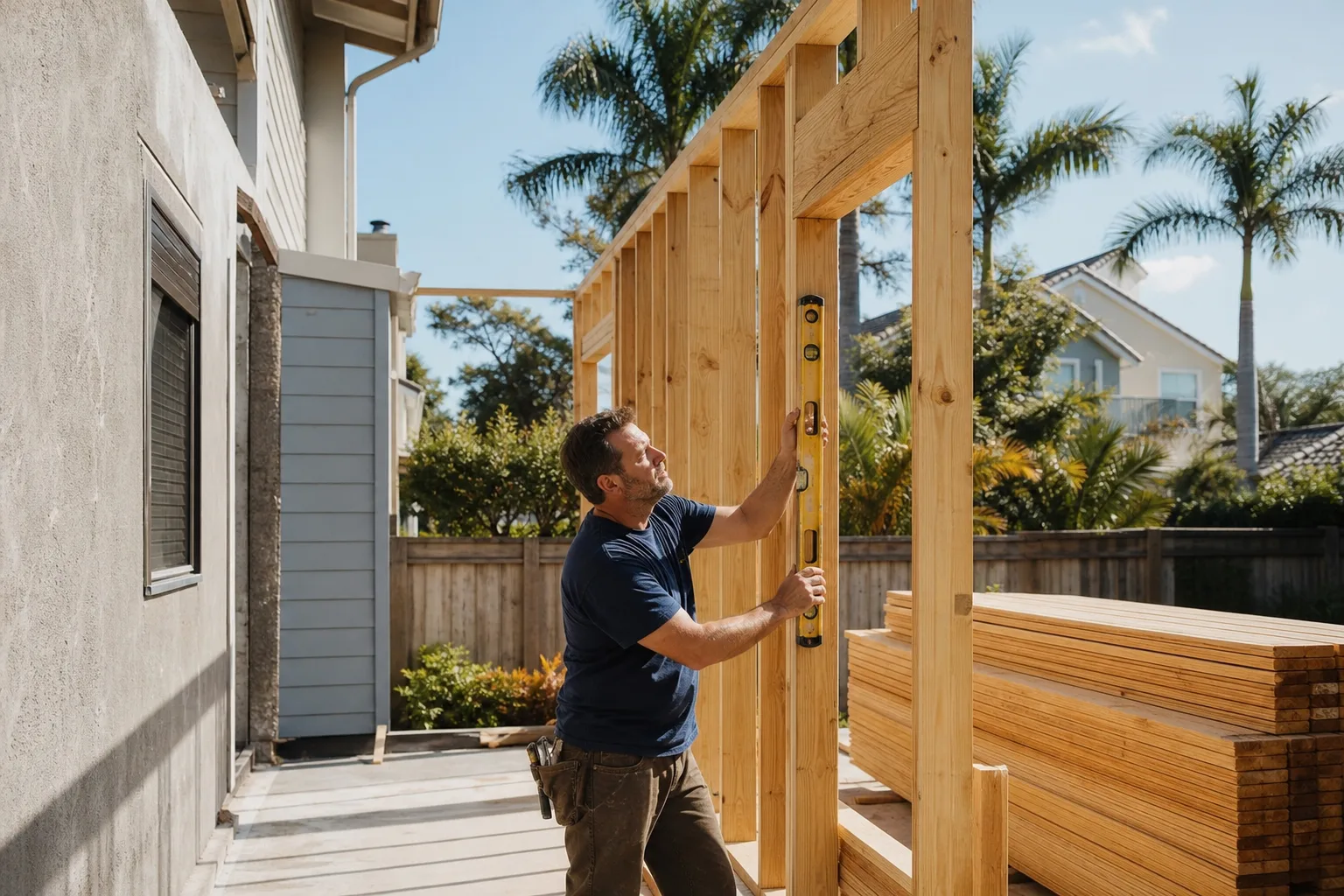
A detached ADU needs a separate electric meter base, a new service entrance, and in older Arlington neighborhoods a transformer capacity check with Oncor before the city will sign off. An attached ADU shares the main panel after an upgrade, which removes the second meter point entirely.
The panel question comes first in either case. Most Arlington homes from the 1960s through the 1980s have a 100-amp or 125-amp panel, and adding an ADU’s load means evaluating whether that panel can carry a second living unit’s appliances. A detached ADU compounds the problem: second meter, second service drop, second breaker panel, and a call to the utility to confirm the transformer on your block has the capacity. That sequence adds weeks and real dollars. An attached ADU needs a single panel upgrade and no new transformer conversation.
Ask any contractor which panel you have and whether the service entrance can carry the added load. If they can’t answer in one sentence, they haven’t looked. Rowan Construction Group Arlington writes the utility capacity review into the quote as a named line item, so the number you sign doesn’t move after the trench is open.
Does a detached ADU’s rental premium pay for itself in Arlington?
Not quickly. Detached ADUs command roughly $150-$250/month more in the DFW rental market than attached units, because a fully separate living space rents at a premium over one connected to the main house. Against an $8,000-$20,000 higher upfront cost, that premium takes 3 to 11 years to break even, depending on the final build cost and how the unit is finished.
The break-even math is simple enough to run on a napkin. Take the extra cost, divide by the monthly premium. At $10,000 extra and $200/month, that’s a little over four years before the detached unit starts working in your favor. If the extra cost climbs to $20,000, the break-even stretches toward eight-plus years. Choose detached if you plan to hold the property long term and want the privacy and rental separation. Choose attached if you want the income without the extended payback. Our Home Additions & ADU in Arlington guide covers the full planning sequence.
For finish materials, the same brand discipline applies either way: CGI and CWS cabinetry, ES Windows and ECO Window Systems for glazing. Naming the brand on the quote is how the written price stays honest.
How Rowan’s written quote handles both paths
Every quote we issue, whether for an attached or detached ADU, names the foundation assessment, the utility capacity review, and the permit-cost allowance as separate line items. We don’t bundle them into a contingency percentage that gets renegotiated after the slab is poured. Under Clause 1 of our Haven Standard, the price is written before anyone starts. No work proceeds on a change until the change order is signed.
Our technicians have up to 19 years of experience, and every visit includes a documented photo record, not an optional upgrade. The 365-Day Done Right Promise backs the finished work. If your plan sits near the fence line or the panel is close to its limit, bring us a competitor’s written estimate and we’ll review it line by line at no charge. Most of the attached-versus-detached question gets answered in that one conversation.
FAQs
Attached ADUs are consistently cheaper in Arlington because they avoid both the new isolated foundation ($10,000-$18,000) and the separate meter base, service entrance, and Oncor transformer check that a detached unit requires. The savings typically land between $8,000 and $20,000 on a comparable square footage. Call (844) 761-7521 for an exact figure on your lot.
Budget $90,000-$220,000 for ADU construction in Arlington, with attached builds clustering toward the lower end and detached builds toward the upper. The spread comes down to foundation design, utility service, and finish level. Call (844) 761-7521 for a written quote with named line items.
Yes. A detached ADU in Arlington typically requires its own meter base and service entrance, plus a transformer capacity check with Oncor in older neighborhoods. An attached ADU shares the main panel after an upgrade, provided the panel has the capacity. Call (844) 761-7521 to have us check your panel first.
Often yes, after a leveling inspection confirms the piers are sound and the tie-in is engineered for Arlington’s clay. If the existing pier-and-beam needs work, that cost gets added as a named line item, not folded into a contingency. Call (844) 761-7521 to schedule the assessment.
If you’d rather have it looked at, Rowan Construction Group Arlington offers a no-pressure assessment in Arlington – call (844) 761-7521. We’ll bring the tape, check the panel, and put the foundation and utility math in writing before anyone picks up a tool.
Written by the team at Rowan Construction Group Arlington, serving Arlington, TX.