
Last updated November 18, 2026

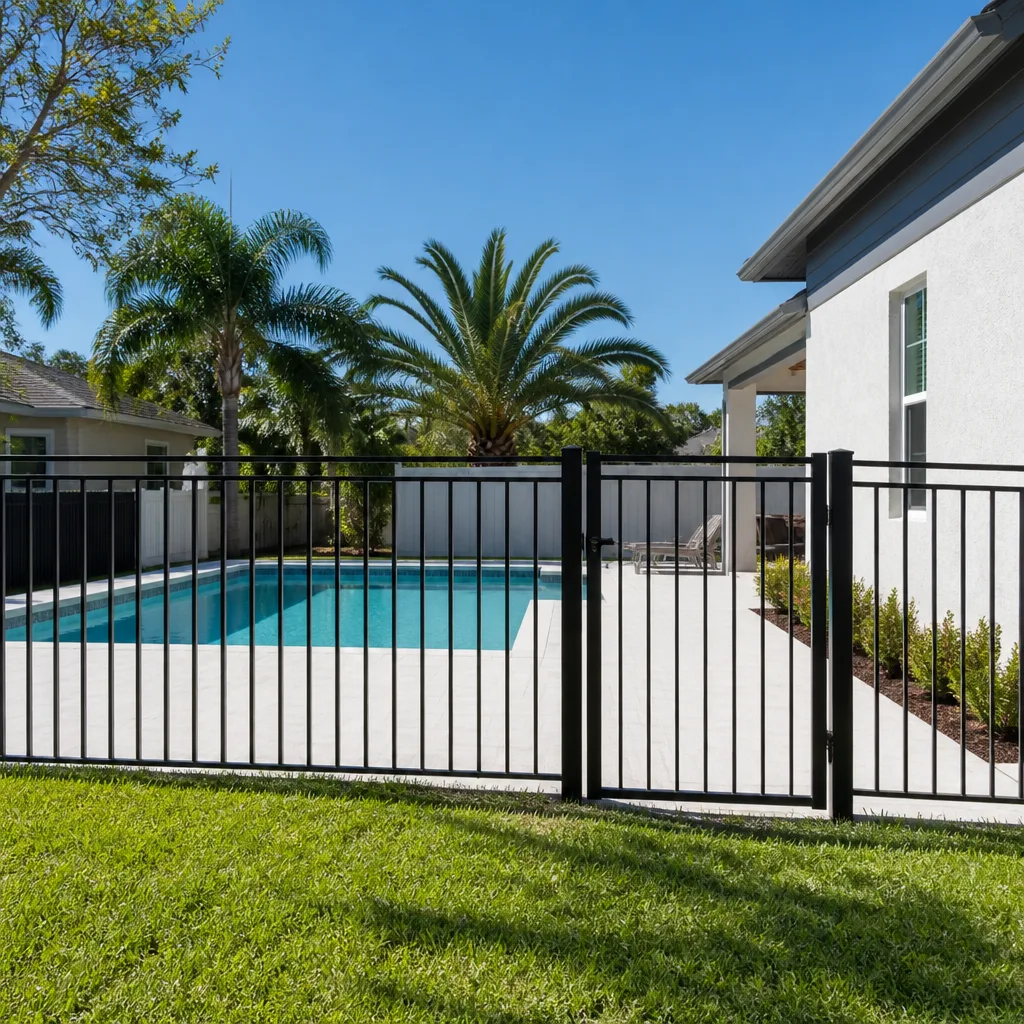






Free written scope consultation - allowances, timeline, and change-order rules on paper before a single trade is scheduled
Fence Installation Warning Signs Every Homeowner Should Know
Here’s the part most homeowners learn too late: the biggest risk in a fence project usually isn’t a bad panel or a crooked picket. It’s a missing document. In Arlington, a fence built without a pulled permit can be ordered removed at the property owner’s expense, not the contractor’s, because the city holds the owner responsible for unpermitted work. That single fact reshapes the whole conversation about red flags. In this guide, we’ll walk through the three pieces of paper you should request before anyone digs a hole in Arlington, the on-site signs that a crew is cutting corners, and the exact language to refuse when a builder tries to change the scope on a handshake.
Quick Answer
The clearest red flags in fence installation are a contractor who won’t show proof of a pulled permit, an 811 utility-locate confirmation, or a certificate of insurance before work begins; posts set too shallow in Arlington’s expansive clay soil; and any scope change handled verbally instead of on a signed change order. If a builder balks at producing those documents up front, that’s your signal to walk. A written, line-item price delivered before any work starts is the baseline, and it’s the single best predictor that the project will finish close to the number you agreed to.
Styles & brands we work with
- Kitchen remodeling
- Bathroom remodeling
- Home additions & ADU
- Roofing
- Windows & doors
- Driveway & pavers
- Fence
Table of Contents
- The Three Documents to Request Before Work Starts
- Why a Missing Arlington Permit Becomes Your Problem
- Post Depth and Concrete in Arlington’s Clay Soil
- What a Real Change Order Looks Like (and What to Refuse)
- On-Site Warning Signs During Installation
- The Final Walk-Through Checklist
- How to Vet a Fence Contractor in Arlington
The Three Documents to Request Before Work Starts
Most fence disputes we hear about trace back to a document that was never produced, not a material that failed. Before a single post goes in the ground on an Arlington property, you should be holding paper. Not a promise, not a text, not “we’ll get that to you.” Paper.
1. A signed contract with line-item pricing. The contract should break out the fence type, total linear feet, post spacing, gate count and hardware, and the price for each. A single lump sum with no breakdown makes it impossible to spot a padded line item or an inflated quote, and it gives the builder room to argue later about what was “included.” Under the Haven Standard we work to, a flat written price with a written scope is the whole point of the estimate, and it’s your reference document if anything changes.
2. Proof of the permit pull. Ask for the permit number and the inspection record. Arlington requires a permit for most residential fence work, and the city will not accept “the contractor said they’d handle it.” The permit is tied to the property, and so is the liability. See the next section for why this matters so much.
3. Proof of insurance and a current 811 confirmation. The certificate of insurance should name general liability coverage, and you want the 811 utility-locate confirmation number in hand before anyone digs. That number proves the builder called before excavating, which is how you avoid hitting a gas or fiber line and the bill that follows.
Add a background check on the crew if you can. Our technicians are background-checked and uniformed, and every visit ships with a documented photo record, because the alternative is trusting a stranger with a post-hole digger next to your water main.
Why a Missing Arlington Permit Becomes Your Problem
This is the fact that catches homeowners off guard. When unpermitted fence work is discovered in Arlington, the city’s enforcement action lands on the property owner, not the contractor who skipped the paperwork. The owner is the one who gets the notice, the owner pays for removal or retroactive permitting, and by the time it surfaces, the contractor may have moved on to the next job.
That’s why a contractor who suggests skipping the permit is not saving you money. They’re moving risk onto your side of the ledger. A few things to check:
- Is the permit actually pulled, or just talked about? Ask for the number. A builder who “handles the permit” without a number to show is telling you it was never filed.
- Does the fence meet Arlington’s height and setback rules? Front-yard and corner-lot fences have stricter limits than back-yard fences. A contractor who doesn’t know the difference hasn’t worked in Arlington enough to quote the job honestly.
- Will the job be inspected? A permitted fence gets a final inspection. That inspection is a free quality check on your project, and a builder who avoids it usually has a reason.
We’ve watched this play out in neighborhoods like Dalworthington Gardens and Pantego, where lot lines are tight and enforcement is sharp. When a fence goes up on a shared boundary without the paperwork in order, the dispute can involve two homeowners and one vanishing contractor. Pull the permit. Get the number.
Post Depth and Concrete in Arlington’s Clay Soil
Here’s where local knowledge shows. Arlington sits on expansive clay soil, the kind that swells when it’s wet and shrinks and cracks when the summer heat arrives. A post that’s set too shallow, or set in soil without enough concrete, will heave and lean within a season or two as that clay moves. The fence won’t fail all at once; it’ll lean a little, then a lot, and by the time you notice, the post is loose and the repair is your cost.
The fix is depth and mix. For a standard privacy fence, posts should sit in a hole roughly 24 to 30 inches deep in ordinary soil, deeper where the clay is heavy, and each hole should be filled with a concrete mix that’s actually mixed to spec. Here’s what to watch for as you look over the work:
- Post depth before the concrete cures. This is your one window to check. Once the concrete sets, you can’t see how deep the post went. If the crew is setting posts by eye and not measuring, ask them to show you a tape on the next hole.
- Pre-mixed bag concrete versus mixed-to-spec. Bag mix is convenient, but if it’s poured dry or shorted on water, the post won’t hold. A crew that mixes to the manufacturer’s ratio is a crew that reads the spec sheet.
- Post spacing wider than 8 feet. For a privacy fence, posts spaced wider than 8 feet leave the panels sagging and the rails bowed. Eight feet on center or tighter is standard; 6 feet is common on taller fences in our area.
- Rails attached before posts cure. Rails and pickets should go up only after the concrete has had time to set. A crew that hangs a gate the same day the post was poured is racing the clock, and the gate will show it.
If you’re also reworking the drive up to that new fence, the same material knowledge applies to Driveway & Pavers in Arlington, where proper base depth matters as much as it does on a fence line.
What a Real Change Order Looks Like (and What to Refuse)
Scope changes happen on fence jobs. A gate gets moved, a post needs to be reset around a tree root, a section of fence has to be re-routed around a buried line. What separates a professional from a problem is how the change gets recorded. A change order is a written amendment that names the change, the price, and the schedule impact, and it gets signed before the crew lifts a tool. A verbal “we’ll work it out” is a conversation, not a contract, and by the time the invoice arrives, it’s your word against theirs.
Refuse language like:
- “We’ll sort the extra out at the end.”
- “Just pay the difference when we’re done.”
- “It’s a small change, don’t worry about signing anything.”
- “The price is the price, we’ll adjust it if we have to.”
What a legitimate change order includes, in writing: the specific change (e.g., “relocate gate from north corner to south corner, add 3 feet of panel”), the dollar amount, the effect on the completion date, and a signature line for both parties. The discipline behind this is Clause 1 in action: no work proceeds on a change until the change order is signed, and that discipline is why projects finish within a few percent of the number the customer agreed to rather than a surprise at the end. On a 4,000-plus job history, that habit is the difference between a quote and a final bill.
On-Site Warning Signs During Installation
You don’t need to hover over the crew to spot trouble. A few look-see checks during the job tell you a lot about how the fence is being built. Walk out at lunch and look at what’s on the ground.
- Bag concrete piled by the hole and never mixed. Dry pour is fast and wrong. The mix has to be combined with the right amount of water to reach strength. If the bags are being dumped and walked away from, ask.
- Post spacing measured by eye. Watch for a tape measure. Eight feet on center is the ceiling for a privacy fence; fewer feet means a stronger fence.
- Stretcher or string line absent. A crew that sets posts without a string line is building a fence that wanders. Ask how they’re checking the line.
- Hardware grade ignored. Exterior fence hardware in Arlington should be hot-dipped galvanized or stainless, not zinc-plated screws that rust in a season.
- Rails and pickets hung on the same day as the posts. Concrete needs its cure time. A fence built in a hurry is a fence that sags.
- Gate hardware undersized. The gate is the first thing to fail. Under-built hinges and latches on a 5-foot gate are a guarantee of an early callback.
If the crew is installing a fence along a shared line, they should also be checking the boundary before the first post goes in. Getting that wrong is expensive to unwind. For related work on the property, our Fence Installation in Arlington page covers materials and layout, and the Home Additions & ADU in Arlington page explains how a fence line often shifts when a property adds a structure.
The Final Walk-Through Checklist
The walk-through is your last chance to catch defects before the crew packs up. Do it with a tape measure and a level in hand, and walk the fence the way an inspector would.
- Gate swing clearance. The gate should swing freely through its full arc with at least an inch of clearance at the bottom. Rub a level against the gate post to check for plumb.
- Post plumb tolerance. Standards vary, but a post leaning more than about 1 inch out of plumb over its height is out of tolerance and should be reset before the concrete cures. Once it sets, resetting means digging it out.
- Picket gap consistency. Walk the run and sight down the line. Gaps between pickets should be uniform; if one section looks tighter than the next, the posts have shifted.
- Hardware grade. Check that the fasteners are galvanized or stainless. Run a magnet over them if you want to know whether the crewer used the right grade; zinc-plated screws look right but rust first.
- Photo record. Ask for photos of the post depth before the concrete was poured. A documented record on every visit is standard on our jobs, and it’s the only proof you’ll have that the posts went deep enough.
- Written warranty. Get the warranty in writing before the final invoice is paid. A 365-day promise means something only if it’s printed and backed by terms.
How to Vet a Fence Contractor in Arlington
Vetting is a short list of questions with binary answers. You want to hear yes to every one, with a document to back it. Start with the permit. Ask for the number, then verify it with the city before the crew arrives. Ask for the certificate of insurance and read the coverage dates. Ask for the 811 confirmation number. Ask to see a written, line-item estimate before you sign anything, and don’t accept “call for a quote” as an answer, because a written price before any work starts is the baseline, not a favor.
Then check the crew. Background-checked and uniformed technicians are the standard, and a live person answering calls 24/7 means you can reach someone if a post starts leaning six weeks after the job. The final question is the one most homeowners forget: ask whether you’ll receive a written record of what was found and what was done. A documented photo record on every visit is a quality control tool, not an upgrade, and a contractor who can show you one has nothing to hide.
If you already have a written estimate from another contractor and you’re not sure about a line item, we’ll review it line by line at no charge as a free second opinion. A written quote should be able to survive a second pair of eyes.
Common Mistakes to Avoid
- Paying a deposit before the permit is pulled. In Arlington, hand over money only after you have the permit number in hand and the written scope in the file. Otherwise you’re funding a project that may not comply.
- Accepting a lump-sum quote. A quote with no line items lets the builder pad the total and shift scope later. Ask for the breakdown before you compare two bids.
- Letting the concrete pour before you check post depth. Once it cures, the depth is invisible and the risk is yours. Check the tape on the first hole, then spot-check.
- Signing a change order after the work is done. The signature has to come first. A change order signed afterward is a bill, not an approval.
- Skipping the final walk-through. A fence can look fine at ten feet and fail at the gate. Walk the line with a level and a tape, and don’t pay the balance until you have.
- Ignoring clay-soil movement in the design. Arlington’s clay moves with the seasons. A fence built without deeper post footings and proper concrete is a fence you’ll be resetting within two or three summers.
- Hiring on price alone. The low bid is usually low because something is missing: the permit, the insurance, the concrete depth, or the warranty. Compare line items, not totals.
See the difference
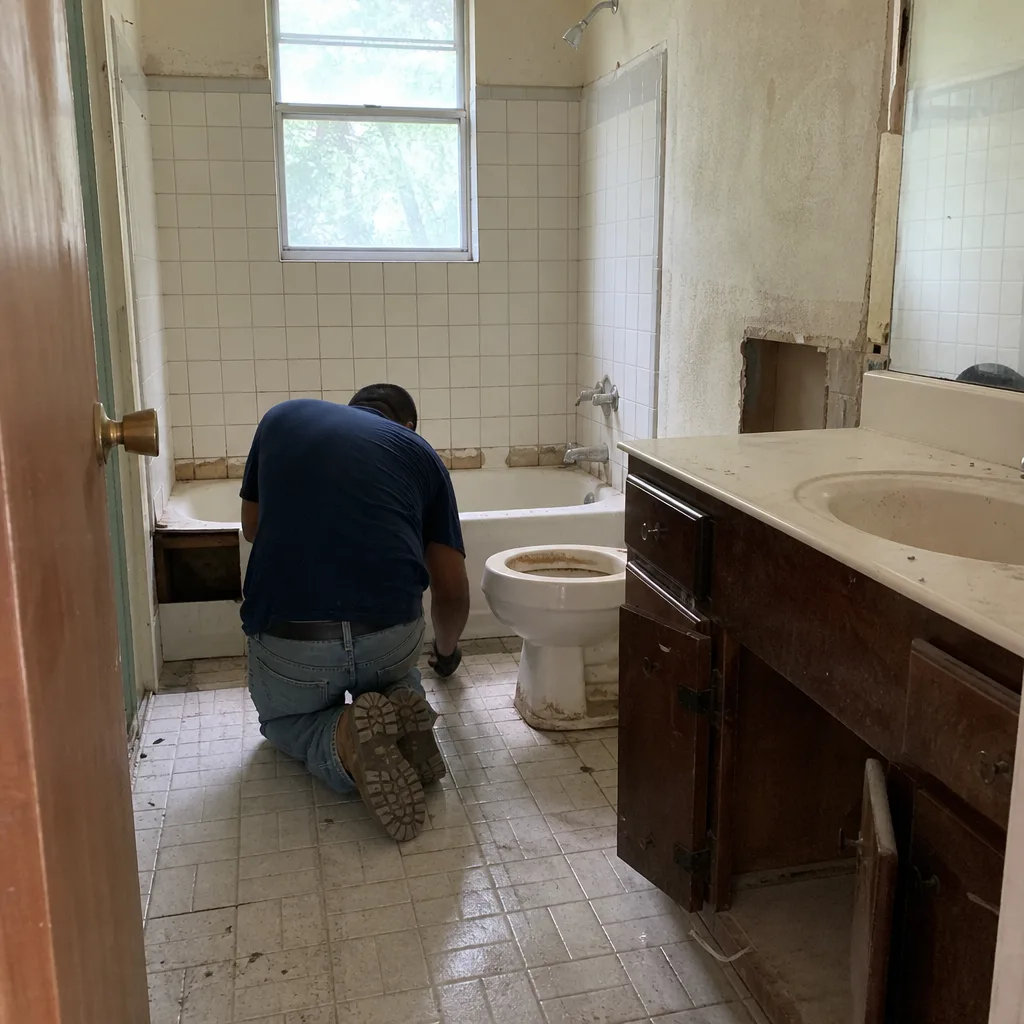 Before
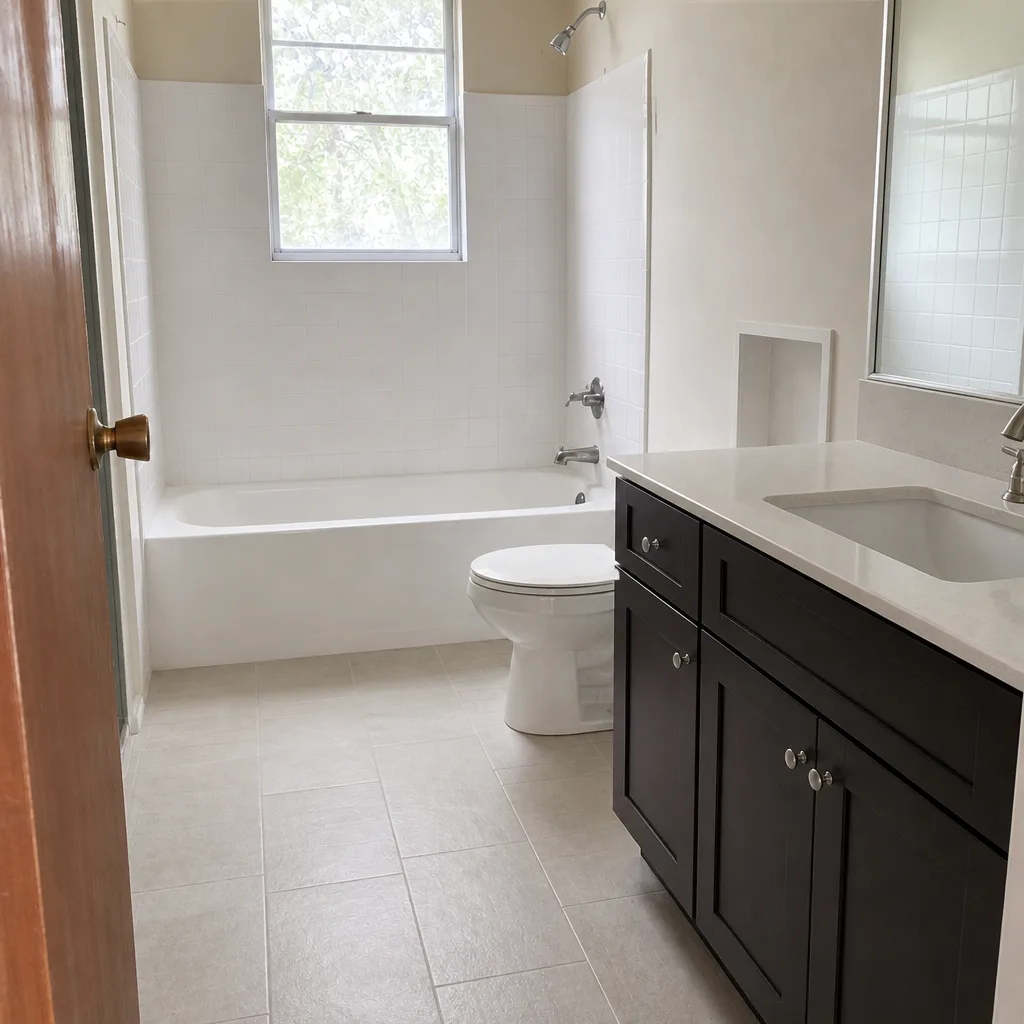 After
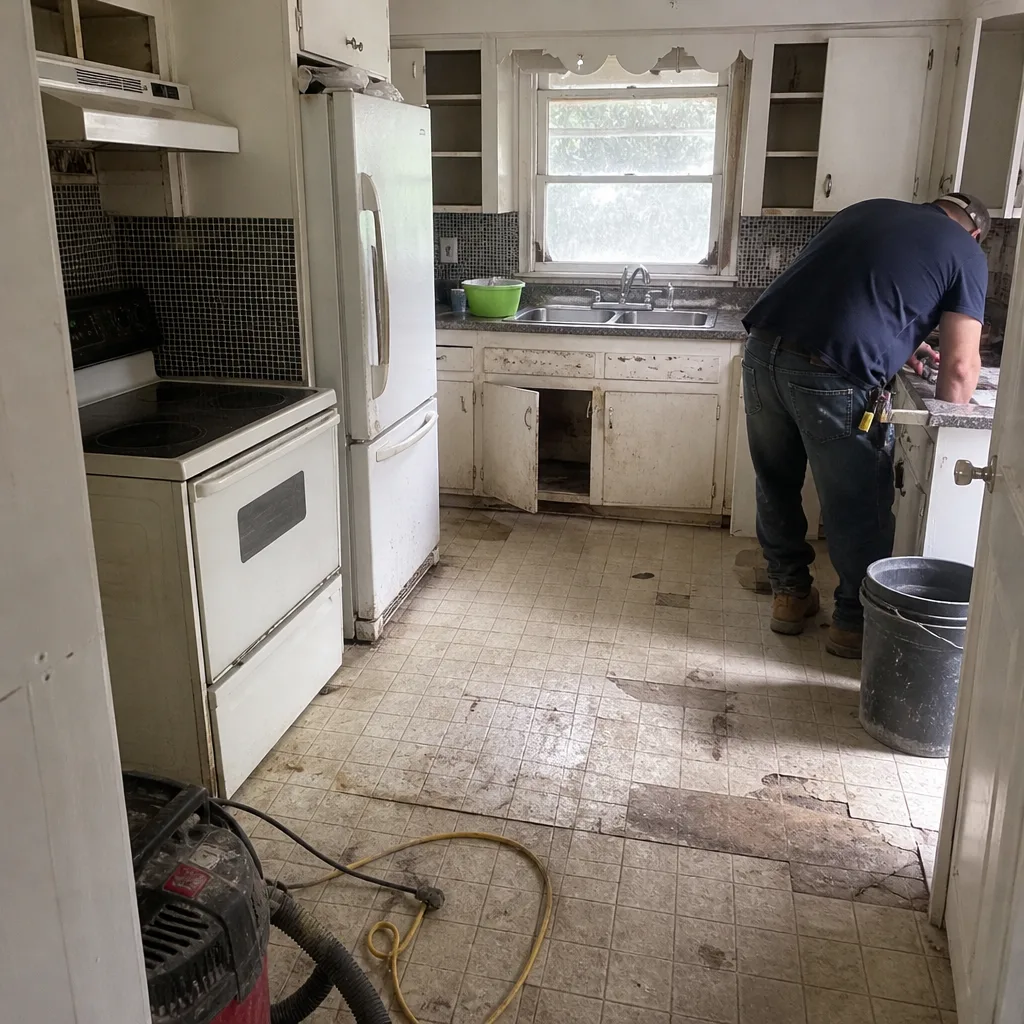 Before
 After
 Before
 After
When to Call a Professional
Some fence problems are DIY-friendly, like a loose hinge or a single leaning picket. Others are not. Call a professional when the post is buried in clay and needs to be reset, when the permit situation is unclear and the city is involved, when a gate won’t swing because the post has shifted, or when a fence line has to be re-routed around a buried utility. Those jobs involve excavation near gas and fiber lines, and getting the depth, concrete, and paperwork right the first time is cheaper than fixing it after an inspection. Rowan Construction Group Arlington offers free estimates in Arlington, and a written price before any work starts is standard on every job. Call (844) 761-7521 to schedule yours, and bring any written estimate you already have. We’ll review it line by line at no charge.
Frequently Asked Questions

The biggest red flags are a contractor who won’t show a pulled permit number, won’t provide a certificate of insurance, or won’t give you a written line-item estimate before work starts. Any of those three missing is a reason to keep interviewing, because each one shifts risk onto you. Arlington holds the property owner responsible for unpermitted work, so the permit check is not optional.
Yes, most residential fence installations in Arlington require a permit, and the contractor should pull it and give you the number before work begins. Height and setback limits vary by yard position, especially on corner lots. Verify the permit with the city yourself before the crew arrives, and never let a contractor talk you out of pulling one.
Fence posts in Arlington should be set roughly 24 to 30 inches deep, deeper where the clay is heavy, and each hole should be filled with concrete mixed to spec rather than poured dry. Arlington’s expansive clay swells and shrinks with the seasons, so depth and a proper mix are what keep a post from heaving. Check depth before the concrete cures, because after that you can’t see it.
A legitimate change order names the specific change, the dollar amount, and any effect on the completion date, and it’s signed by both parties before work proceeds. Refuse anything verbal, including “we’ll sort it out at the end.” A written change order signed before the work starts is the only version that protects you when the invoice arrives.
Fence installation in Arlington typically runs in the range of $25 to $45 per linear foot for a standard wood privacy fence, with vinyl and ornamental metal running higher. The exact number depends on height, gate count, hardware grade, and site conditions. Call (844) 761-7521 for an exact quote; estimates are free, and you’ll get the price in writing before any work begins.
No, not without a signed change order. Under our standard, the price is written before anyone starts, and no work proceeds on a change until the change order is signed. If a builder can’t explain how changes are priced and approved in writing, that’s the answer you needed before you hired them. Ask the question before you sign, not after.
The Bottom Line
The three documents that prevent most fence disputes in Arlington are a signed contract with line-item pricing, proof of a pulled permit, and a certificate of insurance plus an 811 confirmation. Get those in hand before a post is dug, and you’ve already filtered out most of the common failure modes. Then watch the job: post depth before the concrete cures, spacing at 8 feet or tighter, rails waiting for the posts to set, and hardware that’s galvanized or stainless. Finish with a walk-through that checks gate swing, plumb, picket gaps, and the written warranty. If you want the whole process documented from the first estimate to the final photo record, start with Rowan Construction Group Arlington home and call (844) 761-7521 for a free estimate.
Written by the team at Rowan Construction Group Arlington.