Last updated November 18, 2026


Free written scope consultation - allowances, timeline, and change-order rules on paper before a single trade is scheduled
The Complete Fence Installation Guide for Arlington Homeowners
Here’s the part almost no fence contractor mentions in the sales pitch: in Arlington, the hardest work often happens before a single post goes in the ground. The City of Arlington requires a permit for most residential fences over 6 feet, and building on a shared property line without a signed neighbor agreement can create a boundary dispute that title companies flag when you sell. We’ve watched homeowners spend thousands on a beautiful cedar privacy fence only to discover their HOA restricts the height, or that a corner-lot setback pushes the line back two feet. This guide covers the Arlington Development Code rules, real 2024 installed pricing, clay-soil post depth, and the neighbor-agreement paperwork that protects your resale. Read it before you sign anything.
Quick Answer
A typical residential fence installation in Arlington runs $28 to $55 per linear foot installed for wood, and $40 to $75 per linear foot for vinyl or aluminum, with post concrete and hardware included. Most Arlington fences over 6 feet require a city permit, and any fence on a property line needs a written neighbor agreement to avoid resale complications. Expect 2 to 4 days of install time for a standard 150-foot backyard fence, plus 1 to 3 weeks for permit review.
Styles & brands we work with
- Kitchen remodeling
- Bathroom remodeling
- Home additions & ADU
- Roofing
- Windows & doors
- Driveway & pavers
- Fence
Table of Contents
- What Does the Arlington Development Code Require for Fences?
- Cedar vs. Vinyl vs. Aluminum: Material Costs Per Linear Foot
- Shared Fence Lines: The Neighbor Agreement That Protects Your Resale
- Post Depth and Concrete for Arlington’s Clay Soil and Wind
- Reading Your HOA Fence Restriction Clause Before You Build
- How to Pull a Fence Permit in Arlington: Step by Step
- How Long Does Fence Installation Take in Arlington?
- What Changes Your Fence Quote: 6 Cost Drivers
What Does the Arlington Development Code Require for Fences?
The short answer: height limits depend on your zoning district and where the fence sits on your lot, and corner lots carry extra setback rules most homeowners never hear about. In Arlington’s standard single-family residential districts, backyard fences can typically go up to 8 feet, front-yard fences are generally capped around 4 feet in the front setback, and side-yard fences sit somewhere between. A fence in the front setback of a corner lot must stay clear of the sight triangle at the intersection so drivers can see cross traffic. That rule alone catches people off guard.
Before you buy lumber, check three things on the City of Arlington’s zoning map for your address:
- Zoning district – R-1, R-2, and planned-development districts each carry their own height caps. A planned development (PD) often has custom standards layered on top.
- Setback from the sidewalk and street – front and corner-side fences need to sit behind the required setback line, not on it.
- Permit threshold – most fences over 6 feet require a permit; some districts trigger it lower. Fences 6 feet and under in a rear yard frequently don’t, but confirm for your address before you build.
Here’s the practical advice: pull the zoning classification first, then design the fence to fit inside those limits. Doing it the other way around means either a shorter fence than you wanted or a variance application that adds weeks. We’ve seen this play out repeatedly in neighborhoods like Dalworthington Gardens and along the older streets near Arlington Heights, where lot lines and setbacks don’t always match the plat map.
Cedar vs. Vinyl vs. Aluminum: Material Costs Per Linear Foot
Material choice drives most of your budget, and the gaps are wider than most homeowners expect. Here’s what 2024 installed pricing looks like in the Arlington market, including posts, concrete, hardware, and labor:
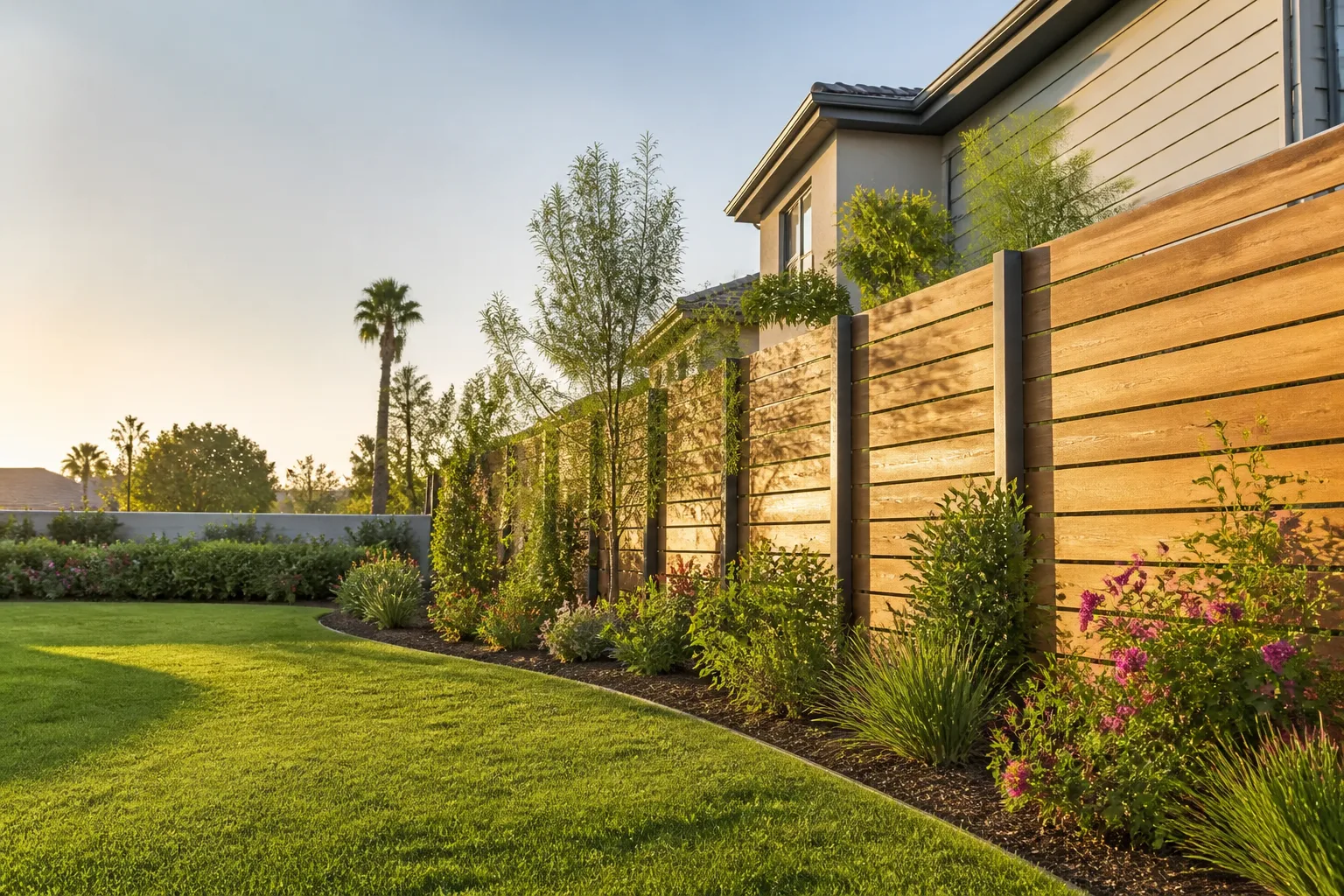
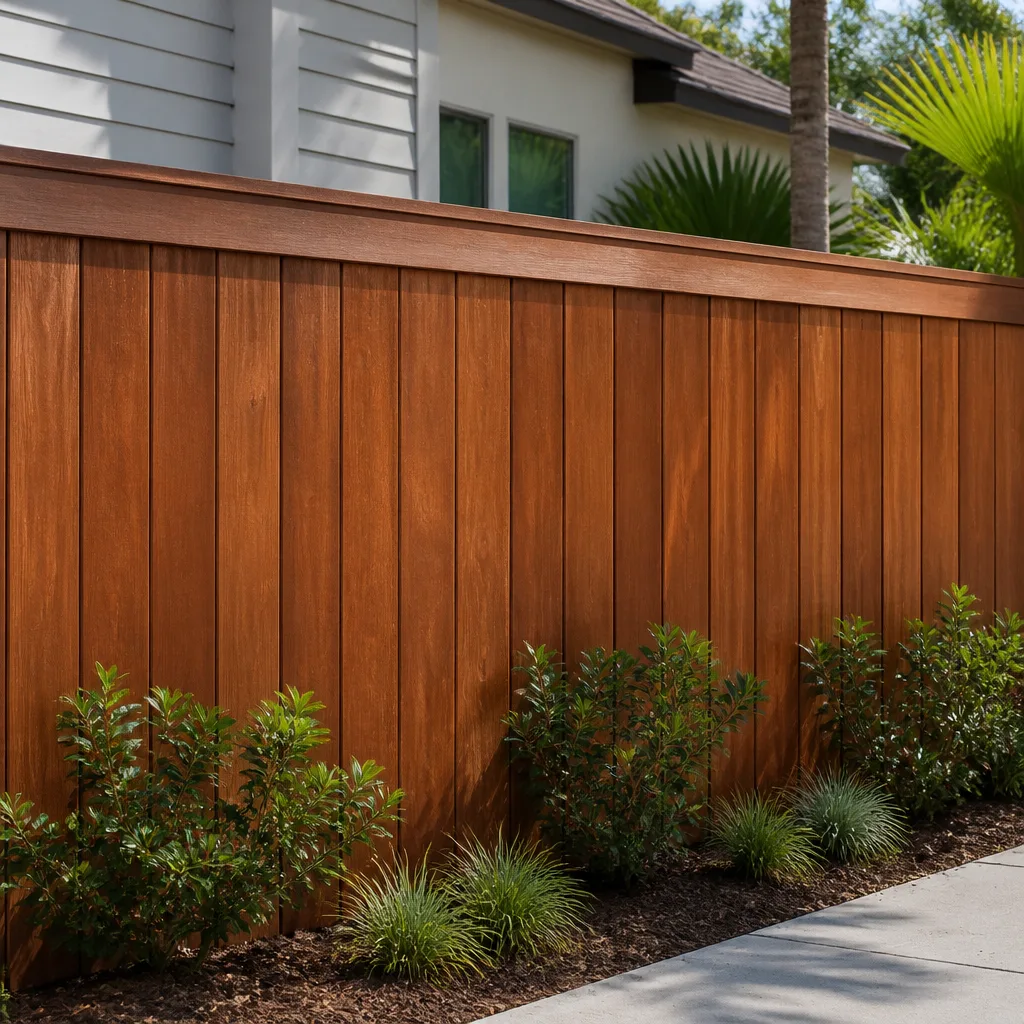
- Cedar privacy fence (dog-ear or flat-top): $32-$45 per linear foot. The Arlington favorite for good reason – it handles North Texas heat, looks right against brick, and can be stained to match your house.
- Board-on-board cedar: $38-$52 per linear foot. The overlapping pickets close the gaps a standard privacy fence leaves, which matters on windy lots and for privacy from two-story neighbors.
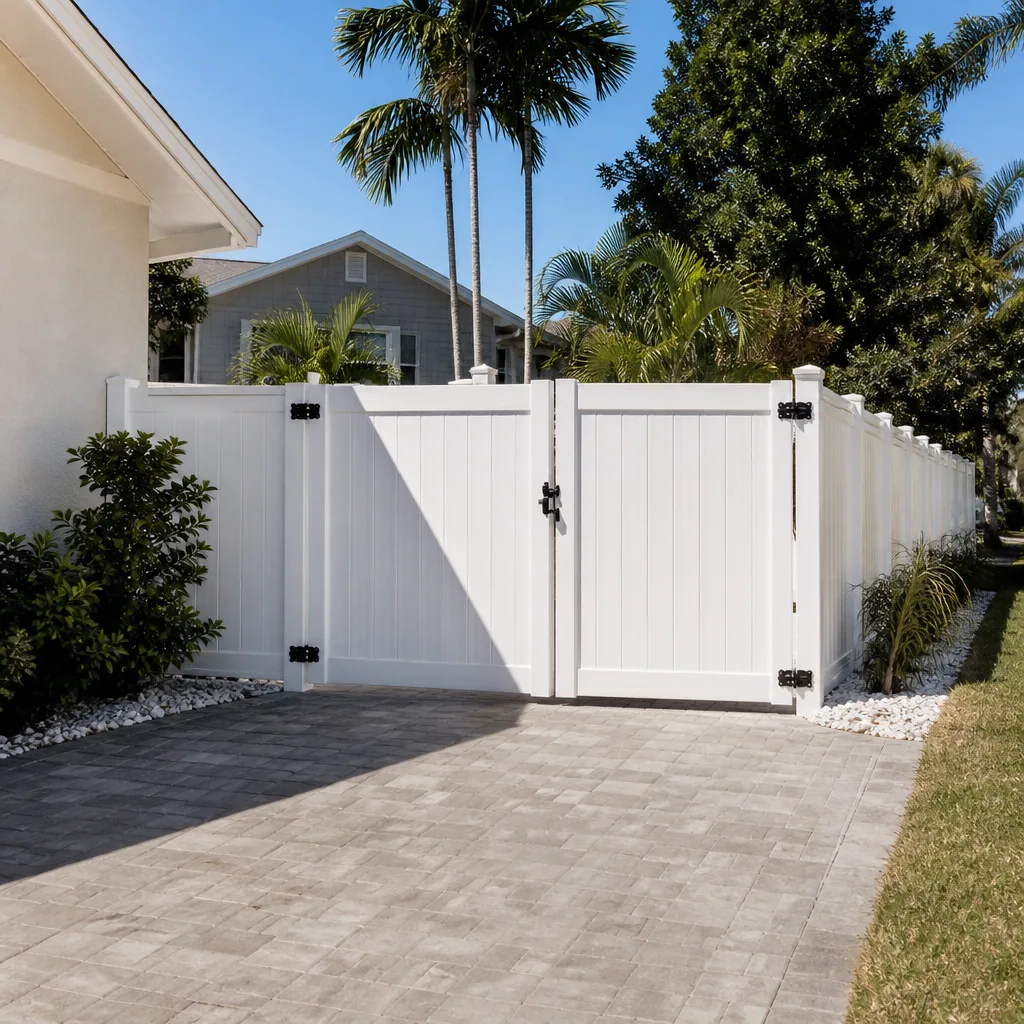
- Vinyl (PVC) privacy fence: $42-$60 per linear foot. No painting, no rot, but it expands and contracts in Arlington’s summer heat and can get brittle in a hard freeze.
- Aluminum ornamental: $45-$70 per linear foot. Best for front yards and pool enclosures where you want visibility and a defined property line.
- Chain-link: $18-$30 per linear foot. Functional and cheap, but most HOAs in Arlington’s newer subdivisions don’t allow it in front yards.
A 150-foot backyard fence in cedar lands around $4,800 to $6,750 installed. The same run in board-on-board cedar is closer to $5,700 to $7,800. Vinyl pushes past $6,300. Get three written quotes on the same linear footage and the same material spec, or you’re comparing apples to fence posts. When we quote a fence, the price is written with a line-item breakdown before any work starts – that’s Clause 1 of The Haven Standard, and it’s why our projects finish within a few percent of the agreed number.
Shared Fence Lines: The Neighbor Agreement That Protects Your Resale
Here’s a fact that surprises most homeowners: Texas law doesn’t require your neighbor to share the cost of a fence on the property line, and if you build on the line without a written agreement, a title company can flag it years later when you sell. The dispute isn’t about the fence itself – it’s about who owns it, who maintains it, and whether the boundary is where everyone thinks it is.
A written neighbor agreement for a shared fence line should contain, at minimum:
- The exact boundary description – from your plat or a survey, not “the line between our yards.”
- Who owns the fence – the fence, the posts, and the side facing which yard.
- Cost sharing – who paid what, or the agreed split if costs are shared.
- Maintenance responsibility – who repairs, who stains, who replaces, and how a future repair cost is split.
- Removal and replacement terms – what happens if one party sells or wants the fence gone.
- Signatures and date – both parties, notarized if you want extra protection.
Have both neighbors sign before the first post goes in. Keep a copy with your home documents and attach it to your disclosure packet when you sell. We’ve seen Arlington homeowners clear a title issue in a single afternoon because they had a signed agreement from a decade earlier, and we’ve seen others spend weeks untangling a fence that straddled a line nobody documented. The paperwork is cheap insurance.
Post Depth and Concrete for Arlington’s Clay Soil and Wind
The textbook rule of thumb is to bury a fence post one-third of its total height – so a 6-foot post goes 2 feet down. In Arlington, that rule needs adjustment. Two local facts change the math: our black clay soil expands in wet weather and shrinks in drought, and the region gets its share of high-wind events. A post set too shallow will heave, lean, or pull loose within a season or two.
What we recommend for Arlington fences:
- Set 4×4 posts 42 inches deep for an 8-foot finished height, not 24 to 30 inches.
- Use 60-lb bags of Quikrete per post, mixed to the bag spec, not dumped dry into the hole.
- Set posts on a gravel base to allow drainage and prevent the clay from gripping the post bottom.
- Space posts no more than 8 feet apart and add a top rail on windy lots.
Cost per post runs about $8 to $12 in concrete alone, plus the gravel and labor – call it $15 to $25 per post all-in. On a 150-foot fence with posts every 8 feet, that’s roughly 19 posts, so $285 to $475 for the foundation work. It’s the least glamorous line on the quote and the one that determines whether your fence is still plumb in year ten. When we install a fence, the post depth is written into the scope and confirmed on the documented photo record you receive at the end of every visit.
Reading Your HOA Fence Restriction Clause Before You Build
Your homeowner’s association has its own fence rules, and they often go beyond what the City of Arlington allows – sometimes tighter, sometimes with material mandates the city doesn’t care about. Read the declaration and the architectural guidelines together, and look for these five clauses:
- Height limit – often 6 feet in rear yards, 4 feet in front, regardless of city code.
- Material restrictions – many Arlington HOAs prohibit chain-link and require cedar, vinyl, or masonry.
- Color and finish – “natural wood tone” and “HOA-approved stain palette” are common.
- Visibility requirements – “not visible from the street” is a frequent phrase; find out what counts.
- Variance process – the forms, timelines, and architectural review board meeting dates.
If you want something outside the rules – a taller fence, a different material – you’ll need a variance. Prepare a written request with a site plan showing the fence location, a photo or sample of the material, the reason for the request (privacy from a two-story neighbor, noise buffer, pet containment), and a neighbor-acknowledgement section. Submit it well before you order materials. A variance that comes back denied after you’ve bought lumber is an expensive lesson. We’ve helped homeowners put together the packet more than once, and the ones who lead with a site plan and a clear reason get approved far more often than the ones who submit a one-line email.
How to Pull a Fence Permit in Arlington: Step by Step
Most fences over 6 feet in Arlington require a permit, and the process is more paperwork than most homeowners anticipate. Here’s the sequence that keeps your project on schedule:
- Confirm your zoning district and the fence height limit for your address on the City of Arlington zoning map.
- Get a plat or survey showing your property lines, especially if the fence touches a shared line or a corner-lot setback.
- Draw a site plan – a simple sketch of the fence run, height, material, and distance from the property line and any structures.
- Submit the permit application to the city’s development services office with the site plan and plat attached.
- Pay the permit fee and schedule the inspection the city requires, typically after posts are set and before pickets go up.
- Pass the inspection and keep the permit and final sign-off with your home documents.
Review timelines vary, but plan on 1 to 3 weeks in Arlington depending on the season and the backlog. Some fences – short rear-yard runs, certain replacement work – don’t need a permit, so verify before you assume. Pulling the permit is not optional, and it’s a detail that shows up in a title search if it’s missing. When we install a fence, permits are pulled and inspections passed as part of the job, so you’re not the one chasing the city.
How Long Does Fence Installation Take in Arlington?
A standard 150-foot backyard fence in Arlington takes 2 to 4 days of active installation once materials are on site and the permit is approved. The full calendar from signed quote to finished fence runs 2 to 4 weeks, with the bulk of that time spent on permit review and material lead time.
Here’s how the days typically break down:
- Day 1: Layout, hole digging, and post setting. The crew sets posts in concrete and checks plumb.
- Day 2: Post cure and inspection. Pickets often go up after the concrete has set enough to hold.
- Day 3 to 4: Pickets, rails, gates, and finish work. Staining or sealing, if included, adds a day.
Weather can push the schedule: heavy rain softens the clay and delays digging, and high wind makes picket installation unsafe. A crew that tells you a 150-foot fence is a one-day job is either skipping post concrete, using an unusually large crew, or cutting corners. Ask for the day-by-day schedule in the quote. Each visit ends with a documented photo record of what was done and the condition of the posts, so you know exactly what happened even when you’re not home.
What Changes Your Fence Quote: 6 Cost Drivers
Two quotes for “a 150-foot privacy fence” can differ by thousands. These are the variables that move the price, and they’re the ones to compare line by line:
- Material and finish: Cedar runs less than vinyl; board-on-board runs more than standard; a stain and seal adds $2 to $4 per linear foot.
- Post depth and foundation: Deeper posts with 60-lb concrete bags raise the cost but keep the fence standing. Shallow posts are cheaper and fail sooner.
- Remove and haul the old fence: $3 to $6 per linear foot, including dumpster fees.
- Gates: A standard walk gate adds $300 to $600; a double-drive gate runs $700 to $1,400.
- Terrain and access: Sloped lots, tight side yards, and trees in the run add labor and time.
- Permits and inspections: Budget $75 to $250 for the permit fee depending on the run and the city’s schedule.
Ask each contractor to quote the same spec – same linear footage, same material grade, same post depth, same gate count. If one quote is dramatically lower, the numbers will tell you where the work was removed. Our written quotes show the flat price, the scope, and the warranty on one page, and no change proceeds without a signed change order. That discipline is why our jobs finish within a few percent of the agreed cost, and it’s the reason a homeowner can compare our quote against anyone else’s line by line.
When you’re ready to plan a fence alongside other exterior work, our Rowan Construction Group Arlington home page lays out the seven trades we quote, and the same written-price approach applies across all of them. If your fence project runs alongside a driveway rebuild, Driveway & Pavers in Arlington covers concrete and paver costs that pair well with fence work. And if you’re adding a structure that changes your yard layout, Home Additions & ADU in Arlington explains how to sequence the build so the fence line isn’t in the way.
Common Mistakes to Avoid
- Building on the property line without a signed agreement. This is the single most common resale headache we see in Arlington – a title company flags the fence, and the closing gets delayed while you track down a neighbor who moved three years ago.
- Skipping the zoning check before buying materials. A homeowner orders 8-foot panels, then finds their zoning caps the fence at 6 feet. The lumber is now a return-and-restock problem.
- Setting posts at the textbook one-third depth. Arlington’s clay soil heaves and shrinks, and a 24-inch post will lean by the second summer. Go 42 inches with proper concrete.
- Reading the HOA declaration but not the architectural guidelines. The declaration sets the principle; the guidelines set the actual height and material rules. You need both.
- Choosing the cheapest quote on the same linear footage. A low bid usually removed something – post concrete, an inspection, or the haul-away. Compare the scope, not the total.
- Ignoring the corner-lot sight triangle. A fence in the wrong spot on a corner lot can block visibility at the intersection and fail inspection.
- Pouring concrete without checking the permit inspection order. In Arlington, some inspections must happen after posts are set and before pickets go up. Pour and picket too fast and you may have to open the fence back up.
See the difference
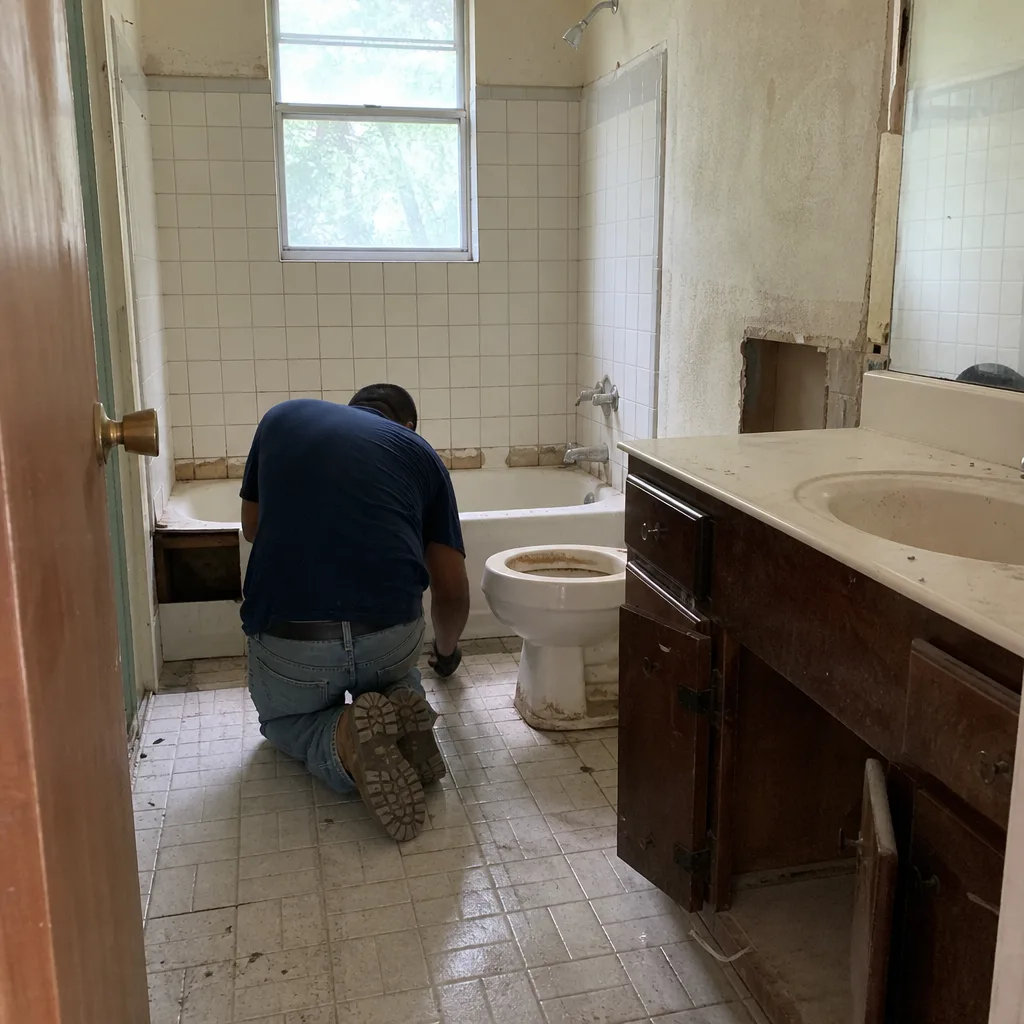 Before
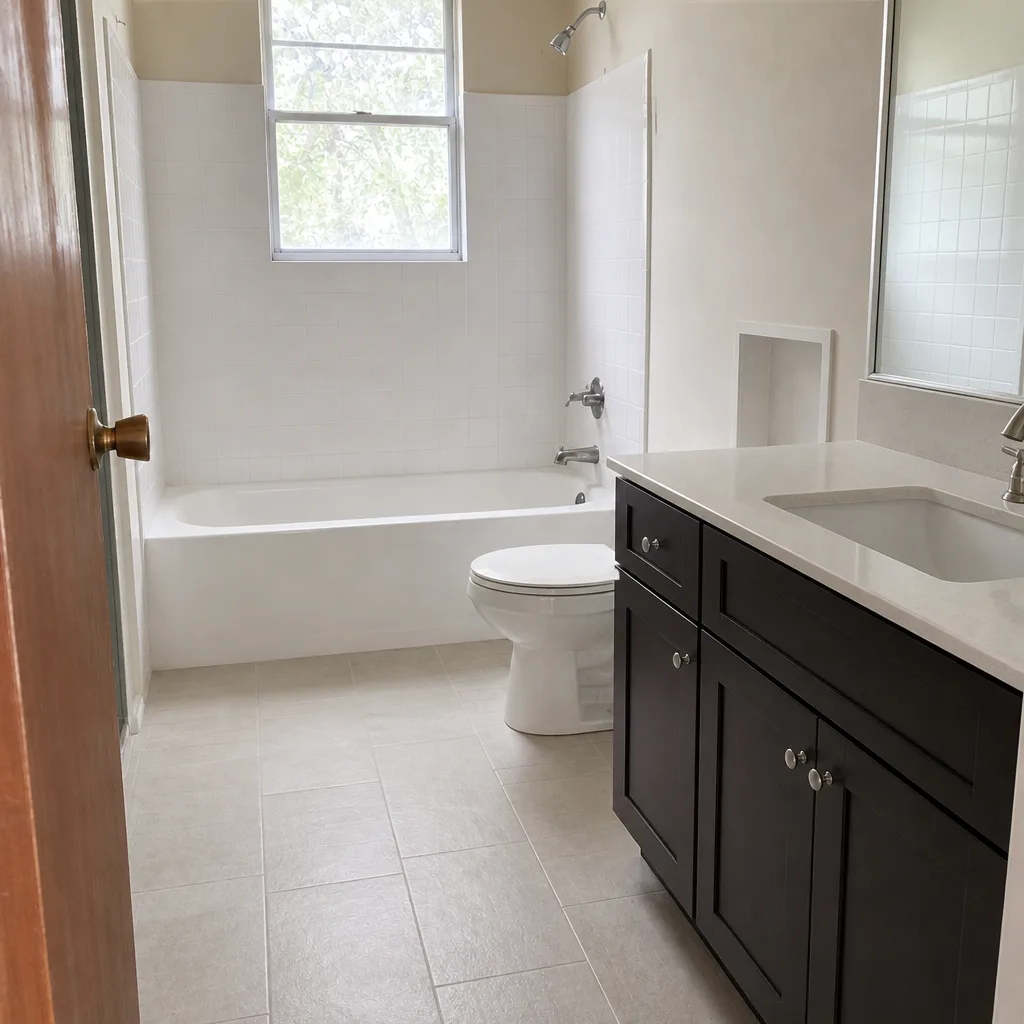 After
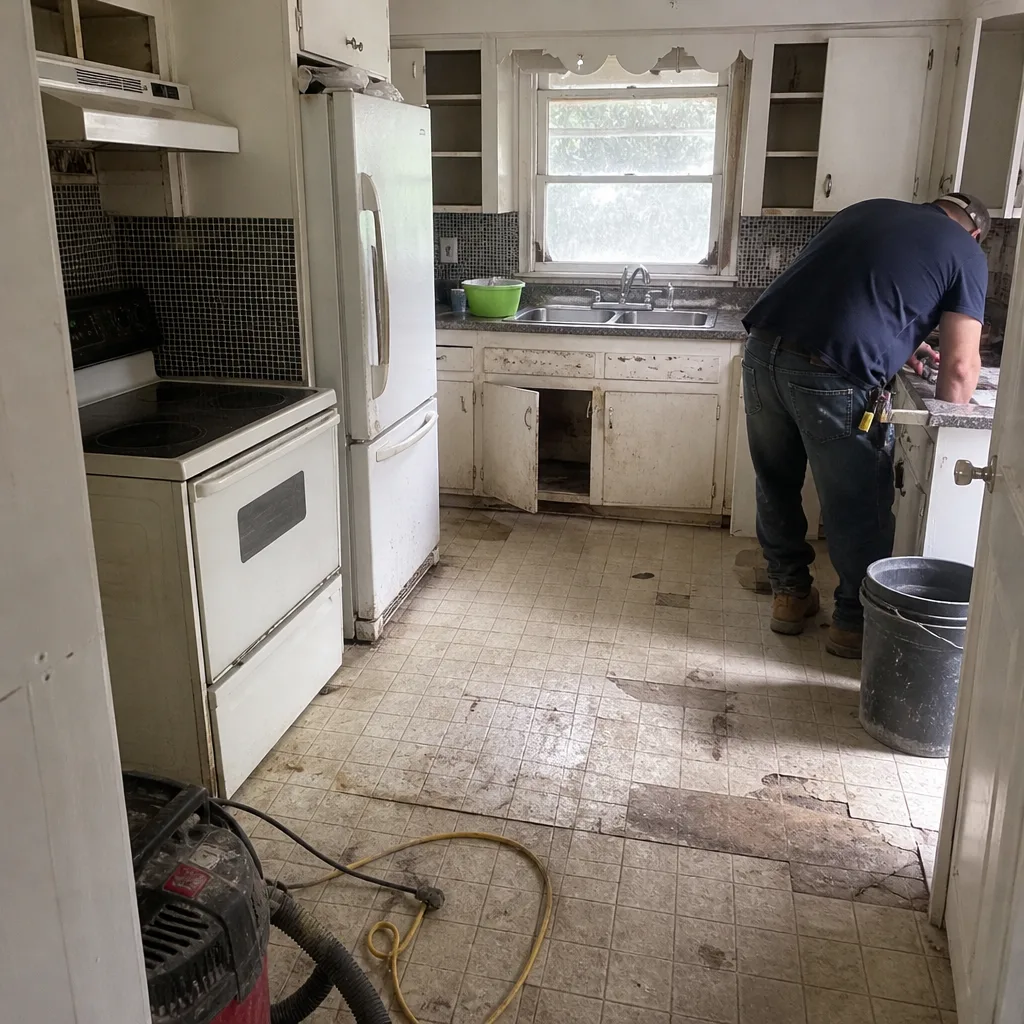 Before
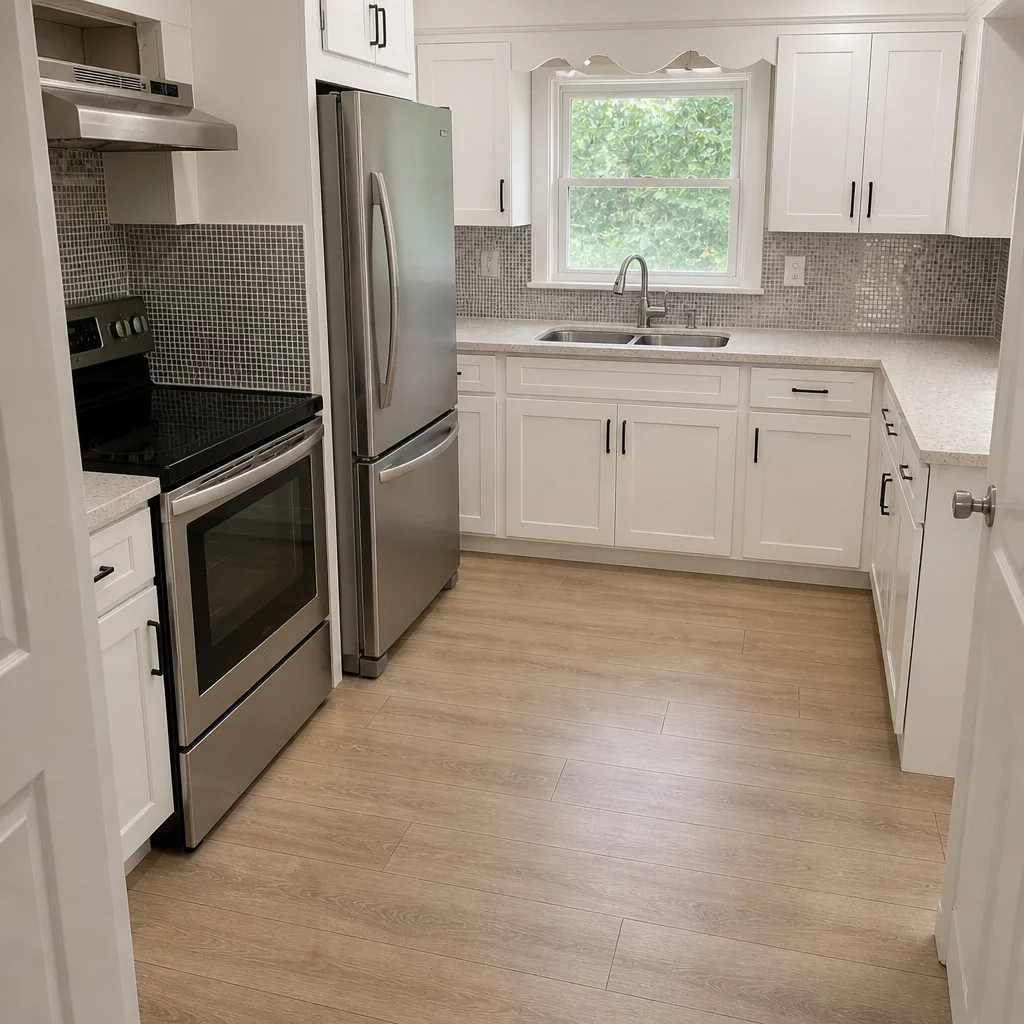 After
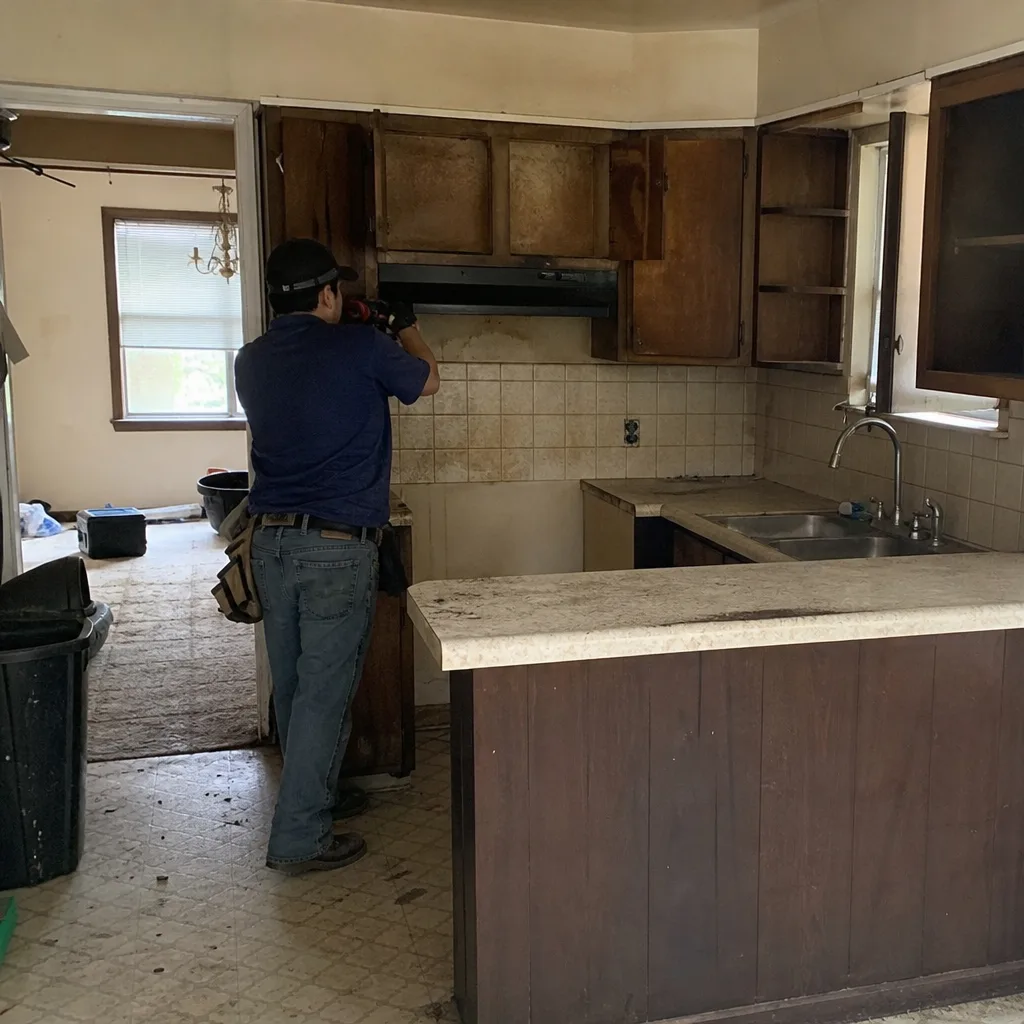 Before
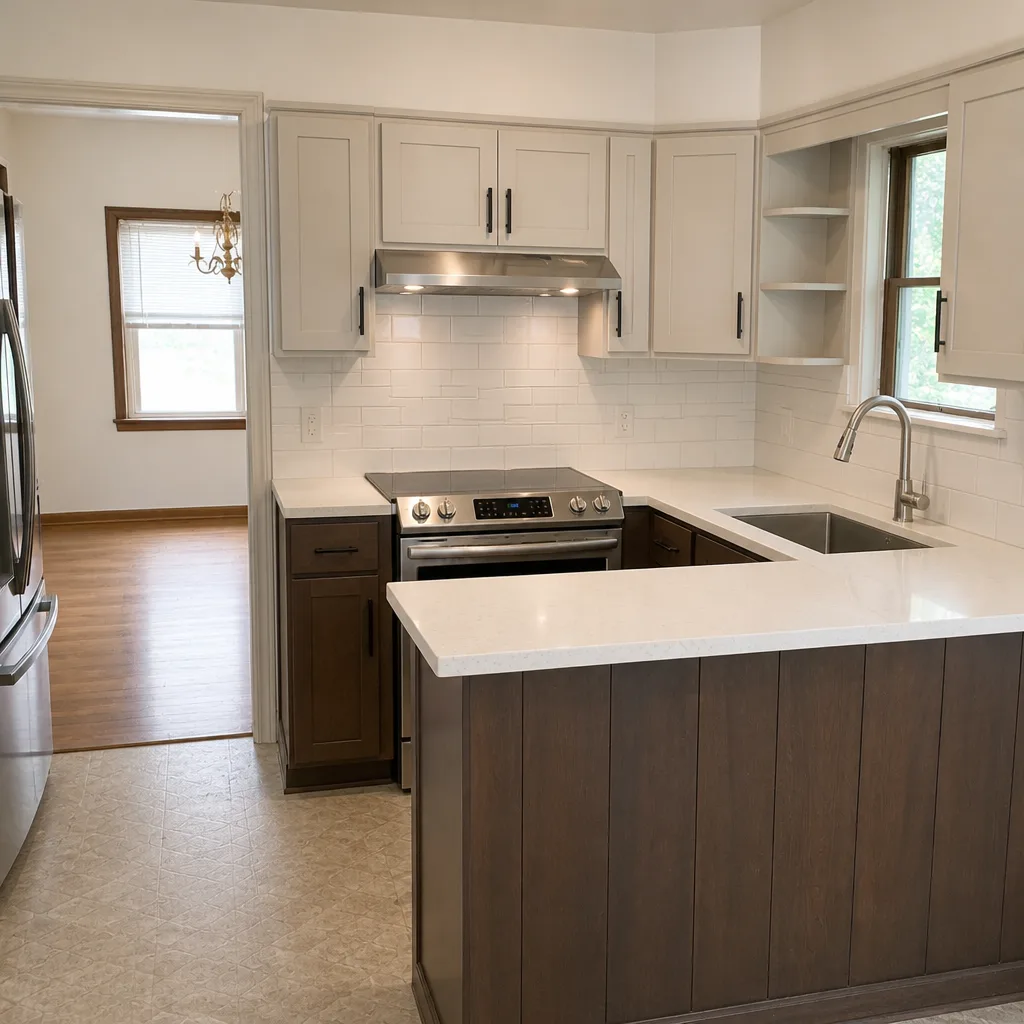 After
When to Call a Professional
If your fence touches a property line, a corner lot, a setback, or an HOA restriction, that’s the moment to bring in a contractor rather than learn the rules the hard way. Shared-line fences need a written agreement, and a professional crew can coordinate the survey, the neighbor signatures, and the permit so nothing falls through. Post depth, concrete quantities, and inspection sequencing are the details that separate a fence that lasts fifteen years from one that leans in three. If your fence exceeds 6 feet, touches a shared line, or sits in a front or corner setback, the permit and documentation work alone justifies a professional.
Fence Installation in Arlington covers the full scope of what we install across the city, and Rowan Construction Group Arlington offers free estimates in Arlington – call (844) 761-7521. We’ll bring a written price, a written scope, and a plan for the permits and neighbor agreements before anyone picks up a tool. Estimates are free, and the free second-opinion review on any written estimate is standing – bring a competitor’s quote and we’ll go through it line by line.
Frequently Asked Questions
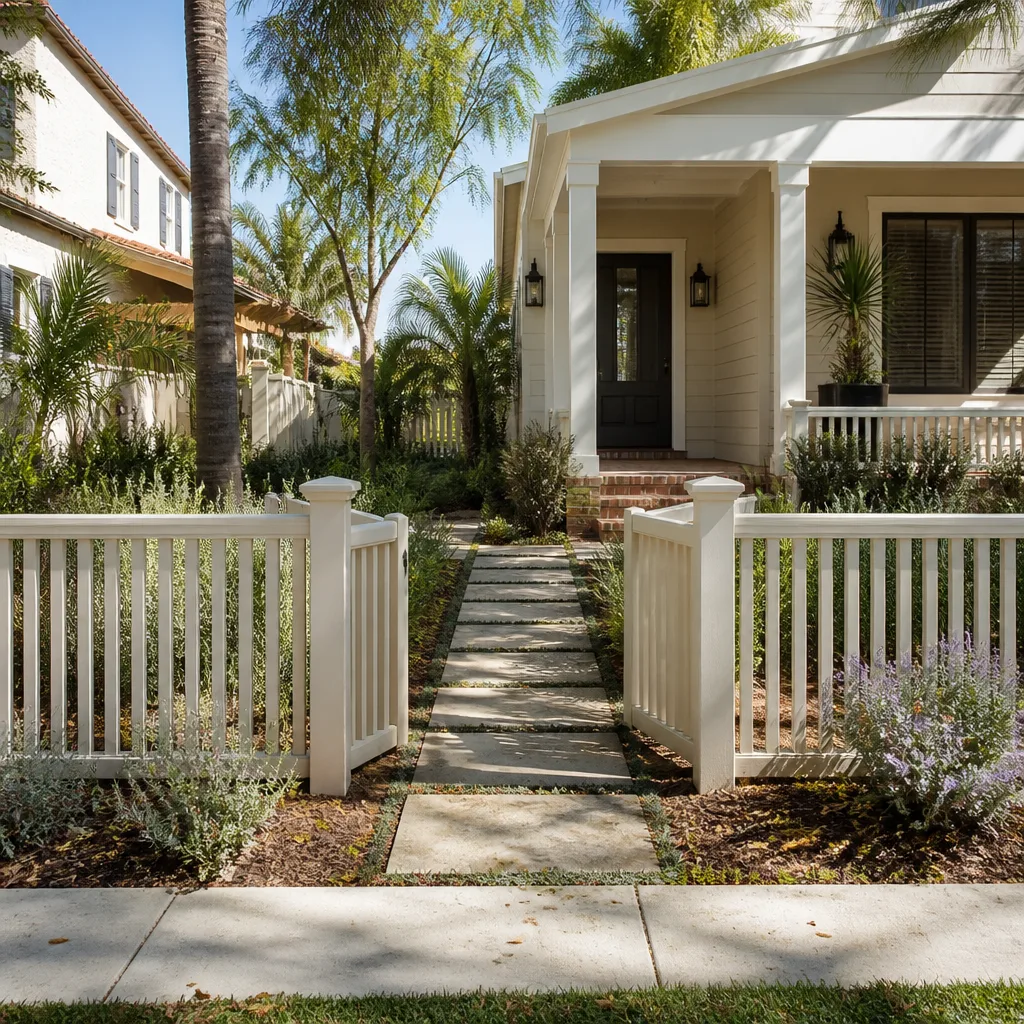
Most fences over 6 feet in Arlington require a permit, though shorter rear-yard fences in many residential districts do not. Confirm your zoning district and height limit before you buy materials, because the threshold varies by district and by where the fence sits on the lot. Call (844) 761-7521 for an exact quote on a permitted install – estimates are free.
Cedar privacy fence runs $32-$45 per linear foot installed, board-on-board cedar $38-$52, vinyl $42-$60, aluminum $45-$70, and chain-link $18-$30, all including post concrete and hardware. A 150-foot backyard fence in cedar lands around $4,800 to $6,750. Call (844) 761-7521 for an exact quote – estimates are free.
You can build a fence on your own property, but building on the shared property line without a written neighbor agreement can create a title issue that surfaces when you sell. Texas law doesn’t require your neighbor to share the cost, so get the ownership, cost split, and maintenance terms in writing with both signatures before the first post goes in. Call (844) 761-7521 and we’ll walk you through what the agreement should contain.
Plan on 42 inches deep for an 8-foot finished height, not the textbook one-third depth many contractors use. Arlington’s black clay soil expands and shrinks with weather, and the region gets high-wind events, so shallow posts heave and lean. Use 60-lb Quikrete bags per post and a gravel base for drainage, at roughly $15 to $25 per post all-in.
No. Our price is written with a flat scope and a written warranty before any work starts, and no change proceeds without a signed change order – that’s the discipline that keeps our projects within a few percent of the agreed cost. Call (844) 761-7521 for an exact quote – estimates are free.
Yes. We pull the City of Arlington permit, schedule the inspections, and help put together the HOA variance packet when one is needed, so you’re not the one chasing the city or the architectural review board. The permit and inspection status is part of the written scope, and every visit includes a documented photo record. Call (844) 761-7521 for an exact quote – estimates are free.
The Bottom Line
Arlington fence installation is as much a paperwork and planning project as a construction one. Get the zoning district and height limit right before you buy materials, get the shared-line neighbor agreement signed before the first post goes in, set posts 42 inches deep with proper concrete for the clay soil, read both the HOA declaration and the architectural guidelines, and pull the permit. Then compare quotes on the same scope – same material, same post depth, same gate count – so the number is real. A fence installed this way lasts fifteen years and clears a title search. A fence installed the other way costs you twice. Call (844) 761-7521 for a free estimate and a written price before any work starts.
Written by the team at Rowan Construction Group Arlington.