Last updated November 18, 2026
Free written scope consultation - allowances, timeline, and change-order rules on paper before a single trade is scheduled
The Complete Windows & Doors Guide for Arlington Homeowners
Most window and door buying guides are written for places like Seattle or Portland. Arlington isn’t one of them. Here’s the counterintuitive part: a window with an excellent U-factor can still wreck your summer electric bill in Arlington, because the dominant failure mode in North Texas isn’t conduction through the glass. It’s solar heat gain. A unit that performs well in Denver will underperform here by a measurable margin, and the rating most national guides lead with isn’t the one that matters most on a west-facing wall in July. This guide starts with Texas heat load and works backward to specification, so you know what to ask for before you sign anything.
Quick Answer
For Arlington, TX, the two numbers that matter most are SHGC (Solar Heat Gain Coefficient) and U-factor. Aim for SHGC of 0.25 or lower on west- and south-facing units, and U-factor of 0.30 or lower across the board. Arlington sits in the ENERGY STAR South/Central climate zone, so products certified for that zone are already tuned for our heat and sun. A same-size replacement usually doesn’t require a permit; cutting a new opening does.
Styles & brands we work with
- Kitchen remodeling
- Bathroom remodeling
- Home additions & ADU
- Roofing
- Windows & doors
- Driveway & pavers
- Fence
Table of Contents
- Why Texas Heat Load Changes the Spec Sheet
- SHGC and U-Factor: The Two Ratings That Actually Matter
- Window Brands Available Through Arlington Contractors
- ENERGY STAR, Oncor Rebates, and City of Arlington Incentives
- Door Core Materials and the R-Value Gap
- Arlington Permits: Replacements vs. New Openings
- What Windows and Doors Cost in Arlington
- How a Window or Door Project Runs, Step by Step
Why Texas Heat Load Changes the Spec Sheet
A window does two things at once: it stops heat from conducting through the glass and frame, and it controls how much solar radiation passes through as radiant heat. In Arlington, the second job carries more weight. Summer surface temperatures on west-facing glass climb well past 110°F, and the afternoon sun sits low enough to hit a wall most national guides assume is shaded. That’s why a homeowner who buys purely on a low U-factor number can end the summer with a hotter house than their neighbor who bought on SHGC.
The practical effect shows up in the rooms facing the western sky. In Arlington neighborhoods like Dalworthington Gardens and the older streets off Bowen Road, we regularly see upstairs bedrooms that are 6 to 8 degrees hotter than the rest of the house until late evening. That’s not an HVAC problem. It’s a window problem, and it’s the single most common reason homeowners here start shopping for replacement units in the first place.
Three climate facts drive the specification:
- Peak summer heat load arrives through west and south glass in the late afternoon, exactly when air conditioners are already working hardest.
- Winter is mild but real. Dallas County sees a handful of hard freezes most years, and February 2021 showed what a sustained cold event does to poorly sealed units.
- Wind-driven rain during spring storms stresses weatherstripping and flashing, which is a water problem more than a thermal one.
Every product decision below flows from those three facts. A window tuned for Chicago’s winters is overbuilt in the wrong direction for Arlington’s summers.
SHGC and U-Factor: The Two Ratings That Actually Matter
SHGC (Solar Heat Gain Coefficient) measures how much of the sun’s heat makes it inside, from 0 to 1, and lower is better here. U-factor measures how quickly heat conducts through the whole window assembly, glass plus frame, and lower is also better. The two move in opposite directions on many products: a glass coating that cuts one often pushes the other up. That trade-off is exactly why national guides that lead with U-factor can leave an Arlington homeowner with the wrong unit.
What to ask for when you’re standing in a showroom or reading a quote:
- SHGC at or below 0.25 for west- and south-facing units. This is the number that cuts afternoon heat gain.
- U-factor at or below 0.30 everywhere. This carries the winter load and helps in shoulder seasons.
- Low-E coating in the glass. It’s near-standard now, but confirm it’s there and confirm the type, since coatings are tuned for hot vs. cold climates.
- Double-pane minimum, with argon fill. Triple-pane rarely pays back in Arlington the way it does in Minnesota.
- Frame material that doesn’t conduct. Vinyl and fiberglass outperform raw aluminum in this climate for thermal reasons.
One thing we check on every window assessment: the NFRC label. Every legitimate unit sold in the U.S. carries a National Fenestration Rating Council sticker listing its actual U-factor and SHGC, independent of what the salesperson says. If a quote doesn’t reference those numbers, ask for them in writing. Rowan Construction Group Arlington puts the spec in the written scope before any work starts, and a window quote without the ratings on it isn’t a real quote.
Window Brands Available Through Arlington Contractors
Arlington contractors can source a range of window brands, and each brings different strengths for this climate. The short version is that SHGC ranges vary between product lines within the same brand, so the brand name alone doesn’t guarantee a number. Ask for the NFRC figure on the specific model being quoted. Here’s how the major names tend to shake out in North Texas.
- Andersen offers broad availability and strong parts support. Their Low-E glass options deliver SHGC in the 0.20 to 0.27 range on many product lines, and their vinyl and composite lines tend to hold up well in Arlington’s heat.
- Pella leans on strong glass-coating technology. Many of their South-Central climate options hit SHGC around 0.23 to 0.27, and their wood-clad lines appeal to homeowners in older neighborhoods where fiberglass reads as a visual mismatch.
- Marvin is known for tight tolerances and customization, which matters if you’re replacing odd-sized units in an older Arlington home. SHGC on their standard Low-E glass lands in a similar 0.23 to 0.28 band.
- PGT markets heavily in Texas and the Gulf Coast, with impact-rated options that handle wind-driven rain and hail. Their aluminum lines pair well with homes where storm resilience outweighs thermal concerns.
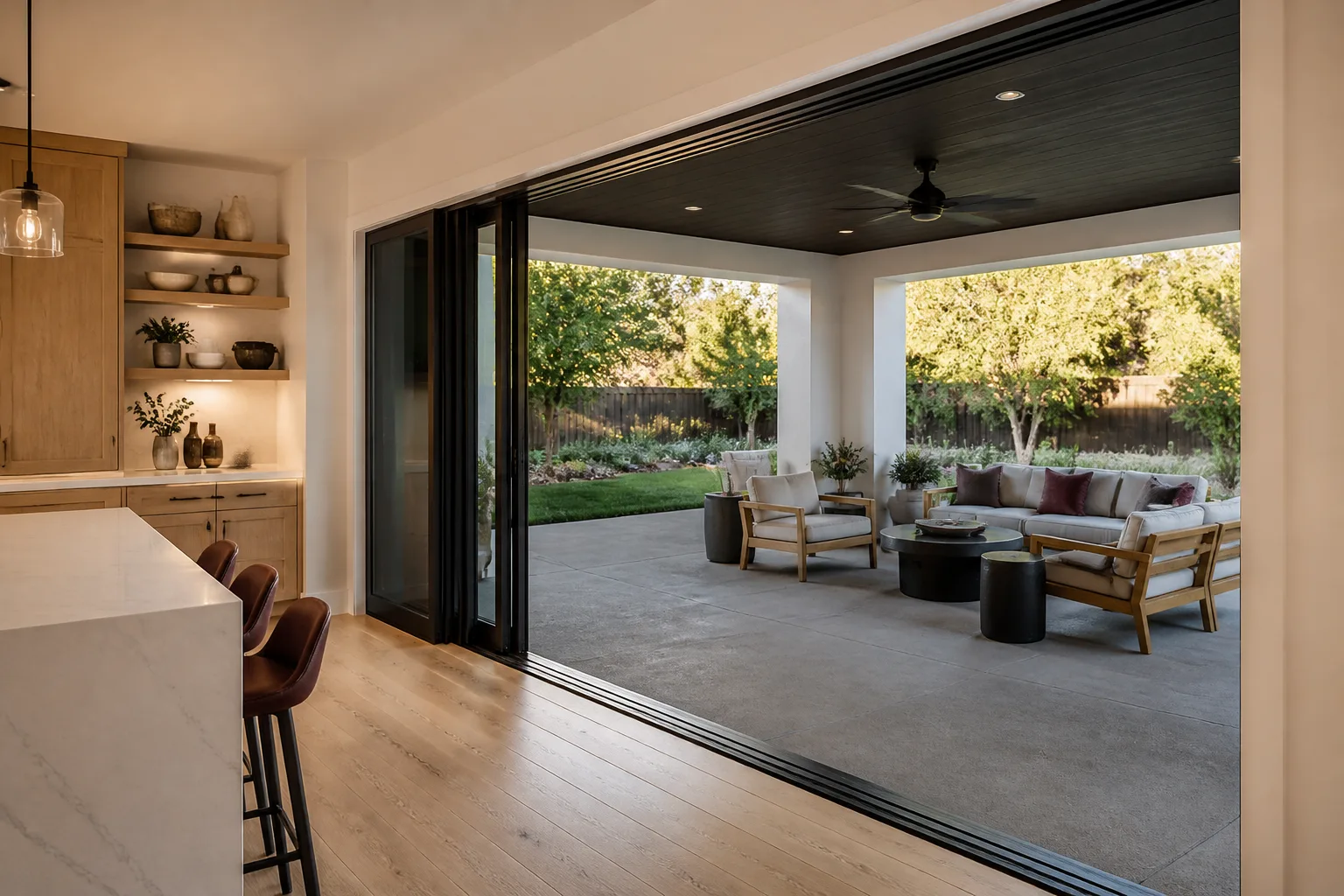
- WinDoor is favored for patio doors and large sliders, with sliding door units that pair well with an existing window package. Their sliding door line is often specified alongside PGT and Marvin products.
If you’re sourcing a full exterior package, it helps to think about doors alongside windows rather than as a separate purchase. A patio door with poor thermal specs undermines the windows next to it. When a project grows into a full addition or exterior wall change, we route those decisions through our Home Additions & ADU in Arlington process so the window spec and the framing are planned together instead of piecemeal.
ENERGY STAR, Oncor Rebates, and City of Arlington Incentives
Arlington sits in the ENERGY STAR South/Central climate zone, which is the single most useful fact for a homeowner trying to cut through marketing noise. Products certified for South/Central are already engineered around high cooling load, which means a South/Central-certified window has met a solar heat gain standard the North-Central zone doesn’t require. If a product is certified for multiple zones, confirm the label addresses the version you’re installing.
Rebates and incentives are real but change. As of the writing of this guide:
- Oncor runs residential energy efficiency programs that have historically included window and door upgrade incentives. The exact dollar amounts per square foot change, and Oncor regularly updates the list.
- The City of Arlington partners with regional energy programs. Neighborhood-level and weatherization-based incentives come and go, so a quick check with the utility or city before signing is worth the five minutes.
- Federal tax credits for qualifying high-efficiency products exist in some years and not others. Confirm the current version and the specific product eligibility.
The safe rule: get the rebate terms in writing from the program, not from the contractor’s sales sheet. A contractor who promises a specific rebate dollar amount without confirming current program terms is guessing. We’d rather tell you what’s confirmed and what needs checking than promise a number that expires before your project finishes.
Door Core Materials and the R-Value Gap
Exterior doors are a thermal weak point most homeowners underestimate. A typical front door is a hole in the thermal envelope, and the core material determines just how big a hole it really is. In Arlington, where a west-facing door face can hit 110°F in the afternoon, core material is the difference between a comfortable entry and a door that radiates heat into the hallway.
Here’s how the cores compare:
- Fiberglass slab: Highest R-value of the common options, resists heat and humidity without warping, and takes paint and stain well. The best default in Arlington’s climate.
- Steel slab: Solid and secure, with a polyurethane core that performs acceptably. But steel transmits heat, so the door face gets hot to the touch in full sun, and dents are permanent.
- Solid wood: The lowest R-value of the three and the most sensitive to Arlington’s seasonal humidity swings, which cause swelling and sticking. Beautiful, but it’s a thermal and maintenance liability unless it’s protected by a deep overhang or storm door.
The gap between a good fiberglass slab and a solid wood slab in a sun-exposed location is significant enough to show up on a summer utility bill. That said, thermal performance is only one factor. In Arlington’s older neighborhoods, a wood door may be the correct visual choice to preserve the home’s character, and the honest answer is that trade-off is real. What we won’t do is quote a wood door as if it performs like fiberglass. The written scope lists the R-value and the trade-off so nobody learns about it in August.
Arlington Permits: Replacements vs. New Openings
This is a detail most guides skip, and it affects both timeline and cost. In general, Arlington does not require a permit to replace a window or door in the same-sized opening. It does require a permit when you’re cutting a new opening, enlarging an existing one, or changing the structural load path above or around it. That distinction separates a fast job from a documented one.
What it looks like in practice:
- Same-size replacement, same location: Usually no permit. The job moves faster and doesn’t carry the permit and inspection cost.
- New opening or enlarged opening: Permit required. This involves structural review of the header above the opening, inspection at framing, and possibly a final inspection after installation.
- Egress windows for a bedroom or basement conversion: Permit required, and the opening must meet the specified clear dimensions and sill height.
Because a permitted project involves inspections, the timeline stretches. Plan on a couple of extra weeks compared with a straight replacement. A contractor who tells you a new opening is a no-permit job is telling you something about how they handle the rest of the project. On permitted work, we pull permits and pass inspections as part of the job, and the inspection sign-off goes into the record. When a window replacement is part of a larger exterior project, it’s worth seeing how that work coordinates with the schedule on our Driveway & Pavers in Arlington page, since both tend to land in the same exterior work window.
What Windows and Doors Cost in Arlington
Prices vary by size, brand, glass package, and whether a permit is involved, so treat the ranges below as planning numbers rather than a quote. What we can say is that a written, line-item price before any work starts is standard, and that’s the number you can actually compare.
A planning-level view for Arlington properties:
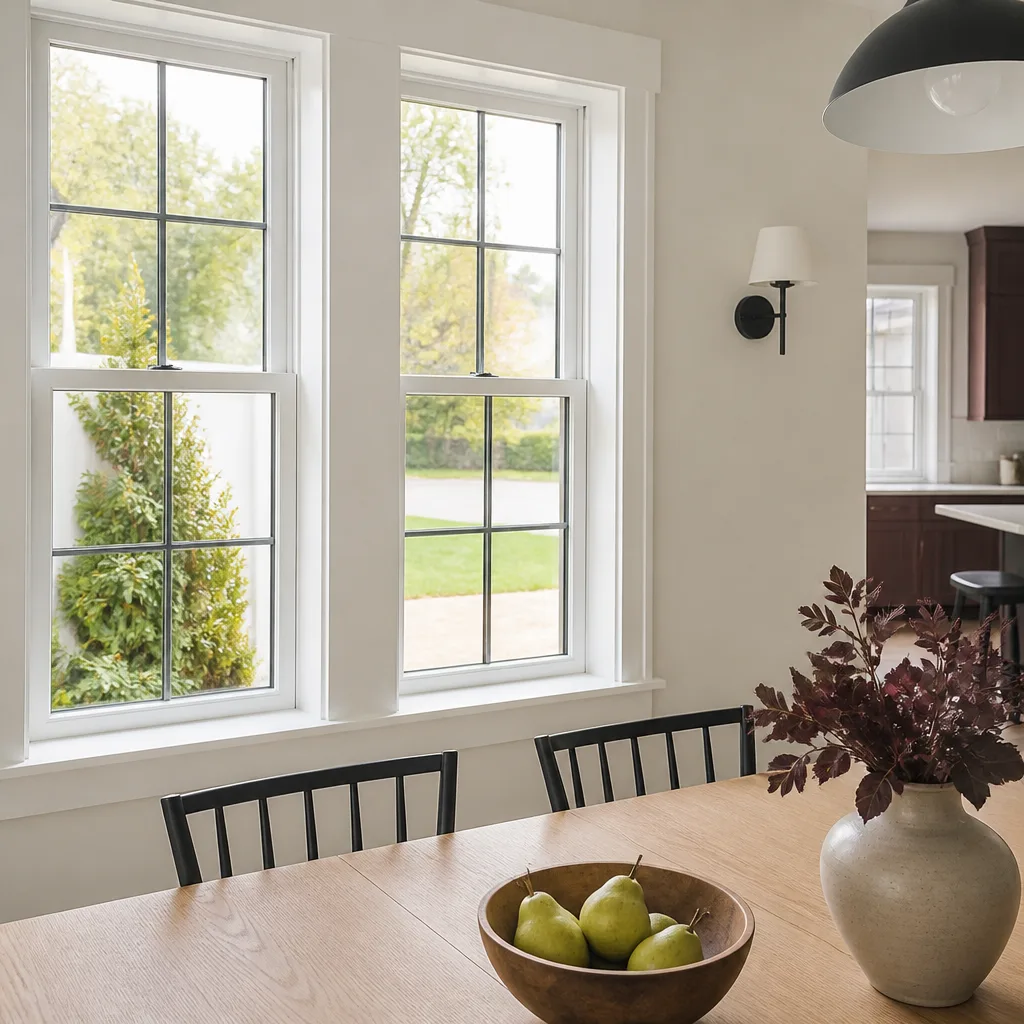
- Standard double-hung window, vinyl, double-pane, Low-E: roughly $450 to $850 per unit installed, depending on size and glass package.
- Fiberglass or wood-clad window, comparable spec: roughly $700 to $1,300 per unit installed.
- Patio door, sliding or French, thermal spec: roughly $1,400 to $3,800 installed, with wide sliders at the top of that band.
- Exterior entry door, fiberglass slab: roughly $900 to $2,200 installed, depending on frame and hardware.
- New opening with permit (framing, header, inspection): add roughly $800 to $2,500 to the installed price of the unit itself.
- Whole-house window package, 12 to 20 units: volume pricing applies, and the per-unit number usually drops 10 to 15 percent.
None of those numbers mean anything without the spec attached. A cheap window with a bad SHGC costs you every summer for the life of the house. When we deliver a quote, the window spec, the rating, the install method, and the warranty all appear in writing, and that means the lowest bid and the highest bid can actually be compared. If you have a competitor’s estimate in hand, our free second opinion reviews it line by line at no charge. If your exterior work includes fencing in the same season, it’s worth comparing schedules against our Fence Installation in Arlington page, since coordinating both saves a mobilization.
How a Window or Door Project Runs, Step by Step
- Measure and assess. We measure every opening, check the existing flashing and sill condition, and confirm the wall assembly. Measurements from a photo are not measurements.
- Specify and quote. We deliver a written scope with the NFRC ratings, the window or door model, the install method, and a flat written price. No work starts before you approve it.
- Confirm permit status. Same-size replacement skips the permit; new openings get one. That’s confirmed before ordering, not after.
- Order and schedule. Lead times vary by brand and product line. We tell you the real number and update you if it changes.
- Install with a documented photo record. Crews are background-checked and uniformed. Flashing, sealing, and insulated foam detail are photographed so you have evidence of how it was done, not just that it was.
- Inspect and warranty. Final inspection is passed on permitted work, and the written warranty and photo record go to you. If something isn’t right within 365 days, we come back and make it right under the Done Right Promise.
The discipline that makes a window project predictable isn’t glamorous. It’s a flat price, a written scope, and no change proceeding without a signed change order. That’s the structure behind every project, and it’s why the number you agree to is close to the number at the end.
Common Mistakes to Avoid
- Buying on U-factor alone. A unit with a low U-factor and a high SHGC will bake a west-facing Arlington bedroom all summer. Check both numbers.
- Skipping the NFRC label. Marketing language and spec sheets don’t always match the delivered product. Confirm the rating on the actual unit.
- Choosing solid wood on a sun-exposed door. It looks beautiful and radiates heat into the entry. In Arlington, a west-facing wood door is a maintenance and thermal trade-off most guides ignore.
- Assuming every replacement needs a permit. It usually doesn’t. Overpaying for a permit adds cost and weeks you may not need.
- Assuming new openings don’t need a permit. They do, and the header, framing, and inspection are part of the job. A contractor who skips this leaves you with a problem at resale.
- Ignoring flashing and sill detail. A window that’s thermally great but poorly flashed leaks in a spring storm. The install matters as much as the unit.
- Buying without a written scope. A verbal price is not a price. The written quote is the only number you can compare against another bid.
See the difference
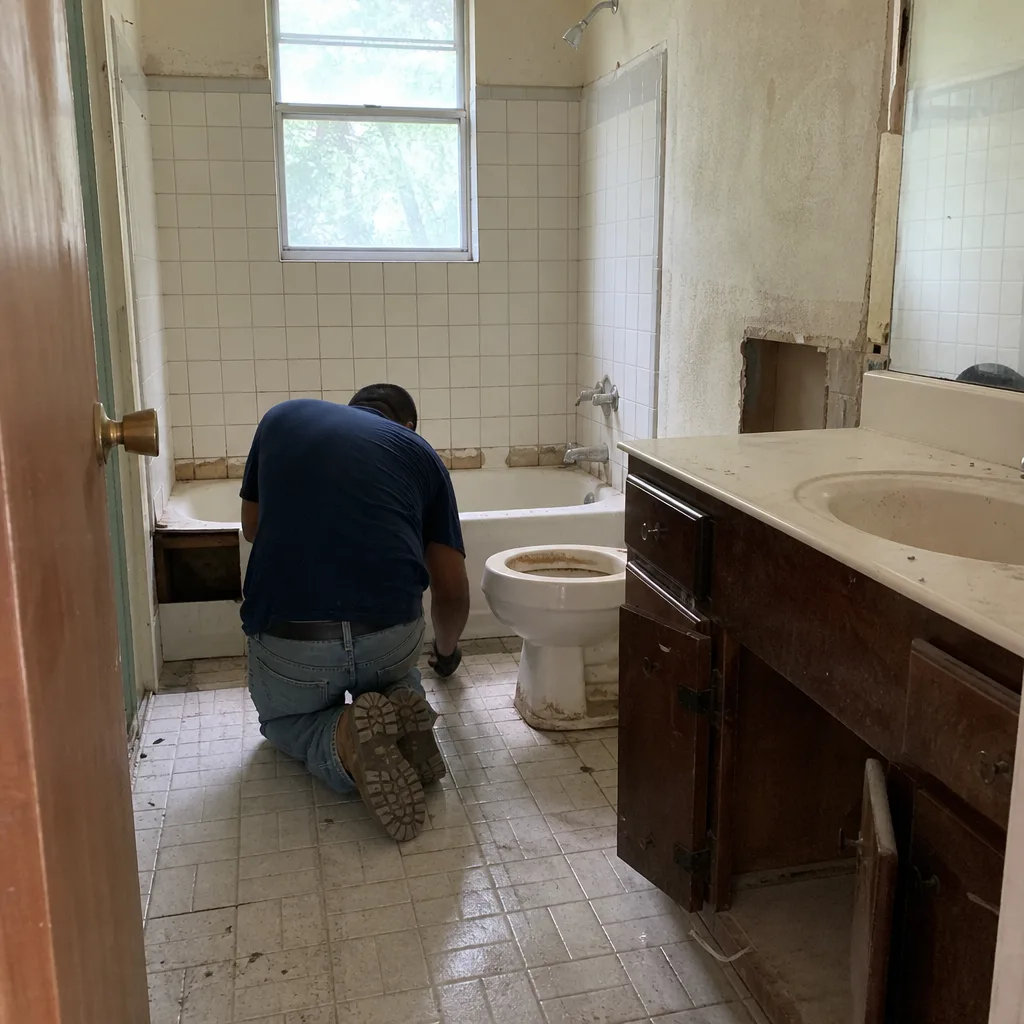 Before
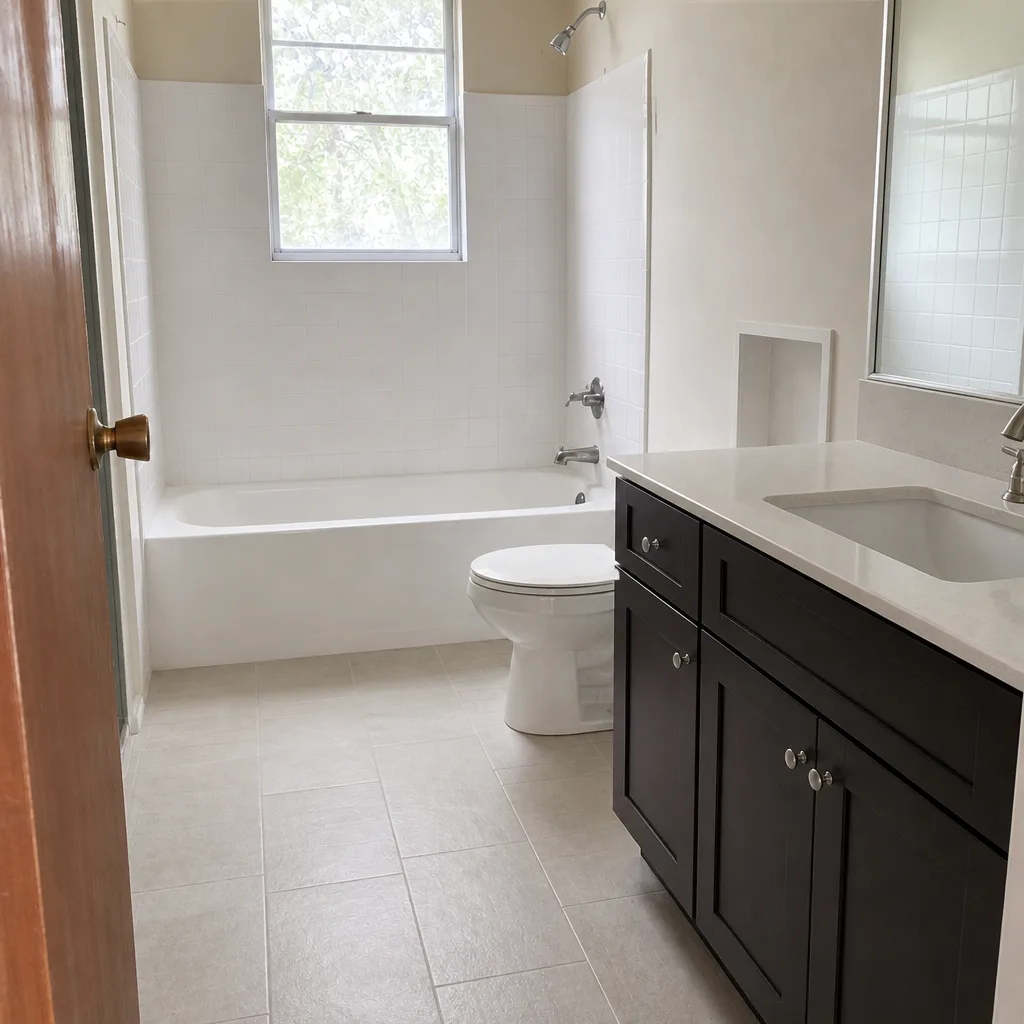 After
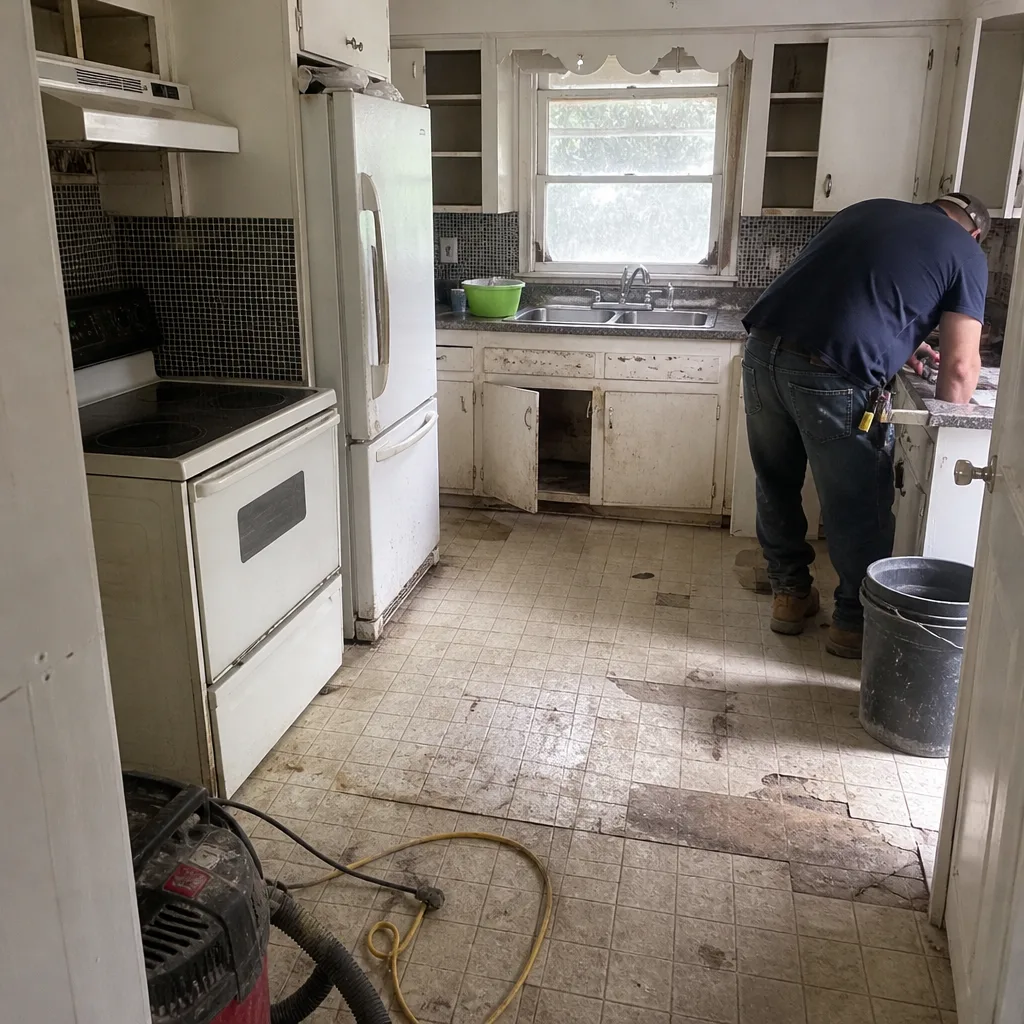 Before
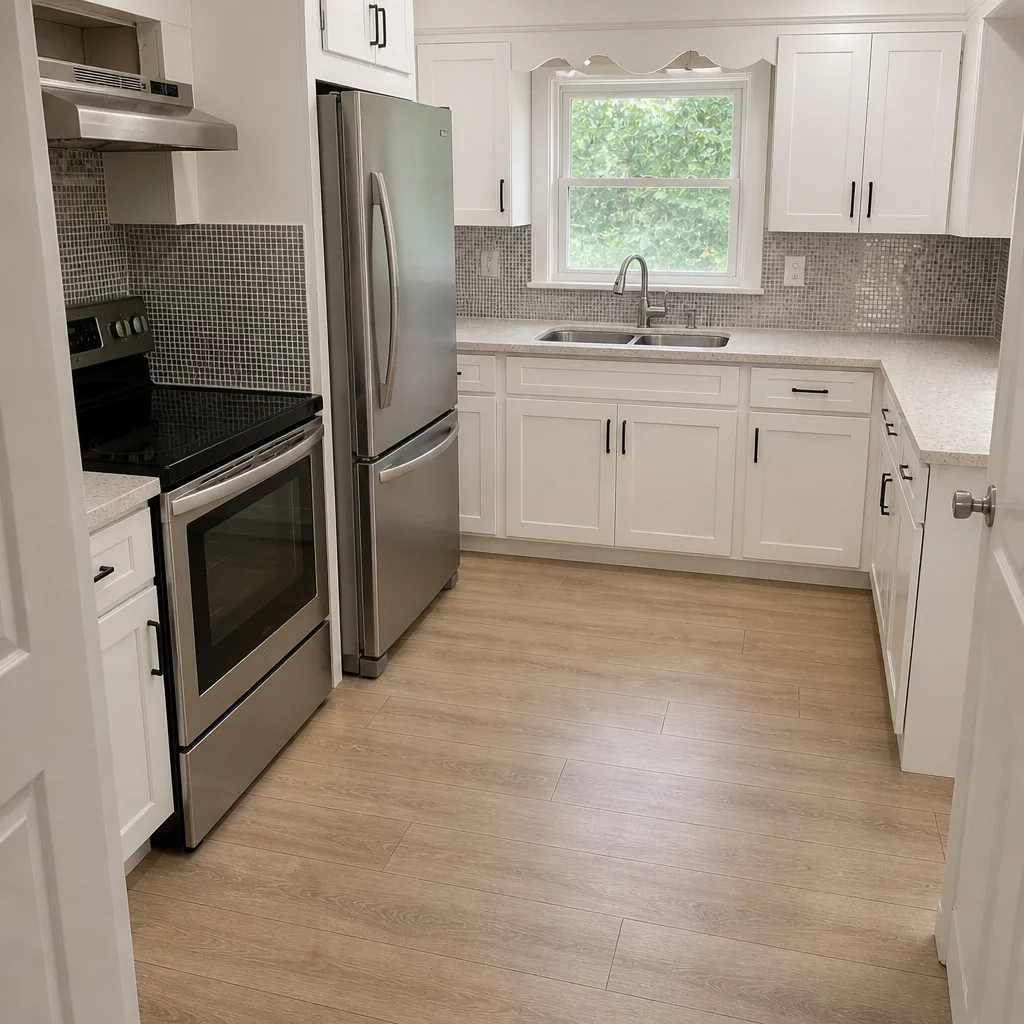 After
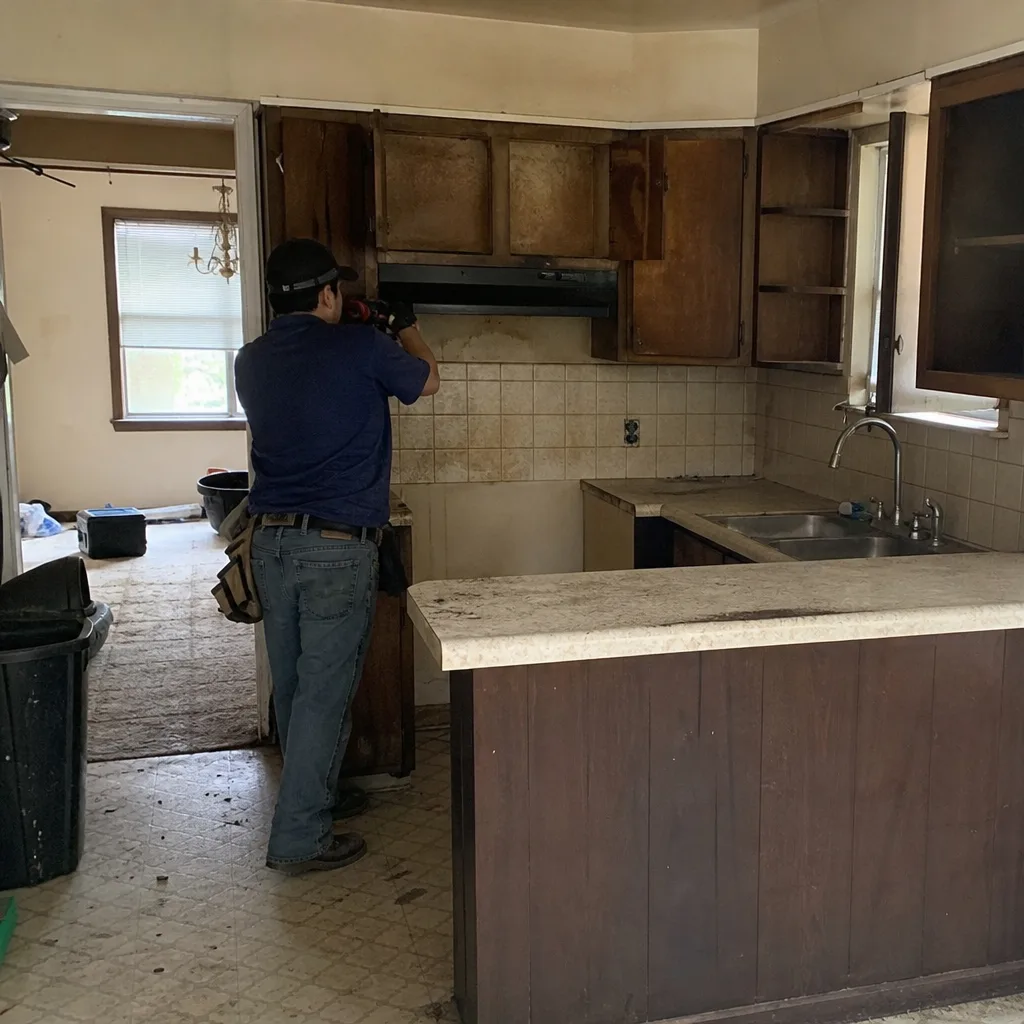 Before
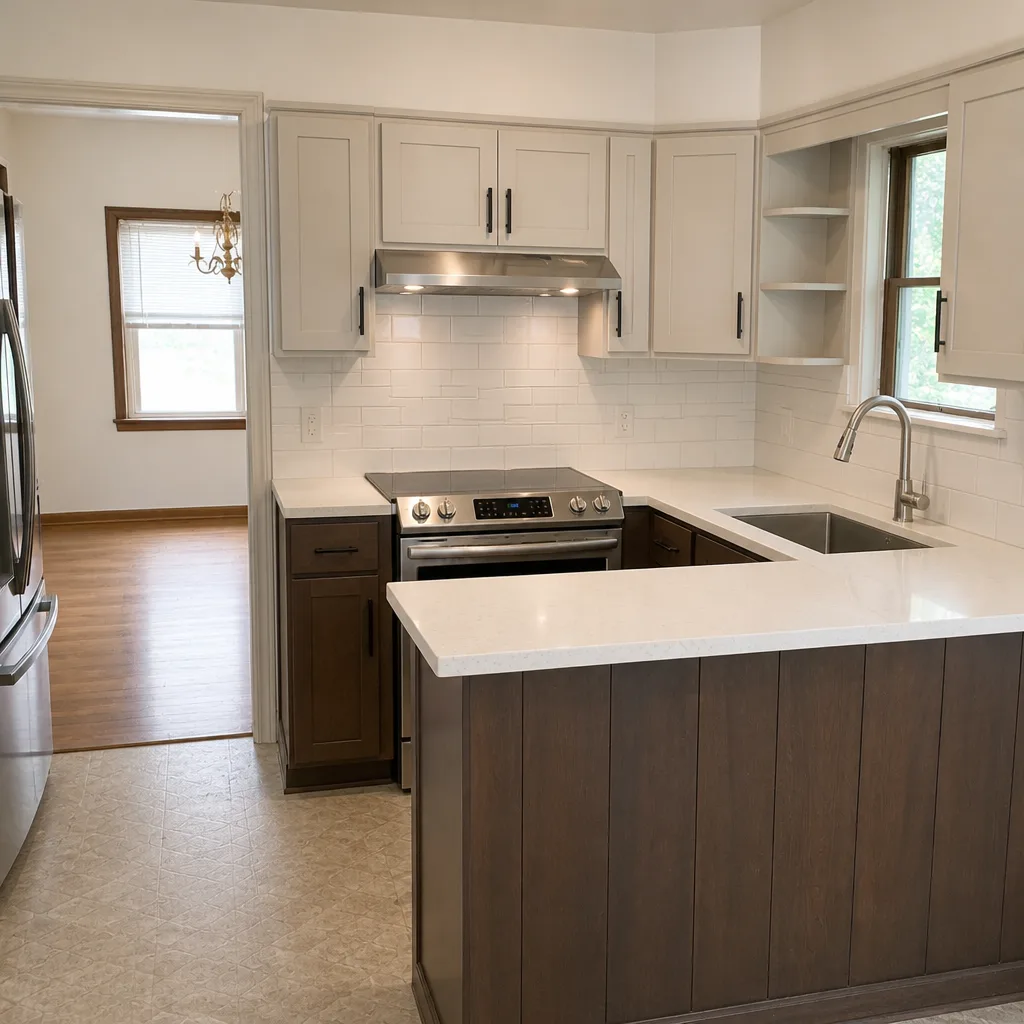 After
When to Call a Professional
Some window and door work is genuinely a trained-trade job. Call a professional if a window or door frame shows rot, soft spots, or visible water staining at the sill – that’s often a flashing or substrate failure, not a cosmetic issue. Call if a wind-driven storm has loosened a frame or if a door has stopped latching squarely, since the cause is usually the opening around it. Call if you’re planning a new opening or an enlarged one, because the structural header and the permit require a licensed trade to get right. And call if you’re ready to replace a full house package: the spec has to be matched room-by-room to orientation, and a wrong SHGC on the west side is expensive to discover after install. Rowan Construction Group Arlington offers free estimates in Arlington – call (844) 761-7521 and we’ll put the number in writing before anything starts.
Frequently Asked Questions
Aim for SHGC of 0.25 or lower on west- and south-facing windows, and 0.30 or lower on the rest. Arlington’s heat load comes primarily through solar gain, so a low SHGC does more for your summer bill than a low U-factor. Ask for the NFRC rating on the specific unit in the quote. Call (844) 761-7521 for a free estimate and we’ll spec it room by room.
Generally no, if you’re replacing a window in the same-sized opening. You need a permit when you’re cutting a new opening, enlarging an existing one, or installing an egress window for a bedroom. The distinction affects both timeline and cost, so confirm it before ordering. Call (844) 761-7521 to confirm the permit status on your project.
Oncor has historically offered residential energy efficiency incentives that include window upgrades, and the City of Arlington partners with regional energy programs. Exact dollar amounts and current eligibility change regularly. Confirm program terms directly with the utility or city before signing. Call (844) 761-7521 and we’ll walk through what’s currently available.
Andersen, Pella, Marvin, PGT, and WinDoor all offer product lines suitable for North Texas, but the brand doesn’t set the performance. The specific model’s SHGC and U-factor do. Ask for the NFRC label on the actual unit being quoted. Call (844) 761-7521 and we’ll spec the right model for each exposure.
Fiberglass performs better thermally and holds up to Arlington’s heat and humidity without warping. Solid wood has a lower R-value and is more sensitive to seasonal moisture swings. Wood can still be the right choice if you’re preserving an older home’s character, as long as you know the trade-off. Call (844) 761-7521 for a written comparison.
A same-size window replacement usually runs a day or two for a standard-sized job, while a new opening adds a couple of weeks for permit and inspection. Whole-house packages take longer and depend on brand lead times. Call (844) 761-7521 and we’ll give you a realistic schedule in writing.
The Bottom Line
The single most important decision in an Arlington window purchase is matching the spec to the climate: SHGC of 0.25 or lower on west and south glass, U-factor of 0.30 or lower everywhere, and ENERGY STAR South/Central certification on the model. Door core material is a real thermal decision, not just an aesthetic one, and fiberglass outperforms wood in this climate. Permits depend on whether you’re replacing or creating an opening, and that affects both timeline and cost. Get the NFRC numbers in the written scope, and compare bids line by line. Every door and window decision you make here should start with the Texas sun, not the Denver spec sheet. For a free estimate from Rowan Construction Group Arlington home, call (844) 761-7521. The price comes in writing before any work starts, the crew arrives uniformed and background-checked, and every visit leaves you with a documented photo record.
Written by the team at Rowan Construction Group Arlington.