Last updated November 18, 2026
Free written scope consultation - allowances, timeline, and change-order rules on paper before a single trade is scheduled
The Complete Driveway & Pavers Guide for Arlington Homeowners
Most Arlington driveways that fail at the six-to-ten-year mark don’t fail because the pavers cracked. They fail because a four-inch gravel base was laid directly on Blackland Prairie clay that swells and shrinks up to three inches across a wet spring and a dry August. Correcting that mistake after the pavers are down runs $4,000 to $9,000, and no paver brand on earth prevents it. This guide walks through the soil behavior first, then pricing in real Arlington dollars, the city permit and drainage rules that catch homeowners off guard, how to read a bid line by line, and where the major brands actually stand. By the end you’ll know what separates an eight-year driveway from a twenty-five-year one.
Quick Answer
In Arlington, a paver driveway lasts because of base preparation, not paver pattern or brand: most lots need a geotextile fabric layer and a six-to-eight-inch compacted base over expansive clay instead of the standard four-inch gravel bed. Installed cost for concrete pavers in Arlington runs roughly $12 to $22 per square foot, clay brick $16 to $28, permeable pavers $18 to $30, and asphalt $5 to $9. A driveway replacement also needs a City of Arlington permit and a drainage plan that respects impervious-cover limits.
Styles & brands we work with
- Kitchen remodeling
- Bathroom remodeling
- Home additions & ADU
- Roofing
- Windows & doors
- Driveway & pavers
- Fence
Table of Contents
- Why Arlington’s Clay Soil Decides Whether Your Driveway Lasts
- What Do Pavers Cost in Arlington? Four Materials, Side by Side
- Permits, Impervious Cover, and Drainage: What Arlington Requires
- How to Read a Paver Installation Bid: Five Line Items That Matter
- Belgard, Techo-Bloc, and Pavestone: What Each Offers in Arlington
- Patterns, Edging, and the Details That Hold Up
- The Best Time of Year to Install Pavers in Arlington
- Maintaining a Paver Driveway in North Texas
Why Arlington’s Clay Soil Decides Whether Your Driveway Lasts
Arlington sits squarely on Blackland Prairie soil, a dark, heavy clay with a high shrink-swell index. In practical terms: the ground under your driveway expands when it soaks up spring rain and contracts through a dry summer, and the movement is measured in inches, not fractions. A slab or a paver bed that can’t flex with that movement cracks, heaves, or settles into ruts.
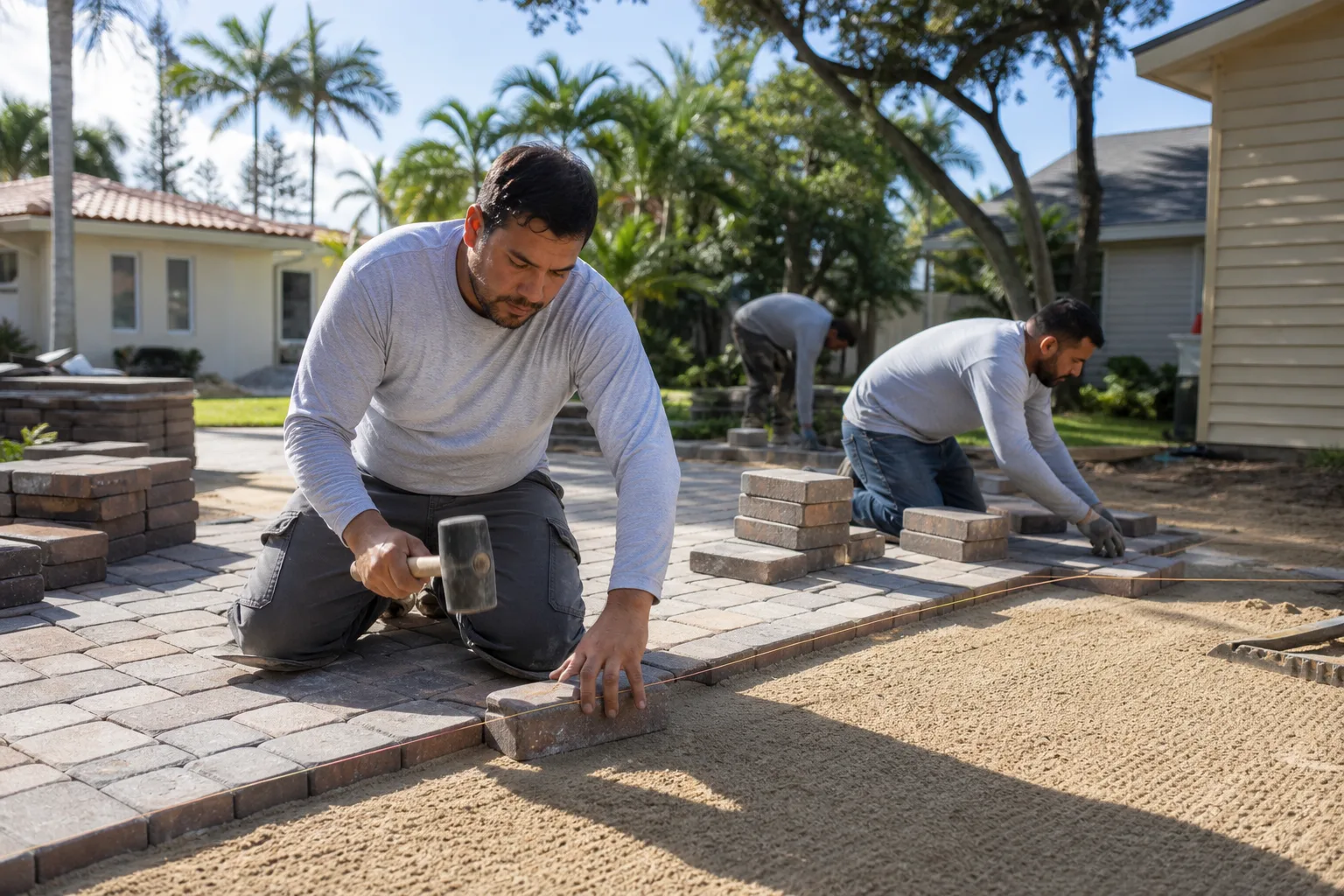
Here’s what we see on Arlington lots again and again. A crew strips the old surface, scrapes down four inches, drops four inches of flex base gravel, compacts it, and sets pavers. That’s a fine spec for sandy or stable ground. On Blackland Prairie clay it’s undersized, because a thin base doesn’t bridge the seasonal movement – it rides it.
What a base built for this soil actually needs:
- Excavation to six to eight inches of compacted base, not four. The extra depth spreads the load across clay that moves.
- A woven geotextile separation fabric between the subgrade and the gravel. Geotextile is a fabric layer that stops clay fines from pumping up into the gravel and keeps the base’s drainage path open; without it, the base silts up over a few wet seasons and loses its strength.
- Compaction in two-inch lifts with a plate or roller, tested as it goes. Throwing eight inches down at once and running over it does not compact the bottom.
- Positive slope away from the house, typically one to two percent, engineered into the subgrade rather than the surface alone.
The cost of getting the base right is modest: the extra gravel, fabric, and excavation run roughly $2 to $4 per square foot more in materials and labor than a standard four-inch build. The cost of skipping it is the $4,000 to $9,000 rebuild. Given how quickly a North Texas summer follows a wet spring, the soil rarely gives a thin base a second chance.
What Do Pavers Cost in Arlington? Four Materials, Side by Side
Below are the installed ranges we see for residential driveway work in Arlington, per square foot, materials and labor included. A typical two-car Arlington driveway is around 400 to 600 square feet, so multiply these against your square footage for a ballpark.
For a 500-square-foot driveway, that’s roughly $6,000 to $11,000 in concrete pavers, $8,000 to $14,000 in clay brick, and $9,000 to $15,000 in permeable pavers. In our experience, the three biggest line items are excavation and haul-off, the base materials, and the pavers themselves, in that order. That’s why the base discussion comes first: it’s a large share of the bill, and it’s where a low bid cuts first.
For a fuller breakdown of pricing and materials, see our page on Driveway & Pavers in Arlington.
Permits, Impervious Cover, and Drainage: What Arlington Requires
A driveway replacement or expansion in Arlington generally requires a permit from the City’s Development Services office, and the review centers on two things homeowners don’t always anticipate: how much of the lot is covered by hard surfaces and where the runoff goes.
- Confirm impervious cover limits. Impervious cover is the share of your lot covered by surfaces water can’t pass through – house, driveway, patio, walks. Most residential lots have a ceiling on it, and a wider driveway eats into that number. Add a paver patio the same year and you can bump the limit.
- Submit a drainage plan. The review checks that driveways slope toward the street or a designed drainage point, not toward a neighbor’s lot or the foundation. On tight Arlington lots this can require a swale or a shallow channel drain.
- Check the right-of-way and the approach. The apron or approach from the street edge to the property line is often the city’s, with its own specs. Widening a driveway apron without approval is a common trip-up.
- Pull the permit before anyone digs. A permit is also a record – an inspected job becomes a documented improvement when you sell. Skipping it can complicate a future sale or be flagged when the next owner pulls permits.
Permeable pavers can change the impervious-cover math in your favor, because water passes through instead of running off. If your lot is near the limit or you’re considering a larger project like a detached structure or Home Additions & ADU in Arlington that affects the site plan, it’s worth designing the driveway’s drainage alongside the rest of the hardscape. Anything within a homeowner’s association adds a second layer of review; HOA architectural committees in Arlington’s planned communities often have their own material and color lists that rule out certain pavers before the city ever looks at the plan.
How to Read a Paver Installation Bid: Five Line Items That Matter
A paver quote should be specific enough that you can compare two of them side by side without calling anyone. Here are the five line items that separate a thorough scope from a low-ball number.
- Excavation depth and haul-off. The bid should state how many inches are being removed and whether old concrete or spoils are hauled off and disposed of. “Remove existing” without a depth or haul-off line means the price changes once the crew hits soil.
- Base specification. Look for the base type, its compacted depth (six to eight inches is right for Arlington clay), the compaction method, and whether geotextile fabric is included. A bid that says “gravel base” and stops there is undersized and vague at once.
- Compaction and testing. A good bid names how the base is compacted and that it’s checked before pavers go down, not left to a pass with a plate compactor at the end.
- Edging and joint sand. Look for edge restraint (a fixed border, often set in concrete) and polymeric joint sand. Polymeric sand is a joint sand that hardens slightly when wet, resisting washout and weeds. These are cheap line items that determine whether the edges stay tight after two winters.
- Drainage detail and warranty. The bid should say where water goes and include a written warranty. Under the Haven Standard, that means a written scope, a flat price, and the 365-Day Done Right Promise spelled out – not a handshake.
If you already have a bid in hand, a Free Second Opinion will review it line by line at no charge, so you can see exactly where a competitor’s number is thin before you sign. You can also get a sense of how the Rowan Construction Group Arlington home page describes the written-price approach.
Belgard, Techo-Bloc, and Pavestone: What Each Offers in Arlington
Once the base is right, the paver brand is a matter of look and durability, and the major manufacturers hold up well in North Texas heat, sun, and freeze-thaw swings. Here’s how we describe each for Arlington work.
- Belgard (part of Oldcastle) makes a deep catalog of concrete pavers, and their larger-scale units suit wide Arlington driveways. They hold color through UV exposure without the fading you’ll see on some cheaper stamped products. Many of their tools and pattern advice align with standard 4×8 and 6×9 formats, so repair pieces are easy to source down the road.
- Techo-Bloc leans toward a more textured, architectural look with permeable systems built into its line. If your Arlington lot has drainage pressure, their permeable pavers are a strong match, provided the aggregate reservoir beneath is designed correctly.
- Pavestone is a Texas mainstay, widely stocked at local building-supply yards, which matters when you need a single replacement paver in five years. Their standard block pavers are a practical choice for utility-minded driveways where the base does the heavy lifting.
The real point: a $4 paver on a properly built base outlasts a $10 paver on four inches of gravel. When comparing, ask which brand and which unit in the line you’re being quoted, because the brand matters less than the base depth under it. Rowan sources across fifty-plus vetted brands, which gives the written quote honest numbers rather than inflated ones.
Patterns, Edging, and the Details That Hold Up
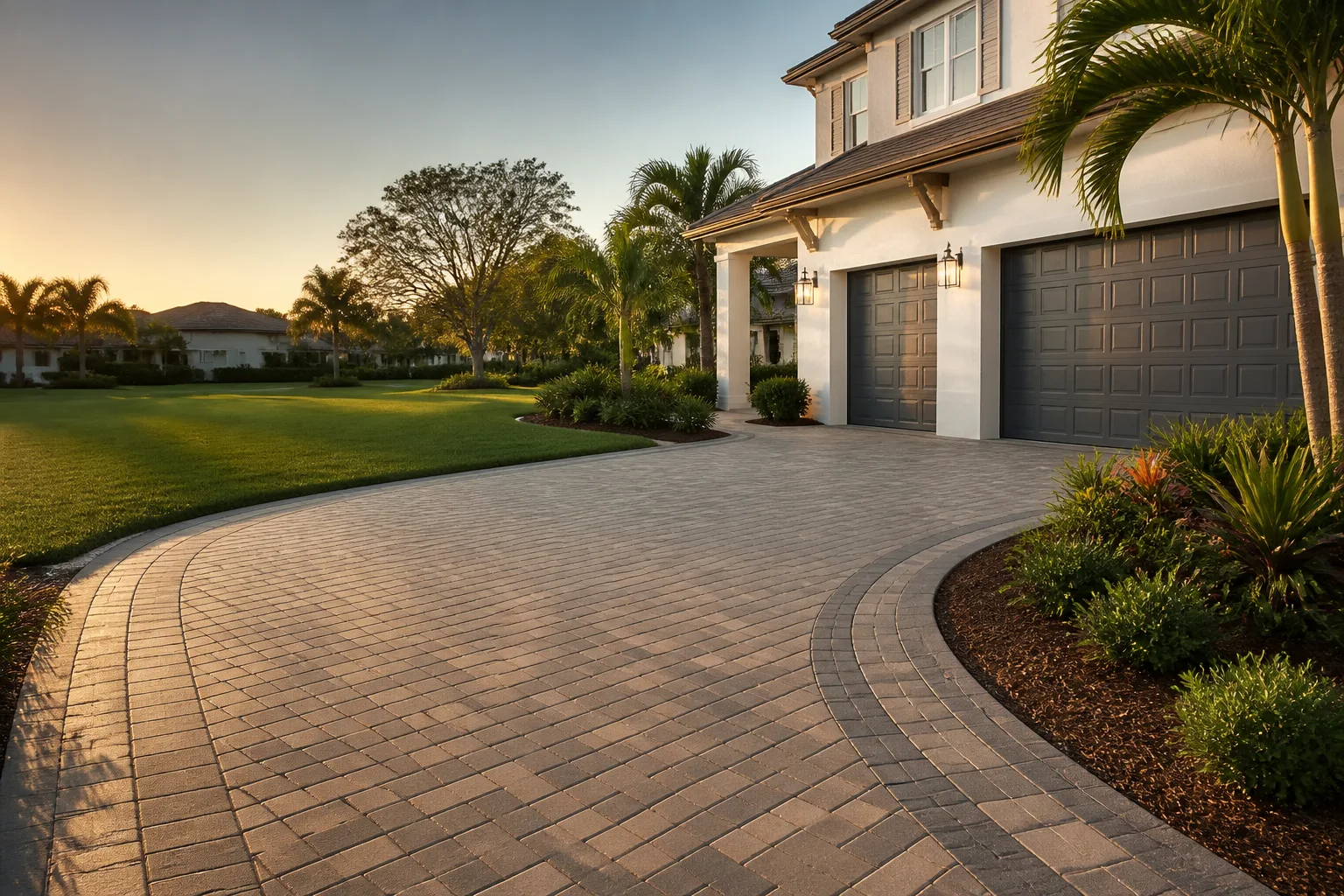
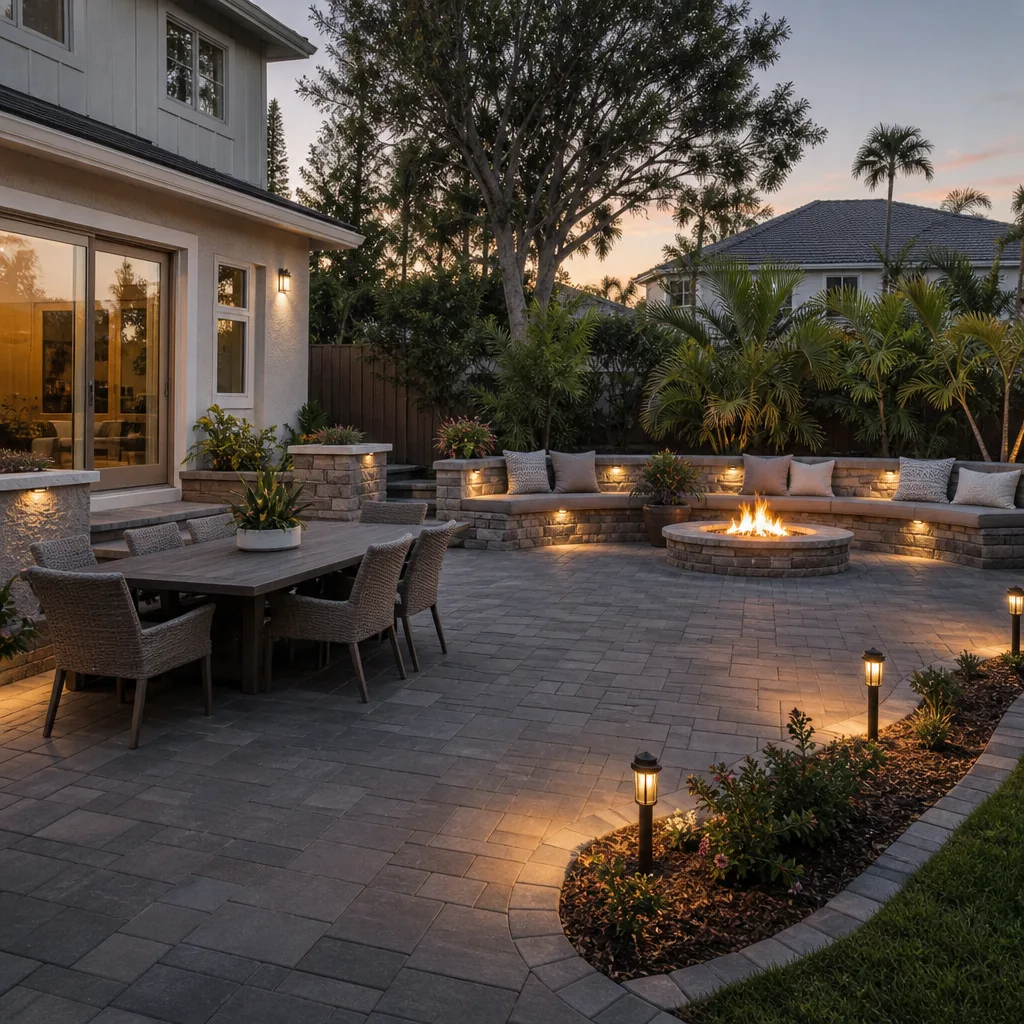
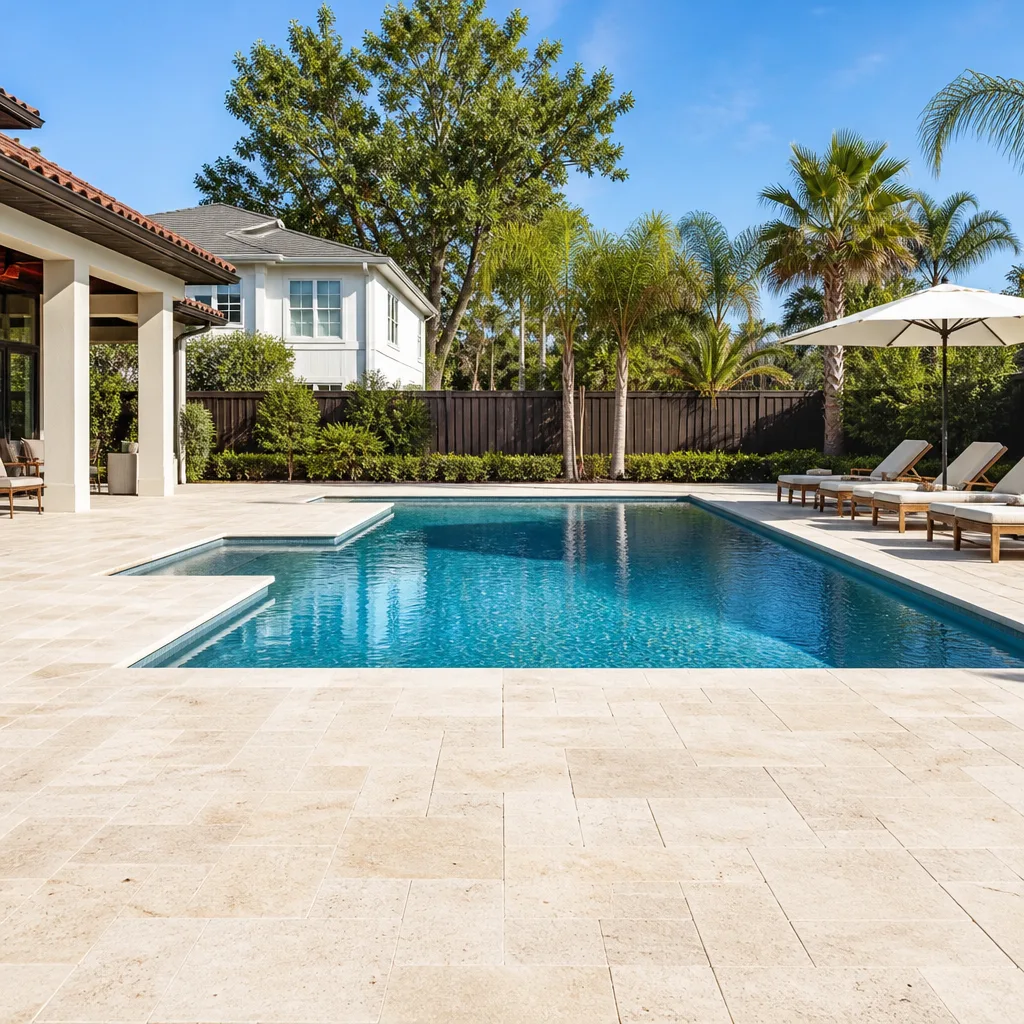
The pattern affects more than looks. The herringbone and running-bond layouts lock units together at the edges better than a simple stacked bond, which is why we usually recommend one of those two for a driveway that takes vehicle load. An edge restraint set in concrete, rather than soil, is what keeps the border from splaying out over time.
Slope is the other detail to watch. A driveway that holds water in a low spot will settle that spot into a puddle pit within a couple of years. The one-to-two percent grade away from the house should be established in the subgrade and the surface, so the water leaves rather than pools. Where drainage needs a hand, a trench drain at the break is cheaper now than a re-grade later.
Joints matter too. In Arlington’s July heat, pavers expand, and joints with polymeric sand absorb that movement. Skip the sand and weeds fill in by fall, and washout takes the joint within a season.
The Best Time of Year to Install Pavers in Arlington
Spring and fall are the friendliest months, because the soil is neither saturated from April rain nor baked dry in August. The clay schedule matters here: installing right after a wet stretch means compacting base over soft, active subgrade, which is asking for settlement. Installing in deep summer means the soil and base need honest moisture control to reach full compaction.
The practical calendar most Arlington crews settle into is early spring through early summer, then again when the worst heat breaks in late September. Winter installs are fine on dry weeks, though the shorter days slow down a full driveway. If your driveway is already settled from last season, don’t wait for a “better month” to fix it – a sunken spot can collect water and slowly worsen the subgrade around it.
Maintaining a Paver Driveway in North Texas
Maintenance is thin if the build is right. Sweep or blow off the surface, and top up the polymeric joint sand every couple of years where it wears low. If a single paver cracks or a corner settles, the beauty of pavers is that it lifts out for a replacement without tearing up the whole driveway – a $30 fix instead of a $5,000 one.
Two seasonal habits make a difference in Arlington. After heavy spring rains, look for soft or sunken spots and address them before summer baking sets the subgrade movement in. And keep water moving away from the foundation with the grade you designed; a driveway that routes water toward the house is a foundation problem in a shrink-swell soil, not just a driveway problem. If you’re considering a matching path or patio, our Fence Installation in Arlington and driveway teams often coordinate on the same hardscape plan, since drainage and grade are shared across both.
Common Mistakes to Avoid
- Accepting a four-inch base on clay. The biggest single cause of early failure in Arlington. Blackland Prairie movement needs six to eight inches, geotextile, and honest compaction.
- Skipping the geotextile fabric. Without it, clay fines pump up into the gravel over a few wet seasons and the base loses its ability to drain and support load.
- Not pulling the permit. City of Arlington review catches impervious-cover and drainage problems early and gives you a documented improvement for resale.
- Ignoring the impervious-cover limit. A wider driveway or a late-added patio can push you over the ceiling and complicate the sale later.
- Choosing on price per square foot alone. A $9 bid and a $16 bid are rarely the same base depth, haul-off, edging, or warranty. Compare line by line.
- Skipping polymeric sand. In North Texas sun, brick and paver colors are stable, but weed growth and joint washout are not – the sand is the cheap insurance.
- Installing during wet clay season without moisture control. Compacting over saturated subgrade leads to settlement within a few seasons.
See the difference
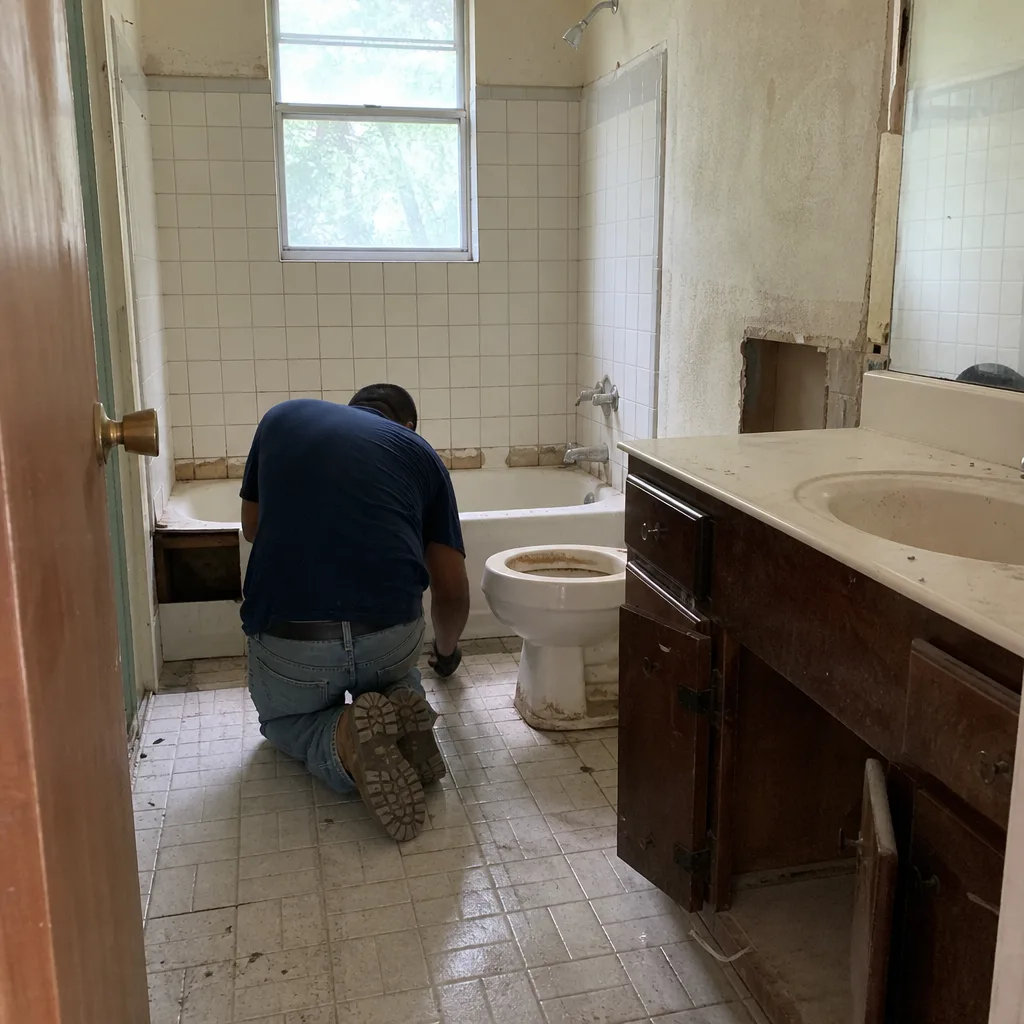 Before
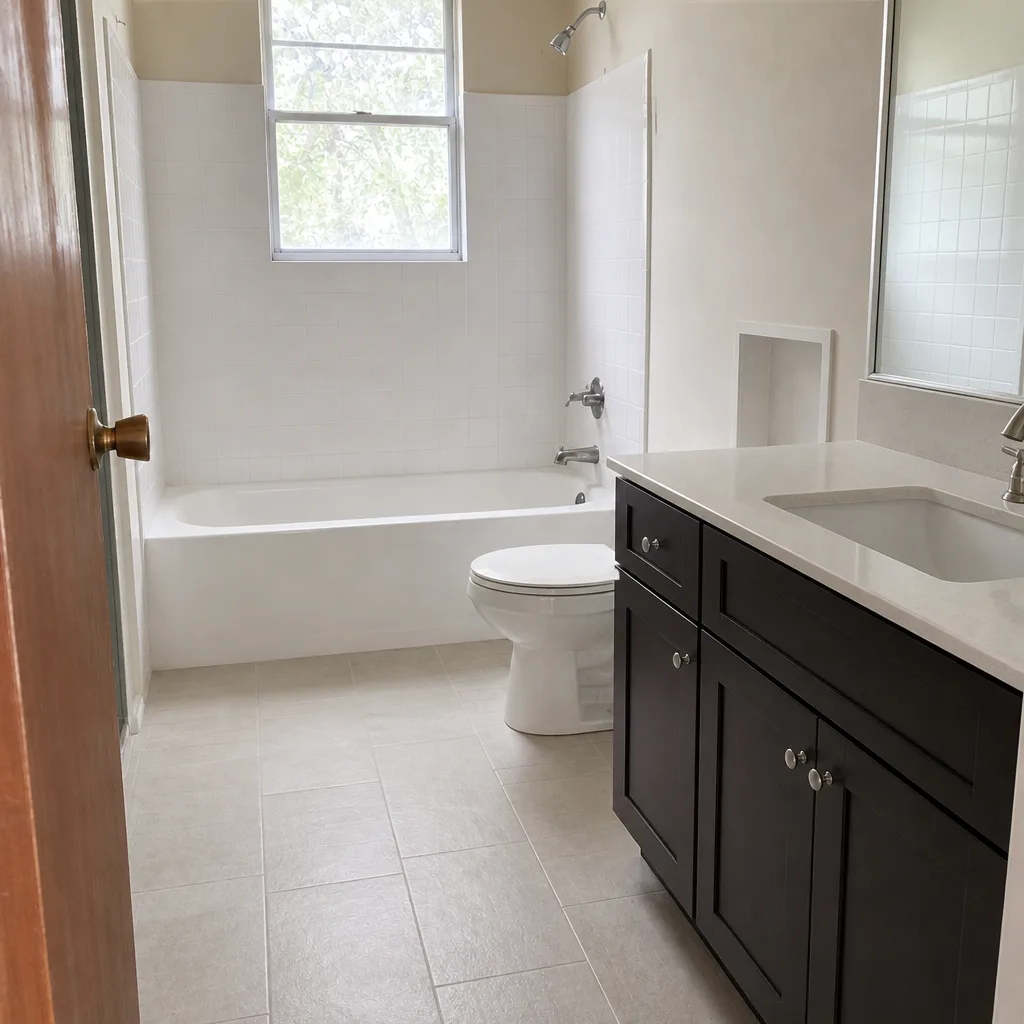 After
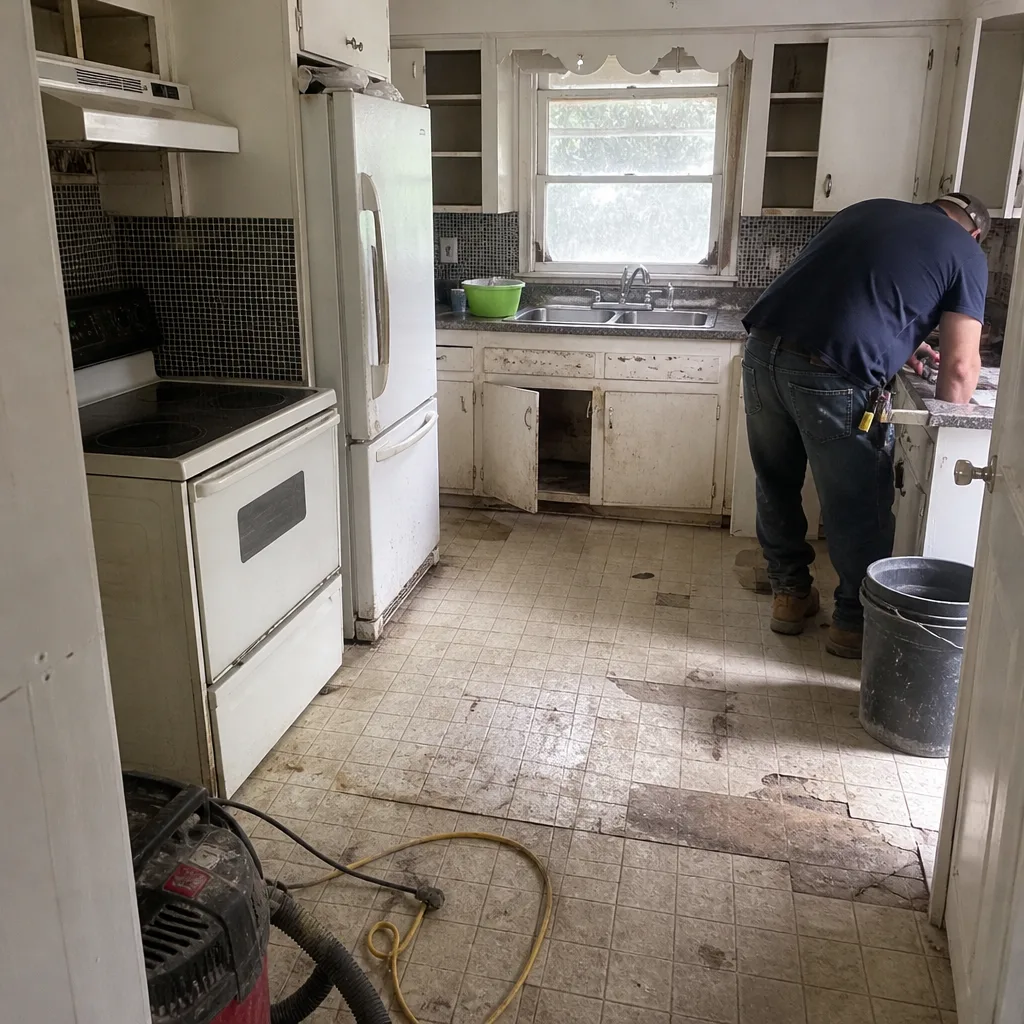 Before
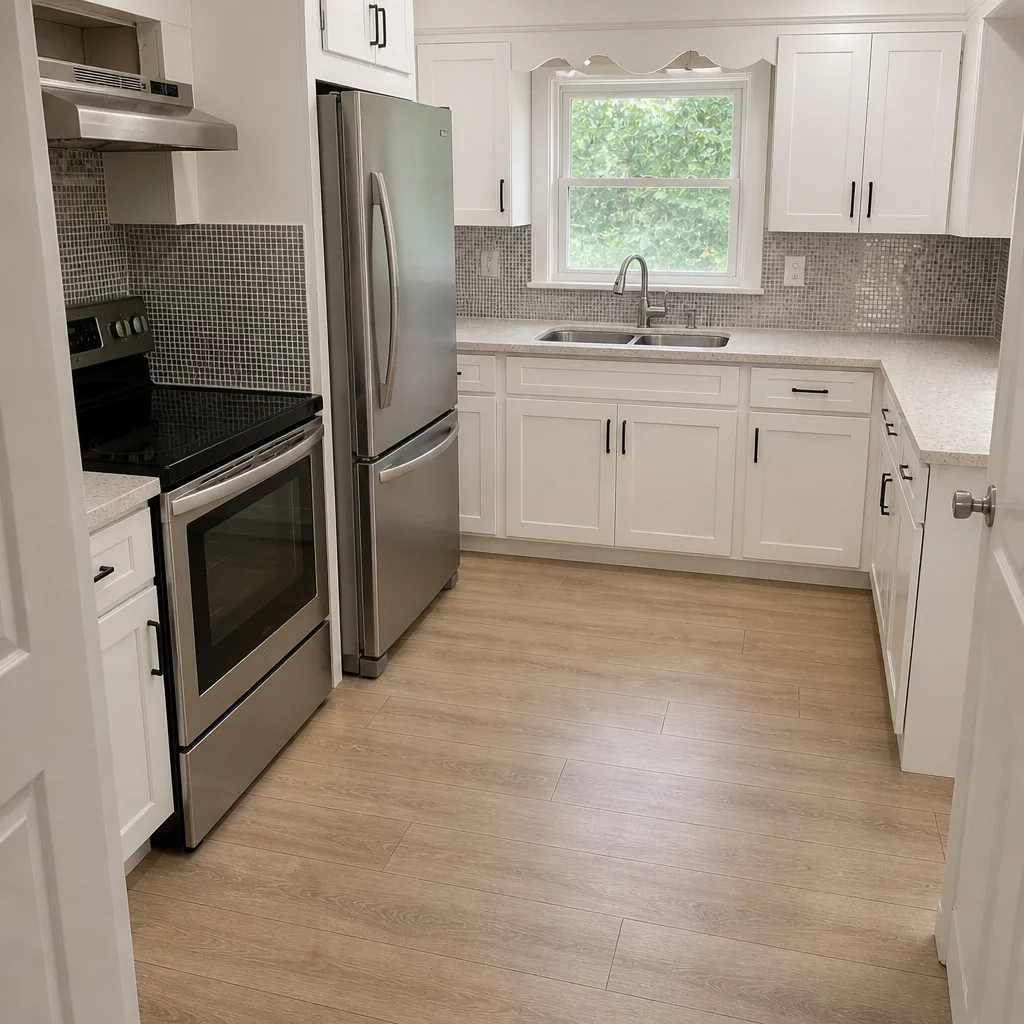 After
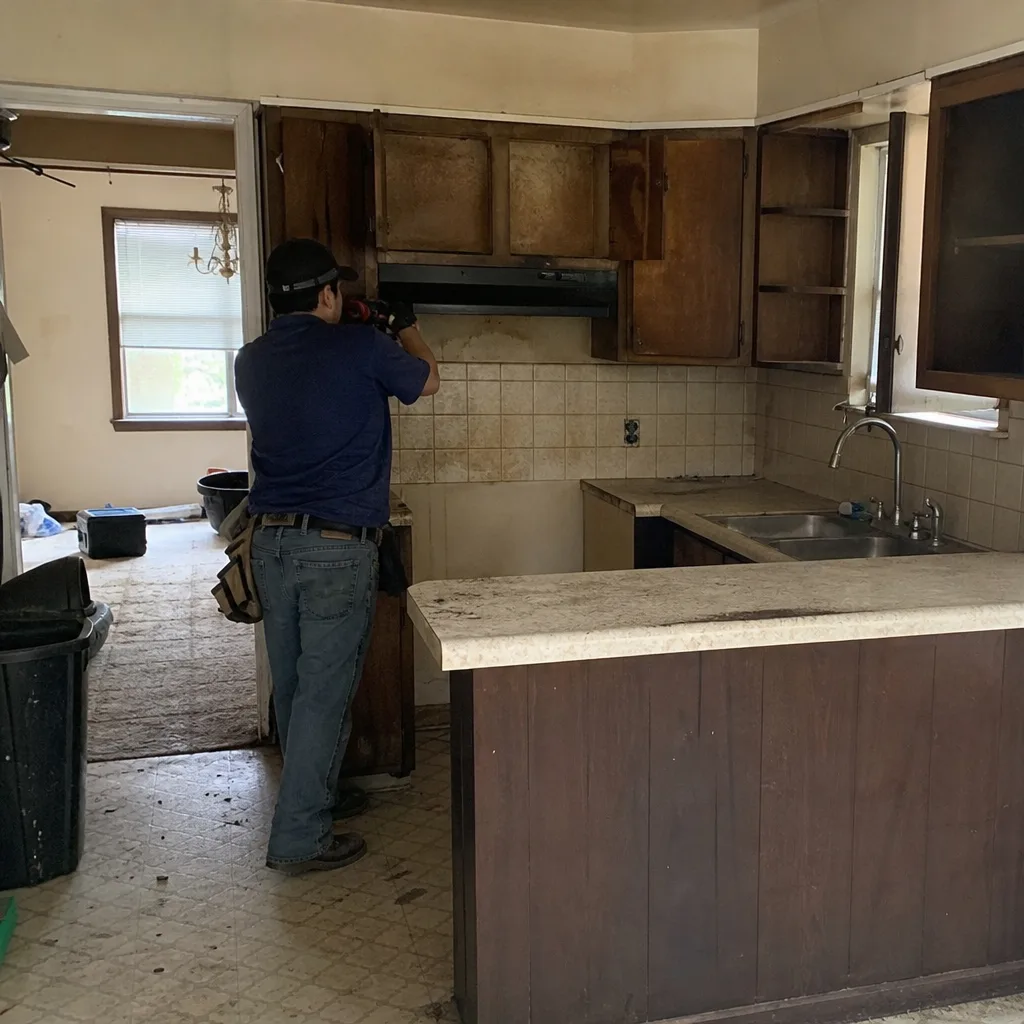 Before
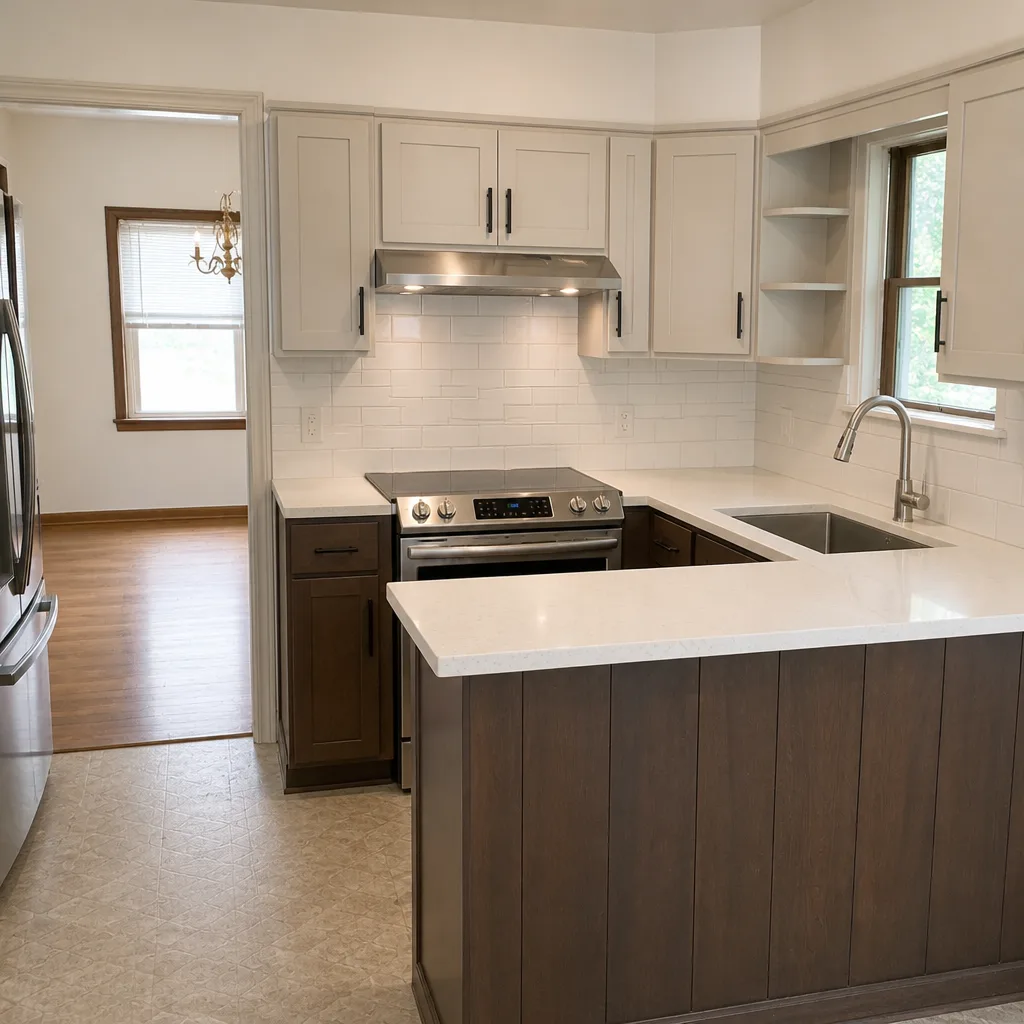 After
When to Call a Professional
Call a professional when the driveway has settled into low spots that hold water, when cracks or heaving suggest the subgrade is failing rather than the surface, or when you’re planning a replacement, widening, or new build. Those jobs involve excavation depth decisions, geotextile placement, compaction testing, and a City of Arlington permit – all things that are hard to judge by eye and expensive to fix after the fact. And any time the base is being cut into, the work is inspecting the subgrade you can’t see. Rowan Construction Group Arlington offers free estimates in Arlington, with a written flat price and a written scope before anything is dug up – call (844) 761-7521.
Frequently Asked Questions
Installed, concrete pavers typically run $12 to $22 per square foot in Arlington, clay brick $16 to $28, permeable pavers $18 to $30, and asphalt $5 to $9. A 500-square-foot two-car driveway lands around $6,000 to $11,000 in concrete pavers. Call (844) 761-7521 for an exact written quote – estimates are free.
Because the subgrade under that spot is moving with the Blackland Prairie clay and the base above it isn’t deep or compacted enough to bridge the movement. A four-inch base over expansive clay lets the surface ride the clay. Fixing it means re-excavating that section, adding geotextile, and rebuilding to six to eight inches.
Generally yes – a driveway replacement or expansion in Arlington needs a permit from the City’s Development Services office, and the review checks impervious cover and drainage. The apron at the street may sit in the city right-of-way with its own specs. A contractor should pull it before any digging begins.
A properly built paver driveway over a deep base lasts 20 to 30 years with light maintenance, while a thin-base install often fails at six to ten. The difference comes down to base depth, geotextile, compaction, and drainage – not the paver brand.
Permeable pavers work well in Arlington when they’re designed with the right aggregate reservoir beneath, and they can help with impervious-cover limits and runoff. They cost more upfront ($18 to $30 per square foot), so the decision usually comes down to lot drainage and any HOA rules.
It shouldn’t if the scope is written clearly. Under Clause 1 of the Haven Standard, the price is written before anyone starts, and no work proceeds on a change until the change order is signed. Call (844) 761-7521 to see a written scope up front – it’s free.
The Bottom Line
In Arlington, the driveway that lasts 25 years is the one whose base was cut to six or eight inches, laid over geotextile fabric, and compacted in lifts over expansive clay. Paver brand and pattern matter far less than that. Concrete pavers run $12 to $22 per square foot installed, brick and permeable cost more, and asphalt costs less but won’t last as long in Texas heat. Get the permit, respect the impervious-cover limit, and read your bid line by line – the five items on this page tell you whether a number is thorough or thin.
Ready for a written price before any work starts? Rowan Construction Group Arlington offers free estimates with a flat price, a written scope, and the 365-Day Done Right Promise behind it. Call (844) 761-7521 to schedule yours – a live person answers around the clock, and every visit includes a documented photo record of what we found and what we recommend.
Written by the team at Rowan Construction Group Arlington.