Last updated November 18, 2026


Free written scope consultation - allowances, timeline, and change-order rules on paper before a single trade is scheduled
The Complete Guide to Construction in Arlington
Arlington sits on expansive clay soil rated CH on the Unified Soil Classification System. That single fact adds $4,000 – $12,000 to foundation work that identical projects in sandy-soil cities skip entirely, yet fewer than one in five homeowners hears it before signing a contract. This guide maps the actual decision tree a homeowner faces in Arlington, from the zoning check at the Development Services Department to the certificate of occupancy, with dollar figures attached at each gate. You’ll learn how Arlington’s review timelines differ from Dallas and Fort Worth, which trades need separate licensed subcontractors under Texas law, how to read a bid package line by line, and what has to pass inspection before a space is legally occupiable.
Quick Answer
Construction in Arlington, TX runs on three gates: zoning and permitting through the city’s Development Services Department, a foundation design built for expansive CH-rated clay soil, and a certificate of occupancy issued only after a sequenced set of inspections passes. Budget a geotechnical report ($400 – $800), a review window that typically runs longer than Fort Worth’s, and a fixed-price bid with written line items. Skipping any gate costs more later.
Styles & brands we work with
- Kitchen remodeling
- Bathroom remodeling
- Home additions & ADU
- Roofing
- Windows & doors
- Driveway & pavers
- Fence
Table of Contents
- How Arlington’s Permit and Review Process Works
- Expansive Clay Soil and What It Costs You
- The Seven Trade Categories and Who Must Be Licensed
- How to Read a Bid Package
- Fixed-Price vs. Cost-Plus Contracts in Plain Terms
- The Certificate of Occupancy Checklist
- Scheduling a Project Around Arlington’s Timelines
- Common Mistakes to Avoid
How Arlington’s Permit and Review Process Works
Arlington’s Development Services Department reviews residential permits on a different clock than either of its neighbors. In our experience, homeowners coming from Dallas or Fort Worth are often surprised that a straightforward room addition here can sit in plan review longer than they budgeted for. The city’s review queue moves in a defined order, and knowing it lets you schedule realistically rather than optimistically.
The process starts before you draw anything. A zoning check confirms setbacks, lot coverage, and height limits for your specific parcel. Only after that do you submit construction drawings. Then comes plan review, followed by permit issuance, inspections, and finally the certificate of occupancy.
- Zoning verification – confirm setbacks and lot coverage for your parcel before design begins.
- Drawing submission – submit stamped plans; foundation design must match your soil report.
- Plan review – the city reviews structural, electrical, plumbing, and mechanical scopes.
- Permit issuance – you cannot legally start work before this point.
- Sequenced inspections – foundation, framing, rough-in, and final, in that order.
- Certificate of occupancy – issued only after every prior inspection passes.
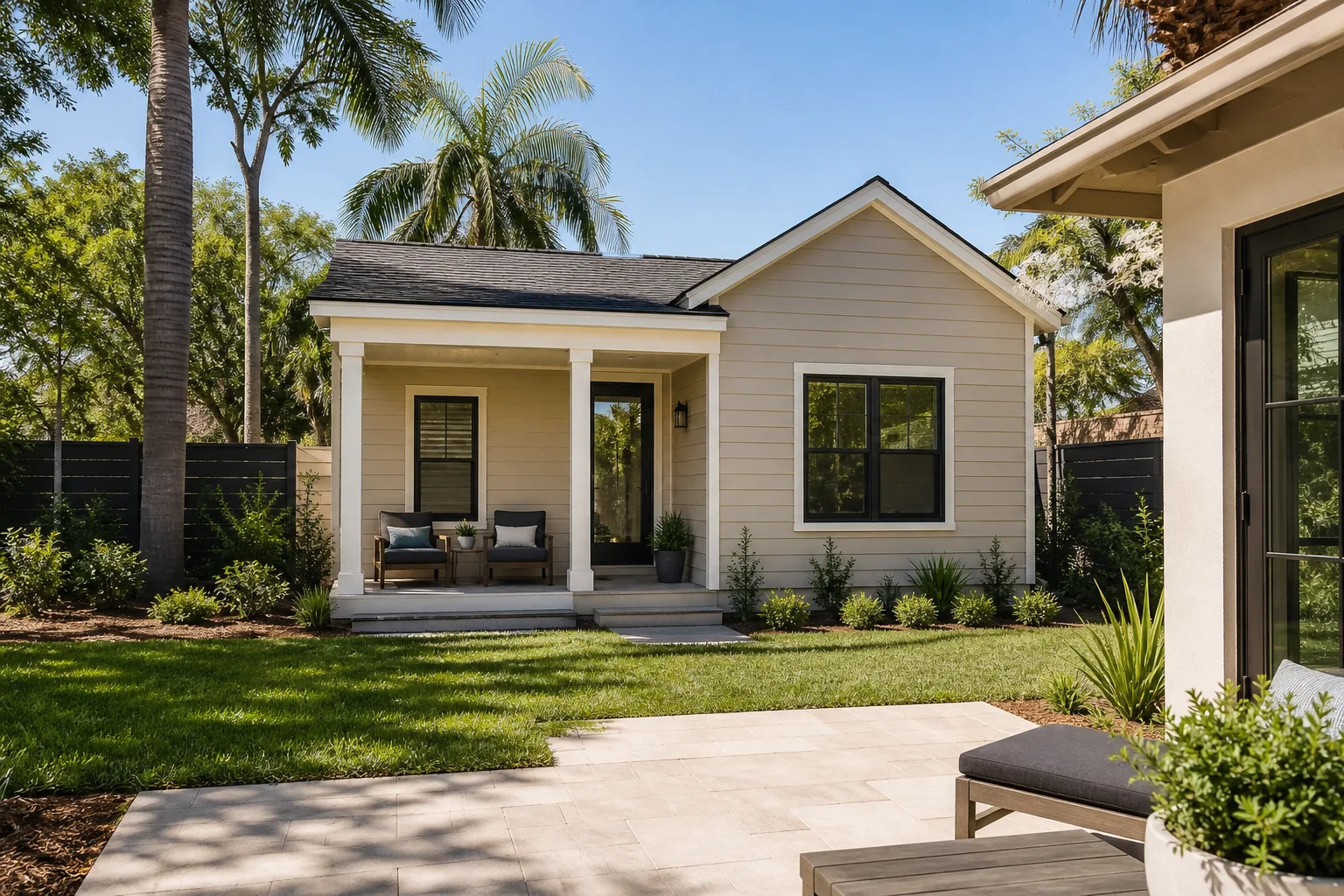
The practical takeaway: build the review window into your schedule as a real line item, not a guess. A contractor who quotes you a start date before the zoning check is finished is quoting a wish. For projects that expand your footprint, the review sequencing matters even more, which is why we walk homeowners through Home Additions & ADU in Arlington planning before a single permit is filed.
Expansive Clay Soil and What It Costs You
Arlington’s soil is the single most under-discussed cost driver in local construction. A plasticity index above 40 means the clay swells when wet and shrinks when dry, and that movement transfers directly into your foundation if it wasn’t designed for it. A geotechnical report runs $400 – $800 and tells your engineer exactly what the soil under your specific lot does. That report routinely pays for itself many times over.
Why it matters in dollars: identical projects built on sandy soil elsewhere skip the deep footings, the moisture barrier, and the reinforced slab detail that Arlington lots often require. Those elements add $4,000 – $12,000 to foundation work. Homeowners who skip the soil report and build a standard slab find out the difference the hard way, usually as stair-step cracks in brick veneer two summers later.
- Geotechnical report: $400 – $800, and it should precede foundation design.
- Reinforced slab or pier detail: the $4,000 – $12,000 range most often quoted for CH-rated clay.
- Moisture management: grading and drainage that keeps water uniform around the perimeter.
- Post-tension or drilled pier options: specified by the engineer based on your report, not chosen by habit.
In our experience across Arlington, the neighborhoods with the widest soil swings are the ones where foundation conversations deserve the most attention. A written quote that doesn’t mention your soil condition is a quote for a different lot than yours.
The Seven Trade Categories and Who Must Be Licensed
Residential construction breaks into seven trade categories, and under Texas law the licensing picture is not uniform across them. Understanding which scopes require a separately licensed subcontractor protects you from a general contractor who plans to “handle it all.” Some trades here are licensed by the state, others are handled through local registration or not licensed at all, and the difference affects who is legally accountable for the work.
- Concrete – foundations, slabs, driveways, and flatwork. Soil preparation drives quality here more than the mix.
- Framing – structural wood or steel. Inspected before any insulation or drywall closes the walls.
- Roofing – shingles, underlayment, flashing. GAF and Owens Corning systems are common specs, and layer count matters.
- Electrical – licensed by the state of Texas; requires a separate licensed electrician for permitted work.
- Plumbing – state-licensed; separate licensed plumber required for permitted scope.
- HVAC – state-licensed; separate licensed technician required for permitted installation and change-outs.
- Finish – drywall, trim, paint, tile, cabinetry. No state license, but the visible result and the warranty live here.
The licensed trades (electrical, plumbing, HVAC) are the ones where a permit pulls a specific name and license number. When you review a bid, ask which licensed subcontractor is named for each of those three. If the answer is vague, that’s a signal. Kitchen work is a good test case, since it touches nearly every trade at once; see how we sequence it in Rowan Construction Group Arlington home.
How to Read a Bid Package
A bid package is only as good as its line items. The difference between a number you can compare and one you can’t is whether the scope is written down. Every Rowan project comes with a flat written price and a written scope before work begins, and that discipline is the whole reason a quote is useful to you.
Here’s what to demand and what to flag:
- Line-item pricing, not lump sums. You should see materials and labor broken out per trade, not one total number with no detail.
- Allowances called out explicitly. A $2,000 allowance for tile against $8,000 of your own selections is a hidden increase. Flag every allowance and ask what happens if you exceed it.
- Named brands and specs. KraftMaid or Wellborn cabinets, James Hardie siding, GAF shingles – the spec should name the product, not say “quality cabinets.”
- Exclusions in writing. What the bid does NOT include is as important as what it does.
- Change-order procedure. Under our practice, no work proceeds on a change until the change order is signed. Ask any contractor what their written procedure is.
- Warranty terms. A written warranty with named coverage beats a verbal promise every time.
Bring any written estimate to us for a free second opinion. We’ll review it line by line at no charge, because a package you can’t read is a package you can’t compare.
Fixed-Price vs. Cost-Plus Contracts in Plain Terms
A fixed-price contract names one number for a written scope; a cost-plus contract pays the contractor actual costs plus an agreed markup. The first gives you certainty and puts cost-overrun risk on the contractor. The second gives flexibility but leaves the final number open until the work is done.
For most Arlington homeowners, fixed-price is the right structure for a defined project. You know the number, you can budget against it, and the incentive to control costs sits with the builder. Cost-plus can make sense on projects with genuinely unknown scope, such as a remodel where the wall might hide old plumbing. But even then, the unknown portion should be a bounded allowance, not an open door.
Whichever structure you choose, the contract should spell out three things: the written scope, the price, and the change-order procedure. If a contractor resists putting the price in writing before work starts, that tells you more than any reference call. Our 365-Day Done Right Promise exists because if it’s not done right, we make it right – and that commitment only means something when the scope was written down to begin with.
The Certificate of Occupancy Checklist
A certificate of occupancy is the document that makes a space legally usable, and it’s issued only after a specific sequence of inspections passes. In Arlington, as elsewhere, the inspections run in a fixed order, and each one depends on the prior one being signed off. Miss the order and you pay for re-inspection and delay.
- Foundation inspection – reinforcement and formwork checked before concrete is poured.
- Framing inspection – structural members and sheathing verified before walls close.
- Rough-in inspections – electrical, plumbing, and mechanical checked before insulation and drywall.
- Insulation and energy code inspection – thermal envelope verified to code.
- Final trade inspections – electrical, plumbing, and HVAC finals confirmed.
- Final building inspection – overall construction verified against approved plans.
- Certificate of occupancy issued – the space is now legally occupiable.
Each gate depends on the one before it, so a single failed inspection pushes everything downstream. The most common failure points we see are foundation reinforcement and rough-in work hidden behind drywall. Both are cheap to fix before the wall closes and expensive after.
Scheduling a Project Around Arlington’s Timelines
Because Arlington’s review clock differs from Dallas and Fort Worth, a project schedule that worked in a neighboring city doesn’t automatically transfer. The honest schedule is built backward from the certificate of occupancy, with the review window as a real block and the inspection sequence as a hard-wired chain.
Scheduling also depends on trade coordination. The licensed trades – electrical, plumbing, HVAC – each pull their own permits and each need their own inspection slot. If those aren’t sequenced with the framing and rough-in, you get idle weeks. Outdoor work adds its own timing: paver and fence projects need to land in dry stretches, and our Driveway & Pavers in Arlington and Fence Installation in Arlington guides explain how seasonal windows affect those scopes specifically.
Build in slack for the review window and for inspection re-scheduling. A schedule that assumes perfect flow is the schedule that slips. A schedule that names each gate and its dependency is the one you can trust.
Common Mistakes to Avoid
- Skipping the geotechnical report. Saving $400 – $800 up front is the fastest way to discover a $10,000 foundation fix two years later. The clay here is not forgiving.
- Starting before permit issuance. Arlington’s Development Services Department allows no legal work before the permit is issued. Starting early voids your inspection chain.
- Accepting a lump-sum bid with no line items. A single number you can’t break down is a number you can’t compare or hold anyone to.
- Ignoring allowances. A tile or fixture allowance that’s half your actual selections becomes an unwelcome increase. Flag every allowance before you sign.
- Letting a general contractor cover licensed trades. Electrical, plumbing, and HVAC need separately licensed professionals under Texas law. Confirm who is named on each.
- Skipping a free second opinion. Comparing one written estimate against another line by line is the cheapest risk reduction available.
- Signing a contract with no written change-order procedure. Without one, verbal changes turn into disputes. No work should proceed on a change until the change order is signed.
See the difference
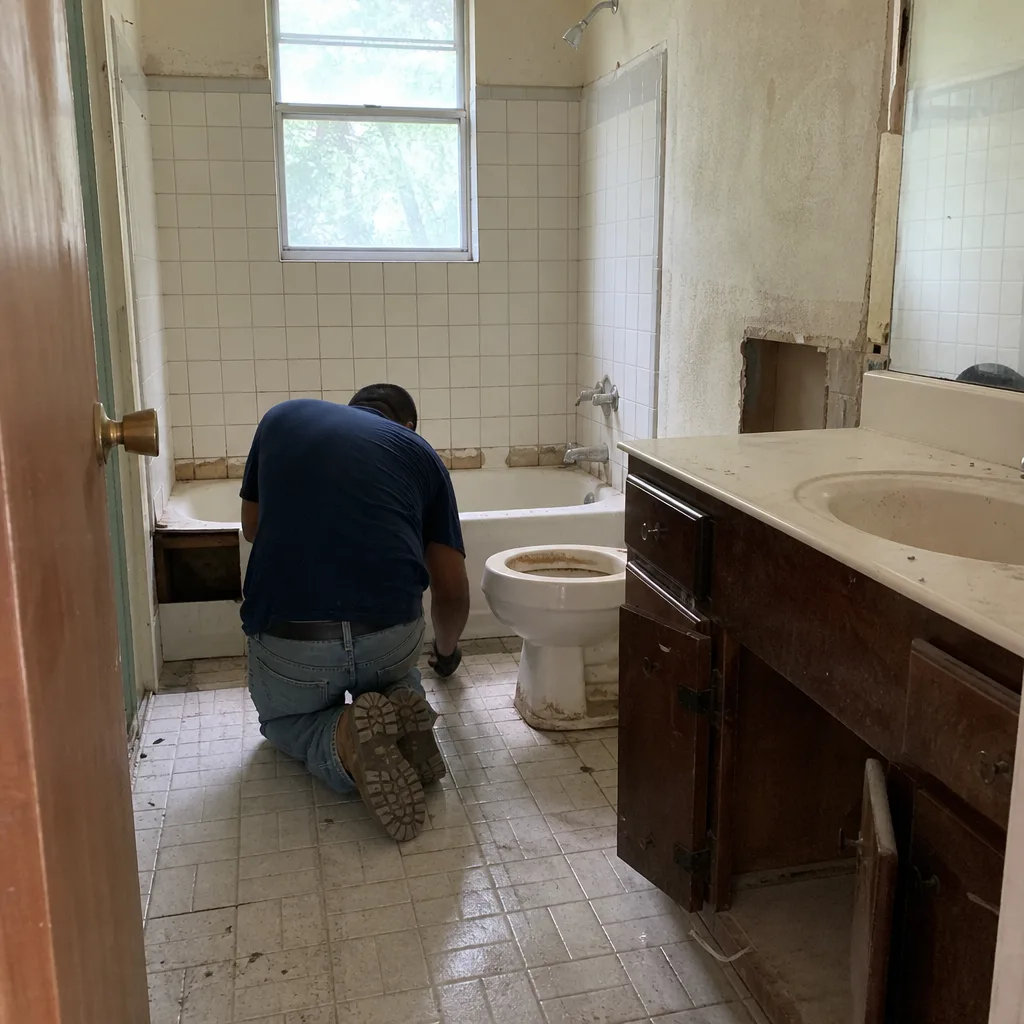 Before
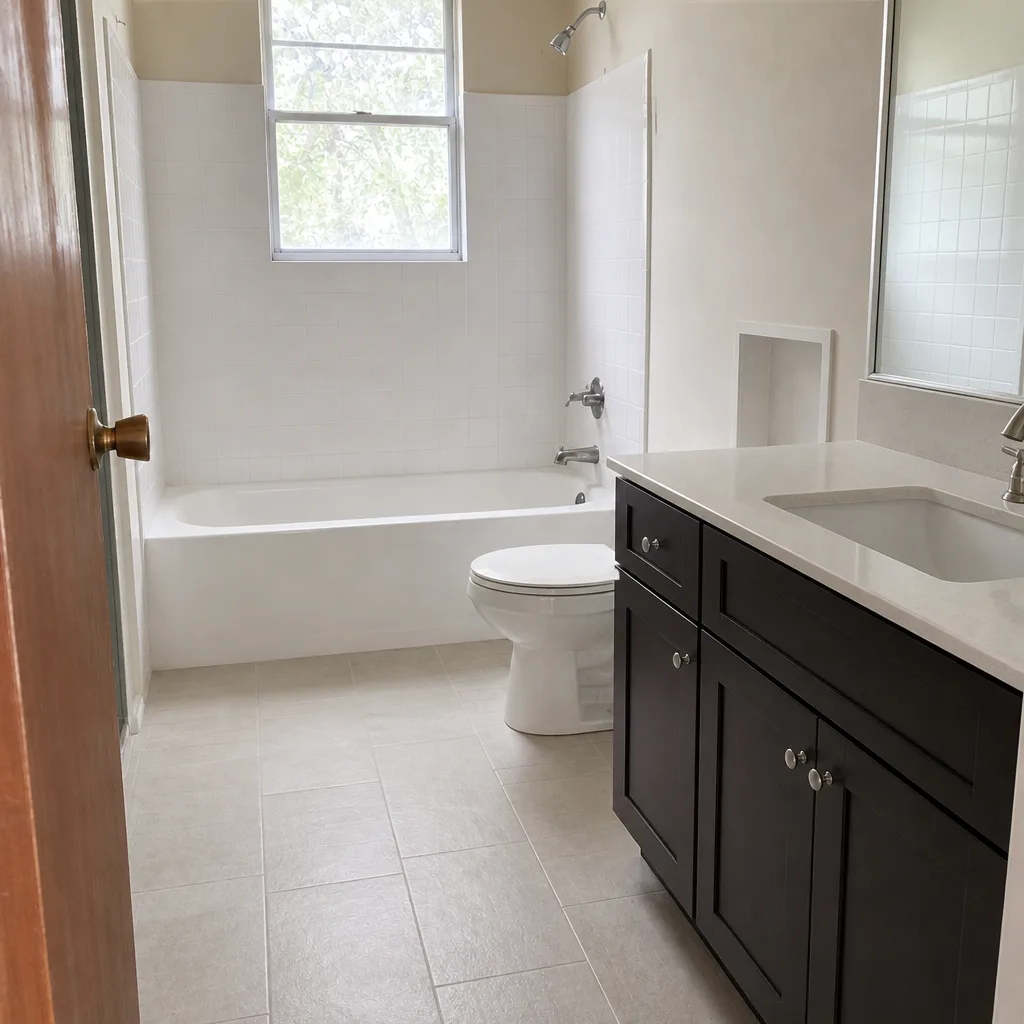 After
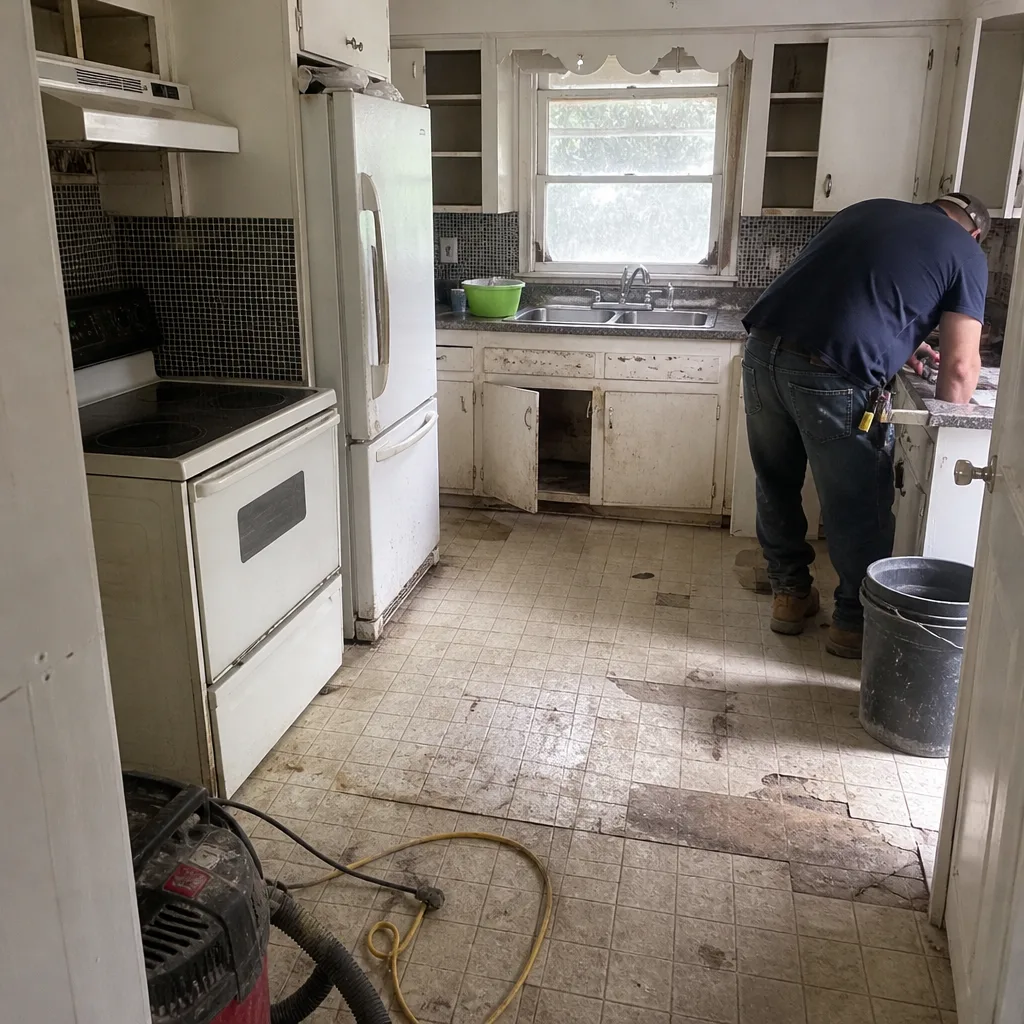 Before
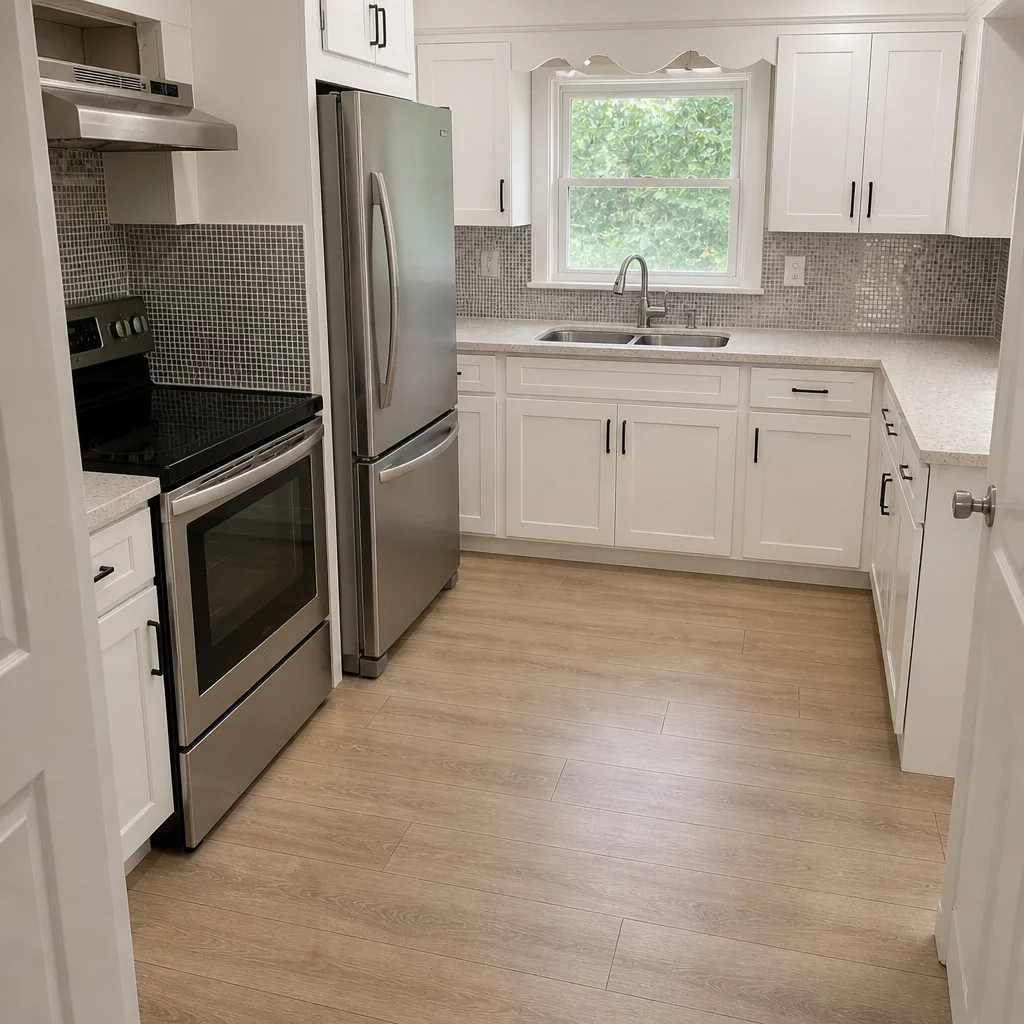 After
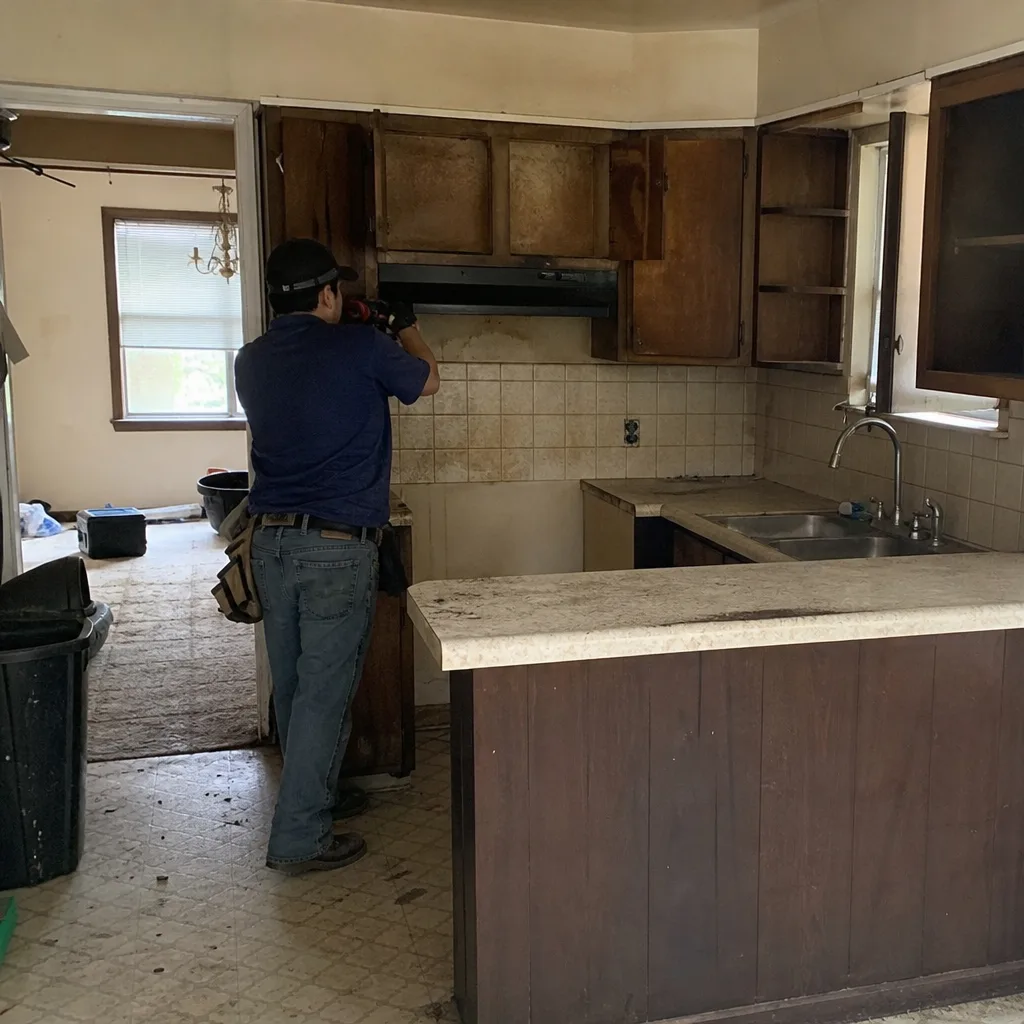 Before
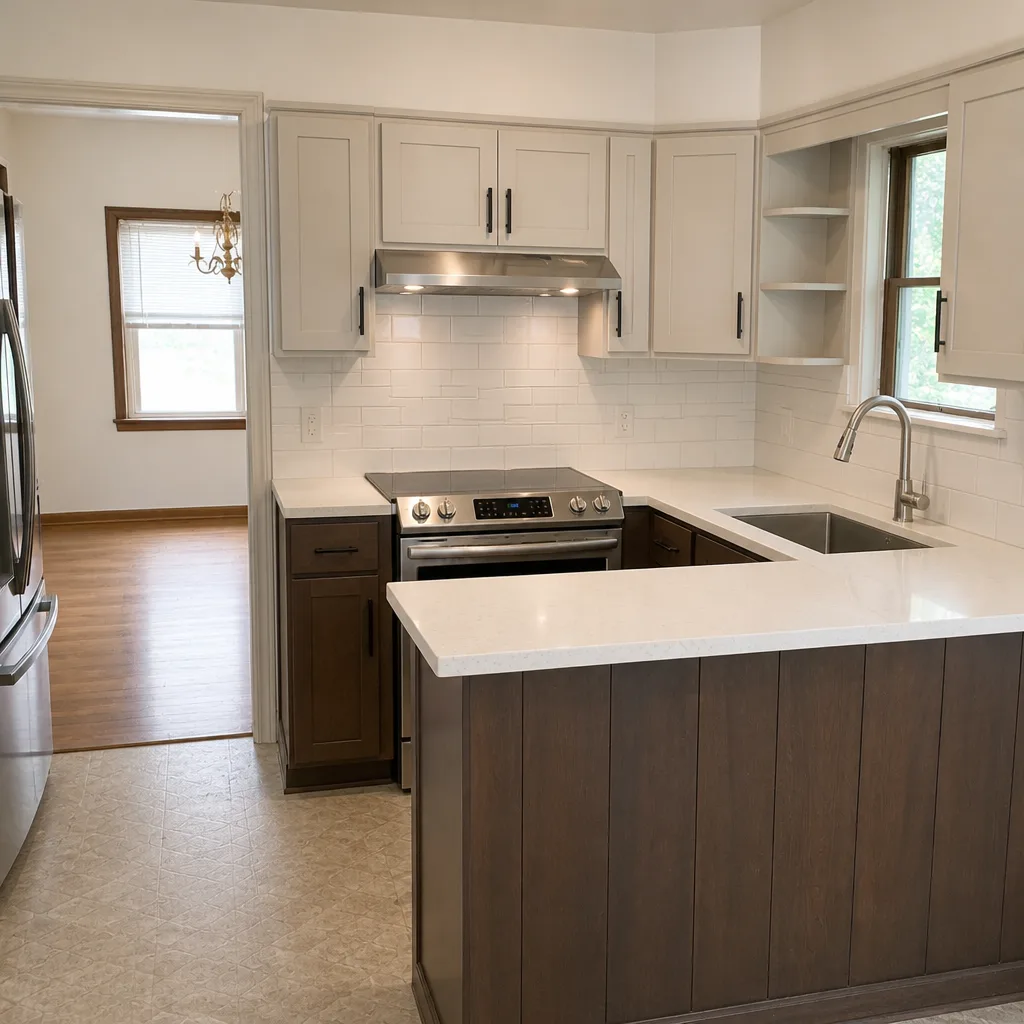 After
When to Call a Professional
Some work is genuinely not a homeowner project. If your foundation design depends on a soil report you haven’t commissioned, if any electrical, plumbing, or HVAC scope touches a permit, or if the plan needs a certificate of occupancy to be legal, call a professional. Roofing above a single story, structural framing, and anything that changes your building envelope fall in the same category. The licensed trades exist because the failure modes are dangerous, not because contractors want the work. Rowan Construction Group Arlington offers free estimates in Arlington – call (844) 761-7521, and we’ll put a written price and scope in front of you before any work begins. A live person answers 24/7, and every visit includes a documented photo record as standard.
Frequently Asked Questions
Arlington’s Development Services Department typically takes longer in plan review than a comparable submission in Fort Worth, though the exact window depends on scope and completeness. Build the review period into your schedule as a real block and submit complete drawings with a soil-appropriate foundation design to avoid back-and-forth. Call (844) 761-7521 for a written estimate that accounts for the review process.
Arlington’s expansive CH-rated clay soil requires reinforced slabs or deeper footings that sandy-soil cities often skip, adding roughly $4,000 – $12,000 to identical projects. A geotechnical report ($400 – $800) tells your engineer what your specific lot needs. A written quote should reference your soil condition, not assume it. Call (844) 761-7521 to get a written price for your lot.
Electrical, plumbing, and HVAC are licensed by the state of Texas and require separately licensed professionals for permitted work. Concrete, framing, roofing, and finish do not carry the same state license but still require skilled crews and proper permits. Ask any contractor which named licensed subcontractor handles each licensed trade. Estimates are free – call (844) 761-7521.
A fixed-price contract names one number for a defined scope and puts overrun risk on the contractor; a cost-plus contract pays actual costs plus an agreed markup and leaves the final number open. Fixed-price suits most defined Arlington projects, while cost-plus can fit unknown-scope remodels if bounded with allowances. Call (844) 761-7521 to review your options with a written price in hand.
The certificate of occupancy is issued only after a fixed sequence of inspections passes: foundation, framing, rough-in (electrical, plumbing, mechanical), insulation and energy code, final trade inspections, and a final building inspection. Each gate depends on the one before it. A written scope maps these inspections so nothing gets skipped – call (844) 761-7521 for a free estimate.
A geotechnical report is strongly recommended in Arlington because the clay soil’s plasticity index can exceed 40, meaning it moves significantly with moisture. The report runs $400 – $800 and directs your foundation engineer’s design. Building without one risks expensive repairs down the line. Call (844) 761-7521 to get a written quote that includes soil-appropriate foundation work.
The Bottom Line
Construction in Arlington is decided by three gates – permitting through Development Services, foundation design for expansive clay, and the inspection sequence that ends in a certificate of occupancy – and each gate has a dollar figure attached. The geotechnical report costs $400 – $800 and prevents a $4,000 – $12,000 foundation surprise. Licensing under Texas law means electrical, plumbing, and HVAC each need a separately licensed professional. And a bid package is only as good as its written line items and its change-order procedure. Get the price in writing before anyone picks up a tool.
Ready to put a number on paper? Reach Rowan Construction Group Arlington at (844) 761-7521 for a free estimate. We’ll deliver a written price and scope before any work starts, backed by the 365-Day Done Right Promise and our Free Second Opinion on any written estimate you bring us. Call today – estimates are free.
Written by the team at Rowan Construction Group Arlington.