Last updated November 18, 2026

Free written scope consultation - allowances, timeline, and change-order rules on paper before a single trade is scheduled
Driveway & Pavers Maintenance Checklist for Arlington Homeowners
A paver joint that has lost its polymeric sand filler reads as a cosmetic flaw. Nobody calls a contractor over a little grit between stones. But give that open joint two North Texas freeze-thaw cycles and it becomes a water channel, and a water channel is how a $180 re-sanding job quietly turns into a $2,400 section reset. In our experience across Arlington, that progression is the rule, not the exception. This guide is the calendar we’d hand a neighbor: what to check each season, what it costs, and the exact thresholds that separate a Saturday-morning touch-up from a call to a professional. Every number here is one you can use to plan.
Styles & brands we work with
- Kitchen remodeling
- Bathroom remodeling
- Home additions & ADU
- Roofing
- Windows & doors
- Driveway & pavers
- Fence
Quick Answer
Maintain Arlington pavers with four seasonal tasks: re-sand open joints in spring before the rain season, seal concrete pavers against summer UV fade, check for settlement of 3/8 inch or more in fall, and redirect downspout flow away from the driveway before winter freeze-thaw. Total annual material cost runs roughly $150 to $400 for a typical two-car driveway. Do the checks on schedule and you interrupt the failure sequence before repair costs pass $3,000.
Table of Contents
- Why Arlington Pavers Fail in a Predictable Sequence
- Spring Task: Inspect Joints and Re-Sand
- Summer Task: Seal Against UV and Heat
- Fall Task: Check for Differential Settlement
- Winter Task: Manage Water Before the Freeze
- The Downspout Problem Nobody Catches Early
- DIY-Viable Repairs vs. Signs of Base Failure
- Common Mistakes to Avoid
- When to Call a Professional
- Frequently Asked Questions
Why Arlington Pavers Fail in a Predictable Sequence
Arlington sits on some of the most active expansive clay soils in Texas. That clay swells when it absorbs water and shrinks hard as it dries, and the wet-dry swing is where pavers get hurt. The sequence almost always goes the same way:
- A joint loses its polymeric sand. This can be a bag of sand that was under-filled at install, or simply UV breakdown after two summers of Arlington sun.
- Water enters the open joint instead of running off the surface.
- The water reaches the base course, the compacted layer of crushed stone that carries the paver load.
- Clay-soil movement, or a freeze-thaw cycle, loosens the base. Winter nights that dip under freezing and thaw the next morning are the worst offenders, because the water in the joint expands and pries at the pavers.
- The paver shifts. Now the edge of one stone rides above its neighbor, and every rain event feeds the same weak spot.
At any point before step five, you’re on the maintenance side of the ledger. After step five, you’re looking at a repair, and the cost per square foot climbs fast. That’s the whole reason a calendar matters. The failure is not random; it’s a clock. Our crews see the results of skipped maintenance on Arlington driveways every spring, most often in neighborhoods built on the heavier clay pockets of the city. If you’re pricing out a repair right now, our Driveway & Pavers in Arlington page lays out the full range of what we quote, from re-sanding to full section rebuilds.
Spring Task: Inspect Joints and Re-Sand
Spring is the single most important window on the Arlington maintenance calendar, because it sits right before the heavy rain season. Walk the driveway after a dry spell and look for joints where the sand has receded below the paver edge, or pockets where you can see the base showing through. Fill any joint that’s lost more than about a quarter inch of fill.
The product that does the work is polymeric sand, a sand blended with a binder that hardens in the joint when you wet it. Techniseal HP+ is the standard we reach for, and a quality equivalent is fine. The numbers:
- Price: $35 to $55 per bag for Techniseal HP+ or an equivalent.
- Coverage: one bag fills roughly 50 square feet of joints on a typical driveway paver pattern.
- A standard two-car driveway (roughly 400 to 500 square feet) usually needs one to two bags if the joints are uniformly low, or two to three if the fill has been neglected for a couple of seasons.
What you’re checking for, in order:
- Joints where the sand line sits noticeably below the paver surface.
- Any joint where the sand feels soft underfoot after rain, which usually means it never cured.
- Weeds or moss emerging from joints, which almost always means the sand barrier failed there.
- Loose grit sweeping off the driveway after a storm, which tells you the filler is eroding.
A thorough re-sand at the start of the season keeps the spring rain running off the surface instead of into the base. That is the whole game.
Summer Task: Seal Against UV and Heat
Arlington summers put 100°F-plus heat index on pavers for weeks at a stretch, and UV is hard on concrete pavers in particular. The surface can fade, chalk, and begin to spall, which means the top layer flakes away and exposes the aggregate. A UV-stable penetrating sealer slows all of it, and it’s the one task most homeowners skip. Surebond SB-6300 is one we use and recommend; ask for a comparable UV-stable penetrating sealer if your local supplier carries another brand.
Penetrating sealer is not a shiny coating. It soaks into the paver and blocks water absorption while leaving the surface breathable, which matters because a film-forming sealer can trap moisture and make spalling worse. Apply it on a dry stretch, and don’t do it in the heat of midday when the paver surface will flash the product off before it penetrates.
- Timing: after your spring re-sand, so the joints are fully filled and cured.
- Frequency: every two to three summers in Arlington heat; more often on a fully sun-exposed driveway with no shade.
- Test before reapplying: splash a cup of water on the surface. If it beads and stands, the sealer is still working. If it soaks in within seconds, it’s time.
Many homeowners pair the paver work with a look at the rest of the yard’s hard edges in July, when the sun has done its worst. Our Fence Installation in Arlington team often gets the call the same week, because the same UV attack fades a wooden fence and dries out the posts along the driveway edge. It’s a sensible time to check both.
Fall Task: Check for Differential Settlement
Differential settlement means one paver has dropped or risen relative to its neighbor, and in Arlington it’s the clearest early reading on the health of your base. The inspection is simple: set a straight 4-foot level or a length of straight board across the surface and walk the driveway, or get down at eye level and sight along the plane.
The threshold: any paver standing more than 3/8 inch above its neighbor is a trip hazard and an early sign of base failure. It’s also the point where water starts pooling at the high edge, which accelerates everything downstream.
- Sight along the driveway from the street end at low light, when shadow lines exaggerate the humps and dips.
- Check every point where a paver meets the garage slab, a walkway, or a step. That’s where settlement usually shows first.
- Look for pavers that rock underfoot when you step on a corner.
- Mark any spot over 3/8 inch with chalk and measure the count of affected pavers.
One or two high pavers at a corner are usually a local repair. More than that scattered across the surface is a pattern, and patterns point to the base. Fall is also the right time because it comes before the freeze-thaw season, so any settlement you catch gets fixed before winter water has a chance to work on it.
Winter Task: Manage Water Before the Freeze
North Texas winters are mild most days, but the nights that dip below freezing are where paver joints really get tested, and a wet joint is what fails. Expansion as the water freezes, contraction as it thaws, repeated over a few winter weeks. A well-filled joint handles it. An open one doesn’t.
- Clear debris from the driveway surface before the first hard freeze, especially leaves that hold moisture against the pavers and block drainage to the street or yard.
- Avoid rock salt on pavers. Standard ice-melt salt attacks concrete surface paste and can leave permanent spalling. Use sand or a product labeled safe for concrete pavers if you must de-ice.
- Don’t pile snow against the pavers or the base edge if that’s a once-a-decade event here; the melt feeds the joint.
- Check the paver edge restraint where the driveway meets the lawn. A lifted or broken edge restraint lets the whole field spread, and that’s a base intervention, not a touch-up.
Winter is also the best time to plan any larger replacement or addition on the property, since the work gets scheduled ahead of the spring rush. If your driveway connects to a garage conversion or a new ADU, our Home Additions & ADU in Arlington group handles the whole scope, and the driveway apron and paver approach are part of that conversation.
The Downspout Problem Nobody Catches Early
Concentrated flow is the single most common cause of paver base washout in North Texas. A downspout dumping straight onto or beside the driveway puts more gallons per minute at one point than the surface was designed for, and it doesn’t take many cycles to cut a channel through the sand joints, into the base, and under the pavers.
The fix is usually cheap and permanent: extend the downspout so water discharges onto the lawn or garden bed, away from the paver edge, and grade the discharge so it heads away from the house. What to look for if you think it’s already happening:
- A visible trough or depression running from a downspout across the paver field.
- Open joints lined up in a line from the discharge point, as if a stream carved them. That’s exactly what happened.
- Soft or sunken pavers near the downspout, which means the base under them has washed out.
- Weeds growing through joints in a line from the discharge, because water and organic material are getting in.
Two or three pavers under a downspout can often be lifted and reset in a few hours. A field that’s been taking concentrated flow for years is usually a base repair. Either way, extend the downspout first, because the repair won’t hold if the water keeps coming.
DIY-Viable Repairs vs. Signs of Base Failure
You can handle some of this yourself. The line between the two categories is fairly clear, and it’s worth knowing before you buy a bag of sand. Our own threshold, shared with us by technicians who’ve spent up to 19 years on paving crews, is this: re-leveling three to five pavers is a homeowner job; more than 10 percent of the surface area shifted means base reconstruction.
Here’s the split in plain terms:
- DIY-viable: re-sanding open joints, replacing a sealer coat, resetting three to five pavers that have settled uniformly, re-leveling one corner paver that’s less than 3/8 inch proud, extending a downspout, replacing a broken edge restraint on a single straight run.
- Call a professional: more than 10 percent of the surface area has shifted, pavers are rocking over a wide area, there’s a visible hump or dip spanning several square feet, the base is exposed where pavers have settled away, or the driveway edge is spreading with a lifted restraint.
Those aren’t arbitrary. A paver reset with a base that’s still moving will fail again in the same spot within a season, and the second repair costs more because you’ve paid twice for the same square footage. A proper repair rebuilds the base course, recompacts it, and sets the pavers on a stable surface. That’s the difference between a $200 touch-up and a $2,400 section reset.
Common Mistakes to Avoid
- Re-sanding without removing the old, loose sand first. Fresh polymeric sand laid over failing sand doesn’t cure to a solid joint. It sits on top, and the first heavy Arlington storm takes it.
- Sealing a wet driveway. Penetrating sealer on a damp surface traps moisture under the film and can cause the very spalling you’re trying to prevent. Wait for at least 48 hours of dry weather.
- Ignoring the downspout. Homeowners fix the pavers and never fix the discharge that caused the washout. The repair fails in one rainy season.
- Using rock salt on pavers in winter. The one or two freeze events Arlington gets can spall concrete pavers permanently if there’s salt involved. Sand is the safer choice.
- Assuming small settlement is cosmetic. A 3/8-inch high paver is a trip hazard in the backyard, a water channel in the driveway, and the first warning of base movement. It doesn’t fix itself.
- Patching over a failing base. If pavers are rocking across a wide area, resetting a few won’t last. The base has to be rebuilt, not cosmetically covered.
- Skipping the annual inspection entirely. The whole point of a calendar is that the failures follow a clock. Miss a season and you move from maintenance to repair.
When to Call a Professional
Call a professional when more than 10 percent of the surface area has shifted, when pavers rock across a wide area, when the base is visibly exposed, or when a section has settled to a point where water pools and won’t drain. Those are base issues, and they don’t improve with another bag of sand. Also call rather than DIY if the driveway edge is spreading, or if you’re planning an addition, ADU, or fence that changes how water moves across the property, since those need to be engineered together rather than patched afterward.
Rowan Construction Group Arlington offers free estimates in Arlington – call (844) 761-7521. We’ll walk the driveway, photograph what we find, and give you a written price with a written scope before anyone starts. No work proceeds on a change until the change order is signed, and every visit includes a documented photo record as a standard deliverable. If you already have a quote from another contractor, we’ll review it line by line at no charge through our Free Second Opinion.
Frequently Asked Questions
Annual material costs run $150 to $400 for a typical two-car driveway, covering polymeric sand at $35 to $55 per bag and a sealer application every two to three summers. That’s the maintenance budget. A repair from a skipped season starts around $200 for a small reset and climbs to $2,400 or more for a section that needs base reconstruction. Call (844) 761-7521 for a written quote on any repair – the estimate is free.
Inspect joints every spring and re-sand wherever the fill has dropped more than about a quarter inch, which typically means every one to two years in North Texas. Techniseal HP+ or an equivalent polymeric sand, one bag per roughly 50 square feet of joints, gets the job done. If you’re unsure whether the joint failure points to a bigger base problem, call (844) 761-7521 and we’ll take a look.
Yes, if the pavers see full sun. Arlington’s 100°F-plus heat index and strong UV will fade, chalk, and spall unprotected concrete pavers over a few summers, and a UV-stable penetrating sealer like Surebond SB-6300 slows that process. Reapply every two to three summers based on a simple water-bead test. Call (844) 761-7521 if you’d rather have it done and documented.
Re-leveling three to five pavers is a DIY job. More than 10 percent of the surface area shifted, wide-area rocking, or an exposed base means the base course is failing and needs reconstruction. That’s not a sand-and-seal project. Call (844) 761-7521 for an assessment – the estimate is free and you’ll get a written scope before work starts.
Because the downspout is dumping concentrated flow onto the paver field instead of the lawn, and that flow is cutting through the joints, the base, and under the pavers. It’s the most common cause of paver base washout in North Texas. Extend the downspout first, then repair any settled pavers. Call (844) 761-7521 if more than a few pavers are affected.
Not under our process. We deliver a flat written price and a written scope before any work starts, and no change proceeds until a signed change order is in place. That’s Clause 1 of The Haven Standard, and it’s why our projects finish within a few percent of the agreed cost. Call (844) 761-7521 to schedule your free estimate, and bring any competitor’s quote for a free line-by-line second opinion.
The Bottom Line
Arlington pavers don’t fail randomly. They follow a sequence: open joint, water entry, base movement, paver shift, and then a repair that costs more than the maintenance would have. The calendar that interrupts the sequence is simple. Re-sand in spring before the rain season, seal concrete pavers in summer, check for 3/8-inch settlement in fall, and manage water before the freeze in winter. Every one of those tasks has a number attached, and the numbers are far cheaper than the alternative. Do the checks on schedule, call a professional at the 10-percent threshold, and your driveway outlasts the clay underneath it. For a free estimate in Arlington, call (844) 761-7521.
Written by the team at Rowan Construction Group Arlington.
See the difference
 Before
 After
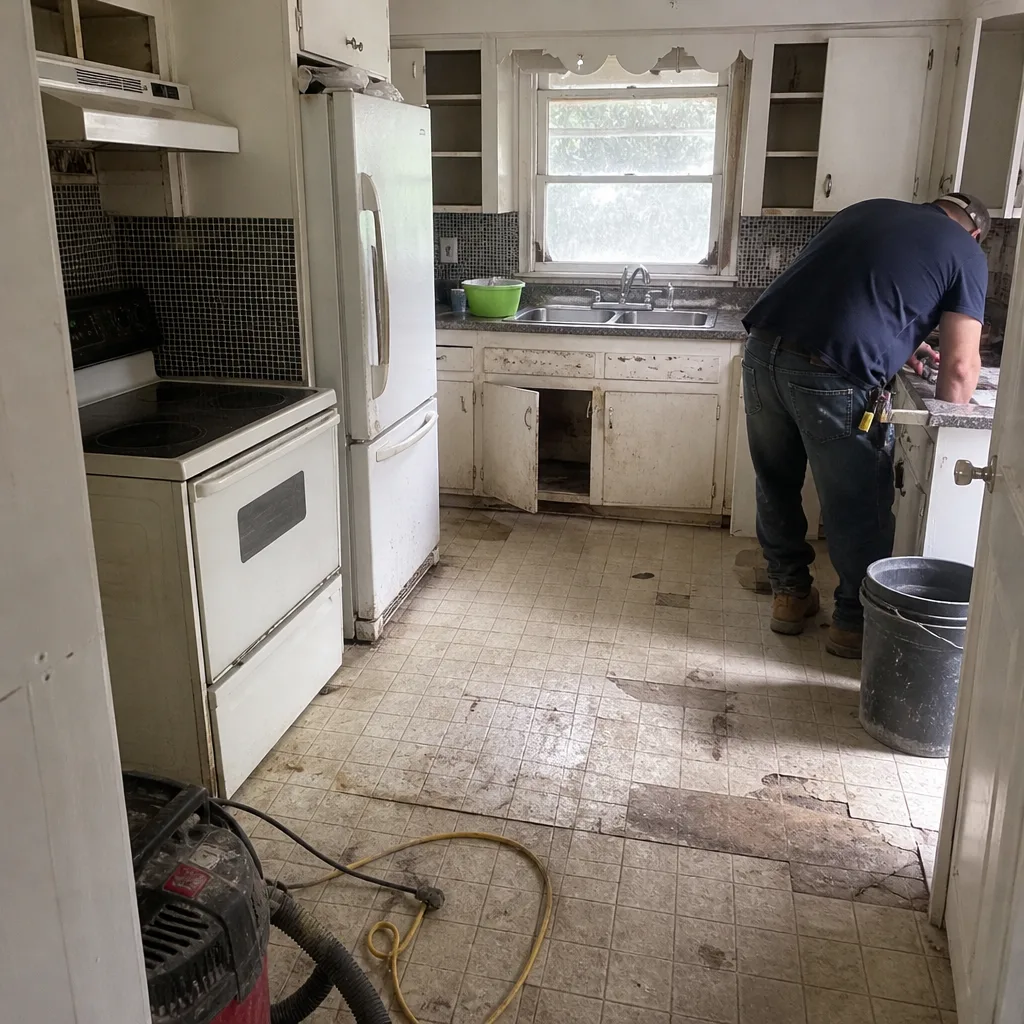 Before
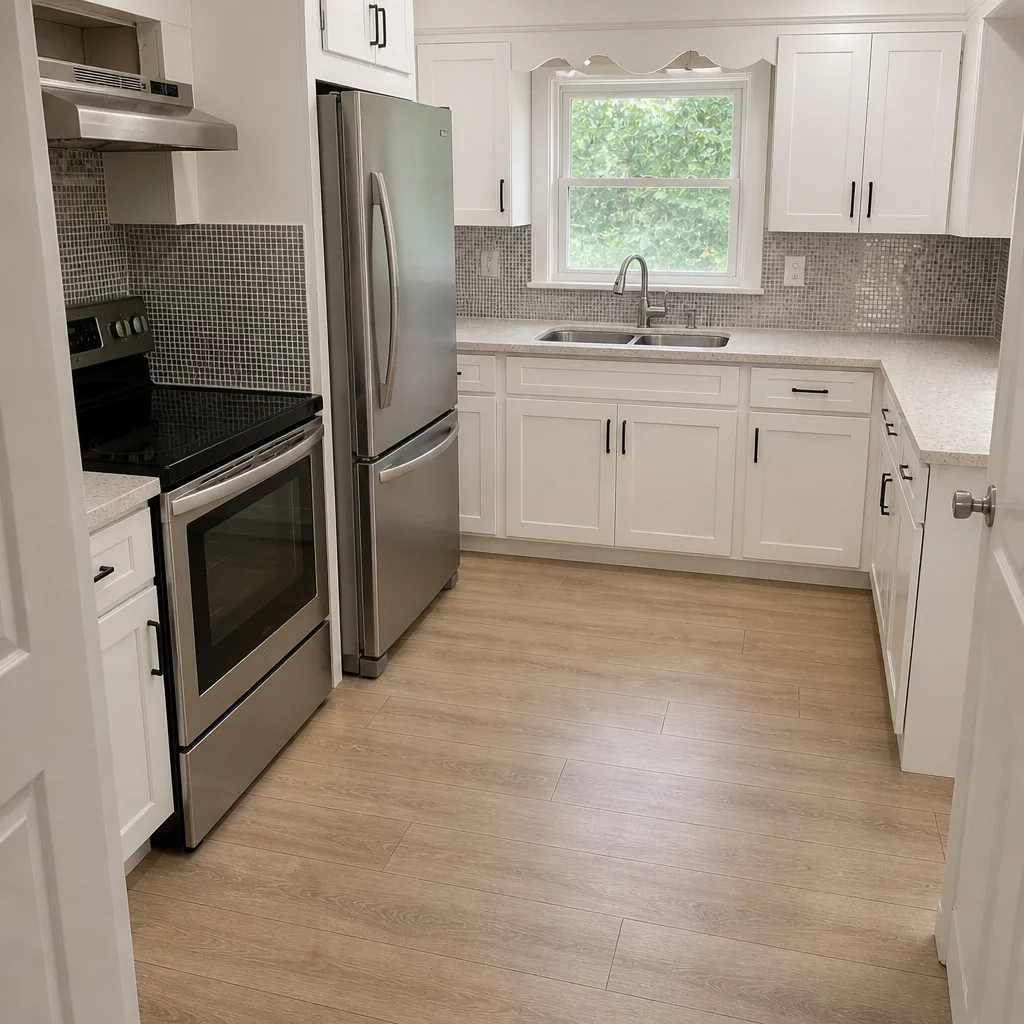 After
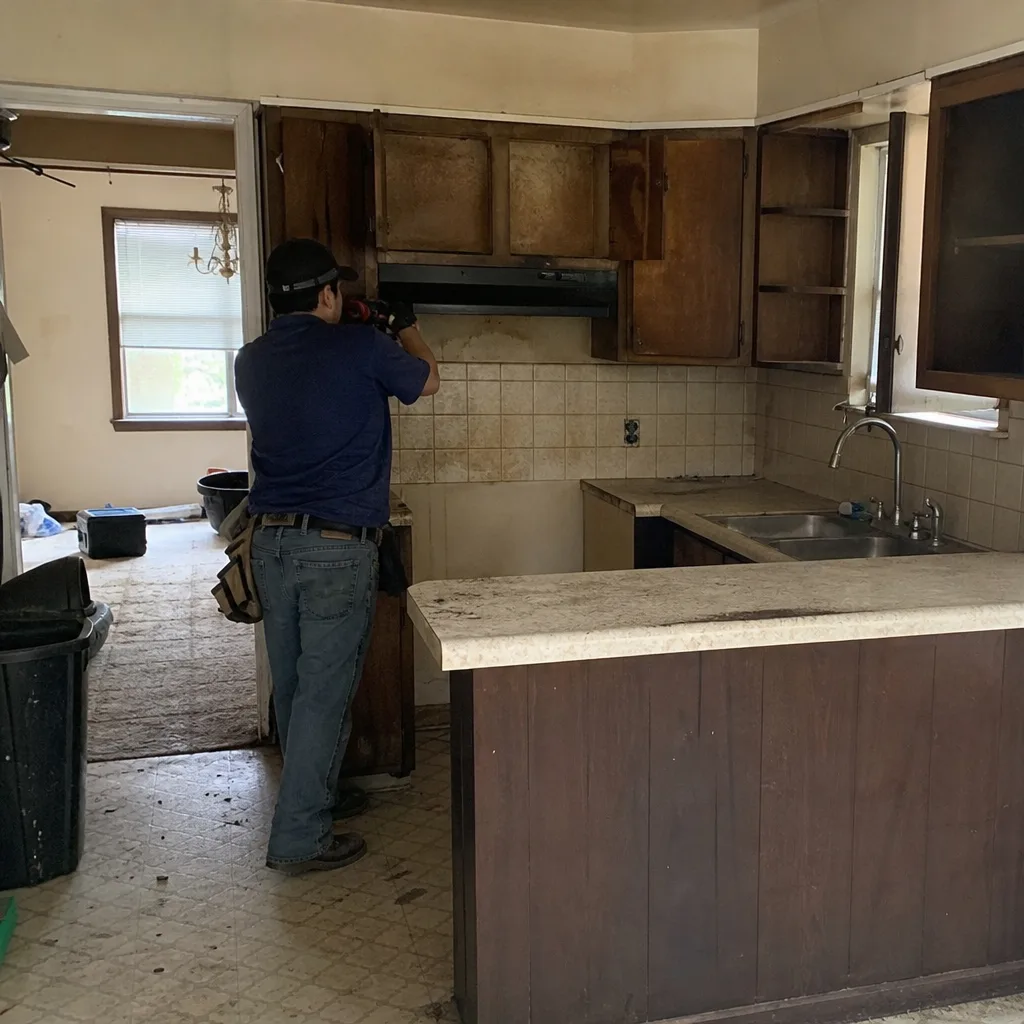 Before
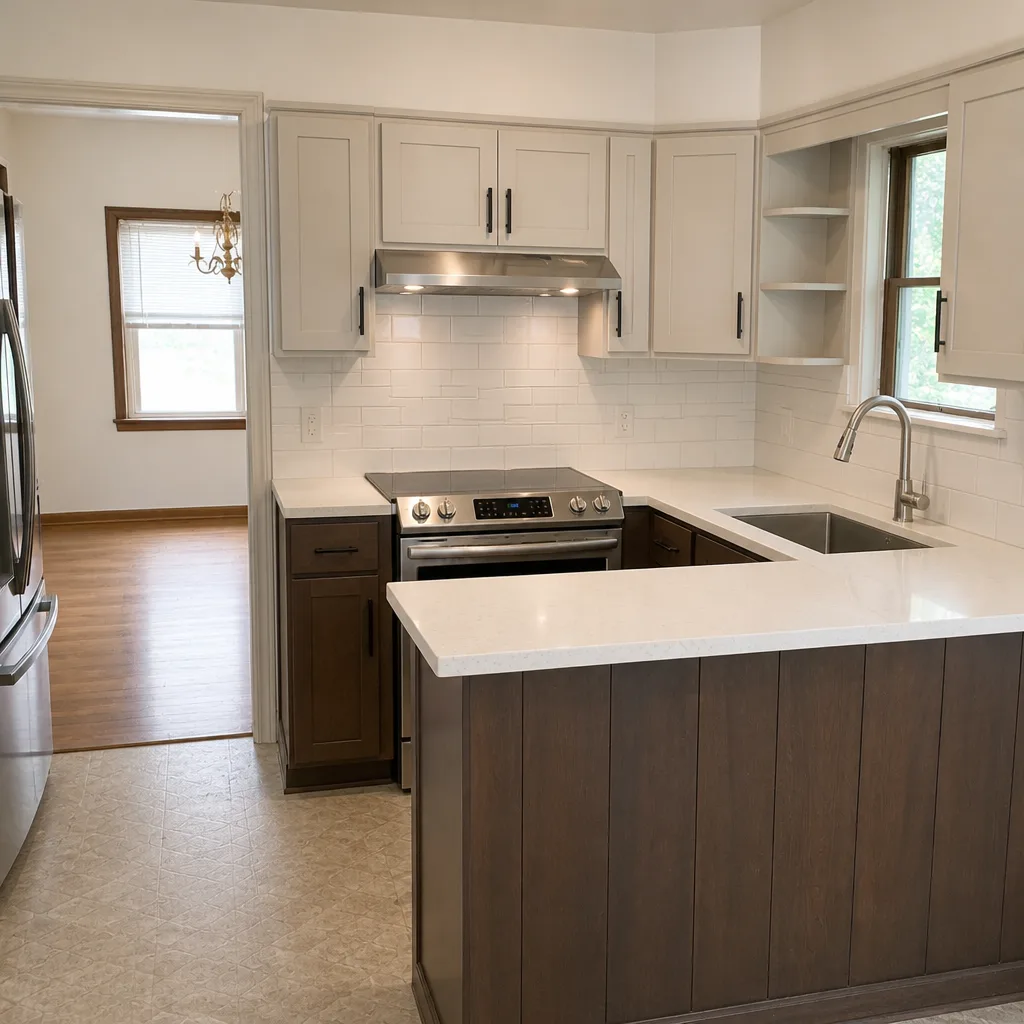 After