Last updated November 18, 2026

Free written scope consultation - allowances, timeline, and change-order rules on paper before a single trade is scheduled
Construction Permits, Codes & Inspections in TX: What You Need to Know
A finished garage conversion in Arlington without a permit doesn’t become legal when the drywall goes up. It becomes a lien risk, an insurance gap, and a disclosure obligation that follows the property title until a retroactive inspection or demolition resolves it. That’s the part most homeowners learn too late. Texas doesn’t have a single statewide building code – each city writes its own permit rules, schedules its own inspections, and reports to its own appraisal district. What you’ll find here is how Arlington actually handles it: the $500 threshold, the inspection sequence for an addition, how to read an IRC citation for yourself, and the Tarrant County paper trail that outlasts a bad contractor.
Quick Answer
In Texas, construction permits are issued and enforced at the city or county level, not by the state. In Arlington, most work valued at $500 or more – including structural, electrical, plumbing, and mechanical changes – requires a permit and inspections before it can be legally occupied. A permit protects the homeowner, not just the contractor: it’s what makes an insurance claim valid, keeps a sale from stalling at closing, and proves the work meets the code the city adopted.
Styles & brands we work with
- Kitchen remodeling
- Bathroom remodeling
- Home additions & ADU
- Roofing
- Windows & doors
- Driveway & pavers
- Fence
Table of Contents
- Which Arlington projects need a permit (and which don’t)
- How to read an IBC or IRC code citation
- The inspection sequence for a typical addition
- What a failed inspection actually costs
- Texas Senate Bill 2 and appraisal district timing
- Work-without-permit notations in TACD data
- Common mistakes to avoid
- When to call a professional
Which Arlington Projects Need a Permit – and Which Don’t
The City of Arlington’s permit threshold is straightforward: any construction, alteration, repair, or installation valued at $500 or more generally requires a permit. That number surprises people. It’s low on purpose. A permitted job creates an inspection record, and an inspection record is what the city points to when a future buyer’s inspector asks whether the electrical panel upgrade behind the drywall was done to code.
The $500 rule isn’t a single bright line in every direction. Some work is exempt regardless of cost, and some work is never exempt even if the dollar figure is small.
Typically exempt in Arlington:
- One-story detached accessory buildings under 200 square feet (a small garden shed on a slab, for example). Note that a Tuff Shed-style structure still has setback and HOA rules to satisfy even when the permit isn’t required.
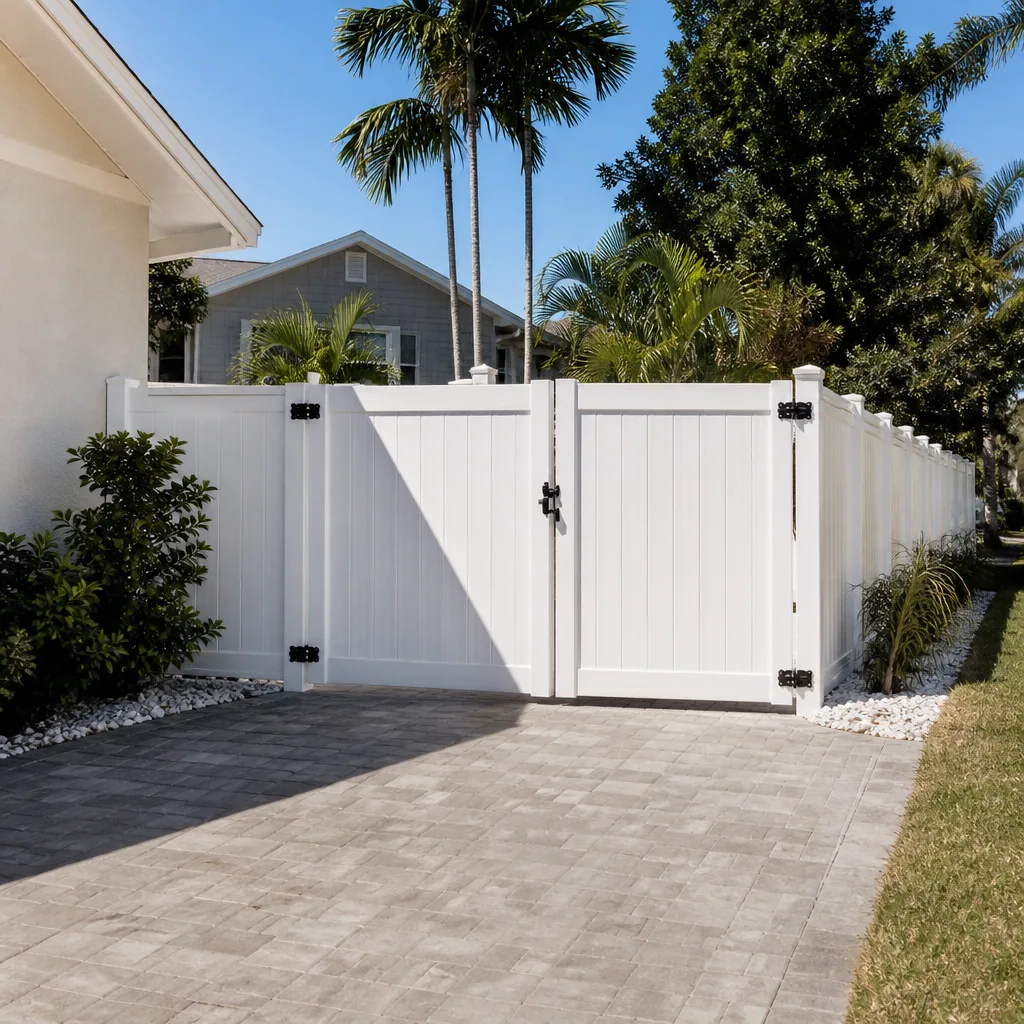
- Fences six feet or shorter – though corner lots and easements have their own constraints, which we cover on our Fence Installation in Arlington page.
- Painting, wallpapering, and cosmetic finish work that doesn’t touch structure, electrical, plumbing, or mechanical.
- Replacing a faucet, a light fixture at an existing junction, or a toilet in the same location – like-for-like swaps, not relocations.
Always permitted, regardless of dollar threshold:
- Electrical panel replacements and any new circuit
- Gas line work of any kind
- Structural changes (wall removal, beam installation, foundation repair)
- Roof replacements and re-roofs (sheathing and layer count are inspected)
- Any addition, garage conversion, or ADU
A permitted addition isn’t just paperwork. It’s the difference between a structure the appraisal district counts as living space and one it counts as a garage. Call (844) 761-7521 to schedule your free estimate if you’re unsure which category your project falls into – we’ll tell you before anyone orders materials.
How to Read an IBC or IRC Citation So You Can Verify Your Contractor
Texas cities adopt one of two model codes for residential work: the International Residential Code (IRC), which governs one- and two-family dwellings, or the International Building Code (IBC), which covers commercial and some multi-family. Arlington works primarily off the IRC for single-family homes. When your contractor’s proposal cites “IRC R602.10” or “IRC R703.4,” you can look it up yourself at no cost.
Here’s the reading method we teach homeowners:
- Identify the code book and year. “IRC 2021” means the 2021 edition. Your city may have amended specific sections, and the amendment log is public on the city’s building department page.
- Decode the prefix. “R” stands for Residential (residential code), “M” for Mechanical, “E” for Electrical, “P” for Plumbing. Larger numbers tend to be chapters; the decimal narrows to the specific section.
- Read the actual section text. Free public reading is available at the International Code Council’s online library. You don’t have to buy anything.
- Compare the contract wording to the code wording. If your contractor writes “sheathing per code” and cites a section, the section text will name a material, a thickness, and a fastening schedule. If the contract doesn’t match, ask why.
- Ask the inspector at the rough-in stage. Arlington inspectors will answer a question about why a particular fastening was called out. It’s the fastest free education in construction.
One example worth knowing: IRC R703.4 covers exterior wall weather-resistive barriers. If your siding proposal names James Hardie fiber cement, the code will specify the flashing and water-resistive barrier details behind the panels – which is why a low bid that skips the WRB is a much bigger problem than the price difference suggests. The citation is your receipt.
The Inspection Sequence for a Typical Arlington Addition
A permitted residential addition in Arlington moves through a fixed series of inspections, and you can’t skip ahead. The schedule below is the one we plan to on every addition and every Home Additions & ADU in Arlington project, because every day of a re-inspection is a day the job site sits idle.
- Foundation (footing and slab). The inspector checks excavation depth, rebar size and spacing, vapor barrier, and any post-tension cable tensioning before concrete is placed. You cannot pour until this passes.
- Framing. After the walls are up and the roof is framed, the inspector verifies stud spacing, headers, shear bracing, and window/door rough openings. Do not close the walls with drywall until this inspection stamp is on the permit card.
- Rough mechanical (MEP). Electrical, plumbing, and HVAC rough-in, all inspected together or in a single-pass callout depending on the trade. Wiring, gas lines, drain slope, venting, and duct routing all get checked here.
- Insulation and energy code. Arlington enforces the energy code, which means insulation R-value, window U-factor, and air-sealing detail are all inspected before the drywall goes on.
- Final. Once the drywall is finished, trim installed, and systems operational, the final inspection closes the permit. This is the one that matters most at resale – the record lives on your property file permanently.
Two practical notes from experience: a re-inspection typically adds 2 to 5 business days to the schedule, and inspectors often have a 24-48 hour callout window in Arlington. Plan assumes that. Whether you’re building an addition, a garage conversion, or a detached ADU, the sequence is the same – which is why we schedule it up front and include it in the written scope before work begins.
What a Failed Inspection Actually Costs
Failed inspections are more expensive than they look on the invoice. The permit fee is only the visible cost. Here’s what sits behind it:
- Re-inspection fees. Arlington charges a re-inspection fee for repeat callouts, and the amount is billed to the permit holder. On small jobs that can be $75 to $150 per visit; on commercial-scale jobs it escalates.
- Schedule slip. A failed framing inspection typically delays the drywall phase by 3-7 calendar days once the fix and re-inspection are scheduled. A failed foundation inspection before a pour delays the entire build by the same margin.
- Rework labor. The single most expensive failure we see in Arlington is a missed MEP rough-in coordination – an electrical outlet box placed where a plumbing vent was routed, or a duct path through a shear wall. Rework on both sides costs more than the permit itself.
- Downstream inspections can’t start. You can’t insulate until the rough-in passes. You can’t final-inspect until the insulation passes. One failure cascades.
- Resale delay. An open permit is a title issue at closing. Buyers’ lenders can require it be closed, which means a retroactive inspection years after the fact.
The honest fix is planning. Good trades coordinate before inspection, not after. On every addition project through Rowan, the permit sequence is part of the written scope, and the photo record we leave behind shows exactly what the inspector saw. Under Clause 1, the price is written before anyone starts – that includes the inspection plan.
Texas Senate Bill 2 and Appraisal District Timing
Senate Bill 2, passed in 2019, changed how Texas homeowners experience property tax appraisals. It introduced an elected three-member appraisal review board for larger counties and tightened the process by which a homeowner can contest a value. It did not exempt permitted improvements from being counted – a common misunderstanding.
What this means in practice: when you pull a permit for an addition or a garage conversion in Arlington, that improvement is part of the public record. The Tarrant Appraisal District (TACD) uses permits as one signal when it revalues a property. The district’s typical observation window is January 1 for the year’s taxable value, which means work completed before that date is likely to be captured in the following spring’s notice.
How homeowners time this wisely:
- If a permitted addition finishes in the first quarter of a year, that year’s January 1 valuation usually does not yet include it – but the following year’s will.
- If the value jump arrives higher than the actual cost of the improvement, that’s a legitimate protest at the appraisal review board. Bring the signed contract, the paid invoices, and the permit record.
- Do not skip the permit to avoid a tax hit. The insurance and resale risks are larger than any honest tax increase on a permitted improvement, and the improvement will be discovered at resale anyway.
We’re not tax advisors, and this isn’t tax advice. But it is arithmetic that belongs in the plan for any permitted addition in Arlington or the surrounding Tarrant County cities.
Work-Without-Permit Notations in TACD Data – and How to Clear Them
When the Tarrant Appraisal District revalues an Arlington property, it pulls a record that includes permits, but it also pulls an inspection report if the property shows evidence of unpermitted work. That might be a county inspector’s note, a neighbor’s complaint routed through the city, or a discrepancy between the square footage recorded at the last sale and the square footage visible in aerial photography. Those notations become part of the property’s file and follow the title.
What a homeowner sees on the TACD property page or a title search is a phrase like “improvement not permitted” or a code compliance hold. A buyer’s title company will flag it. A lender will sometimes refuse to fund until it’s cleared. An insurer may deny a claim for damage caused by the unpermitted work.
The path to clearing a notation varies by what was built:
- Determine what was actually built and when. The city can pull the permit history and tell you what’s on file. A title search tells you when the work was recorded.
- Hire a licensed professional to evaluate whether the existing work meets code. Sometimes it does – a garage that was enclosed with insulated stud walls and proper electrical is often code-compliant even without the permit.
- File for a retroactive permit. Arlington allows retroactive permitting when the work can be inspected to current code. The path requires engineering and inspection, and the cost is not small – often $2,000 to $8,000 depending on the scope.
- If the work cannot be brought to code, demolition is the answer. Removing a non-compliant wall, closing off an unpermitted electrical run, or removing a structure that violates setback. This is the last resort, and it’s why we tell customers to pull the permit the first time.
- Close the permit and record it. Once the final inspection passes, the notation is updated and the paper trail is clean.
For homeowners preparing to sell, this isn’t optional. For homeowners who bought recently, we’ve seen notations surface at the first refinance appraisal – years after the sale.
Common Mistakes to Avoid
- Assuming “small job” means “no permit.” The $500 threshold in Arlington is low. A new electrical circuit, a gas line for a range swap, or a small foundation repair all need permits even when the finished work looks minor.
- Skipping the inspection on a re-roof because the contractor is experienced. An unpermitted re-roof can void the homeowner’s insurance claim when a hail event hits, because the insurer will ask whether the installation was inspected. Roofing on a James Hardie-sided home often includes flashing work that inspectors specifically watch for.
- Letting the contractor pull the permit in their name only. The homeowner is the permit holder of record on a residential project. Under the Haven Standard, we make sure the customer is on the permit as the owner, and the inspection record reflects them – not just us.
- Starting work before the permit is issued. A stop-work order from the city is the least pleasant version of this mistake. It can require the work to be undone to prove what’s behind the wall.
- Not matching the permit scope to the work scope. A permit for an interior remodel that ends up including a new window opening means the window isn’t inspected. Every change needs a change order; every change to the built scope may need a permit revision.
- Forgetting the driveway and hardscape permit rules. Paver driveways and retaining walls have their own thresholds and setback rules. See our Driveway & Pavers in Arlington page for the specifics – Belgard and Techo-Bloc installations are no different from concrete in the eyes of the city.
- Trusting a verbal “we’ll get the permit” that never happens. A permit number is a phone call to the city away. Ask for it. No permit number, no work – every time.
When to Call a Professional
Some permit questions you can answer yourself with a phone call to the county. The rest you need a professional to scope and price. Call a professional when the project touches structure, electrical service, gas, plumbing rough-in, or any change to the building envelope; when a property record already shows an unpermitted improvement; when the permit history on a house you’re buying is unclear; and when you need a written scope, a written price, and a permit pulled before work starts so none of the risks above become yours.
Rowan Construction Group Arlington offers free estimates in Arlington – call (844) 761-7521. Our technicians have up to 19 years of experience working through the Arlington permit process, and every project begins with a written price, a written scope, and a permit drawn in the customer’s name. If you already have a written estimate from another contractor, we offer a Free Second Opinion – we’ll review it line by line at no charge. More on our full scope of work is available on our Rowan Construction Group Arlington home page.
See the difference
 Before
 After
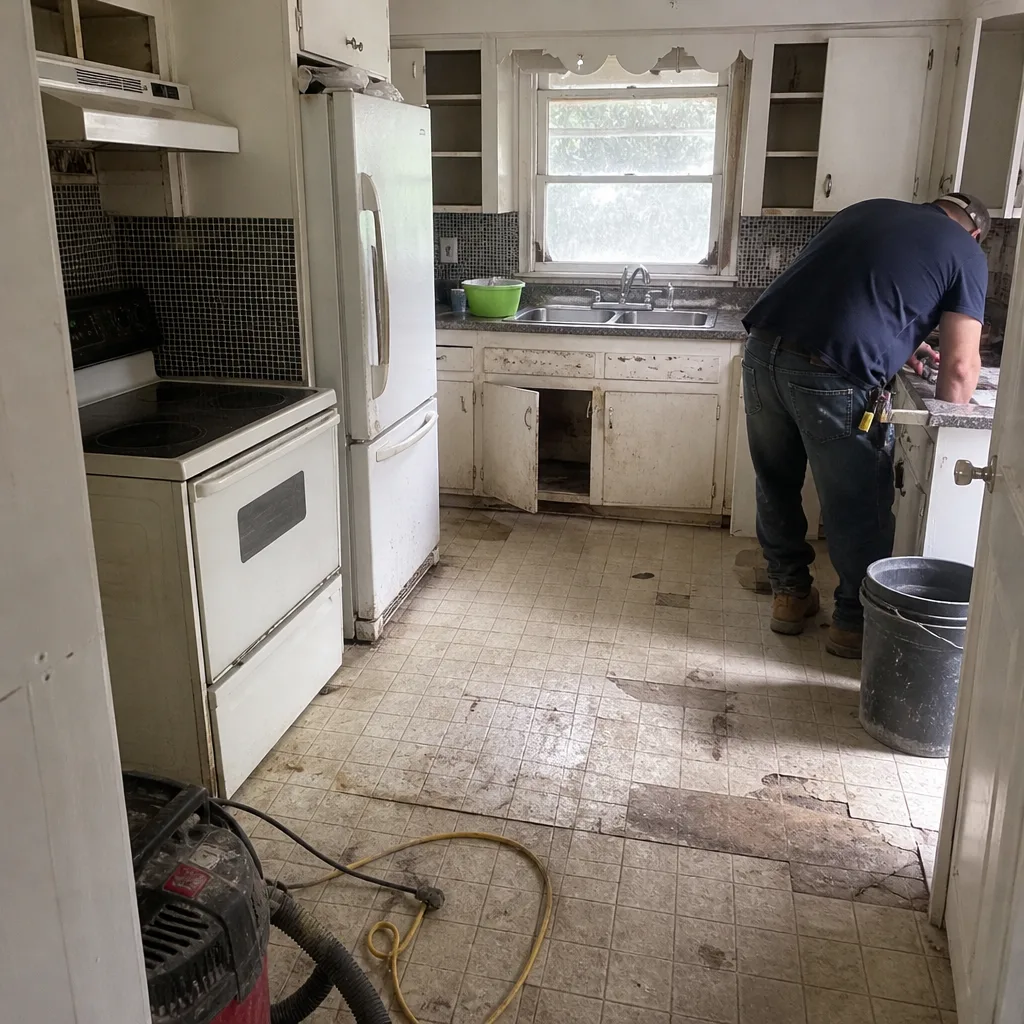 Before
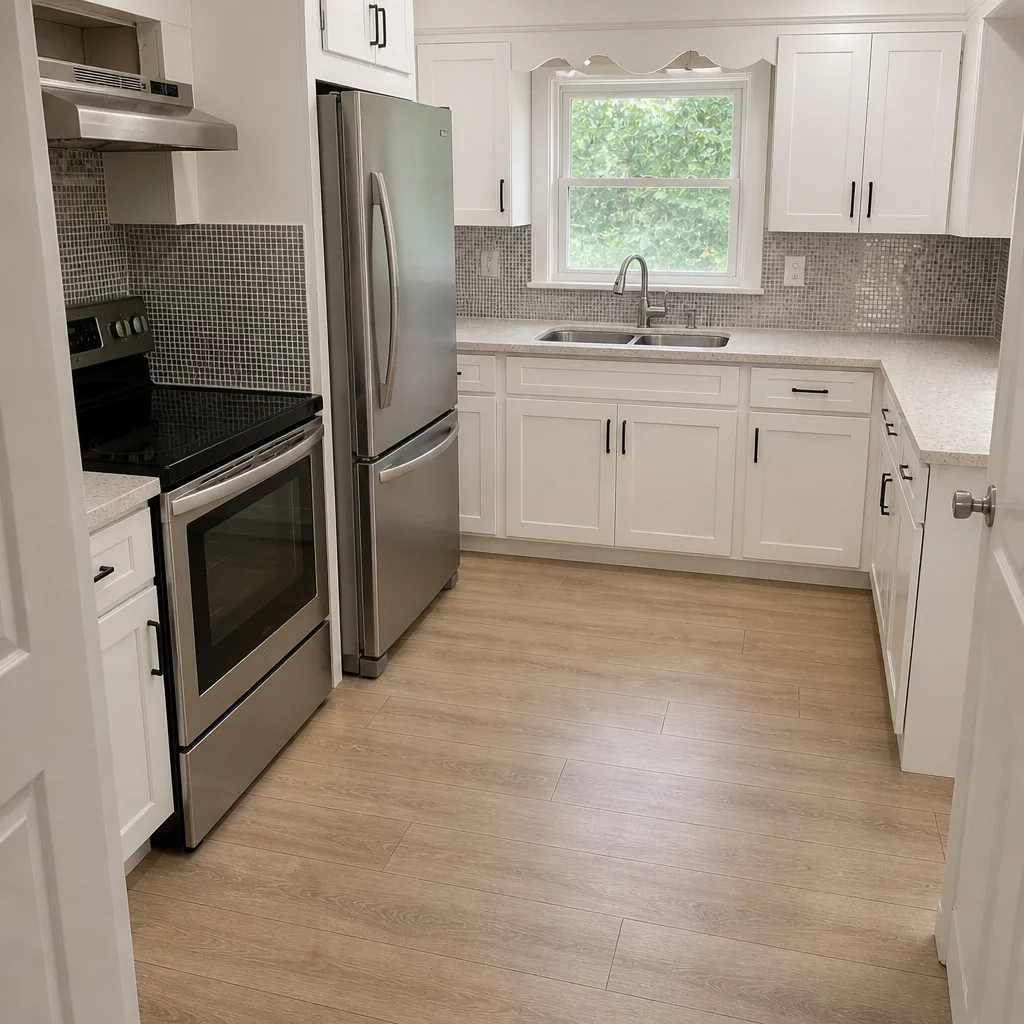 After
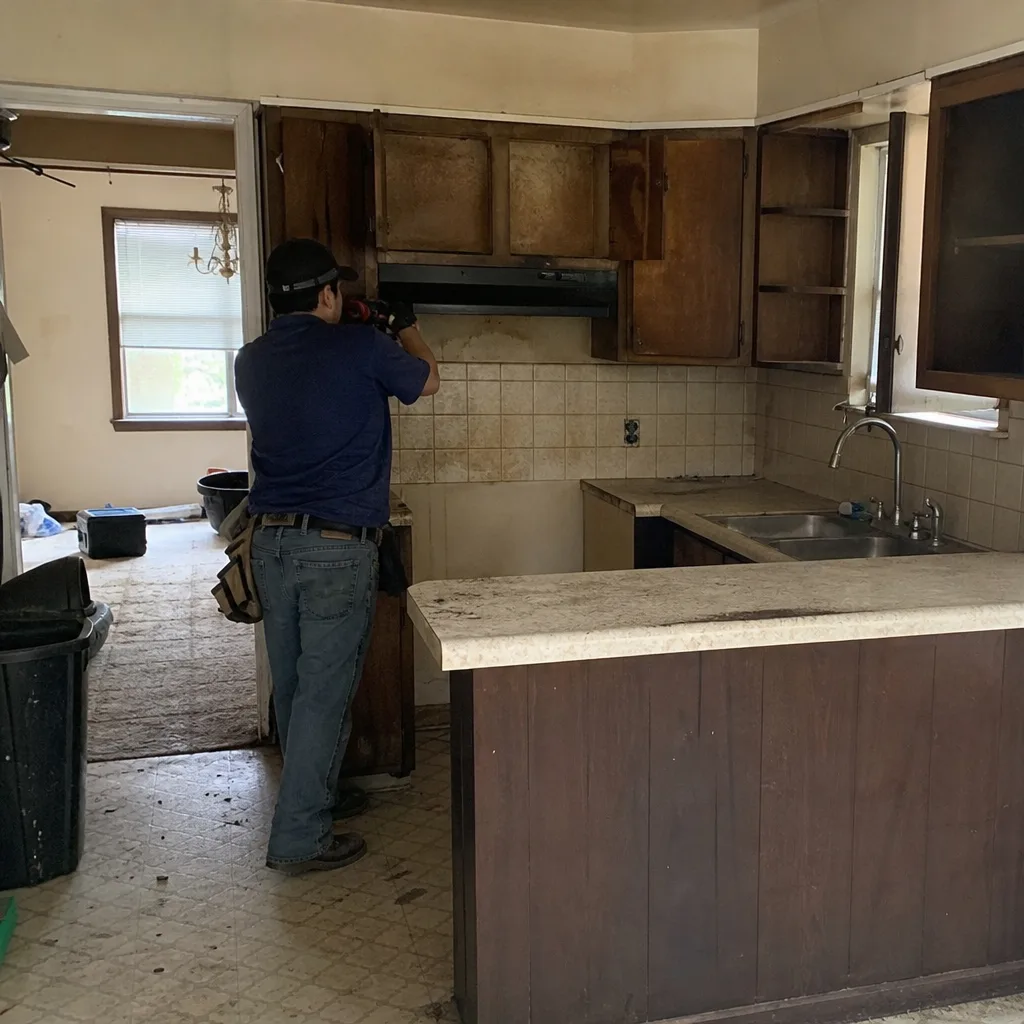 Before
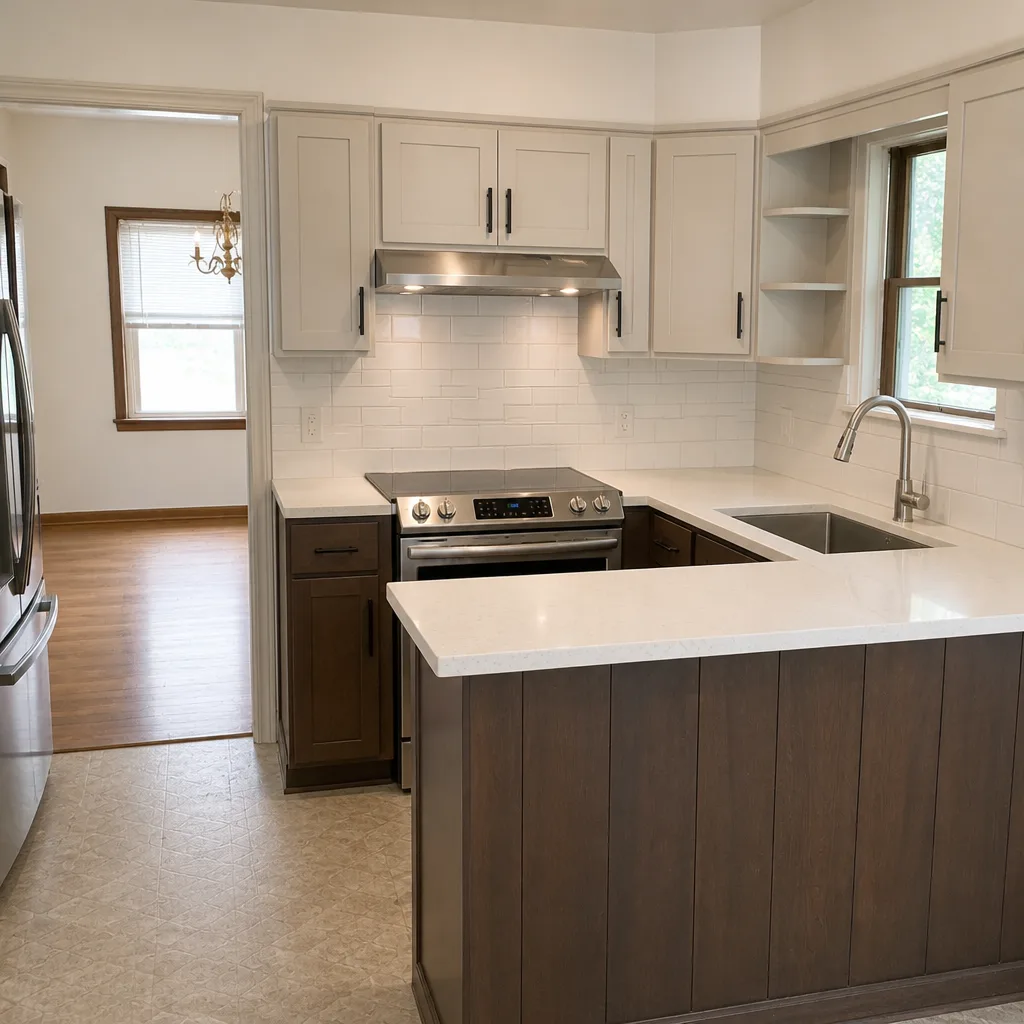 After
Frequently Asked Questions
Yes. A garage conversion in Arlington requires a permit because it changes the structure’s occupancy and involves electrical, mechanical, and often plumbing work above the $500 threshold. Skipping the permit leaves the finished space on the appraisal record as a garage, which affects the property’s valuation and can stall a future sale until a retroactive inspection resolves it.
Arlington’s permit threshold is $500 in construction value. Work at or above that value generally requires a permit and inspections, with narrow exemptions for small detached accessory buildings, low fences, and cosmetic finish work that doesn’t touch structural, electrical, plumbing, or mechanical systems. When in doubt, call the city’s building department – they answer questions without charging.
A failed inspection typically adds $75 to $150 in re-inspection fees plus 3 to 7 days of schedule. The real cost is the rework: plumbing and electrical coordination failures often cost more than the permit itself, and any open permit can delay resale. Call (844) 761-7521 for a free estimate – we build the inspection plan into the written price from day one.
Yes, a permitted improvement can raise your property tax because the Tarrant Appraisal District uses permits as a signal when it revalues. Texas Senate Bill 2 didn’t exempt permitted improvements from the tax roll. If the appraisal district’s value jump exceeds the actual cost of the work, bring the signed contract and invoices to a protest at the appraisal review board.
Ask for the code citation in writing and look it up yourself. Arlington works primarily off the International Residential Code for single-family homes, and its current adopted edition is listed on the city’s building department page. A reputable contractor names the code section – not “per code” as shorthand. Free public reading is available through the International Code Council.
Yes, but not without risk. An unpermitted addition shows on the property record, and title companies flag it; some lenders require the permit be cleared before closing. The paths forward are a retroactive permit (if the work meets code), rework, or demolition. We regularly advise Arlington buyers on this before they close – the inspection is cheaper than the solution.
The Bottom Line
Permits in Texas are not busywork. Each one is a liability shield: it keeps the insurance claim valid, keeps the property sale moving, and puts the code compliance on the record where a buyer’s lender can find it. In Arlington, the $500 threshold is low, the inspection sequence is fixed, and Senate Bill 2 doesn’t exempt permitted improvements from appraisal. Read your contractor’s code citations. Ask for the permit number. And if a property already has a work-without-permit notation, resolve it before you list.
Rowan Construction Group Arlington pulls permits on every project, quotes a flat written price before work begins, and leaves a documented photo record on every visit. Call (844) 761-7521 for a free estimate – every estimate includes a written scope, and the 365-Day Done Right Promise is backed by The Haven Standard rather than a handshake.
Written by the team at Rowan Construction Group Arlington.