Last updated November 18, 2026
Free written scope consultation - allowances, timeline, and change-order rules on paper before a single trade is scheduled
Windows & Doors Warning Signs Every Homeowner Should Know
If your energy bill rose more than 15% year-over-year without a rate hike or a change in how you live, your window and door envelope is a likely contributor. That jump is one of the clearest signals, and it’s the one most people explain away. On a hot Arlington afternoon, a thermal imaging walkthrough will show you exactly which units are leaking conditioned air, and the picture is rarely subtle. This guide gives you a physical, measurable framework for reading those signals years before they force a decision, so you’re pricing replacement on your schedule, not the weather’s.
Quick Answer
The main warning signs that windows and doors need replacement are drafts at the frame perimeter, fogged or hazy glass between panes, binding or resistant hardware, soft or stained frame wood, and a year-over-year jump in energy use with no other explanation. One failing sign is worth watching; two or more on the same unit usually means the assembly has lost its seal, its structure, or both. In Arlington’s 1970s through 1990s housing stock, these signs tend to appear together on original builder-grade units.
Styles & brands we work with
- Kitchen remodeling
- Bathroom remodeling
- Home additions & ADU
- Roofing
- Windows & doors
- Driveway & pavers
- Fence
Table of Contents
- Five Testable Warning Signs (and How to Test Each)
- Cosmetic vs. Structural: The Distinction That Changes Your Quote
- Warning Signs Specific to Arlington’s Older Housing Stock
- The Warning Sign Homeowners Misread Most
- Repair or Replace? The 40% / 15-Year Threshold
- Doors Fail Differently: Sliding, Patio, and Entry
- What Replacement Costs Look Like in Arlington
- Common Mistakes to Avoid
Five Testable Warning Signs (and How to Test Each)
A warning sign you can measure is worth ten you can only feel. These five tests take about twenty minutes total and use tools you already own. Run them on a hot afternoon and a cold morning if you can, because some failures only show under a temperature differential.
- The draft test. Hold a lit incense stick or candle an inch from the frame perimeter on a windy day. Watch the smoke. If it wavers or pulls toward a joint, air is moving where it shouldn’t. Walk the whole perimeter, not just the sash.
- The fogged-glass test. Look at the glass in low morning light at an angle. Haze, a milky band, or a moisture pattern trapped between panes means the insulated glass unit (IGU) seal has failed. That’s a gas leak, not condensation on the room side.
- The hardware cycle test. Open and close the unit fully. Note resistance, binding, a latch that won’t catch, or a crank that spins without moving the sash. A single rough spot can be lubrication; a full cycle that fights you is wear or misalignment.
- The probe test. Push a screwdriver tip gently into the wood frame and sill at the corners and along the bottom rail. Soft spots, crumble, or a tip that sinks mean rot. Check the interior sill too, especially below the sash.
- The utility-bill test. Pull twelve months of bills and compare them to the same twelve months a year earlier. A rise above 15% with no rate change and no new appliance points to envelope loss. Isolate windows and doors by season: winter heating spikes and summer cooling spikes both implicate the envelope.
Document what each test shows. A written note and a photo per unit is the same discipline we apply on every job at Rowan Construction Group Arlington, and it’s what turns a vague worry into a scoped decision.
Cosmetic vs. Structural: The Distinction That Changes Your Quote
Most homeowners see one flaw and assume the worst, or the reverse. The useful line is between cosmetic and structural, because only one of them changes the scope and cost of the job.
- Cosmetic: peeling paint on an interior sill, a scuffed frame, a stiff latch, minor surface cracking in caulk. These are finish issues. A repaint and re-caulk can buy years.
- Structural: a soft sill with visible water staining below the sash, a frame that has pulled away from the wall, rot that a screwdriver tip sinks into, or glass that has fogged because the unit is out of plane. These point to framing or rough-opening damage, and they widen the scope.
That second category is where quotes diverge. A soft sill with staining below the sash isn’t a window swap; it’s a window swap plus framing repair, and the price reflects that. Under Clause 1 of The Haven Standard, we write the price before anyone picks up a tool, and we scope the framing work into that number rather than discovering it mid-job. If a contractor quotes you a flat window replacement without probing the sill, ask why. The answer tells you how the rest of the job will go. Our Rowan Construction Group Arlington home page lays out how that written-price discipline works across every trade.
Warning Signs Specific to Arlington’s Older Housing Stock
Arlington’s 1970s through 1990s construction has its own failure patterns, and they show up on a schedule you can almost predict by decade. If your home was built in that window and still has original units, these are the signs to look for.
- Aluminum single-pane frames with visible condensation channels. Common in late-70s and 80s builds. The channel is there because the frame sweats; when those channels overflow onto the interior sill, the paint fails and the wood beneath starts to take on water.
- Jalousie windows with failed seals. The louvered units popular in 60s and 70s Arlington homes lose their edge seals first. You’ll feel the draft at the louver edges before you see any glass problem, and the hardware tends to seize after a few seasons of grit.
- Original builder-grade sliding glass doors with worn track seals. The bottom track seal flattens and the rollers wear, so the door drags and the seal gaps. Water pools in the track after a hard rain, and the threshold wood is the first thing to go.
Arlington summers push these units hard: sustained heat and humidity stress the seals, then the first cold front finds every gap. We see the same pattern repeat across neighborhoods built in the same era, which is why we can usually tell a homeowner what they’ll find before we arrive. The same envelope logic applies when you’re planning an addition and want the new opening to match the old wall’s performance; our Home Additions & ADU in Arlington page covers how we tie new construction into an existing envelope.
The Warning Sign Homeowners Misread Most
Difficulty operating a window is the sign people get wrong most often. The usual explanation is paint buildup or swollen wood from humidity, and sometimes that’s true. But a window that binds on one corner, or a sash that rubs the jamb on a single side, can mean foundation movement has racked the rough opening, twisting the frame out of square.
That distinction matters because of what happens next. If you replace the window without addressing the opening geometry, the new unit gets installed into the same out-of-square hole and binds the same way within a season. You’ve paid for a replacement and kept the problem. Before you authorize a swap, ask the contractor whether they checked the opening for square. A crew that measures the rough opening, not just the window, will catch it.
In our experience, this is where the free second opinion earns its keep. Bring a competitor’s written estimate and we’ll review it line by line at no charge, including whether the scope accounts for the opening itself. If a quote reads “replace window” with no mention of the frame or rough opening, that’s the question to ask before you sign anything.
Repair or Replace? The 40% / 15-Year Threshold
There’s a simple rule that holds up across most of the units we see in Arlington. Add up the repair cost for a single unit. If that number exceeds 40% of the cost to replace the unit, and the window is more than 15 years old, replacement typically delivers better long-term value than another repair.
The logic is straightforward. A 16-year-old unit that needs a $260 repair is already past its service life, and the next failure is a season or two away. Spending 40% or more of replacement cost on a unit that old rarely pays back. Below that threshold, and on newer units, repair is usually the right call.
Use the rule as a screen, not a verdict on the whole house. One failing unit on a 2005 build is a repair; eight failing units on a 1985 build is a replacement conversation. Group your units by age and test result, then decide house-wide. If your doors are part of the same envelope problem, the same repair-or-replace logic applies to Fence Installation in Arlington only insofar as it shares the exterior line. For the envelope itself, we quote replacements flat with a written scope and a written warranty, so the number you compare is the number you’ll see.
Doors Fail Differently: Sliding, Patio, and Entry
Doors don’t fail the way windows do, so they need their own reading. Three failure modes cover most of what we see in Arlington homes.
- Worn track seals and rollers on sliding glass doors. The door drags, the bottom seal gaps, and water sits in the track. Check for standing water after a rain and a visible gap when the door is closed.
- Failed weatherstripping on entry doors. Run the incense test along the strike side and the threshold. If smoke pulls through, the seal has compressed or the door has dropped out of square.
- Rotted threshold and jamb feet on exterior doors. Probe the bottom corners of the jamb and the threshold board. Soft wood here means water has been getting in for more than one season.
Sliding patio doors are the most common replacement we quote on older Arlington homes, and the track seal is usually the first thing to go. If you’re replacing a door as part of a larger exterior project, it’s worth planning the sequencing with the rest of the work; our Driveway & Pavers in Arlington page explains how exterior projects get staged so nothing has to be redone.
What Replacement Costs Look Like in Arlington
Here are honest ranges for the Arlington market. These are the numbers we’d expect you to compare against other written quotes, not the lowest figure a salesperson might float to get in the door.
- Standard double-hung window replacement: $450 to $850 per unit, installed.
- Insulated glass unit (IGU) only, when the frame is sound: $180 to $320 per unit.
- Sliding glass patio door replacement: $1,400 to $2,800, installed.
- Entry door replacement, standard: $900 to $2,200, installed.
- Framing repair where the sill is soft: added to the above, typically $200 to $600 per affected opening.
These are ranges, and the actual number depends on the unit, the opening condition, and the finish. We name the brands when a quote goes out because the source matters: James Hardie for the exterior trim around a replacement, and a defined window line rather than a generic “builder grade.” A written price with a written scope is what lets you compare one quote to another on equal footing, and it’s why we hand you a flat number before any work starts rather than a per-unit estimate that grows.
Common Mistakes to Avoid
- Replacing windows without checking the rough opening for square. If the hole is racked, the new unit binds the same way. Measure the opening, not just the window.
- Treating a soft sill as cosmetic. Staining below the sash plus a soft sill is framing damage. Quote it into the scope up front or expect a change order later.
- Choosing on the sales pitch, not the written scope. A per-unit “starting at” price rarely survives contact with a 1980s Arlington frame. Insist on a flat written price with a written scope before you sign.
- Ignoring a 15% utility jump because the rate didn’t change. That jump is the envelope talking. A thermal walkthrough turns it into a specific list of failing units.
- Mixing a door replacement into a window job without sequencing. Doing the door and the windows in the wrong order means redoing trim and seal work. Stage exterior projects so nothing gets torn out twice.
- Skipping the second opinion on a large quote. A line-by-line review of a competitor’s estimate costs nothing and frequently catches a scope gap before it becomes your problem.
See the difference
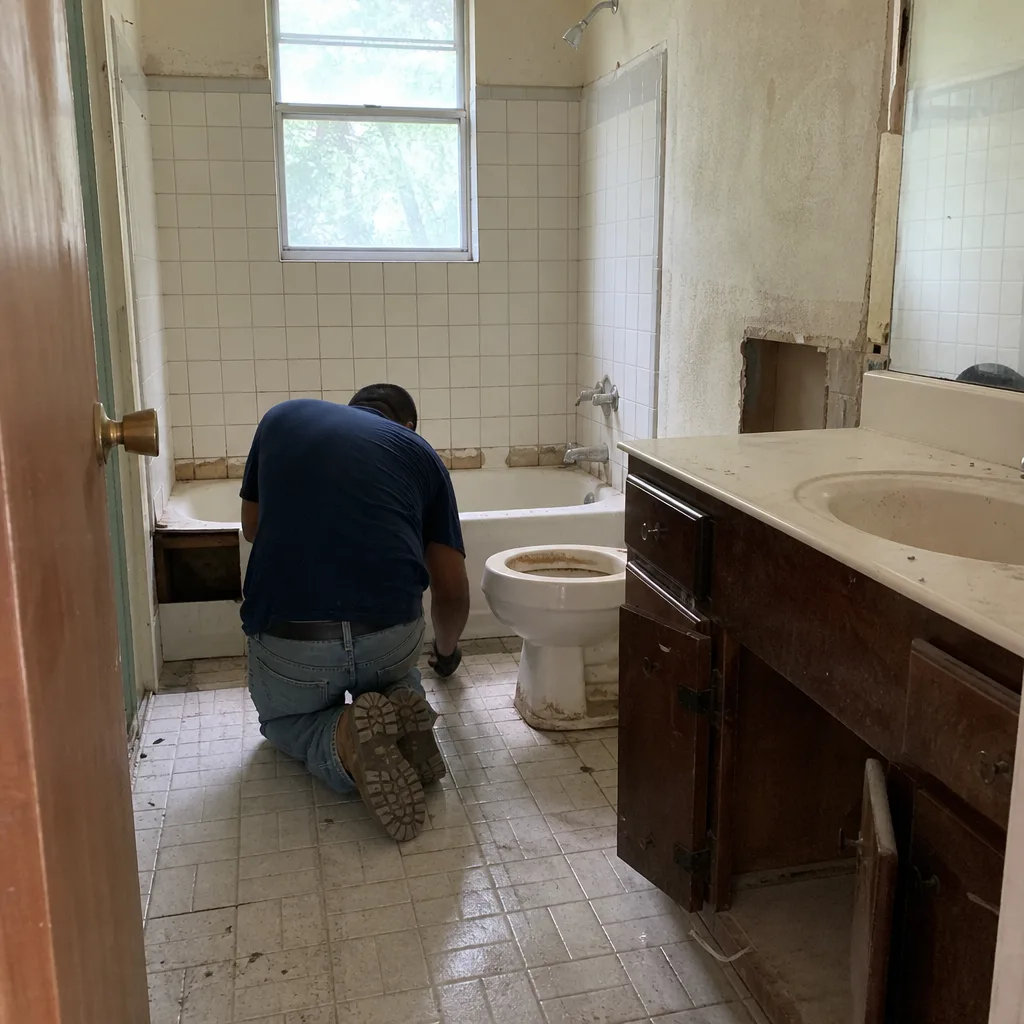 Before
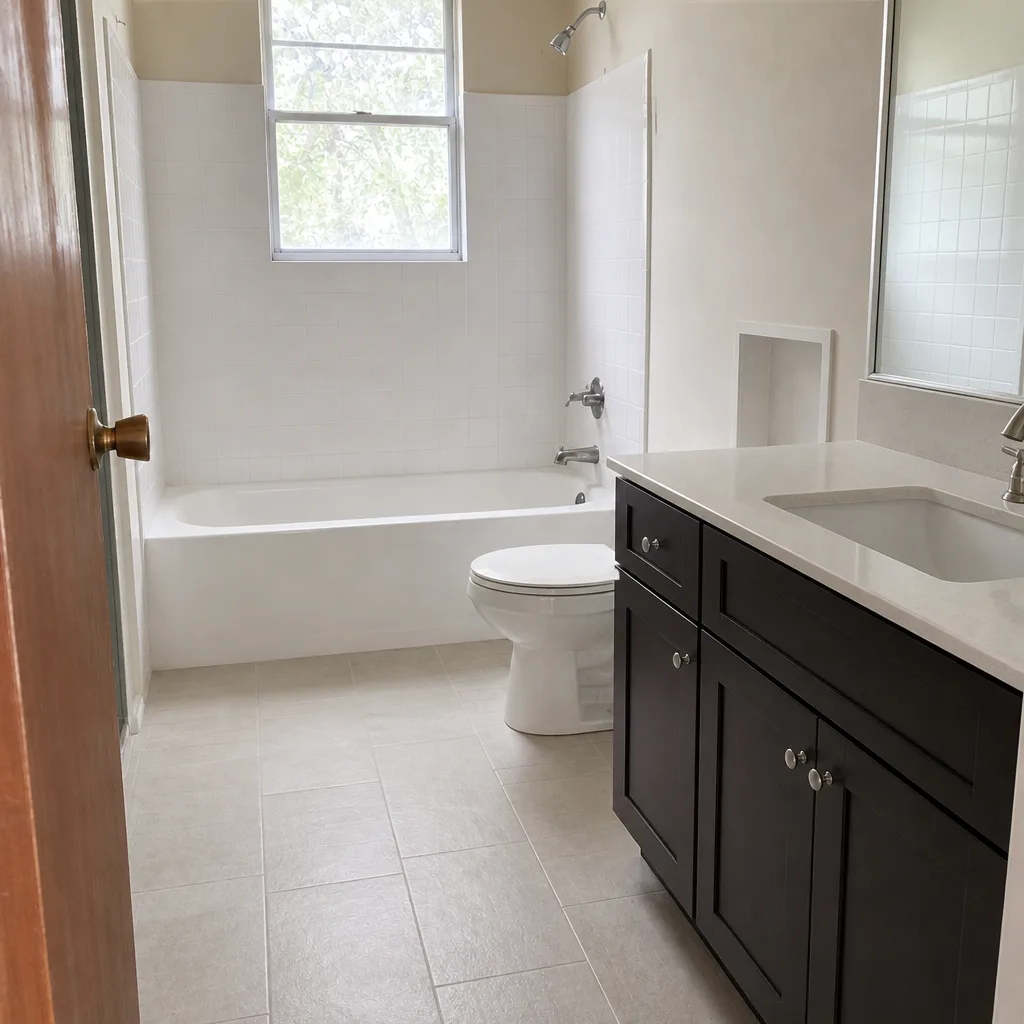 After
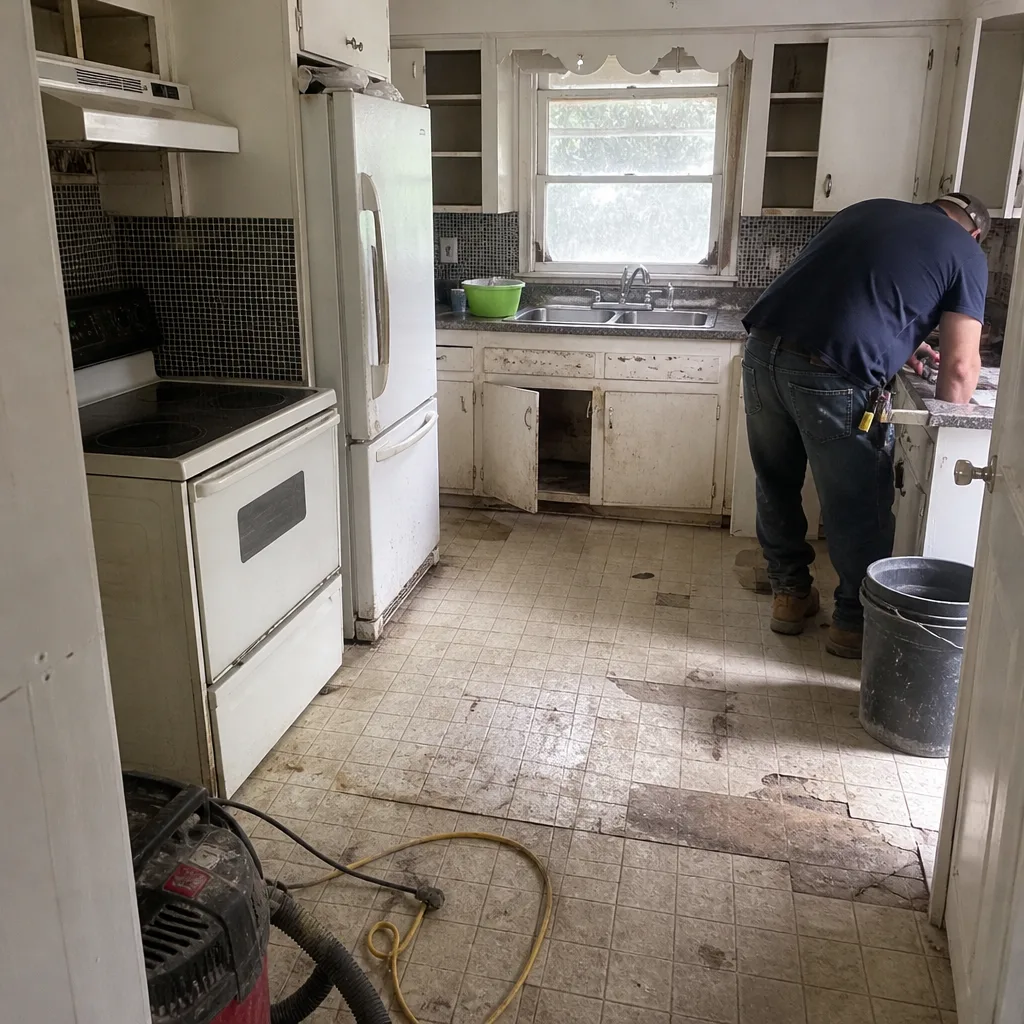 Before
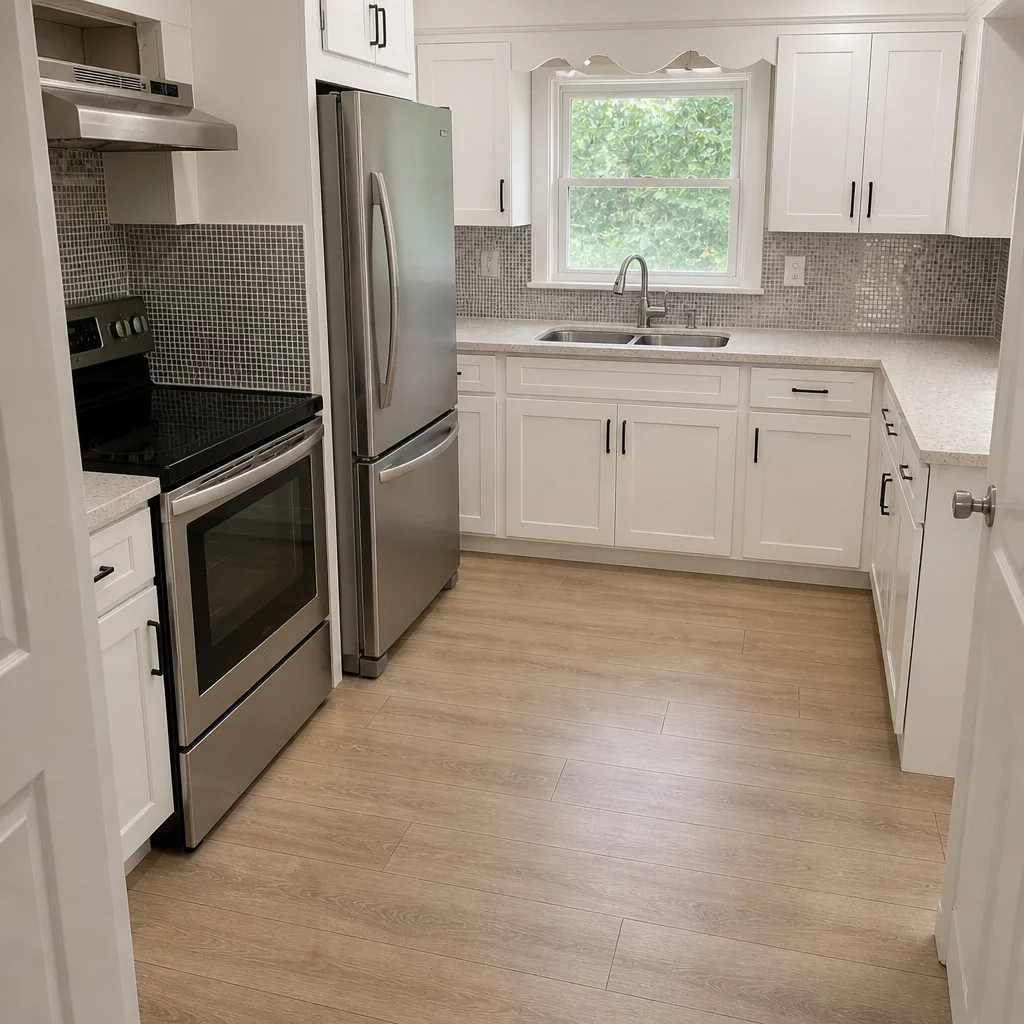 After
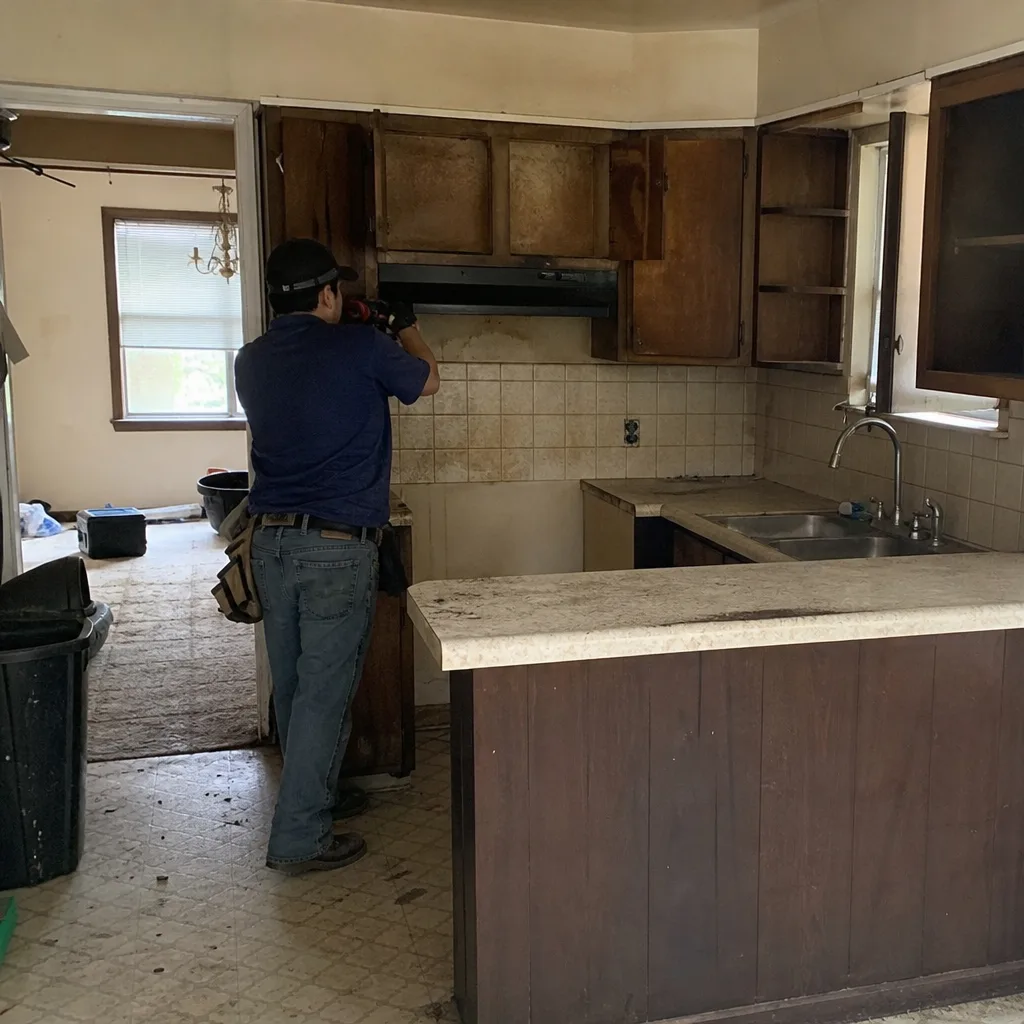 Before
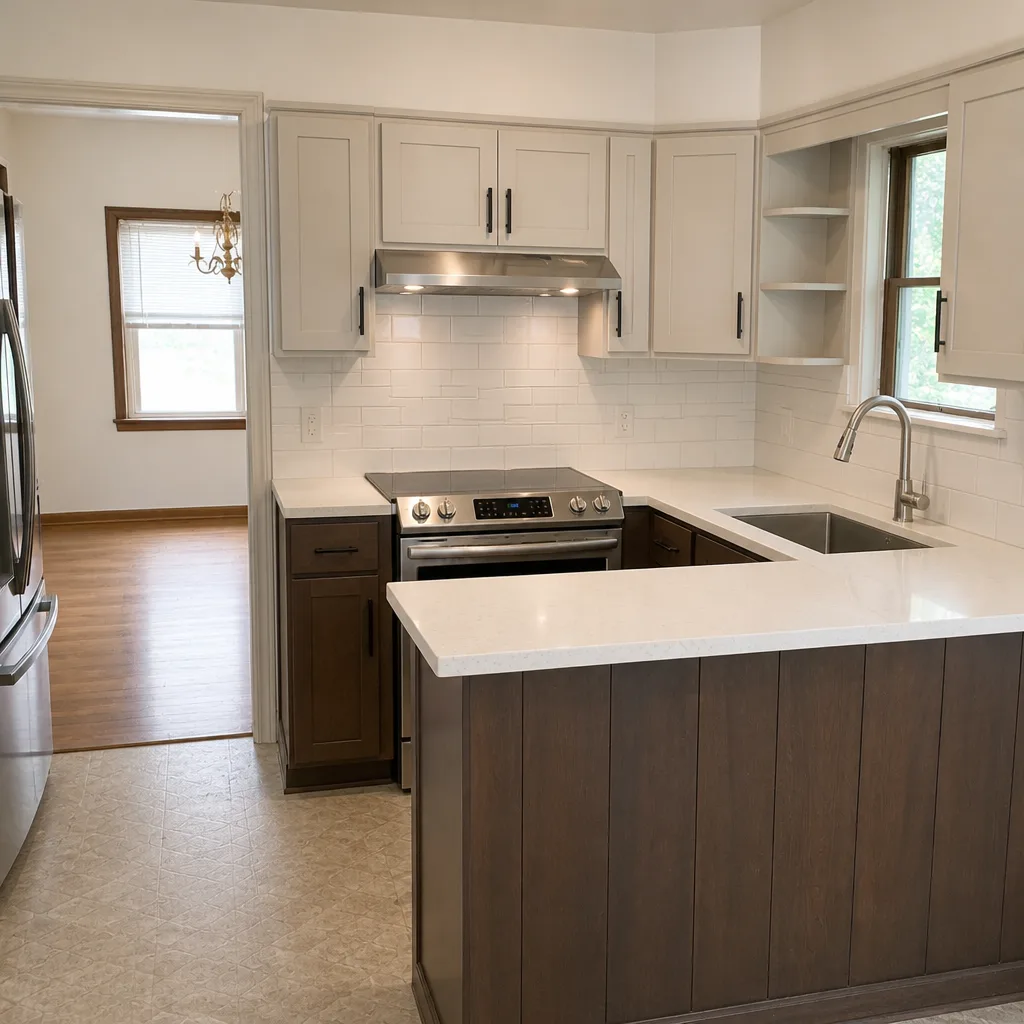 After
When to Call a Professional
Call a professional when the draft test shows movement at more than one unit, when glass has fogged between the panes, when a probe finds soft wood anywhere on the frame or sill, or when a window binds on one corner and you can’t confirm the opening is square. Those four situations move a job from “watch it” to “scope it.” Rowan Construction Group Arlington offers free estimates in Arlington, with a flat written price and scope before any work starts. Crews are background-checked and uniformed, calls are answered by a live person around the clock, and every visit comes with a documented photo record so you can see what we found and what we recommend. Call (844) 761-7521 to schedule your free estimate.
Frequently Asked Questions
Hold a lit incense stick an inch from the frame perimeter on a windy day. If the smoke wavers or pulls toward a joint, air is moving through the frame. Test each unit separately and note which ones move the smoke most, because that’s your failure list. Call (844) 761-7521 for a free thermal walkthrough if you want the picture rather than the inference.
Fogged glass between panes means the insulated glass unit’s seal has failed and moisture has entered the gap. It’s not condensation on the room side, and it won’t clear. A single failed IGU can often be replaced for $180 to $320 if the frame is sound. Call (844) 761-7521 to check whether the frame can stay.
Usually yes, once the condensation channels overflow onto the sill or the seals fail. Aluminum single-pane frames conduct heat straight through, and once the interior paint is failing beneath the channel, the wood is taking on water. Replacing them is the higher-value move in Arlington’s older housing stock, and a free estimate will confirm whether your frames are past that line.
No. The price is written before any work begins, and no change proceeds without a signed change order. If a contractor discovers framing damage mid-job, that change goes in writing and gets your signature before anyone touches it. Call (844) 761-7521 for a flat written quote on your replacement.
A typical single-window swap is a half-day, and a full house of windows plus a patio door runs several days depending on how many openings are involved and whether framing repair is needed. We confirm the schedule in writing along with the price. Call (844) 761-7521 to get a timeline for your specific job.
Yes. A window that binds on one corner can mean the rough opening is out of square from foundation movement, not just paint or swollen wood. Replacing the window without checking the opening puts the new unit into the same racked hole. Call (844) 761-7521 to have the opening measured before you authorize a replacement.
The Bottom Line
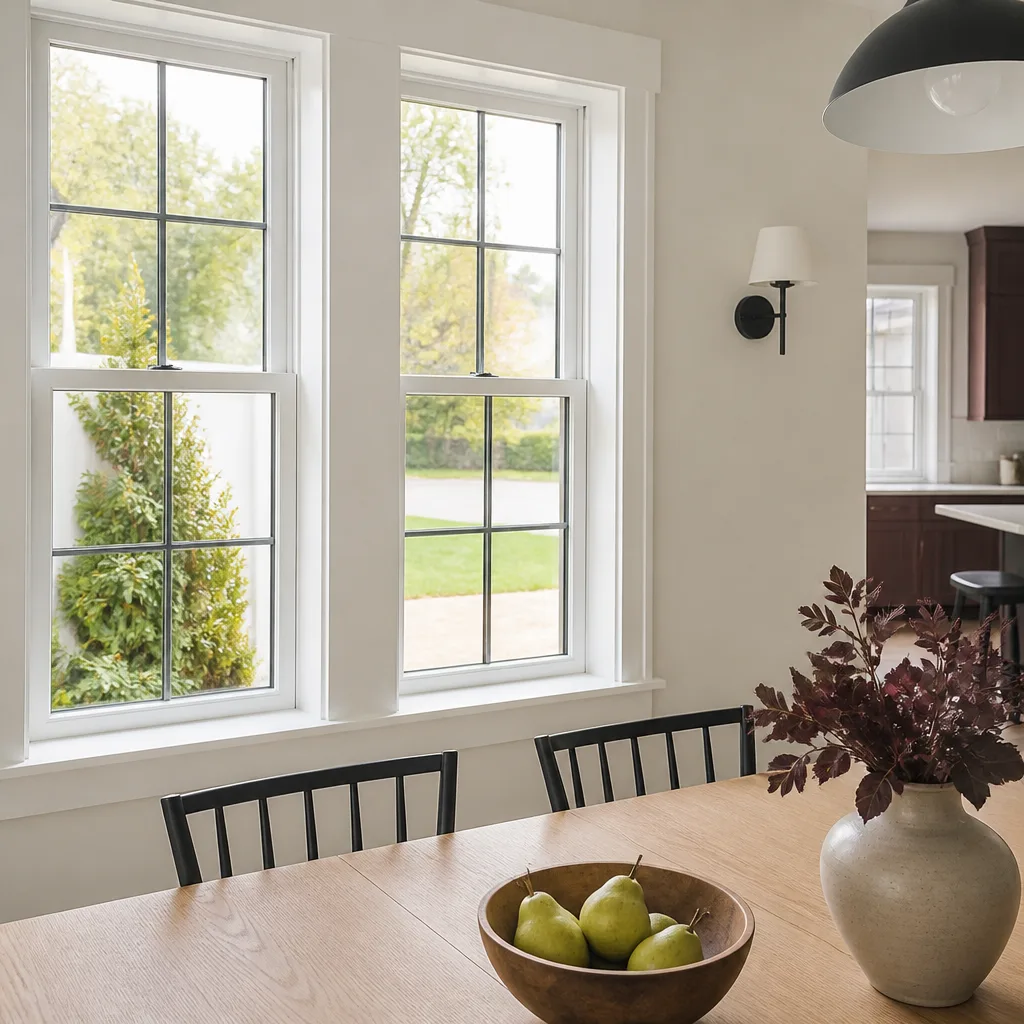
Window and door failure shows up in physical terms well before it forces a decision: wandering smoke at a frame, haze between panes, a sash that fights its cycle, a screwdriver tip that sinks into a sill, a bill that climbed 15% with no other explanation. Two or more signs on one unit means it’s time to scope. Use the 40% / 15-year threshold to sort repair from replacement, and check the opening for square before you spend money on glass. In Arlington’s 1970s through 1990s stock, these signs cluster on original builder-grade units, and a written price with a written scope is what lets you compare quotes honestly. Call (844) 761-7521 for a free estimate and a photo record of what we find.
Written by the team at Rowan Construction Group Arlington.