Last updated November 18, 2026



Free written scope consultation - allowances, timeline, and change-order rules on paper before a single trade is scheduled
Windows & Doors Maintenance Schedule: What to Do and When
Silicone exterior caulk around a window frame lasts 7 – 10 years in a moderate climate. In Arlington, it lasts 4 – 6. The reason is simple physics: North Texas summers push surface temperatures on south- and west-facing frames well past 140°F, then drop 40 degrees overnight. That thermal cycling, combined with some of the harshest UV exposure in the country, ages sealant faster than almost anywhere in the U.S. Most Arlington homeowners discover the problem when they see a water stain on the drywall under a window, not when the bead fails. This guide lays out a maintenance schedule built around Arlington’s two real service windows, March and October, with product names, specific tasks, and the real cost of skipping them.
Quick Answer
Maintain windows and doors in Arlington on a two-season schedule: a March service window before cooling season, focused on exterior caulk, weep holes, and hardware lubrication, and an October window before heating season, focused on weatherstripping, door sweeps, and glass seals. Add a five-year cycle for full re-caulking, fastener checks, and egress testing. Homes that follow this schedule avoid the water intrusion that turns a $15 caulk repair into a $400 – $900 reframing job.
Styles & brands we work with
- Kitchen remodeling
- Bathroom remodeling
- Home additions & ADU
- Roofing
- Windows & doors
- Driveway & pavers
- Fence
Table of Contents
- Why Arlington’s Climate Compresses Maintenance Into Two Seasons
- The March Service Window: Pre-Summer Tasks
- The October Service Window: Pre-Winter Tasks
- The Five-Year Tasks Homeowners Routinely Skip
- What Deferred Maintenance Actually Costs
- Common Mistakes to Avoid
- When to Call a Professional
- Frequently Asked Questions
Why Arlington’s Climate Compresses Maintenance Into Two Seasons
Arlington sits in USDA Zone 8a, but that number tells only part of the story. The city sees roughly 230 sunny days a year, summer highs that regularly cross 100°F, and winter lows that dip below freezing often enough to matter. That combination is what ages window and door components. A frame expands in July and contracts in January, and every one of those cycles works on the caulk bead, the weatherstrip, and the glazing seals.
The practical result is that maintenance in Arlington happens best at two specific moments. The first is March, before the cooling season begins and before you find out the hard way that a failed seal means an air conditioning bill that climbs $60 – $120 a month. The second is October, before heating season, when a drafty door sweep turns into a furnace working overtime.
This is the opposite of how most national maintenance guides are written. They spread tasks evenly across the year and treat climate as generic. That approach does Arlington homeowners no favors. If you live in an older home near downtown Arlington or the established blocks around Randol Mill, where window units are original to the structure, the seasonal compression matters even more. Insulated glass units (IGUs) from the 1990s and early 2000s are now at the end of their seal life, which is one reason window replacement quotes factor heavily into remodeling decisions.
North Arlington subdivisions built during the 2000s building boom present a different profile. Those homes tend to have vinyl frames and builder-grade weatherstrip that has now been compressed for nearly two decades. The schedule below works for both, though the priorities shift: older homes need more caulk attention, newer homes need more weatherstrip attention.
The March Service Window: Pre-Summer Tasks
March in Arlington is the ideal maintenance month for one reason: temperatures are still mild enough to work outside comfortably, and you’re still weeks away from the first heat wave. Every task in this window pays for itself in cooling-season savings. We recommend a half-day block, one Saturday, in mid-to-late March.
Here is the sequence we use on every window and door scope:
- Clean the weep holes. Weep holes are the small slots at the bottom of window frames that let condensation drain out. Clog them and water pools inside the frame. Clear each hole with a toothpick or a blast of compressed air. Do not use a power washer or a drill bit; both can widen the hole and defeat the drainage design.
- Lubricate window operators and door hardware. Use a dry silicone spray, not WD-40. WD-40 is a solvent and a light oil that attracts dust, and in a dusty North Texas spring that dust becomes a paste inside the operator track. A dry silicone spray leaves a film that lasts through the season without collecting grit. Spray the casement crank mechanism, sliding track, and door hinges; wipe excess.
- Inspect the exterior caulk bead. Walk the exterior of every window with a flashlight and press a thumb into the caulk every two to three feet. Good silicone feels firm and slightly pliable. Failing caulk feels brittle, cracks when flexed, or pulls away from the frame or siding. Any gap, no matter how small, needs to be cut out and replaced with a quality exterior-grade silicone formulated for high UV exposure.
- Test every window for smooth operation. Open and close each unit fully. If a double-hung window binds, the cause is usually a worn balance or hardened weatherstrip, both of which cost less to fix now than a full replacement later.
- Check screens and storm windows. Repair small tears in screens with a patch kit; a torn screen is not just cosmetic because it lets insects in and signals frame damage underneath.
Pay extra attention to west-facing windows on the second story. In our work across Arlington we consistently see more caulk failure on west-facing units because they take the worst of the afternoon sun. If you see water staining on interior drywall near any window in March, stop the schedule and treat it as urgent.
The October Service Window: Pre-Winter Tasks
October is the door season in Arlington. Windows get a routine check, but doors carry the load when the temperatures drop. Cold air finds its way through worn door sweeps and compressed weatherstrip faster than through any window, and the cost shows up on your heating bill within the first cold snap.
These are the tasks that go on the October checklist:
- Check door sweep condition. The door sweep is the flexible blade at the bottom of an exterior door that seals against the threshold. If the blade is torn, warped, or no longer contacting the threshold, cold air and water come in. Replacement sweeps cost $15 – $40 and take 20 minutes to install.
- Run the dollar-bill drag test on weatherstrip. Open the door, place a dollar bill across the threshold with half of it inside the closed door area, close the door, and pull. If the bill slides out easily, the weatherstrip has lost compression. Test at three spots along the seam: one comer, center, and the other corner.
- Verify IGU clarity on every pane. Look through each insulated glass unit at a slight angle in daylight. Cloudiness, condensation between the panes, or a hazy film that won’t clean off means the seal on the IGU has failed. A failed IGU is not a window replacement; the glass unit alone can often be swapped out.
- Check thresholds for exterior drainage. In Arlington’s heavy spring rains, water that pools at a door threshold will find its way inside. Ensure the threshold slopes away from the house and that no debris is blocking the underside.
- Inspect hinges and locks. Tighten all door hinge screws in October; a loose hinge drops the door slightly, which breaks the weatherstrip seal at the top corner. This single task prevents more drafts than any product on the market.
If your home has a sliding patio door (common in Arlington subdivisions built between 1995 and 2015), give extra attention to the track. Clean out debris with a vacuum and a stiff brush, then spray the rollers with the same dry silicone lubricant you used in March.
The Five-Year Tasks Homeowners Routinely Skip
The two-season schedule covers most of the routine maintenance. But there are several tasks that only need to happen every five years, and they are the ones most Arlington homeowners forget entirely. Skipping them is why we see failed water management at the rough opening.
- Re-caulk every exterior window perimeter. Even in a moderate climate, exterior caulk needs full replacement every 5 to 7 years. In Arlington’s UV and thermal environment, plan on the shorter end. This is not a spot-repair; it’s pulling every bead down to bare substrate, cleaning, priming if needed, and applying fresh exterior silicone. A homeowner can do this over a weekend; on a two-story home, we recommend professional work for the upper units.
- Inspect structural fasteners on storm doors. Storm door hinge screws and closer brackets work loose over time from thousands of open-close cycles. A loose fastener is a fall hazard on a heavy storm door and a source of water intrusion at the hinge cutout. Replace any rusted screws with stainless steel.
- Test egress window operation in every bedroom. An egress window is the designated emergency exit in a bedroom; most building codes require it to open fully with a single motion and be unobstructed. Test each one. If the operator is stuck, the window has sagged, or the opening can’t clear, fix it now. This is a life safety item, not a comfort item.
- Check the flashing and sill pans at every exterior door. Flashing is the metal layer that routes water away from the door opening; a sill pan is the small tray under a door threshold that catches water that gets behind the door. Both are common failure points after 10 – 15 years. If water can reach the wood rough opening behind the door frame, rot starts within two seasons.
- Look at exterior trim and paint at the perimeter. Cracked paint at the corner of a window frame lets water into the wood underneath. This is the cheapest task on the list and one of the highest-value preventive measures.
We schedule all five-year tasks during the March window when the weather is cooperative. That’s the practical compromise: five-year tasks are the heaviest lift, so do them when you can work outside without a coat.
What Deferred Maintenance Actually Costs
Most of the tasks on this schedule cost $15 or less in materials. A tube of quality exterior silicone runs $8 – $12. A replacement door sweep is $15 – $40. A can of dry silicone spray is under $10. The reason to keep up is that the ratio between the maintenance cost and the failure cost is enormous.
Here are the real numbers we see on Arlington jobs:
- The $15 caulk job. Replacing a failing bead of silicone around one window frame takes 20 minutes and $15 in materials. This is the small number.
- The $400 – $900 rot repair. If that same bead is left alone for one or two seasons, water enters behind the frame and reaches the wood rough opening, the structural framing that surrounds the window. The wood swells, softens, and rots. Replacing rotted framing, patching drywall, and re-flashing the opening adds $400 – $900 to what was a $15 job. On a two-window failure, double that.
- The $60 – $120 per-month energy leak. A failed weatherstrip or door sweep lets conditioned air out and unconditioned air in. In Arlington’s summer heat, that shows up on the electric bill for three or four months before the homeowner connects it to the door.
- The IGU failure. A fogged insulated glass unit typically has a seal failure. Replacing the glass unit alone (not the whole window) runs $150 – $400 depending on size. Left for a year, the moisture inside the unit can degrade the frame and turn a glass-unit replacement into a full window replacement.
If you add those numbers across a home with 15 – 25 windows and 3 – 4 exterior doors, the yearly cost of good maintenance is a few hours and maybe $75 in materials. The yearly cost of neglected maintenance is hundreds of dollars, and the eventual cost is often thousands. That math is the whole argument for keeping the schedule.
If your inspection turns up a window that’s structurally failed and needs replacement, we can scope that work through our Rowan Construction Group Arlington home service. For homeowners planning a larger project, window and door work often folds neatly into fence and paver scheduling, both of which share the same March and October service windows.
Common Mistakes to Avoid
- Using WD-40 on window operators. It’s the wrong product. WD-40 attracts dust, which mixes into a paste inside the operator mechanism and makes binding worse. Dry silicone spray is the correct lubricant; keep a can in the garage for March and October.
- Spot-caulking over failing silicone. A common shortcut is to smear a fresh bead of caulk over the top of a cracked one. The new bead fails within a season because it has nothing to adhere to. Strip the old bead down to the substrate before applying new silicone.
- Ignoring the weep holes. Weep holes are easy to overlook because they’re small. When they clog with pollen and dust, water backs up inside the frame and finds its way into the wall cavity. Clear them every March and October.
- Testing egress windows only when the house was built. Egress windows need to be tested every five years. Arlington homes built in the 1990s and 2000s are now 20 to 30 years old, and many of those bedroom windows no longer open fully because the operators have stiffened or the frames have sagged.
- Assuming a fogged window means full replacement. A failed IGU is not a failed window. Many Arlington homeowners replace the entire window when only the glass unit needed swapping, costing themselves several hundred dollars they didn’t have to spend.
- Ignoring a drafty door because “it’s just one door.” A door seal is not just a comfort item. Cold air coming in during winter pulls heated air out and can contribute to condensation on the interior of the door, which degrades the finish over time.
- Skipping the five-year tasks entirely. The single biggest mistake is doing the routine twice-a-year maintenance and then forgetting the five-year tasks because they are logistically harder. Re-caulking, fastener inspection, egress testing, sill flashing, and paint checks are the difference between a home that stays sealed and one that leaks.
When to Call a Professional
Some tasks on this schedule are safe for any homeowner. Others should not be done yourself. Anything on a second-story window above a first-floor roof is a fall hazard; anything on a window that requires removing interior trim or releasing the frame from the rough opening is a structural matter; and any home with a fogged IGU or a suspected rot situation needs a trained eye on the seal and the framing.
We also recommend professional work when a home has more than five failing windows, when door seals have failed at three or more doors, or when the caulk inspection finds evidence of water intrusion at any opening. The reason is simple: a pro can diagnose whether the water is coming from a failed bead, a failed IGU, a failed sill pan, or a flashing issue, and those four causes have four different fixes and four different prices. A homeowner applying the wrong fix wastes money and time.
Rowan Construction Group Arlington offers free estimates in Arlington – call (844) 761-7521. We’ll walk the exterior with you, photograph every opening, and give you a written scope in plain language before anyone picks up a tool. That’s the standard on every trade, from window and door to fence installation and driveway work. If you’re already planning related exterior work, it pays to coordinate windows and doors with a Fence Installation in Arlington scope so the crew can handle all exterior openings and boundary work in one scheduled pass, and with a Driveway & Pavers in Arlington project if the drainage around the front of the home is being re-graded.
Frequently Asked Questions
Twice a year on a focused schedule, March and October, plus a heavier five-year round for re-caulking, egress testing, and fastener inspection. The two-season rhythm matters because Arlington’s extremes hit before summer cooling season and before winter heating season. Call (844) 761-7521 to schedule a free exterior inspection that covers all of these tasks.
Use an exterior-grade 100% silicone caulk formulated for high UV exposure. In Arlington, the sun and thermal cycling degrade acrylic-latex caulk faster than silicone, so the small cost difference is worth it. Look for a product labeled for exterior window and door use and rated for at least 25 years of service life. Avoid “paintable” silicone if you plan to paint the trim; use a paintable exterior sealant in those areas and silicone everywhere else.
Look for cloudiness, condensation between the panes, or a permanent haze that won’t clean off from the inside. Those are the three signs of an IGU seal failure. A failed IGU does not mean the whole window needs replacing. The glass unit alone is often swappable for $150 – $400. If the frame or trim is also soft or stained, that’s a different and larger problem. Call (844) 761-7521 for a free assessment of what’s actually failed.
No. Exterior window caulk should be re-beaded every 5 to 7 years in Arlington, with spot repairs whenever a bead fails between cycles. Annual full re-caulking is a waste of money. The right rhythm is: inspect every March and October, spot-repair as needed, and do a full replacement every five years or so.
Almost always a worn door sweep or compressed weatherstrip, not a failed door. The fix is a replacement sweep ($15 – $40) and new weatherstrip applied to the door stop. The dollar-bill drag test confirms it in about 30 seconds. If the draft remains after both are replaced, the door frame itself has moved out of square – that’s a professional question. Call (844) 761-7521 for a free inspection before doing anything drastic.
About 70% of the tasks in this guide are safe for a careful homeowner: weep hole cleaning, silicone spray on operators, dollar-bill drag testing, door sweep replacement, weatherstrip inspection, and IGU clarity checks. The remaining 30% should go to a professional: anything above the first story, egress window testing that reveals a stuck operator, re-caulking on second-floor units, flashing inspection, and any repair where the trim or the rough opening needs to be opened. If you’re not sure which category you’re in, call (844) 761-7521 and we’ll tell you.
The Bottom Line
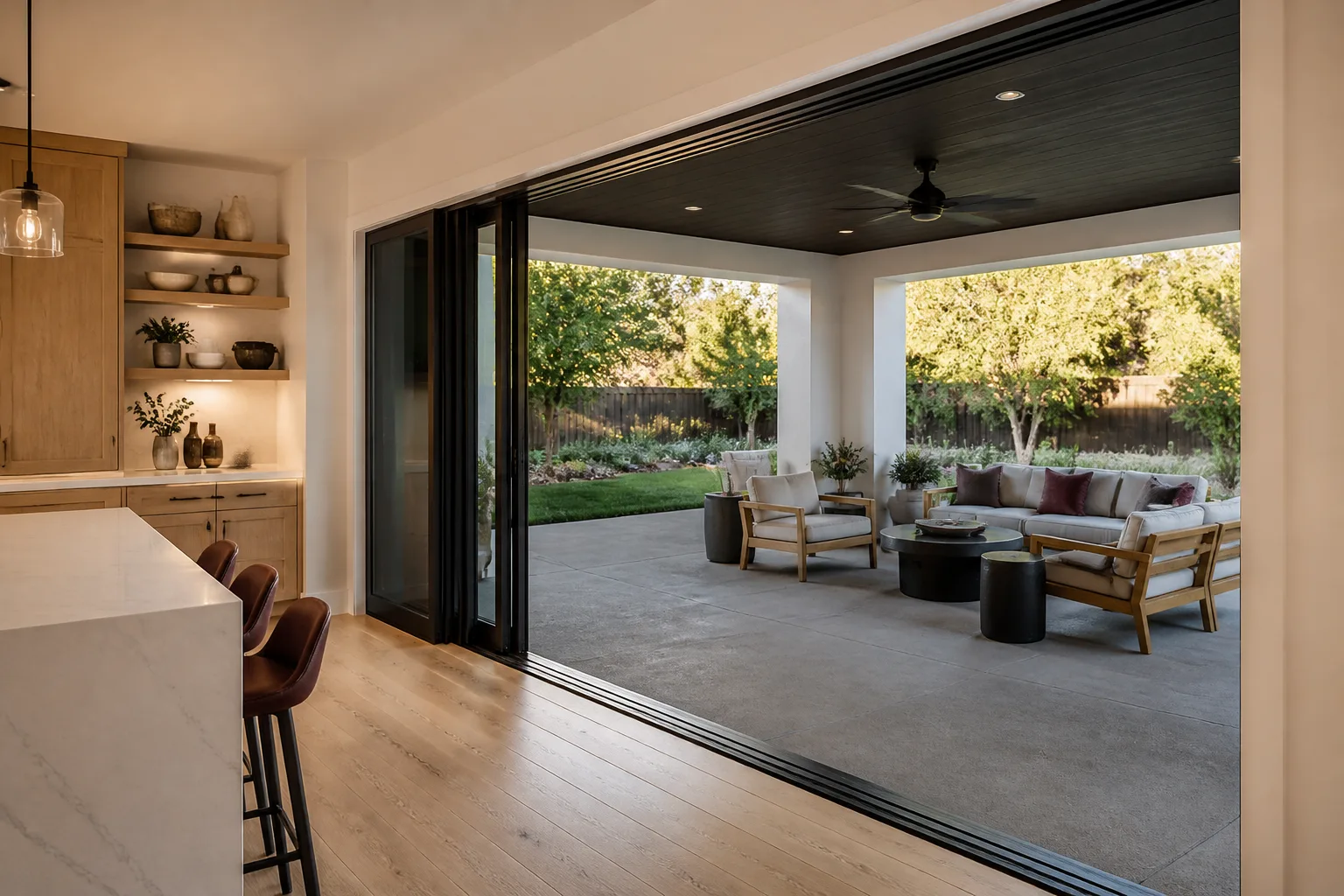
Arlington’s climate compresses maintenance into two windows that many homeowners miss: March, before cooling season, and October, before heating season. The tasks themselves are modest, $15 in materials here and a Saturday there, but the cost of skipping them runs 25 to 50 times higher once water reaches the rough opening or the IGU seal fails. Five-year tasks like a full re-caulk, fastener inspection, and egress window testing are the ones most often forgotten, and they’re the ones that matter most for long-term structural health. If your inspection turns up anything structural or you just want a professional set of eyes on every opening, Rowan Construction Group Arlington will photograph, scope, and price the work in writing before anyone starts. Call (844) 761-7521 for your free estimate.
Written by the team at Rowan Construction Group Arlington.
See the difference
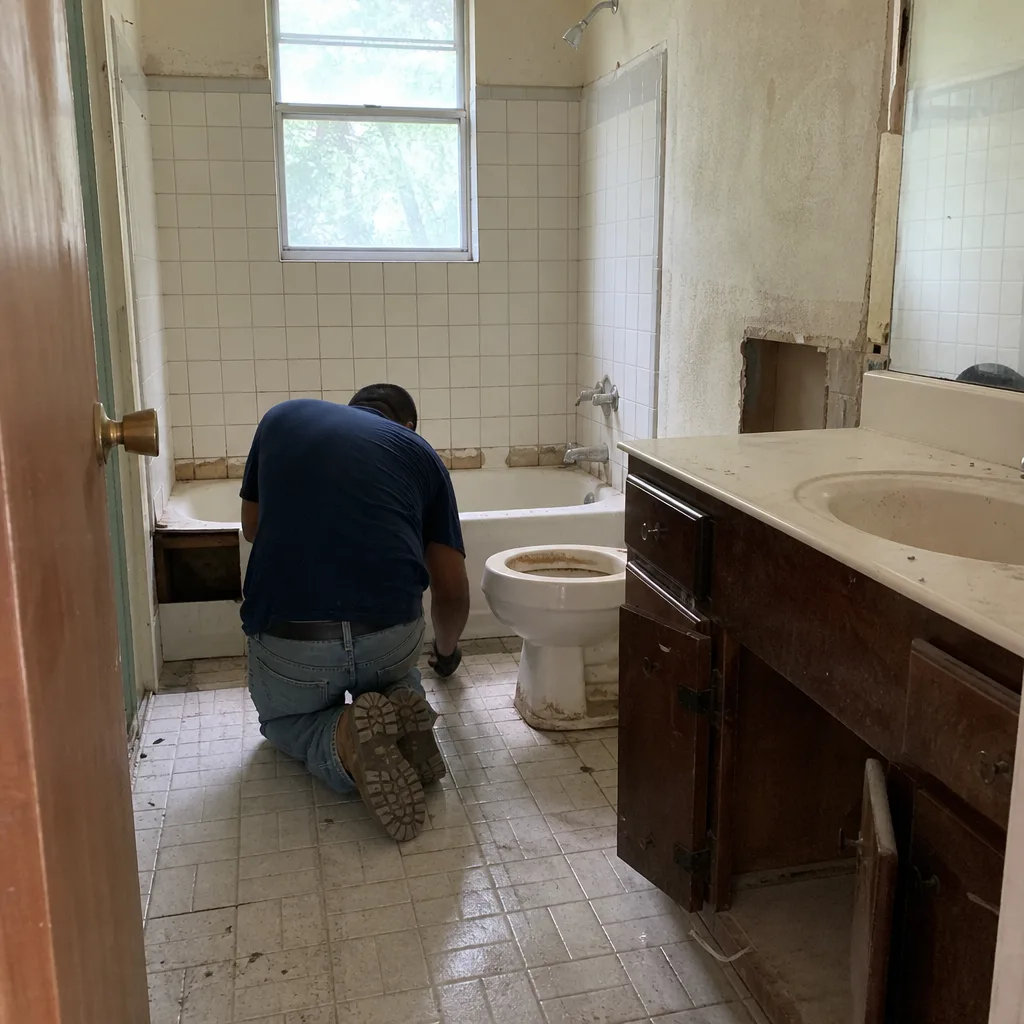 Before
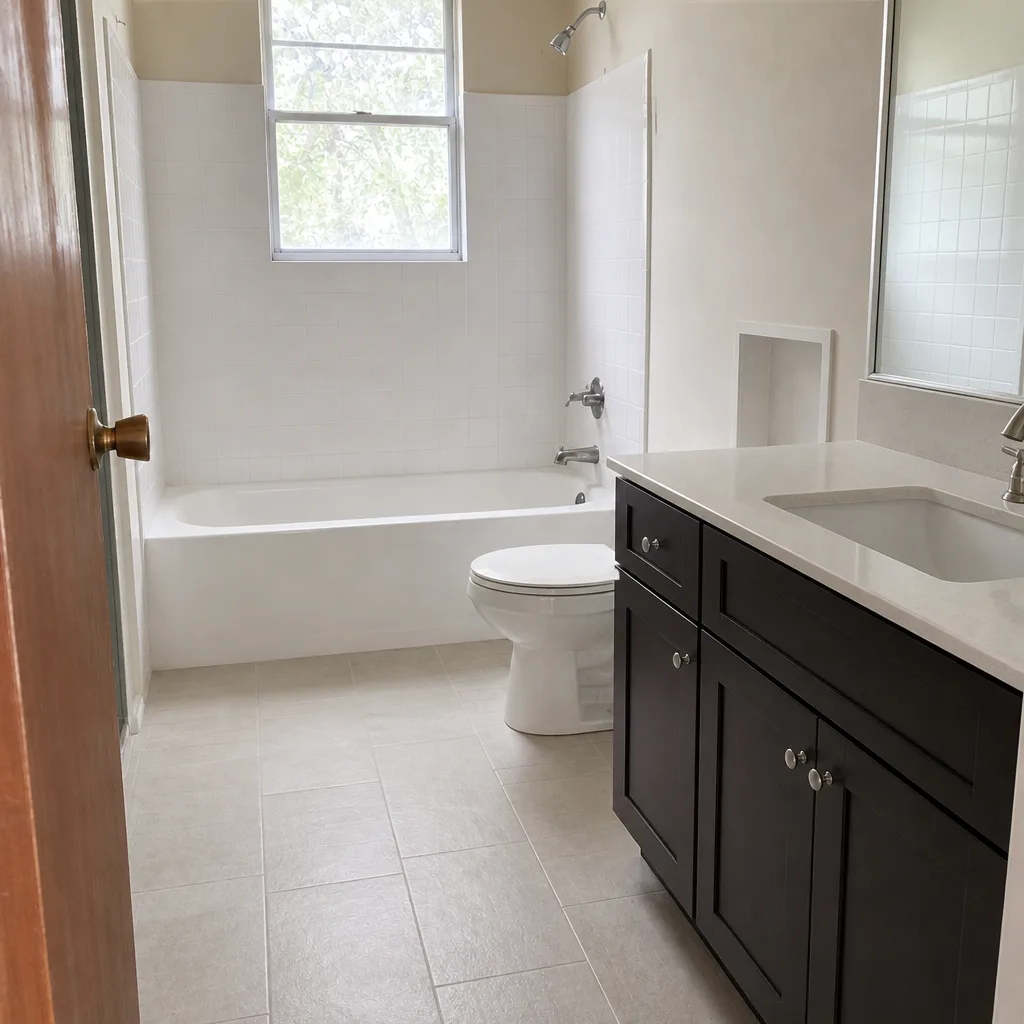 After
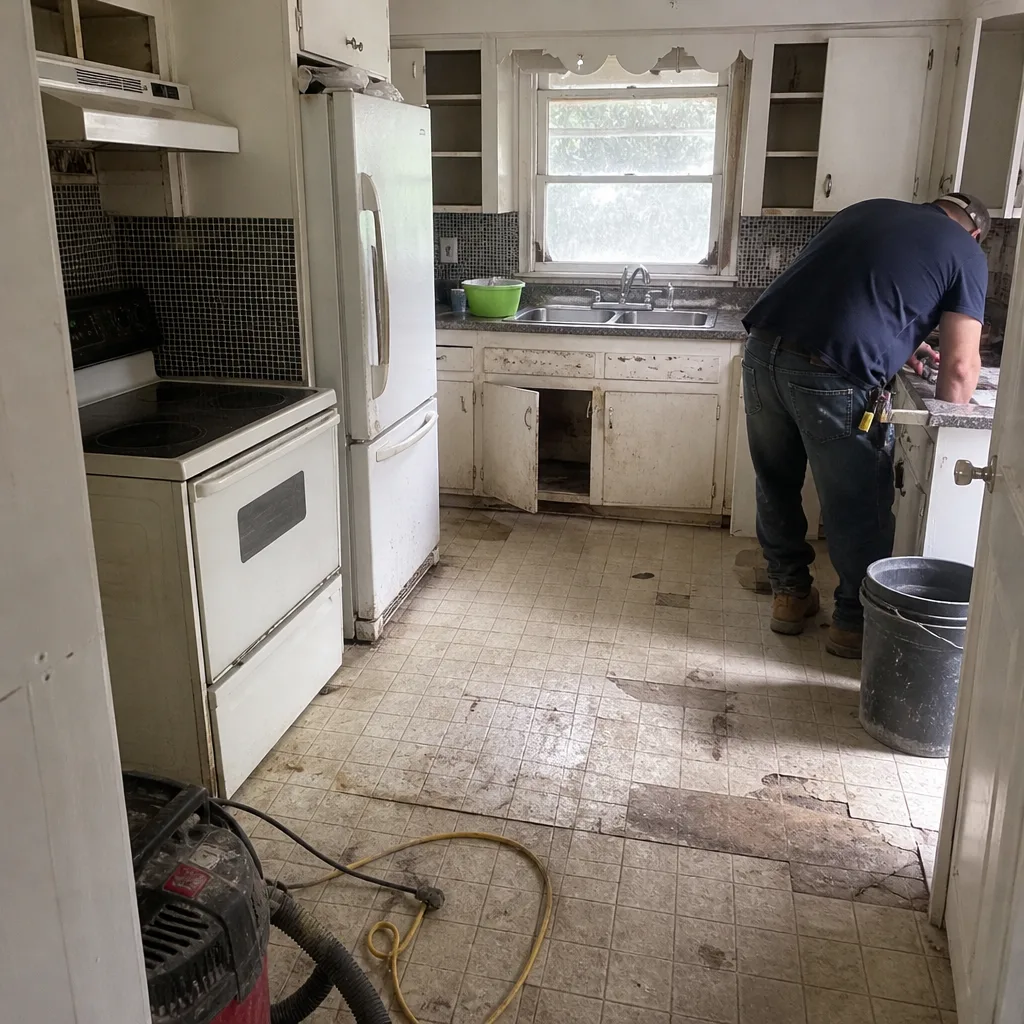 Before
 After
 Before
 After