Last updated November 18, 2026


Free written scope consultation - allowances, timeline, and change-order rules on paper before a single trade is scheduled
How Long Does Fence Installation Take? Timelines and What to Expect
Here’s the number most Arlington homeowners don’t hear until after they sign: Texas 811 utility marking takes up to 72 hours by law, and that clock doesn’t start when you sign the contract. It starts when the contractor calls it in. Add the permit pull, the material lead time, and a post-setting phase that runs longer on caliche soil than any brochure admits, and the “three-day fence” you were promised can stretch to three weeks before a single picket goes up. This guide maps every pre-dig delay so you can build a realistic calendar for your Arlington project before anyone reaches for a post-hole digger.
Quick Answer
A standard 150-linear-foot residential fence in Arlington typically takes 3 to 5 weeks from signed contract to final walk-through: about 5 to 10 business days for the permit, 2 to 3 business days for the Texas 811 utility locate, 5 to 15 business days waiting on materials, and 2 to 4 days of actual installation. The installation itself is rarely the delay. The calendar around it is.
Styles & brands we work with
- Kitchen remodeling
- Bathroom remodeling
- Home additions & ADU
- Roofing
- Windows & doors
- Driveway & pavers
- Fence
Table of Contents
- The Five Phases of a Fence Project, and How Long Each Takes in Arlington
- How Fence Material Choice Changes Your Wait
- How Arlington Lot Conditions Add Days to the Schedule
- What Your Signed Scope of Work Should Say About the Timeline
- A Sample Calendar: 150 Linear Feet of Cedar Privacy Fence
- Who Pulls the Permit, and Why It Matters
- How North Texas Weather Moves the Calendar
The Five Phases of a Fence Project, and How Long Each Takes in Arlington
Every fence job moves through five phases, and almost every blown deadline traces back to one of the four that happen before installation. Here’s what each phase actually involves in Arlington and the day counts we’ve seen across jobs. Treat these as ranges, not promises; a corner lot near the Entertainment District with three easements behaves differently than a straightforward interior lot in Dalworthington Gardens.
- Permit pull – 5 to 10 business days. The City of Arlington requires a permit for new fence over 6 feet and for any fence in the front yard or on a corner lot’s sight triangle. Plan review adds time if the fence sits on a floodplain or near a utility easement. Your contractor should submit the application with a plat drawing and material spec, not just a square footage figure.
- Texas 811 utility locate – 2 to 3 business days minimum. By law, the locate center has up to 72 hours from the request. Marking flags appear within that window; a job where a gas line or fiber runs through a post line will need a hand-dig or an offset, which adds a day.
- Material delivery – 5 to 15 business days. This is the wild card. Cedar privacy panels, vinyl, and wrought iron all arrive on different clocks, covered in detail below.
- Installation – 2 to 4 days for a typical 150-foot run. Post setting, waiting for concrete cure, rails, pickets or panels, gate hardware.
- Inspection and walk-through – 1 to 3 business days. Arlington’s inspector schedules within a couple of business days of your contractor’s call; the walk-through with the signed punch list happens after that.
Notice what that adds up to. The four surrounding phases can easily run three weeks before a hole is dug. That’s the calendar you’re actually buying.
How Fence Material Choice Changes Your Wait
Fence installation in Arlington is not one product, and the material you pick sets your delivery window before the crew even schedules. Here’s what we see from DFW suppliers in a normal market.
- Cedar privacy fence: 5 to 10 business days for standard 6-foot Western red cedar panels and rails. Cedar is a stocked item at most DFW yards, but demand spikes in spring and fall push it toward the longer end. Post diameter matters – 4-inch posts ship faster than 5-inch.
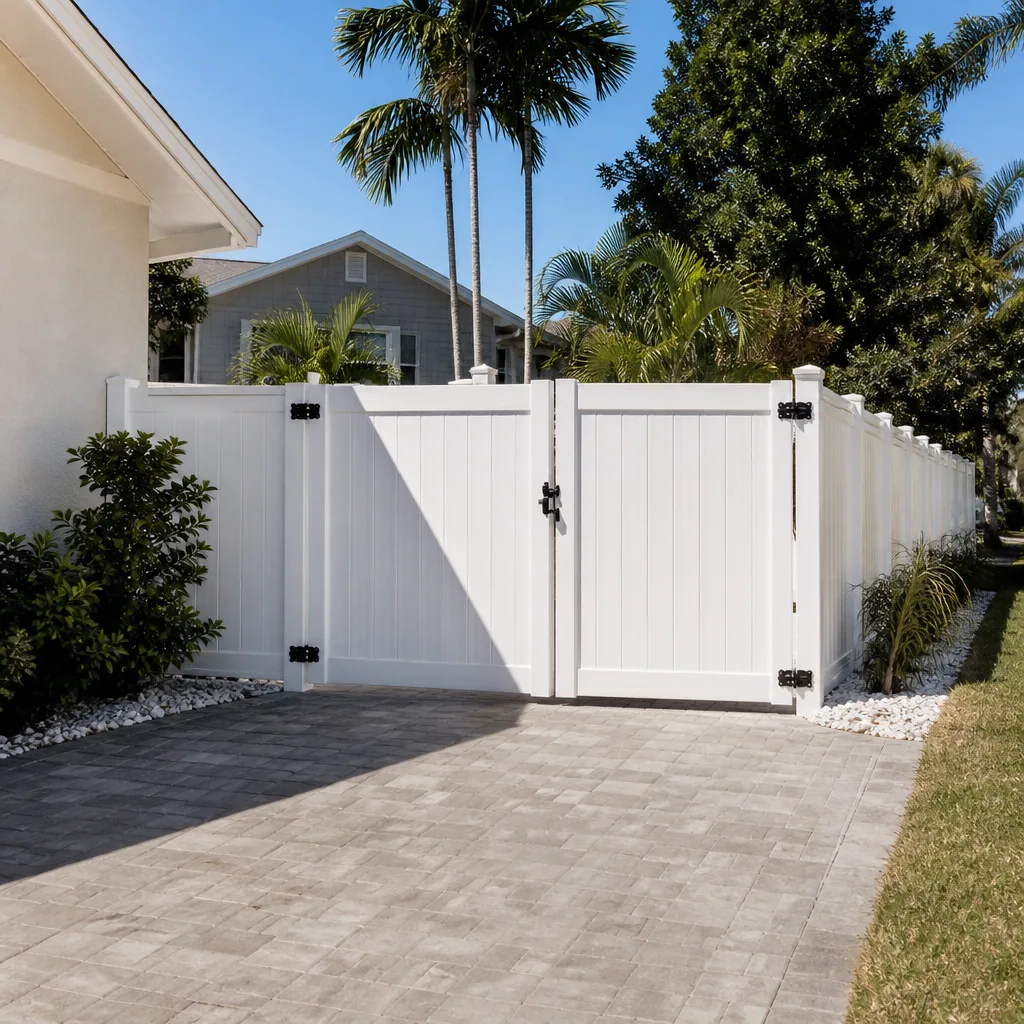
- Vinyl (PVC) privacy: 10 to 15 business days, and occasionally 3 weeks for custom colors or widths outside the standard 6-foot, 8-foot panel sizes. Vinyl is manufactured to order in many cases, not pulled from a shelf.
- Wrought iron and ornamental steel: 15 to 25 business days. Fabrication, powder coating, and shipping run on their own schedule. Custom gate widths and heavy ornamental panels can push past 4 weeks.
- Chain link: 3 to 7 business days. Knocked down from inventory in galvanized or vinyl-coated stock, so it’s the fastest option to arrive and the fastest to install.
The practical takeaway: if your heart is set on a specific vinyl color or a wrought iron gate, order the material decision first and let the install schedule follow it. That sequence alone protects a two-week cushion on the calendar. Where a project touches hardscape at the same time – a new fence line running along a replacing drive – the two trades need a shared calendar, and that’s where our Driveway & Pavers in Arlington team coordinates the sequencing so the fence doesn’t tear up a fresh apron.
How Arlington Lot Conditions Add Days to the Schedule
Two fences look identical on paper and take different lengths of time in the ground. The soil and grade under your property decide how long the post-setting phase runs.
Caliche. Much of Arlington sits on a limestone-cemented soil layer that a standard auger can’t chew through. Where the caliche pan sits shallow, posts need a jackhammer or a rock bit, and setting a single post can take 20 minutes instead of 3. A run with 30 posts adds a full working day. Ask any contractor how they plan to handle caliche before you sign – if they shrug, that’s an answer.
Slope and grade changes. A fence line dropping a foot or more across the run needs stepped panels or a transition, and each transition point is extra work. Sloped yards in neighborhoods like Interlochen or along the bluffs near Lake Arlington commonly add half a day to a full day.
Existing concrete footings. Old fence posts often sit in concrete collars. Removal means breaking out the old concrete, and in a densely built first-ring suburb, a surprising number of runs are on top of two previous fences’ footings. That’s a full day of removal labor before the first new post goes in.
Root and utility conflicts. Mature pecan and live oak roots deflect posts, and locating around a gas service can force a hand-dig. Every one of these is a schedule variable you can flag early.
Our technicians have up to 19 years of experience, and most of that experience in Arlington has been learning which neighborhoods have the shallow caliche and which have the loose river-bottom soil near the Trinity. That knowledge is what keeps a post-setting day from turning into three.
What Your Signed Scope of Work Should Say About the Timeline
A schedule that lives in a voicemail isn’t a schedule. Your written scope of work should state the timeline milestones in writing, and it should name what triggers a legitimate extension versus a contractor’s own delay. Under Clause 1 of the Haven Standard, the price is written before anyone starts; the same discipline applies to the calendar. Here’s what to look for.
- Named start date and completion window – the contract should state the date material is scheduled to arrive and a completion window in days, not “as weather permits.”
- A milestone list – permit submitted, 811 called in, material ordered, install start, final walk-through. Each with a date.
- Legitimate extension triggers – named in writing: a locate hitting an unmapped line, a permit review flag, a supplier backorder on a specified material, or weather that halts digging for more than a set number of days. Anything not on the list is contractor delay.
- Written change-order discipline – if a rock shelf or an old footing requires extra work, no work proceeds on the change until the change order is signed. That’s the clause that keeps a project near the price agreed to.
- Cure and inspection handling – who schedules the inspection, and what happens if it fails.
Get those five items in writing before anyone touches a shovel. A fence is a modest project; the discipline that keeps a modest project on schedule is the same discipline that keeps a kitchen on budget.
A Sample Calendar: 150 Linear Feet of Cedar Privacy Fence
Here’s the calendar we’d build for a typical Arlington job: 150 linear feet, 6-foot cedar privacy, one walk gate, interior lot, no floodplain, standard supplier. Day 1 is contract signature.
- Day 1 – Contract signed. Flat written price with scope and timeline milestones. Change-order clause signed.
- Day 2 – Permit application submitted to the City of Arlington with plat drawing and material spec.
- Day 2 – Texas 811 locate requested. The 72-hour clock starts here, not on Day 1.
- Days 2 to 5 – Locate window. Utility flags appear. Any conflict with a post line gets flagged and resolved before install.
- Days 2 to 12 – Material ordered and delivered. Cedar panels, 4×4 posts, rails, gate hardware. Supplier confirms drop date in writing.
- Days 5 to 12 – Permit issued. If review flags a sight-triangle issue on a corner lot, add 3 to 5 days.
- Day 12 to 13 – Pre-dig walkthrough. Crew confirms post line, gate location, grade transitions. Caliche flagged here.
- Day 13 – Post-setting day. Concrete-embedded posts, ready for cure. If caliche is shallow, add a second day with a rock bit.
- Day 14 – Cure day. Concrete cures before rails go on. No shortcuts here.
- Day 15 – Rails, pickets, and gate. Full run completed.
- Day 16 – Inspection. Arlington inspector signs off. Gate hardware and finish confirmed.
- Day 17 – Final walk-through. Signed punch list, documented photo record, written warranty delivered.
That’s 17 calendar days in a clean run. Add days for a locate conflict, a caliche surprise, or a vinyl or wrought iron material choice, and the 3 to 5 week range above holds. Every name point on that calendar is a place a delay can hide – which is why the milestones belong in writing.
Who Pulls the Permit, and Why It Matters
The permit is the phase most likely to sit idle because nobody owns it. In Arlington, fence permits can be pulled by the homeowner, but a homeowner who has never submitted a plat drawing to plan review will lose days to a resubmission. Put the permit in the contractor’s scope in writing, and hold it to a submission date. The same is true of the 811 call; the law requires the excavator to notify the locate center before digging, and the clock only starts on the request. A contractor who calls in the locate the day it schedules the dig has bought you days; one who calls it in after materials arrive has cost you the same.
This is the part where cheap bids quietly cost money. A contractor who skips the permit, skips the locate, and cuts every post with a borrowed auger will be faster for a week and slower the moment a utility line is clipped or a neighbor complains. The documented record – permit number, locate ticket, signed scope – is what protects you if the fence line ever has to be defended.
How North Texas Weather Moves the Calendar
Arlington’s weather can halt a fence schedule in ways other markets don’t see. Summer heat above 100°F doesn’t stop a crew, but it does slow concrete cure and makes a full day of post-setting hard work – schedule those days earlier in the day where you can. Spring and fall thunderstorms drop torrential rain fast, and wet clay holds water; a day of heavy rain can cost one to three days of digging and curing time. Winter freezes of the 2021 kind stall everything. The lesson isn’t to fear the weather; it’s to leave a weather buffer in the calendar and to have the contractor name the buffer in writing. A schedule with no buffer in a North Texas spring is a wish, not a plan.
Common Mistakes to Avoid
- Signing before the locate is called in. The 811 clock starts on the request, not the signature. A polite date on the contract hides the fact that nothing has been requested yet.
- Choosing a material before checking lead time. Falling in love with a custom vinyl color before checking the DFW supplier window can add two weeks to the calendar before any work is scheduled.
- Assuming the price is fixed when no scope is attached. A number with no written scope isn’t a price; it’s a guess. Insist on a flat written price with scope and milestones before signing.
- Skipping the permit to save a week. An unpermitted fence can complicate a sale later. The 5 to 10 business days are worth it.
- Not asking about caliche and existing footings. If the bidder doesn’t mention soil or old footings, they haven’t looked under your yard. A $200 rock bit can turn into a $1,000 change order.
- Letting the contractor schedule the walk-through verbally. The final walk-through is where you sign the punch list and receive the documented photo record. Put the date in writing.
- Ignoring the fence’s relationship to the rest of the yard. A fence line that crosses a planned patio or addition needs coordination now, not after the posts are set. That’s a conversation for the Home Additions & ADU in Arlington side of the project, and doing it early saves a rebuild.
See the difference
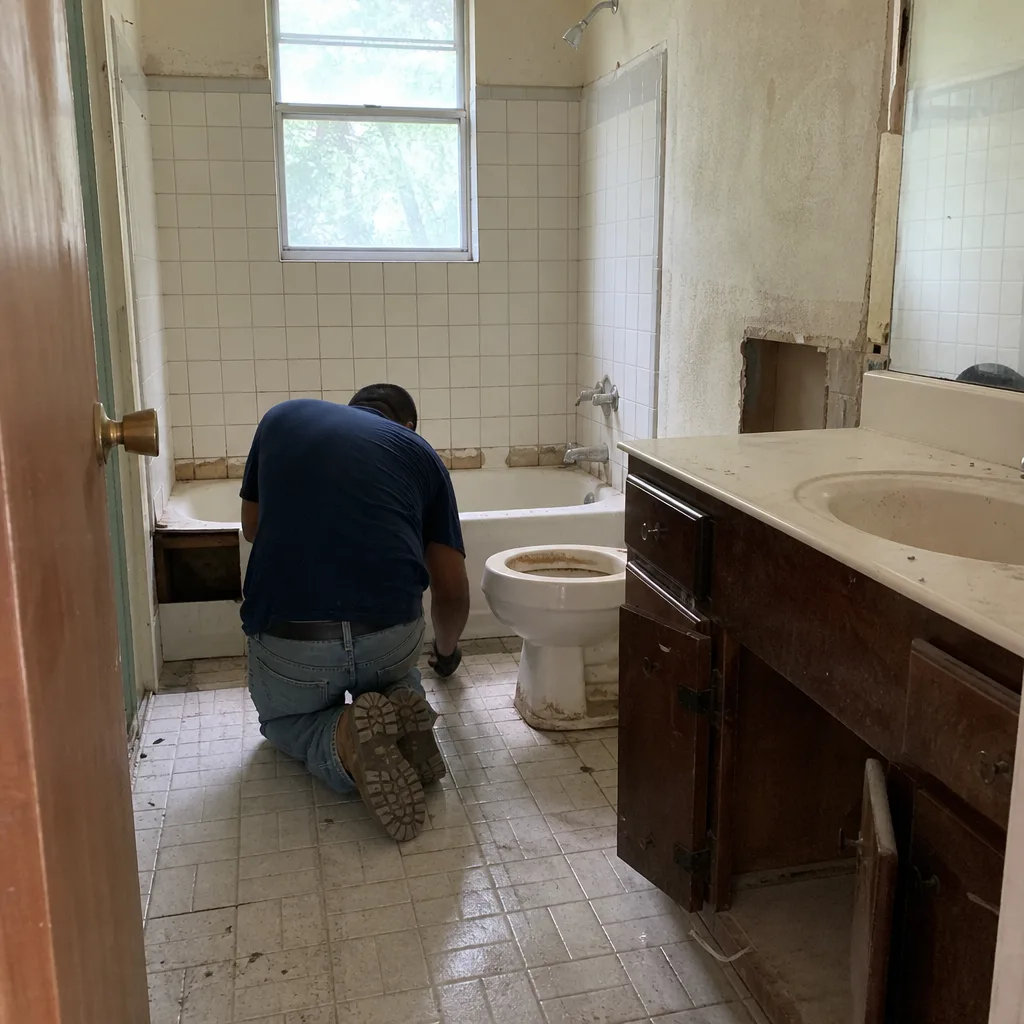 Before
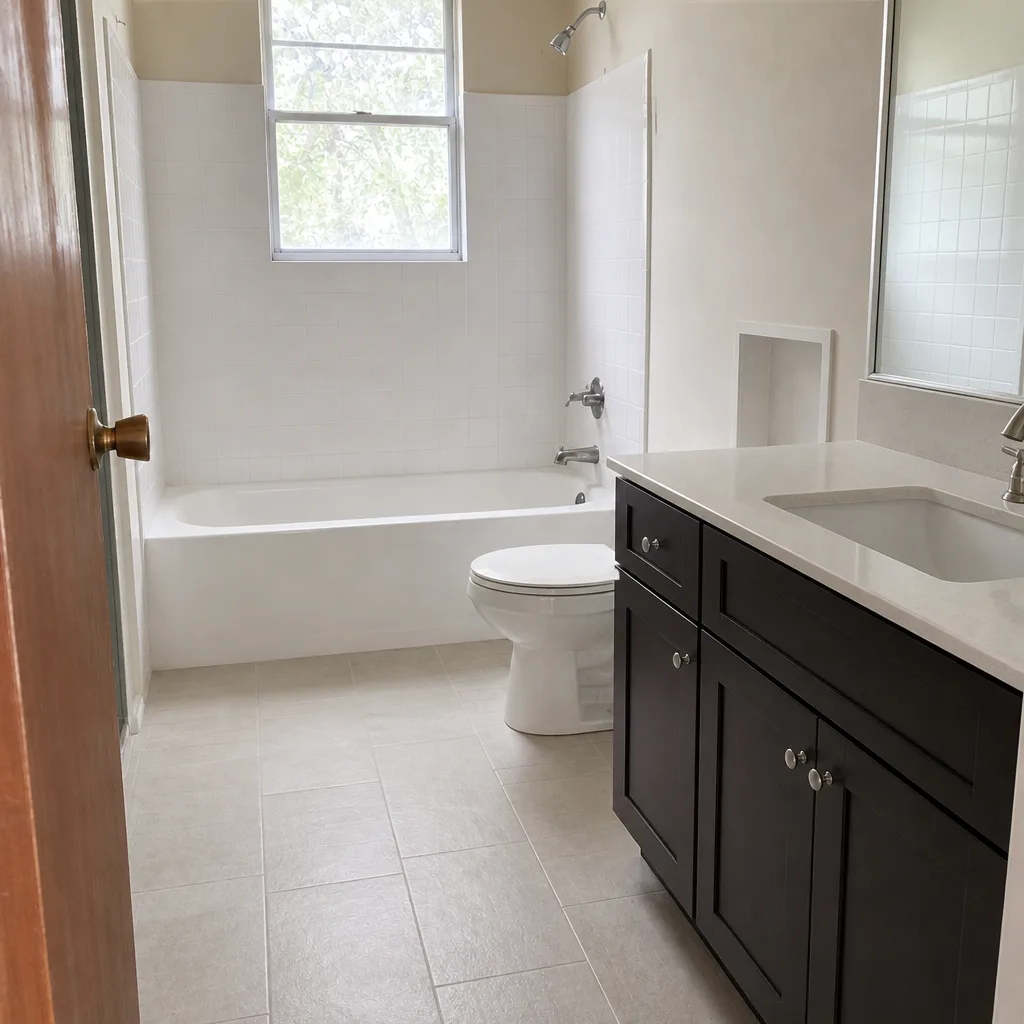 After
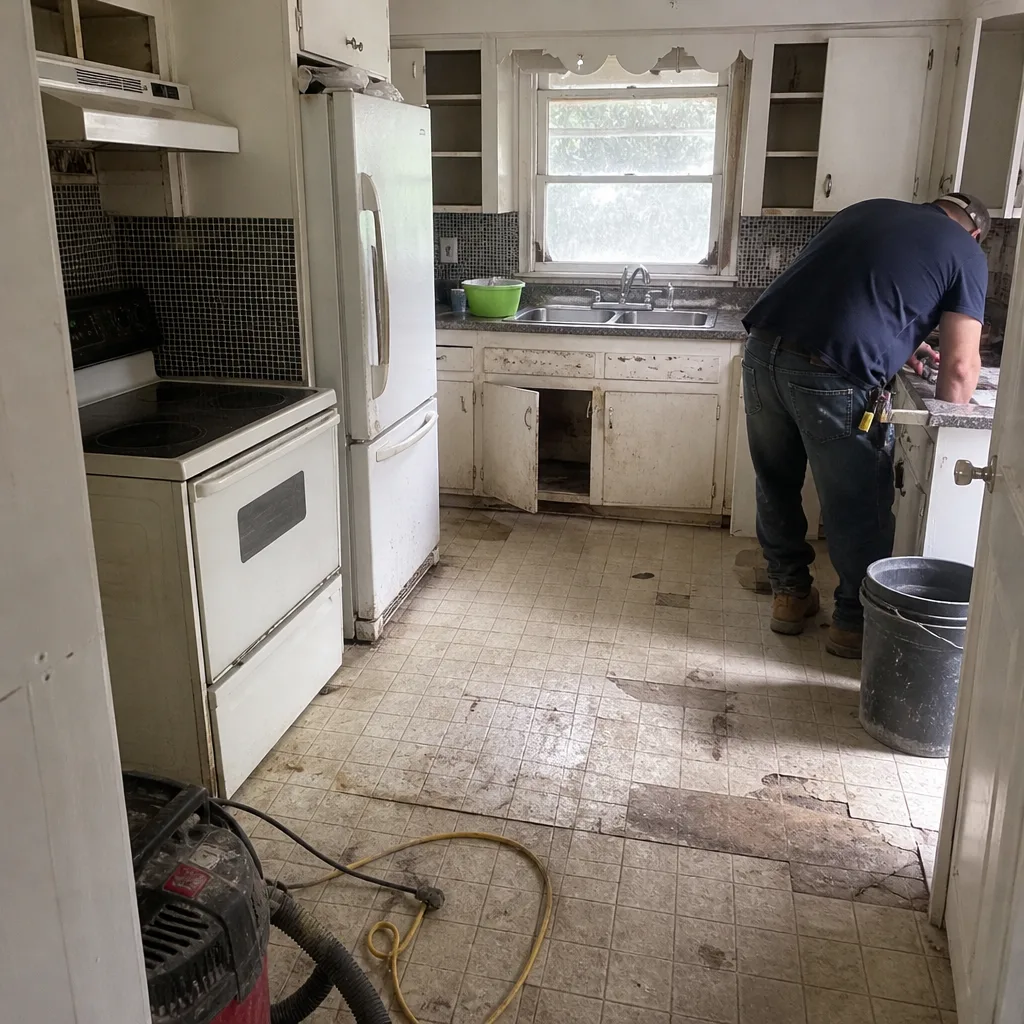 Before
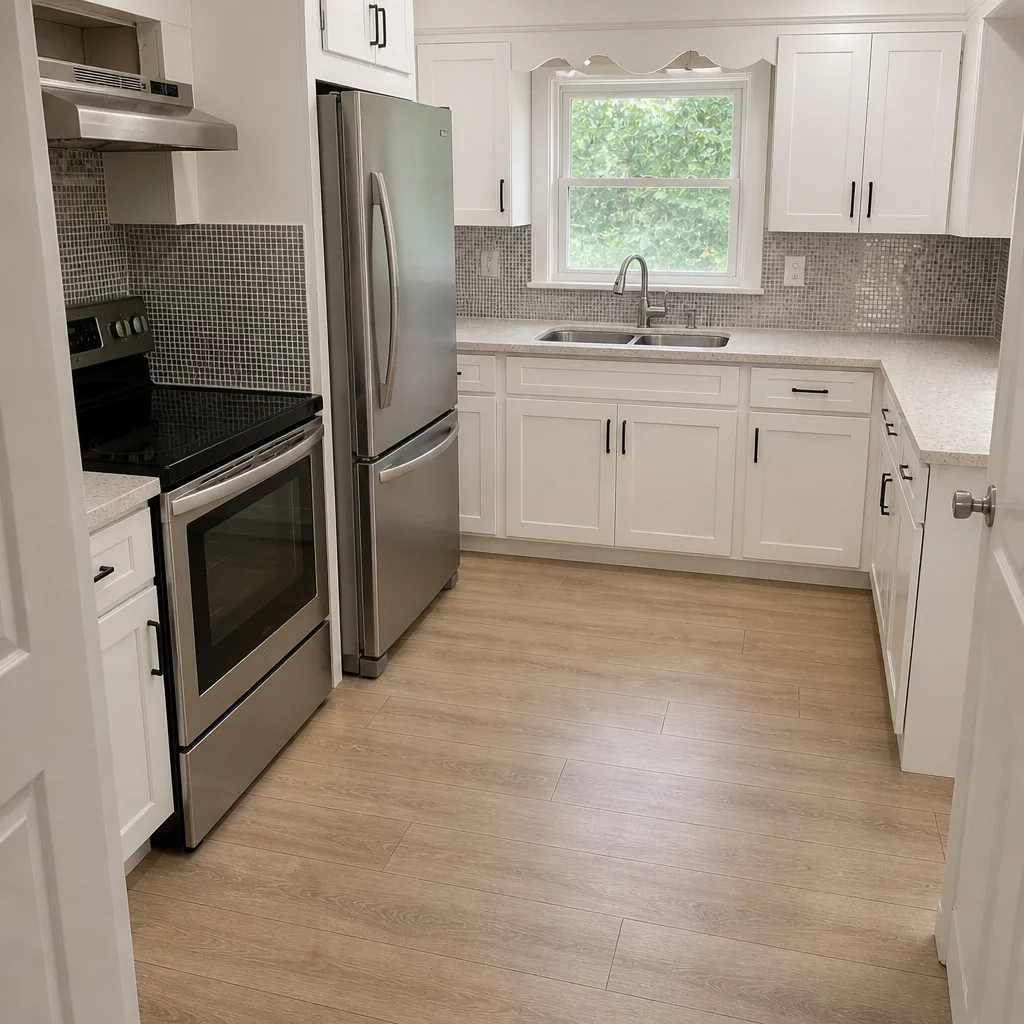 After
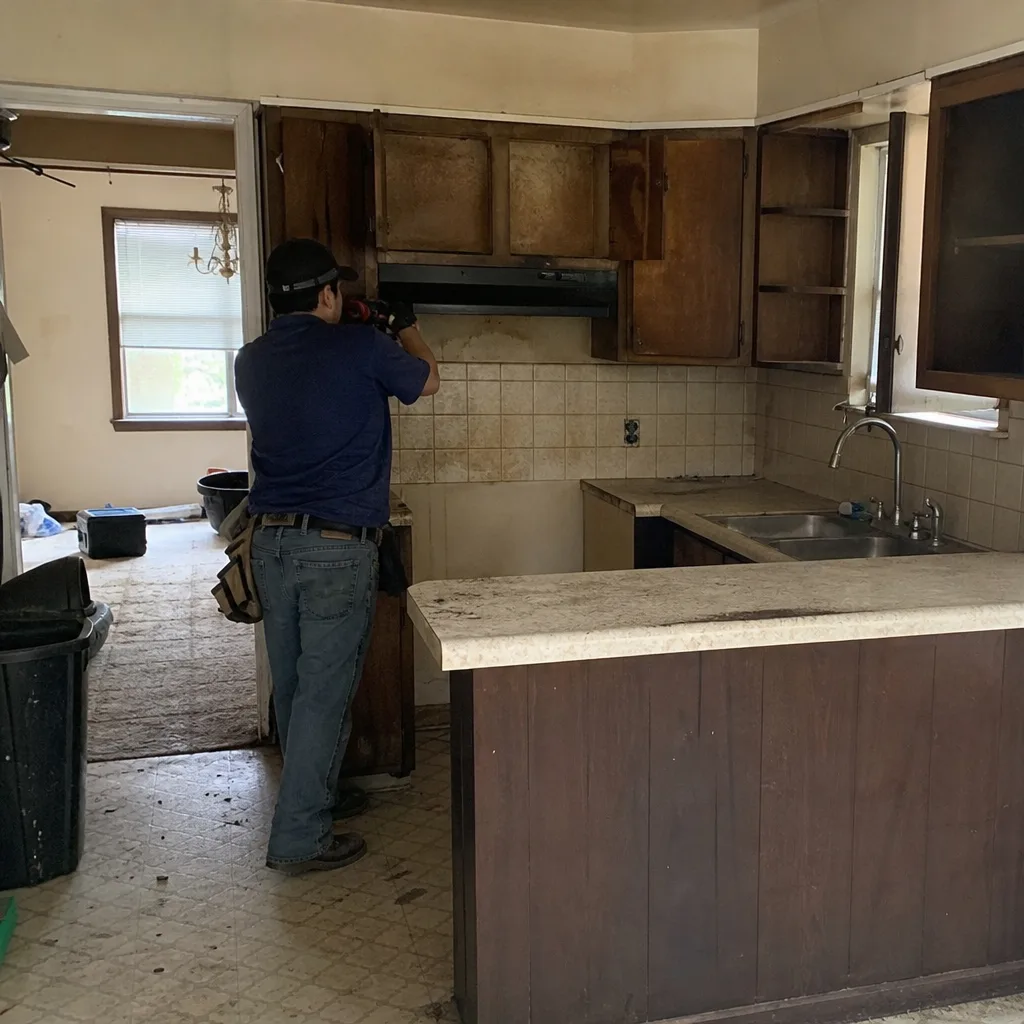 Before
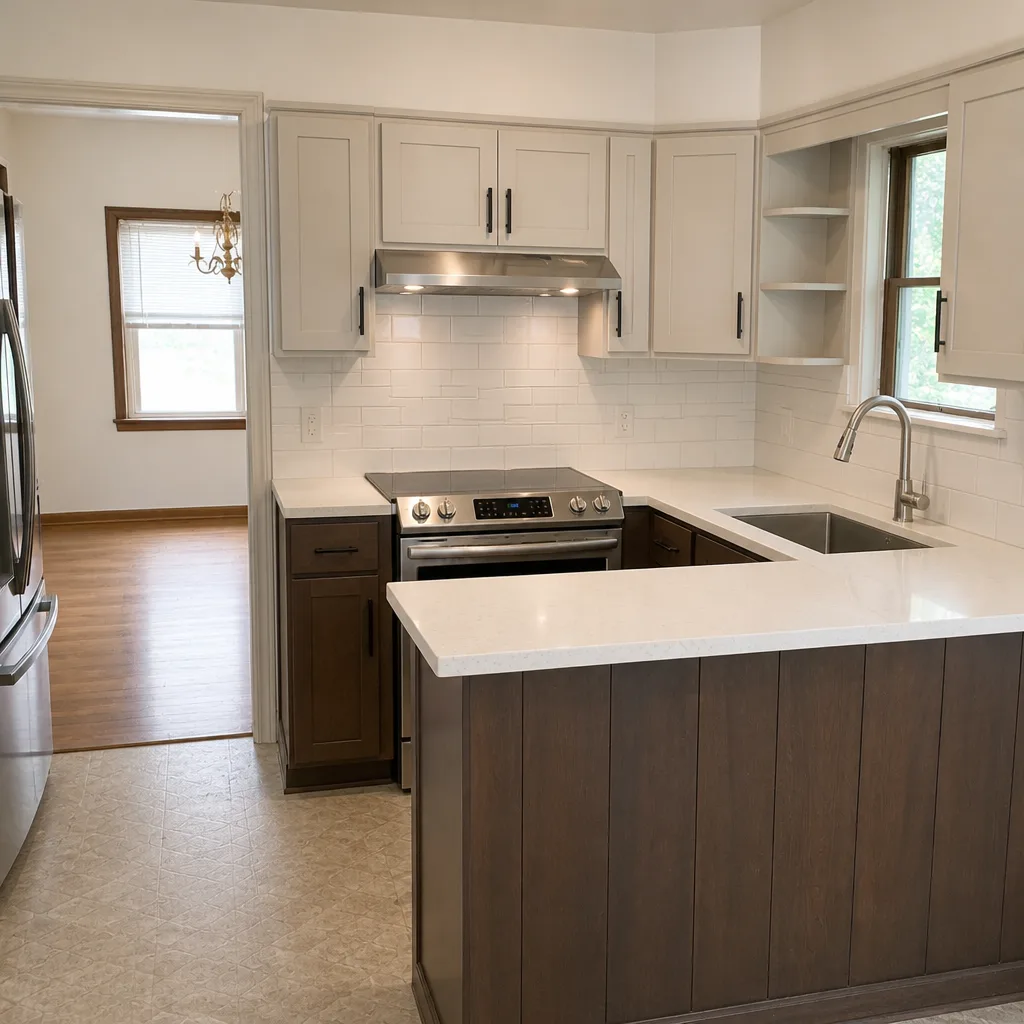 After
When to Call a Professional
A fence installation in Arlington is not a DIY weekend job, and a few situations make the professional path the only sensible one. If your proposed fence line runs anywhere near a gas service, a buried fiber line, or an electrical conduit, a hand-dig and an 811 locate are not optional; they’re the difference between a fence and a service interruption. If your property sits on shallow caliche or a slope over a foot, the post-setting phase needs rock equipment and engineering judgment. If your fence is over 6 feet, in the front yard, on a corner sight triangle, or anywhere a permit or inspection applies, pull the permit. And any fence that will be part of a future sale or insurance documentation deserves a written scope, a photo record, and a workmanship warranty. Our technicians have up to 19 years of experience and handle all of these as standard. Rowan Construction Group Arlington offers free estimates in Arlington – call (844) 761-7521 to schedule yours.
Frequently Asked Questions
A standard residential fence in Arlington takes 3 to 5 weeks from signed contract to final walk-through. The installation itself runs 2 to 4 days; the rest is permit, Texas 811 locate, material delivery, and inspection. Call (844) 761-7521 for an exact timeline on your lot – estimates are free.
Yes, and it should. Texas law gives the locate center up to 72 hours to mark utilities after a contractor requests a locate, and the clock starts on the request, not the signature. A contractor who calls it in on day one protects the schedule; one who waits is at fault if the project stalls. Call (844) 761-7521 to ask how we handle the locate on every Arlington job.
Not without a signed change order. Under Clause 1 of the Haven Standard, the price is written before any work starts, and no work proceeds on a change until the change order is signed. That’s the discipline that has kept our projects within a few percent of the agreed price. Call (844) 761-7521 for a free written quote with timeline milestones.
Yes, permits are part of the standard scope for fences over 6 feet, front-yard fences, and corner-lot fences that touch a sight triangle. The permit application goes in with a plat drawing and material spec, and inspection is scheduled as part of the job. Call (844) 761-7521 to start the process.
A well-installed Western red cedar privacy fence in Arlington commonly lasts 15 to 20 years with routine upkeep, though untreated pine and thinner panels fail sooner in our heat and humidity cycles. Soil conditions and post embedment matter as much as the wood. Call (844) 761-7521 to talk through material options and lifespan for your yard.
Yes. Chain link arrives in 3 to 7 business days and installs fastest; cedar runs 5 to 10 business days; vinyl 10 to 15; wrought iron 15 to 25. Picking an in-stock material and standard post size is the single biggest schedule lever a homeowner controls. Call (844) 761-7521 to compare lead times for your material choice.
The Bottom Line
Fence installation timelines in Arlington are decided in the four phases before the digger arrives: permit, 811 locate, material delivery, and inspection. Plan for 3 to 5 weeks on a standard cedar fence, know that caliche and old footings add days, pick a material with your eyes open on lead time, and get the milestones in writing with a name on each one. That’s the whole game. A 17-day clean-run calendar is realistic; a three-day promise isn’t. If you want the written number before anyone picks up a tool, the team at Rowan Construction Group has done exactly that across four trades and thousands of jobs.
Ready to put a date on your fence calendar? Call (844) 761-7521 for a free estimate from Rowan Construction Group Arlington. We deliver the flat written price, the scope, and the milestone timeline before any work starts, and the documented photo record at every visit, so you know what happened and when. Take a look at our Fence Installation in Arlington work, then call us to schedule.
Related reading
If your fence project sits inside a larger yard plan, our Driveway & Pavers in Arlington guide covers the hardscape sequencing, and the Home Additions & ADU in Arlington page walks through how additions and outbuildings affect fence-line placement. Start at the Rowan Construction Group Arlington home page to see every service and the Haven Standard in one place.
Written by the team at Rowan Construction Group Arlington.