Last updated November 18, 2026


Free written scope consultation - allowances, timeline, and change-order rules on paper before a single trade is scheduled
Fence Installation Maintenance Schedule: What to Do and When
Cedar boards here lose their UV-protective oils in 12 to 18 months without a sealant, and the board that looks solid from ten feet away has often lost close to a third of its structural fiber at the soil line. That gap between appearance and condition is where most premature replacements begin. A screwdriver and two minutes of probing every spring catches it while the fix costs a few dollars instead of a new panel. What follows is a material-by-material schedule for Arlington fences, built around what actually fails here and when. You’ll get the timing, the inspection steps, and the cost math for maintenance versus replacement.
Quick Answer
Inspect every fence twice a year – once in spring after winter soil movement and once in fall before the rain season. Cedar needs annual sealing and a bi-annual rot probe at the base of each post and board. Vinyl needs a UV cleaner twice a year and hinge lubrication. Aluminum needs an annual fastener check. Chain-link needs an annual tension check and rust treatment before it spreads. Arlington’s clay-heavy soil and hot, dry summers make post heave and drought stress the two failures we see most.
Styles & brands we work with
- Kitchen remodeling
- Bathroom remodeling
- Home additions & ADU
- Roofing
- Windows & doors
- Driveway & pavers
- Fence
Table of Contents
- Material-Specific Maintenance Calendars
- How to Inspect Post Concrete at Grade Level
- Gate Hardware Maintenance Intervals
- Seasonal Task Timing for North Texas
- Maintenance vs. Replacement Cost Per Year
- Common Mistakes to Avoid
- When to Call a Professional
- Frequently Asked Questions
Material-Specific Maintenance Calendars
A single annual fence inspection assumes every material ages the same way. It doesn’t. Each of the four common fence materials in Arlington has its own failure mode and its own intervention window, and missing the window is what turns a small repair into a full replacement.
Cedar
Cedar in North Texas takes a beating from UV and from the swing between wet springs and dry summers. The schedule looks like this: seal or stain once a year, ideally in fall when moisture content is stable. Probe for rot at the base of every post and board twice a year – spring after the wet season and fall before the rains. Probe means exactly that: push a screwdriver into the wood at the soil line. Soft resistance means water has gotten in and the fiber is breaking down.
Vinyl
Vinyl doesn’t rot, but it does chalk, discolor, and collect grime on the north-facing side that never dries fully. Clean with a UV-rated vinyl cleaner twice a year – spring and late summer. Lubricate gate hinges at the same interval. Check the caps on the posts each time you’re out there; a missing cap lets water into the post cavity.
Aluminum
Aluminum’s enemy is not rust but loose fasteners and scratched coating. Check every fastener annually. Walk the line with a screwdriver and snug anything that moves. Touch up paint on any cut end or scratch before it oxidizes – that bare aluminum turns chalky and then pits if it’s left exposed through a summer.
Chain-link
Chain-link needs an annual tension check – grab the fabric and pull; excess give means you’ll want to re-tension at the tension bar. Treat rust the moment you see it. A small rust spot treated in spring stays small. Left through a humid Arlington summer, it spreads along the wire and galvanizing fails. Knock loose rust off, apply a rust converter, then a matching topcoat.
If you’re deciding between materials in the first place, our guide to Fence Installation in Arlington covers what holds up here and what doesn’t.
How to Inspect Post Concrete at Grade Level
Post footings fail before the fence above them does. The concrete collar that anchors each post is your early warning system, and you can read it in about ten seconds per post once you know what to look for.
- Look at the collar, not the post. Crouch to grade level and look at where the concrete meets the soil. A hairline crack radiating out from the post is normal settling. A crack that runs vertically down the side of the collar and separates is not.
- Probe the seam. Push a screwdriver into the gap between the post and the concrete. If it slides in easily, water is getting in and the post is softening.
- Check for heave. Has the collar lifted above the surrounding soil? In Arlington’s expansive clay, freeze-thaw and wet-dry cycles push footings up. A collar sitting proud of grade has moved, and the post above it has moved with it.
- Look for staining. Rust streaks on the concrete or dark water lines below the collar mean water is pooling and infiltrating rather than draining away.
- Rock the post. With the fence assembled, a post that rocks more than a quarter inch at the top is loose in its footing. That’s a repair, not a maintenance item.
Water infiltration is the root cause behind most of what you’ll see. Once water gets under a collar, it works its way into the wood, freezes and expands in the cold snaps we do get, and cracks the concrete further. The fix is often a simple grade correction or a small concrete repair. The mistake is leaving it until the post has rotted out and the whole footing needs replacing.
Gate Hardware Maintenance Intervals
Gates carry the most stress of anything on the fence. They’re opened and closed hundreds of times in a season, and every swing works the hinges, the latch, and the post the gate hangs from. Hardware maintenance is the cheapest thing you can do to keep a gate working.
- Hinge pins: lubricate every three months, or monthly on a high-traffic gate. A dry hinge pin wears the hinge barrel, and a worn barrel means the gate sags.
- Latch: check engagement every time you lubricate the hinges. A latch that’s catching on the strike plate by a hair is about to fail. Adjust the strike plate orientation or the latch post position, not the latch mechanism itself.
- Sagging gate: tighten the hinge bolts and, if you have one, check the diagonal brace. A sagging gate that sags back after tightening has a post problem, not a hinge problem.
- Replacement threshold: if you’re adjusting the same hinge or latch more than twice in a season, replace the hardware. Adjustment is cheap until it isn’t – the labor adds up faster than a new set of hinges and a latch.
The same logic applies to gate posts as to fence posts: check the concrete collar at the gate post first. The gate post takes more load than any other post on the line, so it’s the one that fails earliest.
Seasonal Task Timing for North Texas
The calendar for fence maintenance in Arlington is driven by weather, not by arbitrary months. Here’s how we break it down across the year.
Spring: post-heave inspection
After winter’s wet-dry cycles, this is the time to walk the line and check every collar at grade level. Our clay soil moves when it gets wet and shrinks when it dries, and that movement works footings loose over the winter. Spring is when you’ll see which posts have shifted and which collars have cracked. Fix them now, before the summer heat locks the soil in place and hides the problem. If you’re also thinking about paving or drainage changes around the fence line, this is the season to line it up – see Driveway & Pavers in Arlington.
Summer: wood moisture check
Through the drought months, cedar and other wood fences dry out and check (crack) at the surface. Check moisture content at several points with a moisture meter – under 10 percent means the wood is stressed, and it’s not the time to apply sealant. Sealant applied to bone-dry wood sits on the surface and peels, and sealant applied to wet wood traps moisture in. Wait for moisture to stabilize in fall.
Fall: drainage clearing before rain season
Clear the base of the fence line of leaves, mulch, and debris. This is the single most effective thing you can do to prevent the water infiltration that destroys post collars. Make sure the soil slopes away from the posts. If the grade holds water against the fence, fix the grade – a small regrade or a French drain along the fence line costs far less than replacing the footings.
Winter: hardware check and seal
Cold snaps are hard on metal hardware. Check the gate hinges and latch, and check the fasteners on aluminum fencing. If you’re doing a fall seal, do it before the first freeze so it can cure properly.
Maintenance vs. Replacement Cost Per Year
Here’s where the math gets real. For a typical 150-linear-foot residential fence in Arlington, the annual maintenance cost and the replacement cost depend heavily on material. These are range figures for planning – the exact number depends on condition, access, and what you’re replacing.
- Cedar, 150 linear feet: annual maintenance (sealing, probe, minor repairs) runs roughly $300 to $600 a year. Full replacement runs roughly $4,500 to $8,000 depending on height, style, and gate count.
- Vinyl, 150 linear feet: annual maintenance (cleaning, hinge lubrication, occasional cap replacement) runs roughly $150 to $300 a year. Full replacement runs roughly $5,500 to $9,000.
- Aluminum, 150 linear feet: annual maintenance (fastener check, touch-up paint, rust treatment) runs roughly $100 to $250 a year. Full replacement runs roughly $5,000 to $9,000.
- Chain-link, 150 linear feet: annual maintenance (tension check, rust treatment) runs roughly $100 to $200 a year. Full replacement runs roughly $2,000 to $4,000.
The math tells you what the schedule is really for. On cedar, a decade of diligent maintenance plus resealing costs less than half a replacement – and you defer the replacement by years. On chain-link, the maintenance is so cheap relative to replacement that skipping it is almost never worth it. The material that looks cheapest to maintain is the one where the maintenance actually matters most, because a rotted-out cedar fence is not a repair, it’s a rebuild. When a repair turns into more than a few posts, or when the fence is part of a larger project, it’s worth getting a written scope before you commit. That’s where our Rowan Construction Group Arlington home page helps you see the full trade list.
Common Mistakes to Avoid
- Sealing bone-dry wood in summer. Sealant applied when the wood is below about 10 percent moisture content sits on the surface and peels within a year. In Arlington’s drought summers, wait for fall moisture to stabilize.
- Treating rust on chain-link with paint alone. Paint over an active rust spot locks in the rust and it continues under the paint. Use a rust converter first, then topcoat.
- Ignoring the concrete collar. Most people look at the fence boards and never at grade level. The failure almost always starts at the collar, and that’s where the cheap fix lives.
- Over-adjusting gate hardware. Tightening a hinge that keeps loosening treats the symptom. The hinge or the gate post is the problem, and continued adjustment costs more in labor than replacement hardware.
- Clearing leaves but ignoring grade. Debris removal helps, but if the soil slopes toward the fence, water still pools against the posts every rain. Fix the slope along the line.
- Assuming vinyl needs nothing. Vinyl doesn’t rot, but it chalks, collects grime, and loses post caps. Twice-yearly cleaning and hinge lubrication keep it looking new, and missing caps let water into the post cavity.
- Waiting for a post to rot before replacing it. A post that probes soft at the base has already lost structural fiber. Replace it while it’s a single-post job, before the neighboring panel has to come down with it.
When to Call a Professional
Most of what’s in this guide is work you can do yourself with a screwdriver, a moisture meter, and a Saturday. But some failures are structural, and getting those wrong costs more than the call would have. Call a professional when more than two posts rock in their footings, when a gate has sagged back after you’ve tightened the hinges and checked the brace, when a section of fencing has visibly leaned after a storm, or when the concrete collars along a run are cracked and separated rather than hairline-settled. Those are signs of footing or post failure that a surface repair won’t hold. For anything structural, or when a repair involves a post that’s been soft at the base, it’s time to bring someone in. Rowan Construction Group Arlington offers free estimates in Arlington and a free second opinion on any written estimate you’re holding. Call (844) 761-7521.
Frequently Asked Questions
Twice a year – spring after winter soil movement and fall before the rain season. Cedar fences benefit from a bi-annual rot probe in addition to the seasonal walk-through. Call (844) 761-7521 for an exact assessment – estimates are free.
In fall, once the wood’s moisture content has stabilized between roughly 10 and 15 percent. Sealing in the heat of summer, when the wood is drier, causes the sealant to peel. Call (844) 761-7521 to schedule an inspection and get a written price.
Probe it with a screwdriver at the soil line. If the tool pushes in with light pressure, the wood has lost structural fiber and the post needs replacing. A board that looks solid above grade can be soft at the base. Call (844) 761-7521 for a written estimate on the repair.
Expansive clay soil that swells when wet and shrinks when dry, combined with water infiltration into the concrete collar. The footing moves, and the post follows. Catching it at the collar stage is usually a grade or concrete repair rather than a post replacement.
Most maintenance-level repairs run $300 to $600 a year for a 150-foot cedar fence; full replacement of the same run runs roughly $4,500 to $8,000 depending on material, height, and gates. Call (844) 761-7521 for an exact quote – estimates are free.
No. Under Clause 1 of the Haven Standard, the price is written before anyone starts, and no work proceeds on a change until the change order is signed. You get a written scope and a written warranty with the flat price. Call (844) 761-7521 for a free second opinion on any estimate.
The Bottom Line
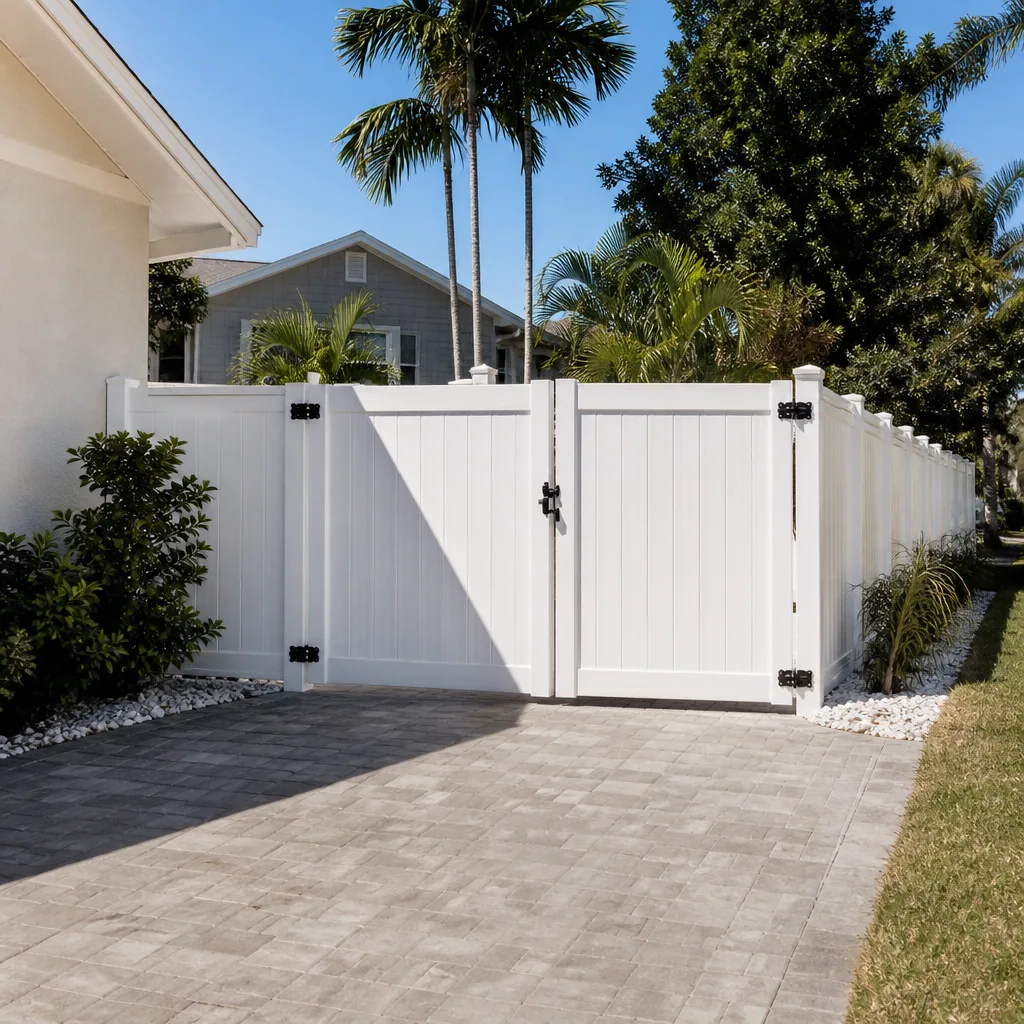
Fence maintenance is not one annual task; it’s four different schedules wearing one name. Cedar wants annual sealing and a bi-annual rot probe. Vinyl wants twice-yearly cleaning and hinge lubrication. Aluminum wants a fastener check and paint touch-up on every cut. Chain-link wants a tension check and prompt rust treatment. In Arlington, the soil and the summer drought set the timing: spring for post-heave inspection, fall for drainage and sealing, winter for hardware. The concrete collar at grade is your early warning, and it costs almost nothing to check. If your fence is part of a bigger project – a paver patio, a Home Additions & ADU in Arlington, or a whole-yard upgrade – get a written price before anyone touches a tool.
Call Rowan Construction Group Arlington at (844) 761-7521 to schedule your free estimate. Our technicians have up to 19 years of experience, every project comes with a flat written price before work starts and a documented photo record when the crew leaves, and the 365-Day Done Right Promise backs the work.
Written by the team at Rowan Construction Group Arlington.
See the difference
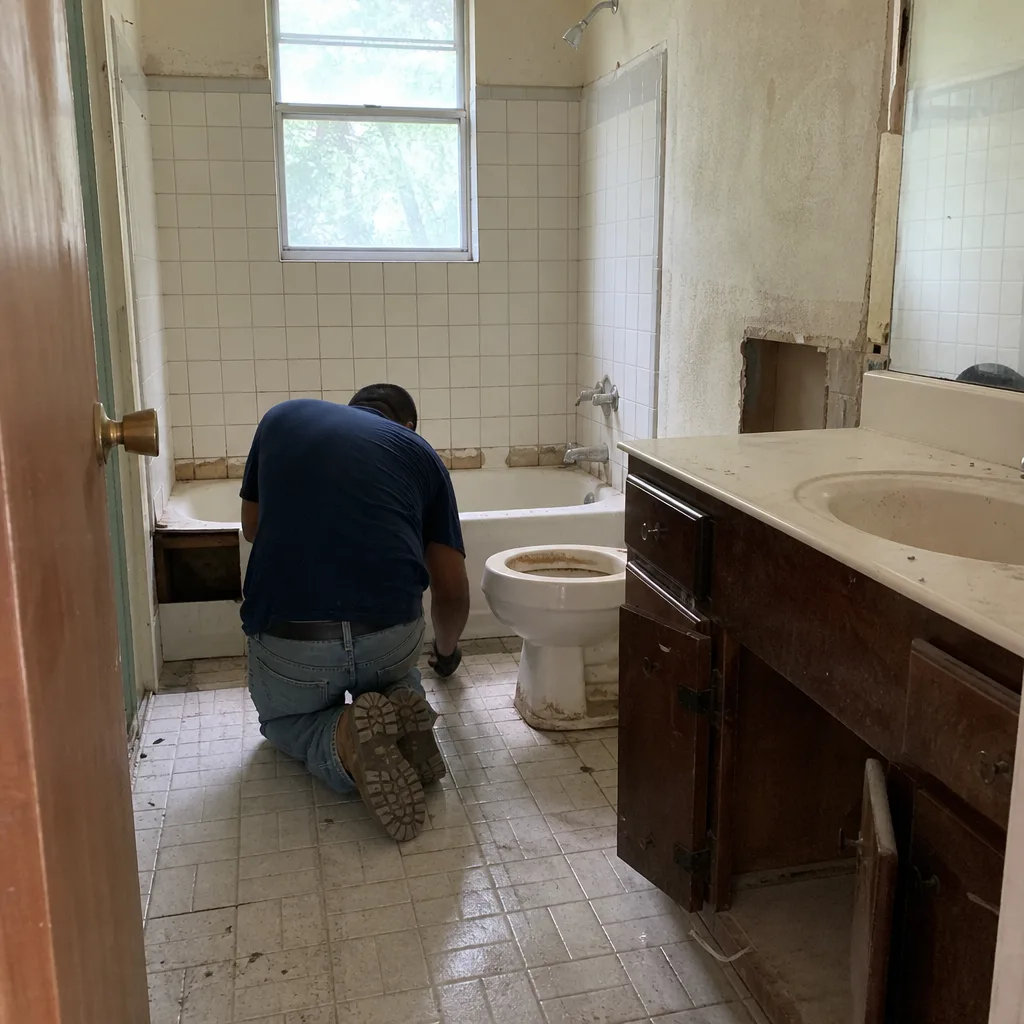 Before
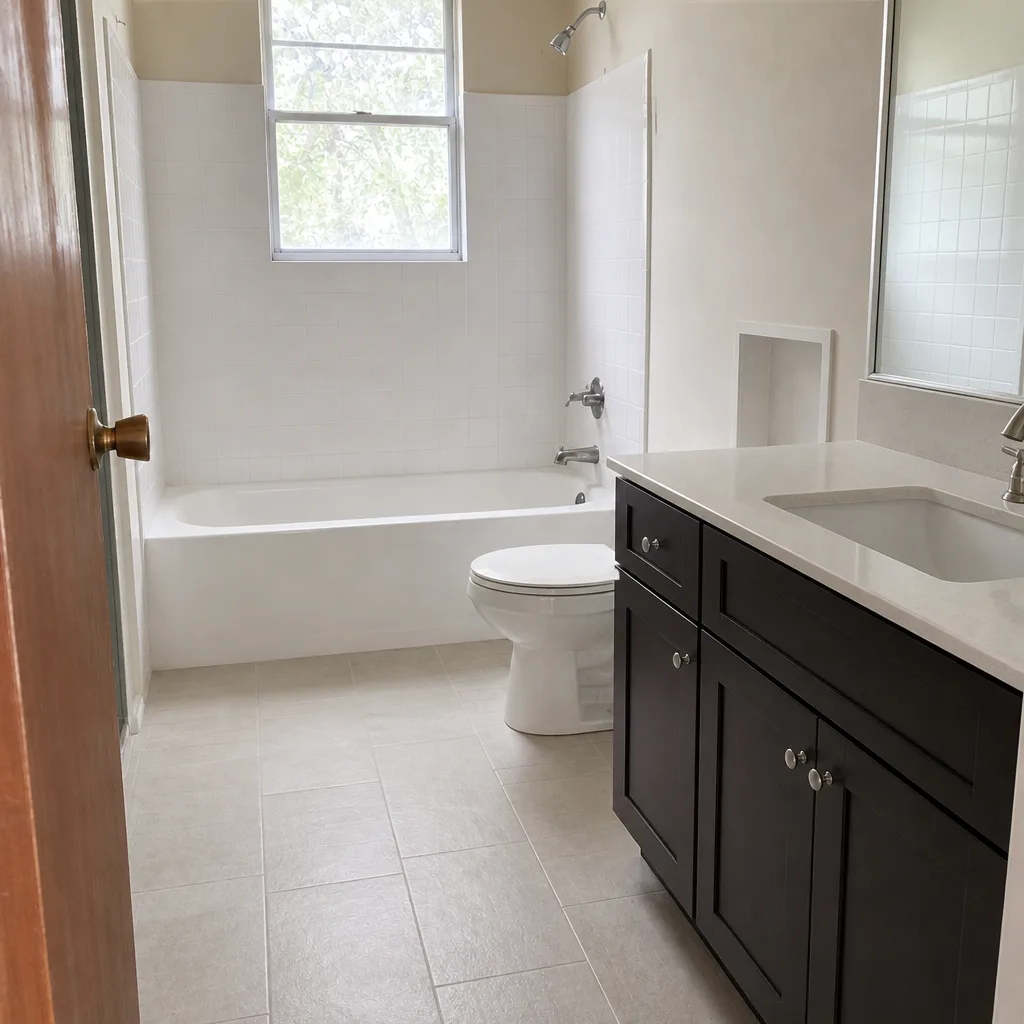 After
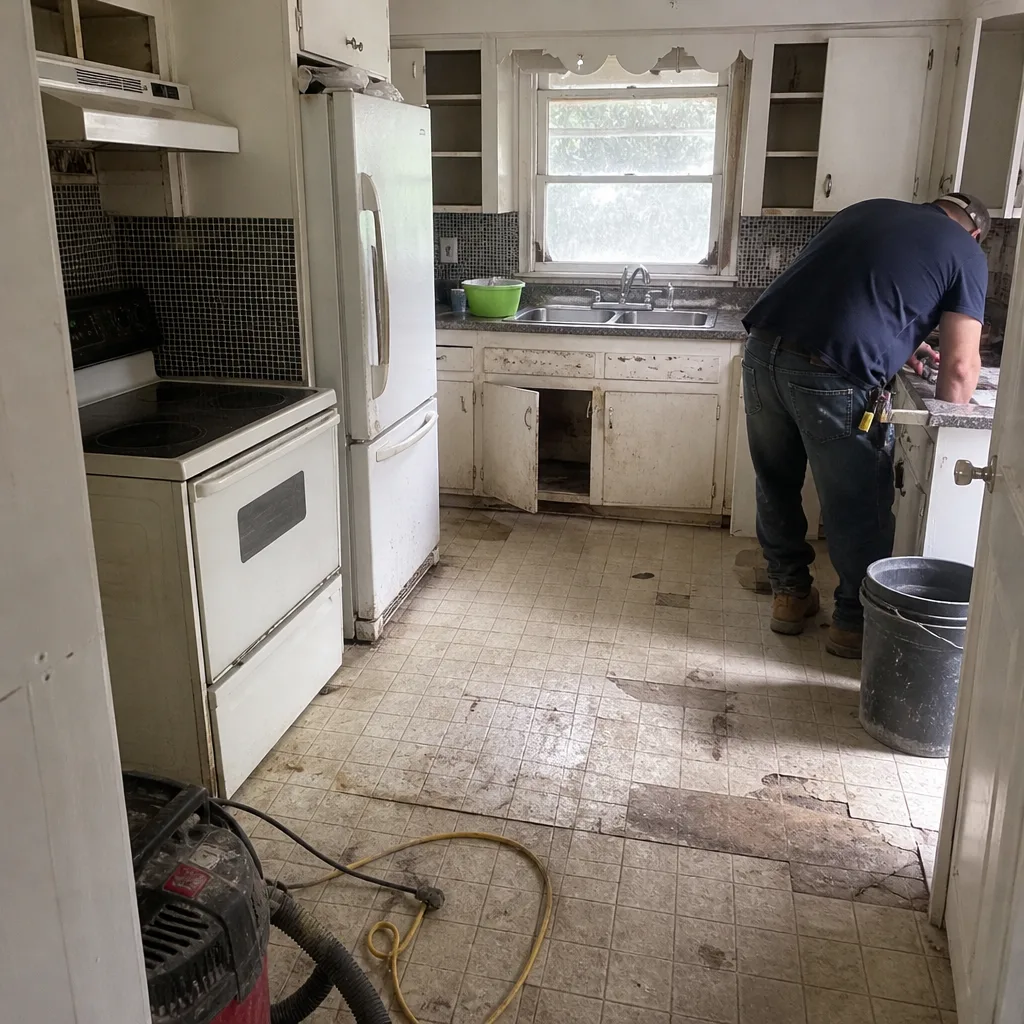 Before
 After
 Before
 After