Last updated November 18, 2026
Free written scope consultation - allowances, timeline, and change-order rules on paper before a single trade is scheduled
How Long Does Driveway & Pavers Take? Timelines and What to Expect
A 500 sq ft paver driveway takes 2 to 3 days of physical installation. The project from signed contract to a surface you can park on runs 3 to 6 weeks in Arlington once permits, material lead times and weather holds are counted honestly. That gap between the installation days and the real calendar is where most homeowner timelines fall apart, because the estimate said “two days” and nobody mentioned the permit desk or the 72-hour rain hold after the polymeric sand goes down. This guide breaks the timeline into phases, names the numbers, and shows you where a schedule gets buried in fine print.
Quick Answer
Driveway paver installation in Arlington takes 2 to 4 days of on-site labor for a typical residential driveway, but the full project runs 3 to 6 weeks including permit processing (5 to 10 business days), material ordering, excavation and base compaction, and mandatory cure time for the polymeric sand. Weather holds for rain and temperature add days you cannot compress, which is why any bid promising “one week start to finish” for a full driveway replacement is cutting something you will eventually pay for.
Styles & brands we work with
- Kitchen remodeling
- Bathroom remodeling
- Home additions & ADU
- Roofing
- Windows & doors
- Driveway & pavers
- Fence
Table of Contents
- The Phase-by-Phase Timeline, Start to Driveable
- Permits in Arlington: What 5 to 10 Business Days Really Means
- Material Ordering and Why Brand Lead Times Matter
- Excavation and Base Work: The Phase That Sets the Clock
- North Texas Weather: Temperature Minimums and Rain Holds
- Substantial Completion vs. Full Closeout
- Red Flags in Contractor Timelines
- How We Structure a Schedule in Writing
The Phase-by-Phase Timeline, Start to Driveable
Here is the honest breakdown of a 500 to 700 sq ft paver driveway in Arlington, from the day you sign to the day you park. Most estimates show you row four and skip everything else.
- Contract and written scope (1 to 3 days). You should receive a flat written price, a written scope and a written warranty before any work starts. If a contractor wants a deposit before putting a number on paper, that tells you how the rest of the project will go.
- Permit application (5 to 10 business days). The City of Arlington reviews driveway work that touches right-of-way, changes a curb cut, or alters drainage. Plan for the outside edge of that window.
- Material ordering (3 to 14 days depending on brand). Standard Belgard and Techo-Bloc profiles come out of regional distribution quickly. A specific color, finish or large-format slab can push the order out further.
- Excavation and base (1 to 2 days). Removing the old surface, digging to depth, and building a compacted crushed-stone base in lifts. This is the phase that determines whether the driveway holds for 20 years.
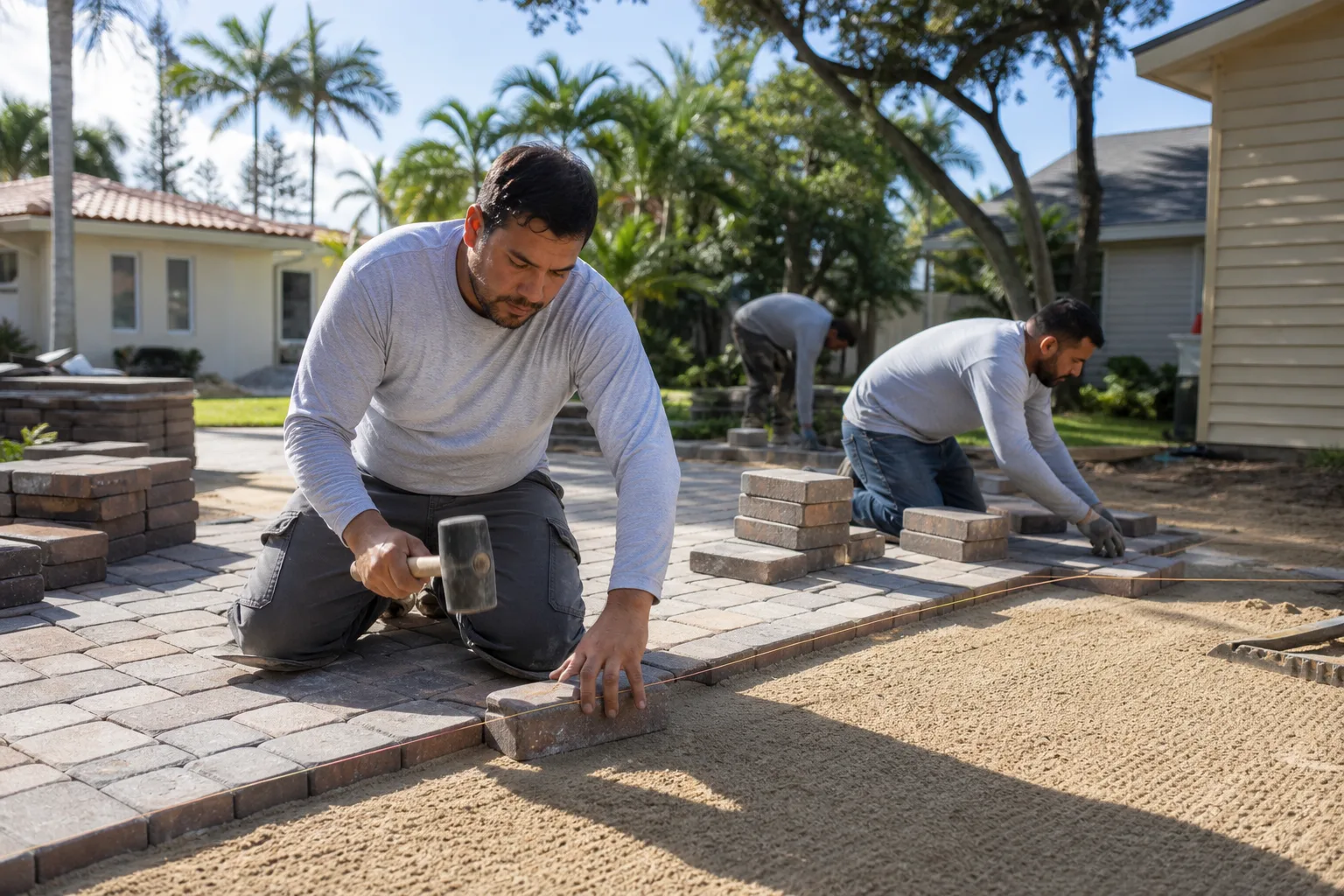
- Bedding and paver installation (2 to 3 days). Setting sand, laying the field, cutting edges, and installing restraints.
- Polymeric sand and cure (2 to 3 days, plus a rain hold). The sand is swept into the joints, activated with water, and needs 48 to 72 hours without rain before traffic. This is not optional and it is not fast-forwardable.
- Closeout (2 to 5 days after the surface is usable). Final inspection, punch list, and documentation handoff. More on this below.
Add it up honestly and you land between 3 and 6 weeks. A simple replacement with no right-of-way work and a stocked profile at the low end. A custom finish with a drainage change at the high end. For the scope and surface options we handle, see Driveway & Pavers in Arlington.
Permits in Arlington: What 5 to 10 Business Days Really Means
Permits are the first place a timeline quietly stretches. In Arlington, driveway work that alters a curb cut, changes how stormwater leaves the property, or touches the public right-of-way typically requires a permit through the city’s development services process. Review runs 5 to 10 business days when the submittal is clean. It runs longer when it is not.
What “clean” means in practice:
- A site plan that shows the existing and proposed grade, not just the new paver layout
- A drainage plan that accounts for how water moves off the driveway and where it goes
- Clear notation of any curb, apron or sidewalk work that touches the right-of-way
- Contractor registration and insurance on file with the city
We submit the packet and then wait on the city like everyone else. What we control is submitting a complete packet the first time, because a correction letter restarts the clock. This is one reason we quote a range instead of a single date, and why we put the permit milestone in the written schedule so you can see it. If you are also planning fence work along the property line, those permits run on a separate track; Fence Installation in Arlington covers that process.
One local note: older neighborhoods where driveways were widened informally decades ago sometimes surface a grade or setback issue at review. Better to find that out at the permit desk than mid-excavation.
Material Ordering and Why Brand Lead Times Matter
The paver you pick has a lead time, and it is not the same across brands. This is the second phase most bids bury.
We source from a deep bench of vetted manufacturers, including Belgard and Techo-Bloc, alongside other established brands, and the reason that depth matters on a schedule is simple: if one profile is back-ordered, an honest written quote can offer a comparable spec without restarting the project. A contractor locked into a single product line has to wait.
Typical lead times for a residential driveway order:
- Standard stocked profiles: 3 to 7 days from regional distribution
- Special-order color or finish: 7 to 14 days, sometimes longer for large-format or tumbled finishes
- Custom or premium lines: 2 to 4 weeks, and worth confirming in writing before you commit
We confirm availability before the written price goes out, not after the deposit clears. That way the number you agree to is the number tied to a material that actually exists in a warehouse you can point to. If you are weighing a paver driveway against concrete, the timeline comparison matters too: concrete cures in 5 to 7 days before traffic, paver work is usable once the sand cures but costs more up front.
Excavation and Base Work: The Phase That Sets the Clock
Excavation and base work is one to two days on a typical Arlington driveway, and it is the phase where a rushed schedule does the most damage. Skip a compacted lift or lay pavers on an under-built base and the surface will settle, heave or shift within a couple of seasons. That failure shows up as a repair, not a warranty conversation if the base was cut.
The base phase, done properly:
- Remove the existing surface and haul it off
- Excavate to depth: typically 6 to 8 inches for a residential driveway carrying vehicles, adjusted for soil
- Lay crushed stone base in lifts of 2 to 3 inches, compacting each lift before the next
- Check grade and slope toward drainage
- Set edge restraints; these hold the field in place and are the difference between a driveway and a loose pile
North Texas soil matters here. Arlington sits on expansive clay soils that swell when wet and shrink when dry, which is why base depth and compaction cannot be trimmed to save a day. That single day is the cheapest insurance in the whole project. This is the same doctrine we apply across every trade, from the substrate under a roof to the framing in an addition, and it is why our projects have historically finished within a few percent of the agreed price: the scope does not shrink after the number is signed. For a look at the wider range of work, see the Rowan Construction Group Arlington home.
North Texas Weather: Temperature Minimums and Rain Holds
Weather is the phase that no contractor controls, and every honest timeline accounts for it. In Arlington, two weather factors drive paver scheduling: temperature for polymeric sand activation and rain in the 48 to 72 hours after installation.
Temperature minimums. Polymeric sand needs consistent temperatures to activate and cure properly, and installation during a North Texas cold snap can push the cure window out or fail the joint entirely. We schedule around the forecast and do not install polymeric sand when temperatures are forecast to drop below the manufacturer’s threshold.
Rain holds. Once the sand is swept and watered in, the joints need 48 to 72 hours without rain to cure. A storm inside that window means re-sweeping and re-applying. That is real time added to the project, not a quick fix. No contractor can compress a cure.
Summer heat. Arlington summers push crews to early-morning starts and midday slowdowns for both safety and material performance, and afternoon thunderstorms in spring and early summer are the single most common cause of a one-to-three-day hold. In our experience, a spring paver driveway in North Arlington built on a lot with poor drainage often runs a week longer than the same driveway in October, because the drainage rework gets discovered at excavation. Build weather float into the schedule and you will not be disappointed.
Substantial Completion vs. Full Closeout
“Substantial completion” means the driveway is usable and the major work is done. It is not the same as the project being closed out, and the difference is typically 2 to 5 days of tasks that happen after you can park on the surface.
What closeout includes:
- Final inspection. If the work required a permit, the city inspects. Timing depends on the inspector’s schedule, and that is outside anyone’s control.
- Punch list. Joint sand topped off, edges cleaned, sweep of the site, any cut pavers touched up.
- Documentation handoff. Our crews document every visit with photos, included as standard. You get a record of the base, the sand, the restraints, and what was found and done.
- Written warranty. The paperwork that backs the surface and the workmanship.
We tell clients to expect closeout a few days after substantial completion. The driveway is ready; the file is catching up. If you are planning an addition or ADU alongside driveway work, sequencing matters because the foundation stages bring heavy trucks that could damage a fresh surface; Home Additions & ADU in Arlington covers how we stage those projects.
Red Flags in Contractor Timelines
Most timeline problems are forecastable from the bid itself. Here is what to watch:
- “One week start to finish” for a full driveway replacement. That schedule skips or compresses the permit, the base lifts, or the cure. Something gives, and usually it is the base.
- No written permit milestone. If the bid has no line for permits, the contractor is either not pulling them or planning to discover the requirement later, on your clock.
- A price with no written scope. A number without a defined scope is a number that will change. Under Clause 1 of our Haven Standard, the price and the scope are written before anyone picks up a tool.
- No mention of polymeric sand or cure time. A timeline that ends on install day is a timeline that ignores the 48 to 72-hour rain hold.
- “Call for a quote.” A written price before work starts is a founding discipline, not a favor. A contractor who will not put a number on paper will not put a schedule there either.
- Vague weather language. “Weather permitting” with no float in the schedule means every rain day becomes your problem.
If a bid cannot answer the permit question and the cure question, it cannot be trusted with the base question. Bring us a competitor’s written estimate and we will review it line by line at no charge. That free second opinion is a standing offer.
How We Structure a Schedule in Writing
Our answer to the timeline problem is to put the schedule in writing alongside the price, and to treat both as contract documents.
- Written schedule with named milestones. Permit submitted, material confirmed, excavation, install, sand and cure, closeout. Each milestone has a target and a stated dependency.
- Hold points. Before the base is covered, before the sand goes down, at substantial completion. You see the condition of the base in photos before it disappears, because every visit includes a documented photo record as a standard deliverable.
- A schedule change order triggers a written change order. If a permit correction letter, a material back-order or a weather hold shifts the calendar, you get a written change order before anything moves. No change proceeds until it is signed.
- One number, held. The 365-Day Done Right Promise backs the work: if it is not done right, we make it right. The written price holds because the scope holds, and that discipline is why 4,000-plus projects have finished within a few percent of the agreed cost.
We also name brands and specs rather than categories. A Paul’s note: we source from over fifty vetted brands across our trades, and where an ADU or prefab structure is part of a larger site plan, we coordinate with makers like Boxabl and Mighty Buildings where their products fit the site. Background-checked, uniformed technicians, a live person answering calls 24/7, and the license number on every quote. That is what a schedule built on documentation looks like.
Common Mistakes to Avoid
- Booking install day as the project date. A homeowner who plans a party for install day plus one has not accounted for the polymeric sand cure. Give it the 72-hour window and a weather buffer.
- Assuming the permit runs on the contractor’s clock. It runs on the city’s. In Arlington, plan 5 to 10 business days and do not count on it being faster because a contractor says so.
- Choosing a custom color late. Pick the finish before the schedule is set. A late switch on a special-order profile can add two weeks.
- Not asking what happens on a rain day. Ask how the schedule absorbs a hold. The answer tells you whether there is float in it.
- Getting work done in the wrong season. A paver driveway installed into a North Texas cold snap risks a failed sand cure. If your window is late fall, ask about the temperature plan.
- Treating “substantial completion” as the finish line. Inspection, punch list and documentation still come after the surface is usable. Build a few days in for closeout.
- Accepting a timeline with no scope. A schedule without a written scope is a number that will change. The two belong on the same page.
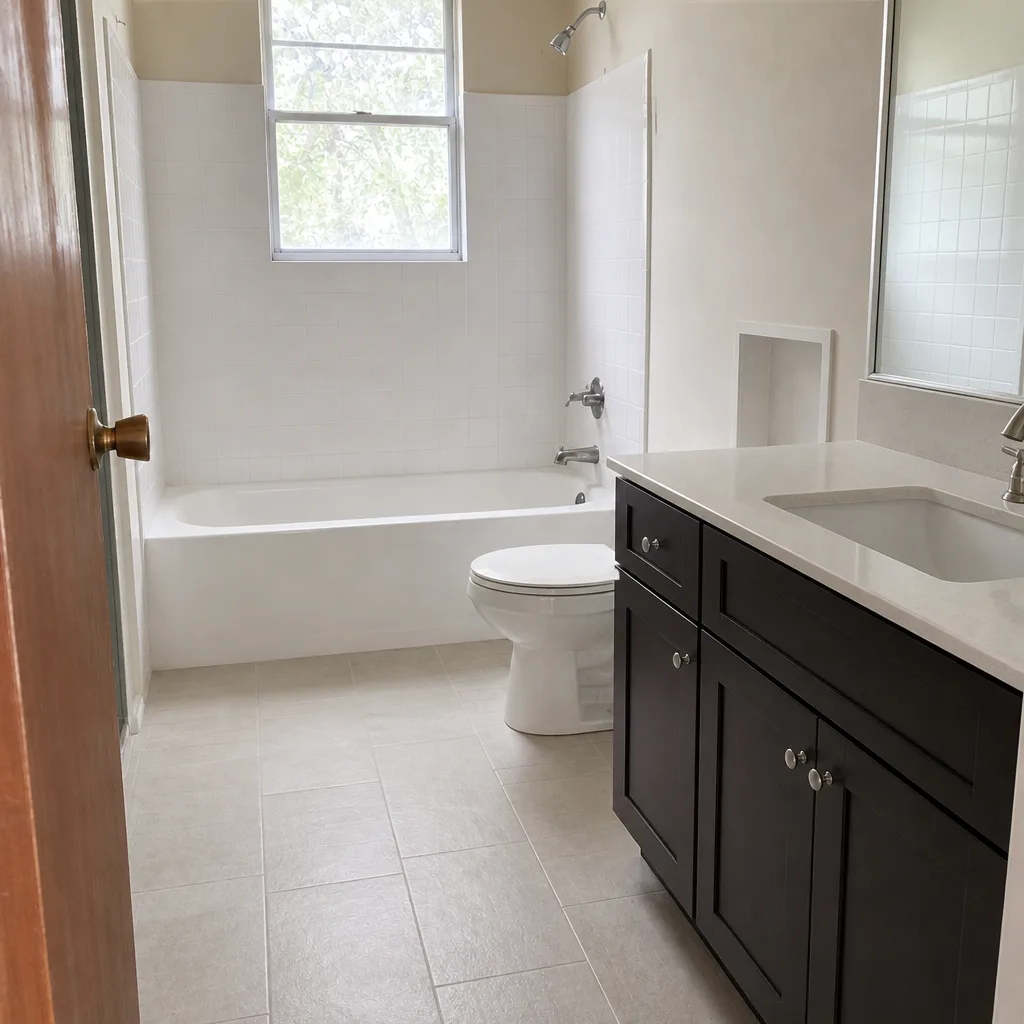
See the difference
 Before
 After
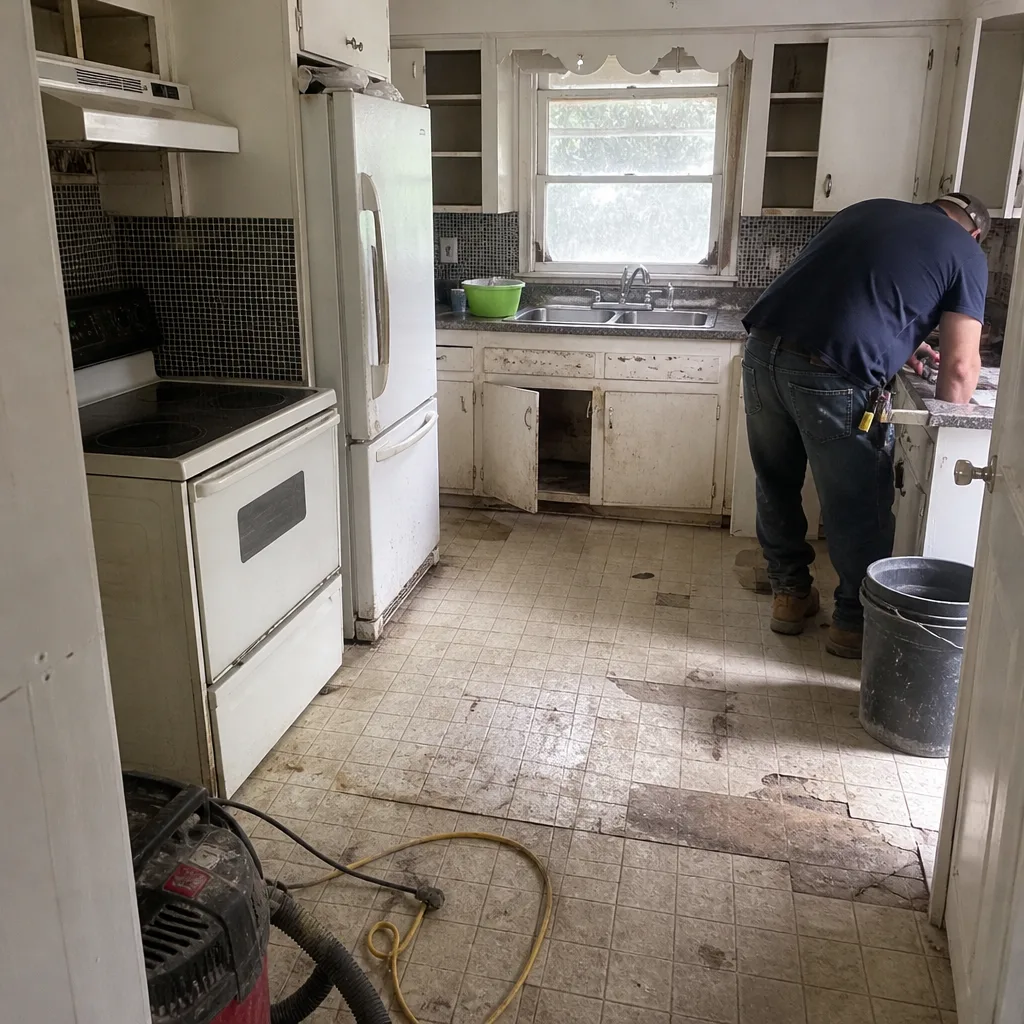 Before
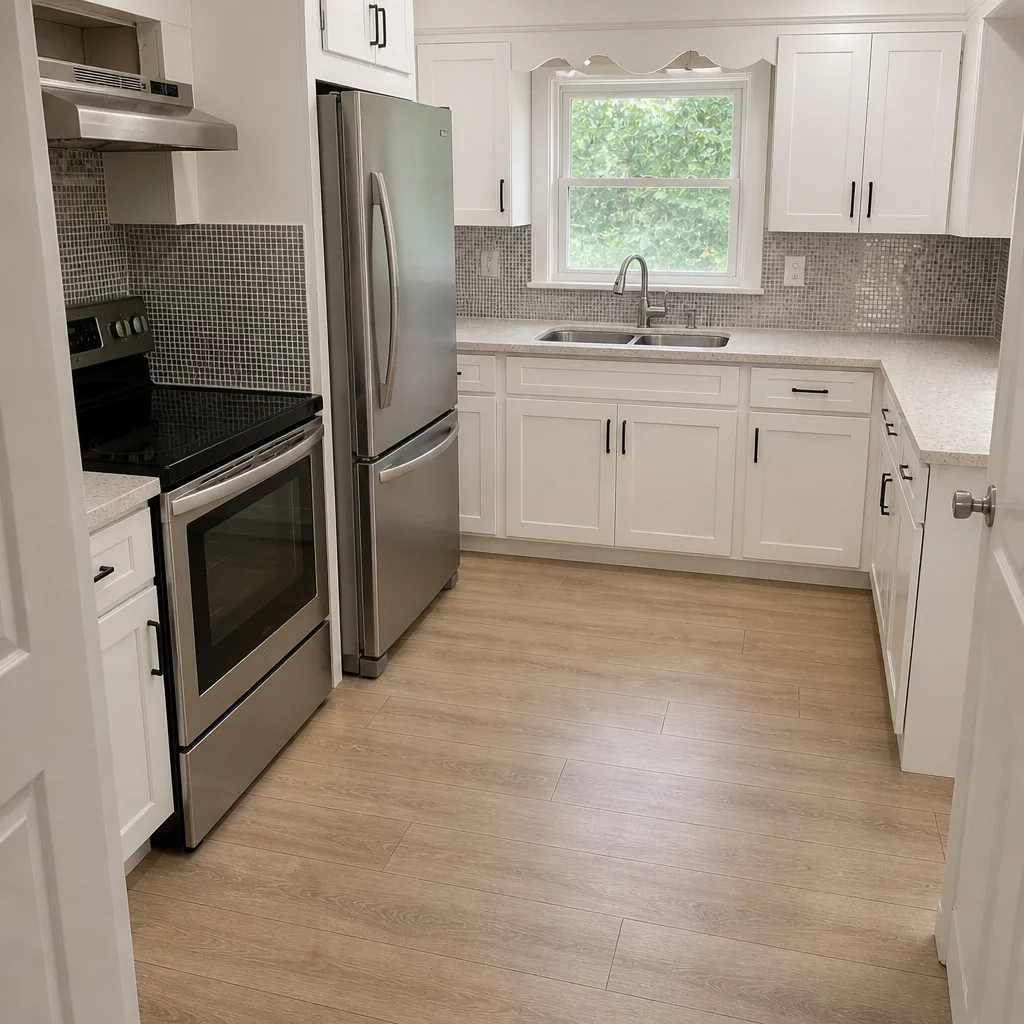 After
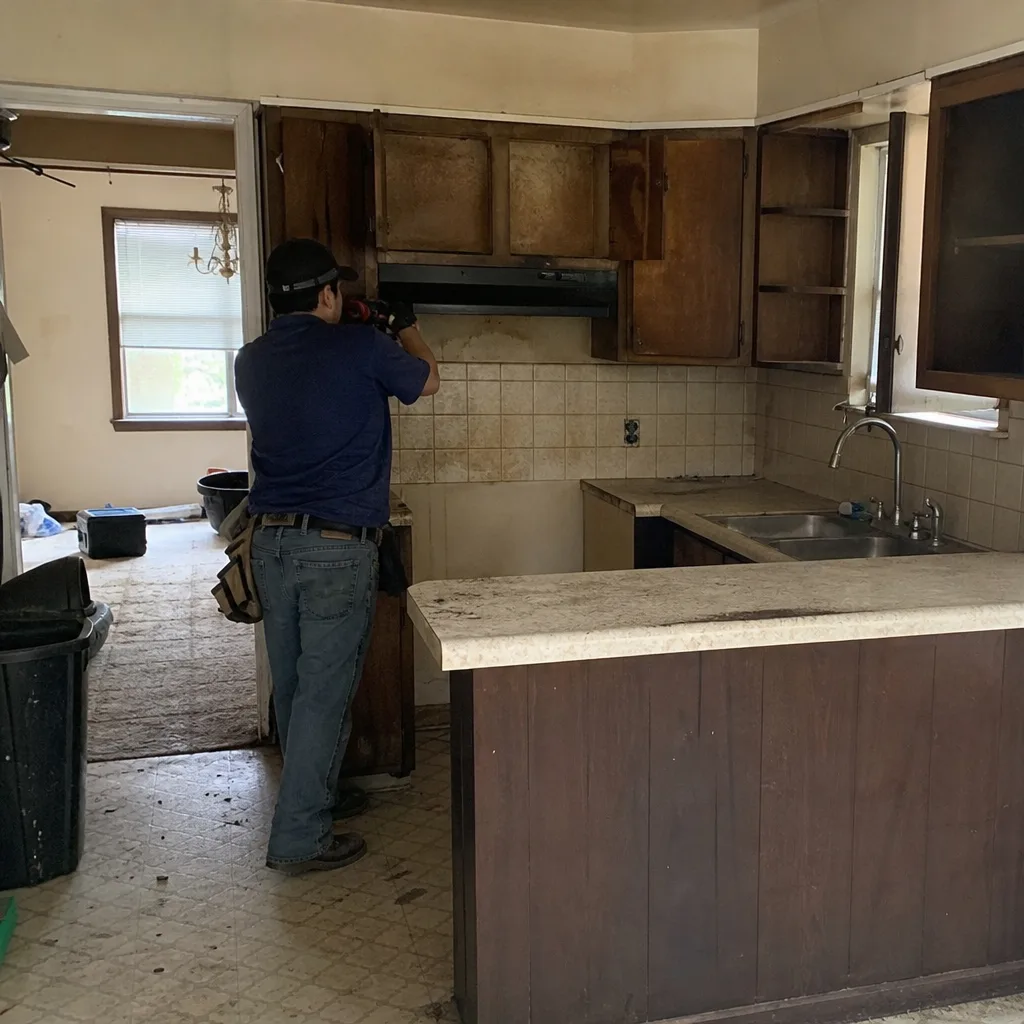 Before
 After
When to Call a Professional
Call a professional when the driveway requires excavation, a base rebuild, curb or drainage changes, or anything touching the public right-of-way. Those are permit and engineering questions, not weekend projects. Call when your existing driveway is heaving or settling, which on Arlington’s clay soils usually means the base, not the surface. Call before you commit to a finish or a date, so the schedule can be built around real lead times. And call if you have a written estimate from another contractor and want a line-by-line read of the timeline and the number before you sign. Rowan Construction Group Arlington offers free estimates in Arlington and a free second opinion on any written estimate. Call (844) 761-7521.
Frequently Asked Questions
A typical paver driveway in Arlington takes 2 to 4 days of on-site installation, but the full project from signed contract to driveable surface runs 3 to 6 weeks once permit review, material lead time and the 48 to 72-hour sand cure are counted. Call (844) 761-7521 for a written schedule tied to your specific site.
If the work touches the right-of-way, changes a curb cut, or alters drainage, Arlington typically requires a permit, and review runs 5 to 10 business days. Simple replacements that touch none of those sometimes do not. We confirm the requirement before the written price goes out, not after. Call (844) 761-7521 to talk through your scope.
Installation can proceed in light conditions, but polymeric sand installation and curing needs 48 to 72 hours without rain after activation. Rain inside that window means re-sweeping and re-applying, which adds days. We check the forecast before the sand phase and schedule around it. Call (844) 761-7521 for exact timing on your project.
Polymeric sand needs temperatures consistent with the manufacturer’s threshold to activate and cure, and a North Texas cold snap can push the cure out or fail the joint. We schedule around the forecast and will not install sand when temperatures are forecast to drop below that threshold. Call (844) 761-7521 to plan around your season.
A one-week bid for a full driveway replacement typically skips or compresses the permit, the base lifts, or the sand cure. Those are the three phases that protect the surface, and cutting any of them shifts the problem to your driveway two seasons later. Call (844) 761-7521 for a schedule that accounts for all three.
Substantial completion means the driveway is usable and major work is done; closeout is 2 to 5 days of inspection, punch list and documentation handoff after that. We include a photo record of every visit, so the closeout file shows what was found and what was done. Call (844) 761-7521 to see how we document a project.
The Bottom Line
The installation days are the short part. The real timeline for a driveway paver project in Arlington is 3 to 6 weeks, and the phases that stretch it are permit review, material lead time, base work done properly, and the polymeric sand cure. Weather adds days no honest contractor can compress, and a bid promising one week is a bid that cuts the base, the permit or the cure. Ask for the schedule in writing next to the price, with milestones and hold points, and treat any schedule change as a written change order. Call (844) 761-7521 for a free estimate from Rowan Construction Group Arlington, where the written price and the written schedule go on paper before anyone starts.
Written by the team at Rowan Construction Group Arlington.