
Last updated November 18, 2026





Free written scope consultation - allowances, timeline, and change-order rules on paper before a single trade is scheduled
Construction Emergency Preparedness Guide for Arlington Homes
After Winter Storm Uri in February 2021, Arlington homeowners who had a copy of their plumbing as-built drawings located and shut off their main line in under four minutes. Homeowners without them averaged 23 minutes of active pipe flow into their walls while searching. That gap between four minutes and 23 minutes is the difference between a wet towel and a gutted ceiling. Construction emergencies in Arlington follow predictable patterns – freeze events, hail, high winds, foundation movement tied to our expanding clay soils – and the homeowners who recover fastest prepared a document file and a contractor list before the emergency, not during it. This guide shows you exactly what goes in that file, how to document damage so your adjuster can use it, and where the Tarrant County resources are.
Quick Answer
Every Arlington homeowner should keep a five-document emergency file on hand: utility shutoff locations with photos, as-built drawings or permit records, a current insurance policy with the claims phone number, contractor warranty documents, and a list of licensed emergency trade contractors with 24-hour numbers. Combined with a pre-cleanup photo record of any storm damage and knowledge of your home’s foundation indicators, this file is what lets you move from “something broke” to “a documented claim” in minutes instead of hours.
Styles & brands we work with
- Kitchen remodeling
- Bathroom remodeling
- Home additions & ADU
- Roofing
- Windows & doors
- Driveway & pavers
- Fence
Table of Contents
- The Five-Document File Every Arlington Homeowner Should Have
- Storm Damage: What to Document Before You Clean Up
- Foundation Emergencies: When to Call Now vs. Monitor
- Tarrant County Emergency Resources You Should Bookmark
- Vetting Emergency Contractors After a Major Arlington Event
- The 72-Hour Post-Emergency Recovery Sequence
- Common Mistakes to Avoid
- When to Call a Professional
The Five-Document File Every Arlington Homeowner Should Have
The file is the whole game. When something breaks at 2 a.m., you don’t want to be searching for a phone number or guessing where your main water valve lives. Build this file once, keep a paper copy in a fireproof spot and a digital copy in cloud storage, and refresh it whenever you renovate or refinance. Here’s what belongs in it:
- Utility shutoff locations with photos. Photograph your main water valve, gas meter shutoff, and electrical panel main breaker, and label each photo with its room and what it controls. The photo record means anyone in the house can shut off the right valve under pressure, not just the person who installed it.
- As-built drawings or permit records. Your plumbing as-built shows where the supply and drain lines actually run inside the walls – which matters enormously when a freeze event hits and you need to shut off before the water reaches the ceiling. If you don’t have them, Tarrant County permit records or the original builder can often supply a copy.
- Current homeowner insurance policy with the claims phone number on the front page. Not the phone number for the local agent – the 24-hour claims line. Write it on the folder itself, because searching an email inbox during a roof leak wastes time you don’t have.
- Contractor warranty documents. Roof, windows, fence, pavers – if a contractor did the work, the written warranty and the photo record they left behind should live in this file. Those documents are what you use when a warranty item fails and you need to prove condition at installation.
- A list of licensed emergency trade contractors with 24-hour numbers. One plumber, one roofer, one electrician, one general contractor. Names, license numbers, and the number a live person actually answers. Build this list on a calm Tuesday, not during the storm.
Renovations are the natural moment to update the file. If you’re planning an addition or garage conversion through Home Additions & ADU in Arlington, ask the contractor for the as-built documentation and permit closeout records at project handoff – the documents that protect you today are the ones most homeowners never think to request.
Storm Damage: What to Document Before You Clean Up
Insurance adjusters establish cause of loss from pre-cleanup evidence. Move the fallen limb off the roof before you photograph it and you’ve handed the adjuster an argument about whether the damage is even covered. The order of operations matters more than the cleanup speed.
Here’s the documentation sequence we’ve seen hold up across thousands of projects: photograph wide shots first to establish context (the whole roof, the full yard, the entire ceiling), then close shots of the specific damage, then a scale reference – a tape measure or a coin next to a hail dent or crack tells the adjuster how big the impact was. Photograph the date and time, either through metadata or a handwritten card in the frame. Do this before you tarp, board, or call anyone else.
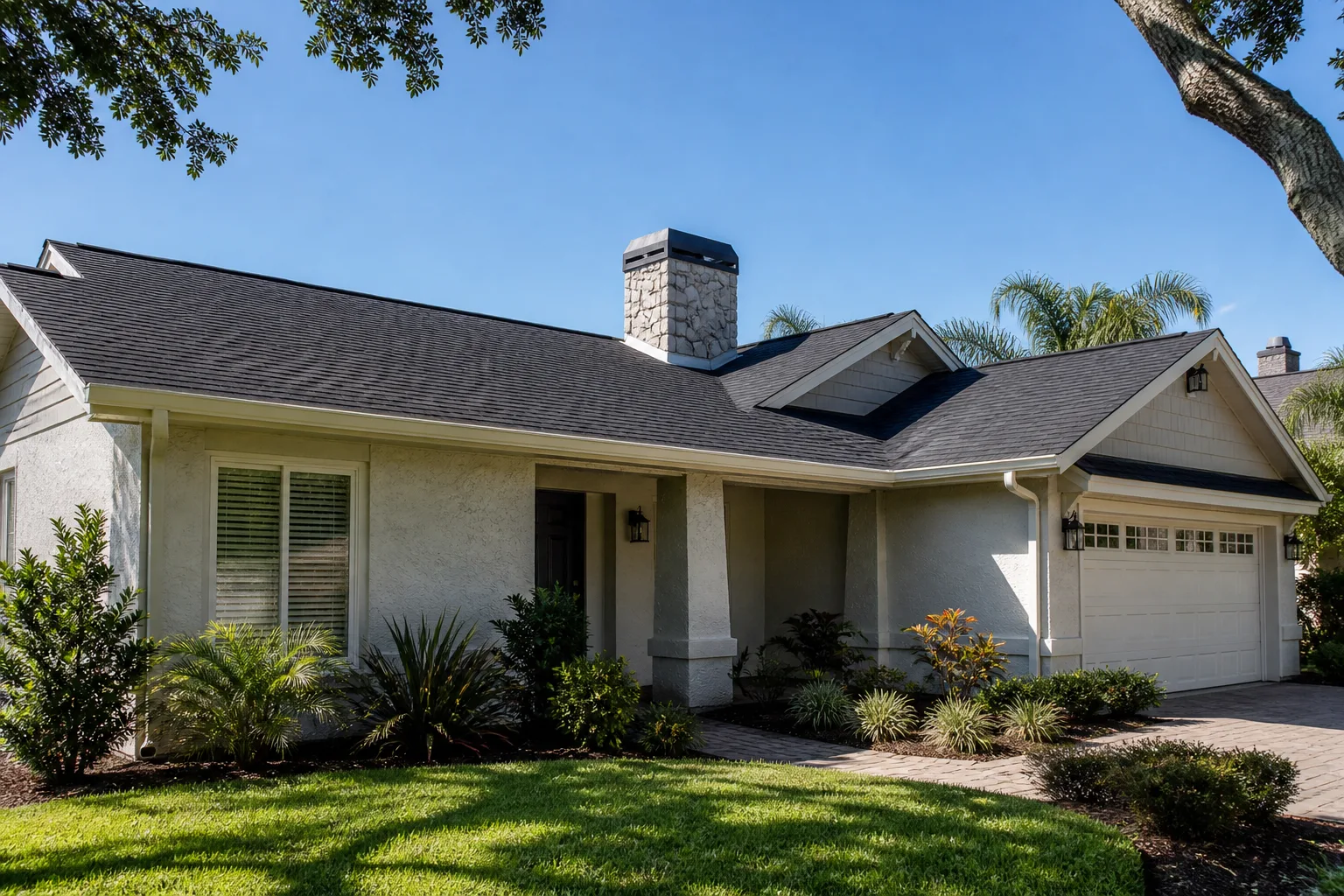
Arlington’s hail season runs through spring, and the storms that produce the most insurance claims tend to drop hail in a narrow band. Hail dents in roofing shingles are easy to miss from the ground – a trained eye on the roof reads them as soft spots in the mat rather than visible craters. If you’re not sure whether your roof took the hit, that’s a professional inspection, not a homeowner judgment. Our roofing service in Arlington documents storm findings with the same photo record we leave on every visit.
- Before any cleanup: wide context shots, close damage shots, scale reference, date/time.
- Before any temporary repair: photograph the damaged area as found, then photograph the temporary fix in place.
- Keep every receipt: tarps, emergency board-up, water extraction, and any rented equipment all belong in the claim file.
Foundation Emergencies: When to Call Now vs. Monitor
Arlington’s clay soils expand when wet and shrink when dry, and that movement drives most of the foundation calls in the metro. Not every crack is an emergency. Some are cosmetic. The distinction comes down to movement rate and water behavior.
Call for a same-week professional evaluation when a crack has widened by more than 1/8 inch over 30 days, when water pools against the foundation after rain (this points to a grading or drainage issue that will keep working on the slab), or when you can see light through a crack in a foundation wall. Also call if doors and windows that used to work suddenly stick across a single season – that pattern often tracks a shift in the slab rather than a settling frame.
Monitor (photograph monthly with a scale reference) when the crack is hairline, has been stable for years, and shows no water intrusion. A hairline crack in a poured foundation slab is common in Arlington homes and usually not a structural signal on its own. Photograph it against a scale each month so you can tell whether it’s actually moving or whether you’re just noticing it more.
One caution on DIY: foundation evaluation involves load paths and soil behavior that a homeowner can’t read from the surface. Do not dig around a foundation footing, jack up a slab, or try to close a crack without a structural evaluation – the wrong repair can concentrate stress and worsen the problem.
Tarrant County Emergency Resources You Should Bookmark
Most Arlington homeowners don’t know these exist until they need them. Save the links now.
- Arlington’s after-hours development services line. The city’s development services department handles permits and inspection questions, and the after-hours line is where you report a building emergency outside business hours. The number is on the City of Arlington development services page – save it to your phone as a contact, not a bookmark.
- FEMA flood zone lookup. The FEMA Flood Map Service Center lets you look up any property address and see the flood zone designation. Do this for your own address before the next heavy rain event: if you’re in a Special Flood Hazard Area, your standard homeowner policy does not cover flood, and the flood policy has a waiting period that starts at purchase. Look it up now.
- Texas Windstorm Insurance Association (TWIA). If your property qualifies for a TWIA policy (typically coastal counties, but some inland properties fall under specific eligibility rules), the claim process is separate from your standard homeowner policy. Know which policy handles wind and hail before a claim, because filing under the wrong one delays everything.
- City of Arlington emergency alerts. Sign up for the city’s emergency notification system so you get storm and utility alerts on your phone.
Vetting Emergency Contractors After a Major Arlington Event
Storm-chasing contractors increase in volume after every major weather event in Arlington. Some are legitimate crews from out of town doing honest work. Some aren’t. The difference usually shows up in the paperwork, and the paperwork is what you control.
Before you sign any emergency repair authorization, request three documents: a current state license number you can verify, a certificate of insurance for general liability naming you as an additional insured, and a written scope with a line-item price for the specific repair – not a range, not a “we’ll see once we get up there,” a written number. An emergency authorization is a contract, and a contract without a written price and scope is a contract where the price can change after the work starts. Our approach under The Haven Standard has always been the same: a written price before anyone picks up a tool, and no change proceeds without a signed change order.
One important Texas protection: state law gives homeowners three days to rescind a contract signed under post-disaster pressure, with certain exceptions for emergency services. Read the rescission clause in the contract before you sign, and photograph the signed contract the same day. If a contractor pressures you to skip the clause or to start work before the rescission period ends, that’s your signal to call someone else.
The 72-Hour Post-Emergency Recovery Sequence
The first three days after a construction emergency set the trajectory for the whole claim. Here’s the sequence that holds up best:
- Hour 0-2: Stop the source. Shut off water, gas, or power at the documented location. Photograph the shutoff position.
- Hour 0-4: Document damage before cleanup. Wide, close, and scale shots. Date/time stamp. Keep a written log of what you found and when.
- Hour 2-12: File the claim. Call the claims line from your file. Get a claim number and the name of the assigned adjuster in writing.
- Day 1-2: Temporary stabilization only. Tarp, board, extract water. Photograph each temporary measure and keep the receipts. Do not start permanent repairs before the adjuster inspects, unless the risk of further damage requires it – and photograph the reasoning if it does.
- Day 2-3: Get a written price from a licensed contractor. A line-item written estimate on this specific damage, with scope and warranty language. If your insurer’s estimate and the contractor’s estimate differ, request a line-by-line review before work starts.
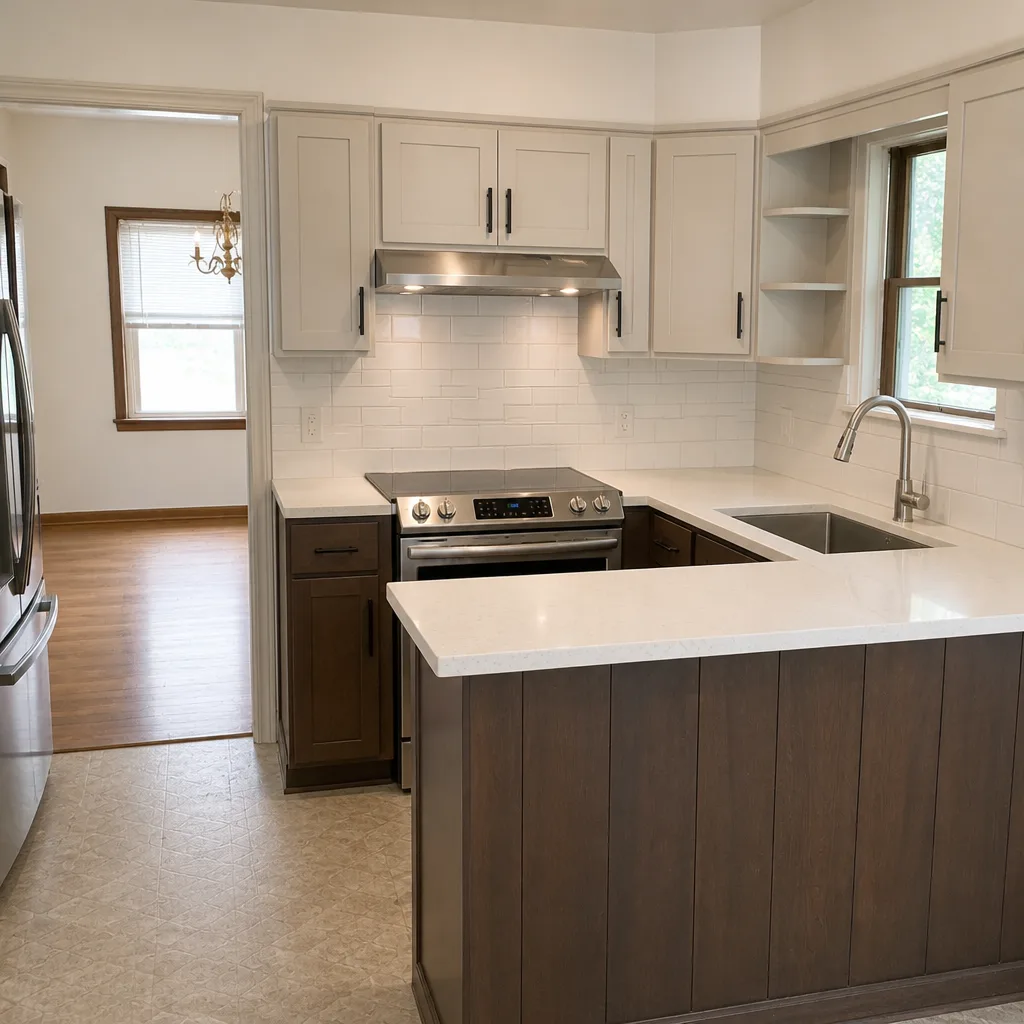
If your permanent repair turns into a larger rebuild – a storm-damaged kitchen, a foundation issue that takes a wall with it – treat it like any planned project: written price, written scope, written warranty, signed change orders. Our Rowan Construction Group Arlington home page walks through how a written project runs from first call to handoff.
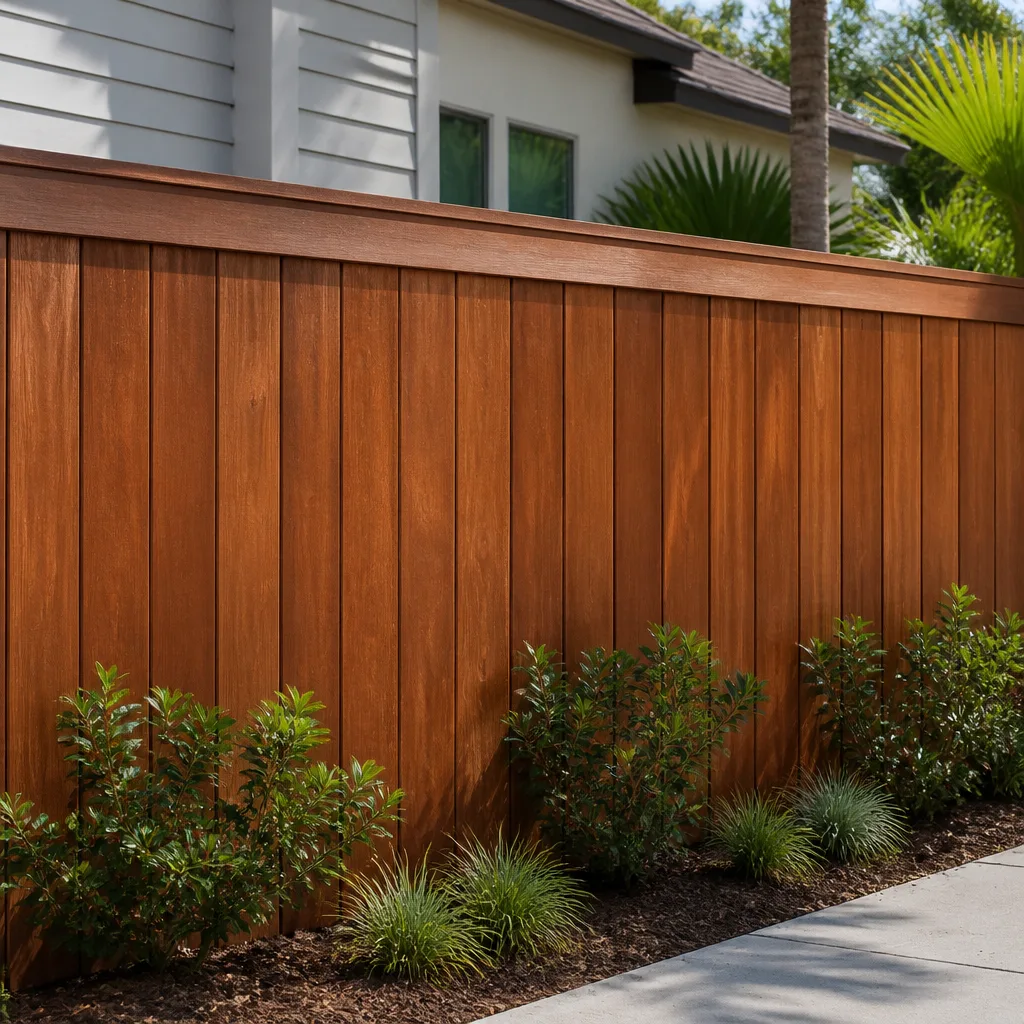
One more prep item worth the afternoon: if your property has a fence, review the fence post depth and anchoring now rather than after a wind event. In our experience on fence installation in Arlington, most post-storm fence failures trace to shallow anchoring in our specific soil, and that problem is fixable before the wind finds it.
See the difference
 Before
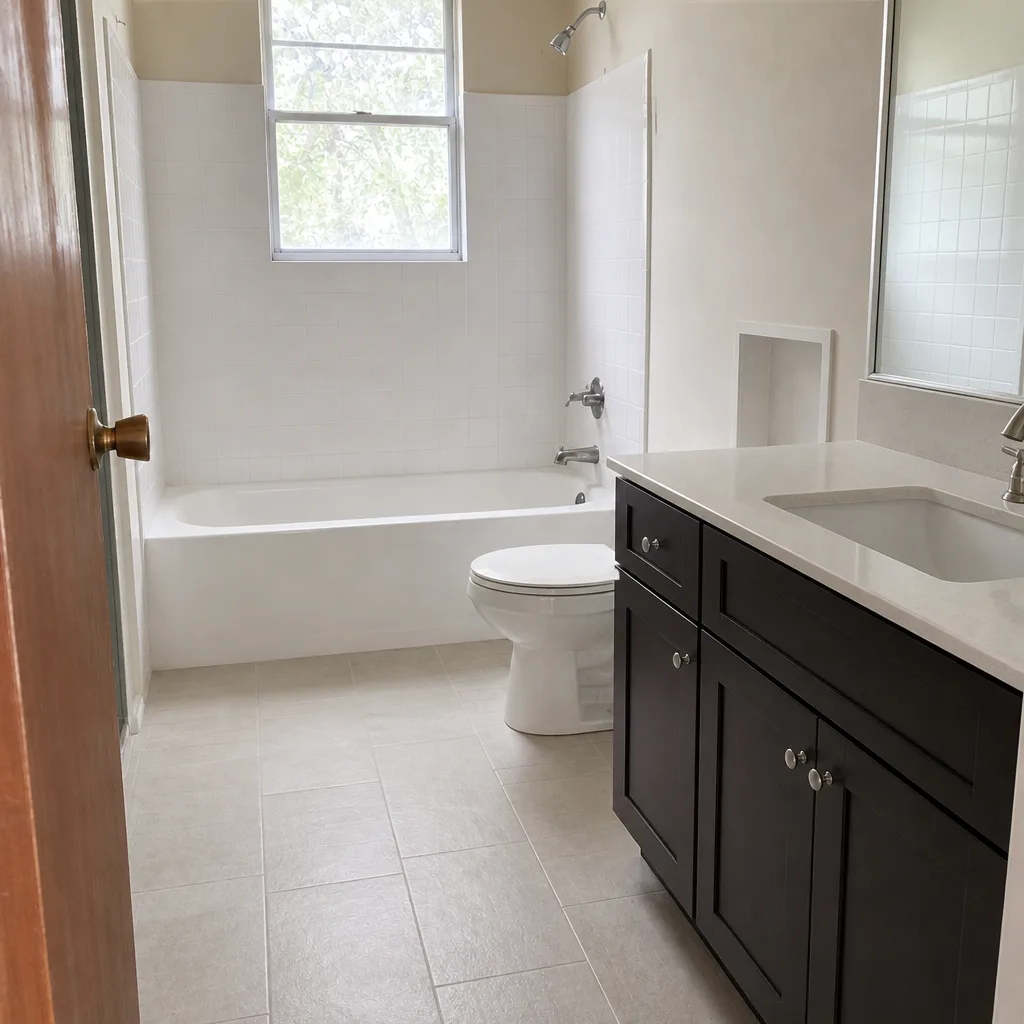 After
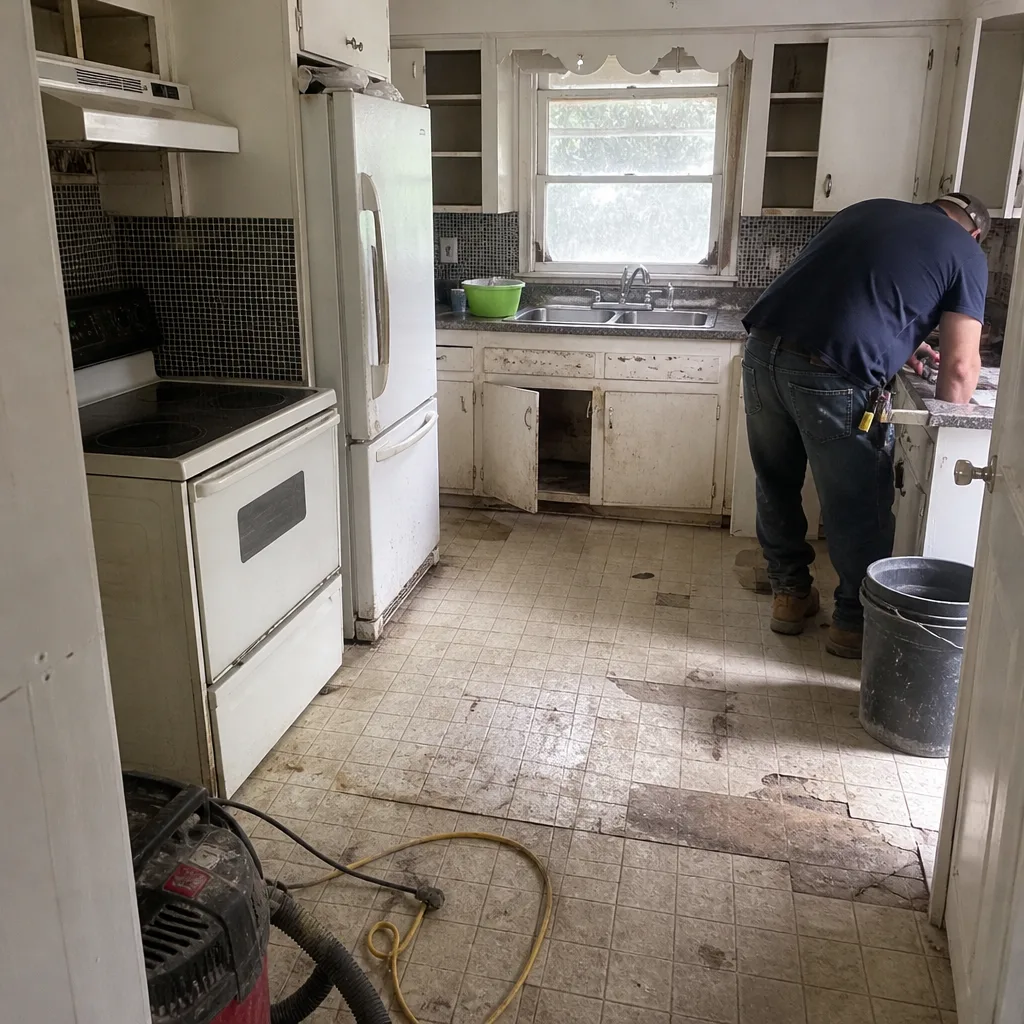 Before
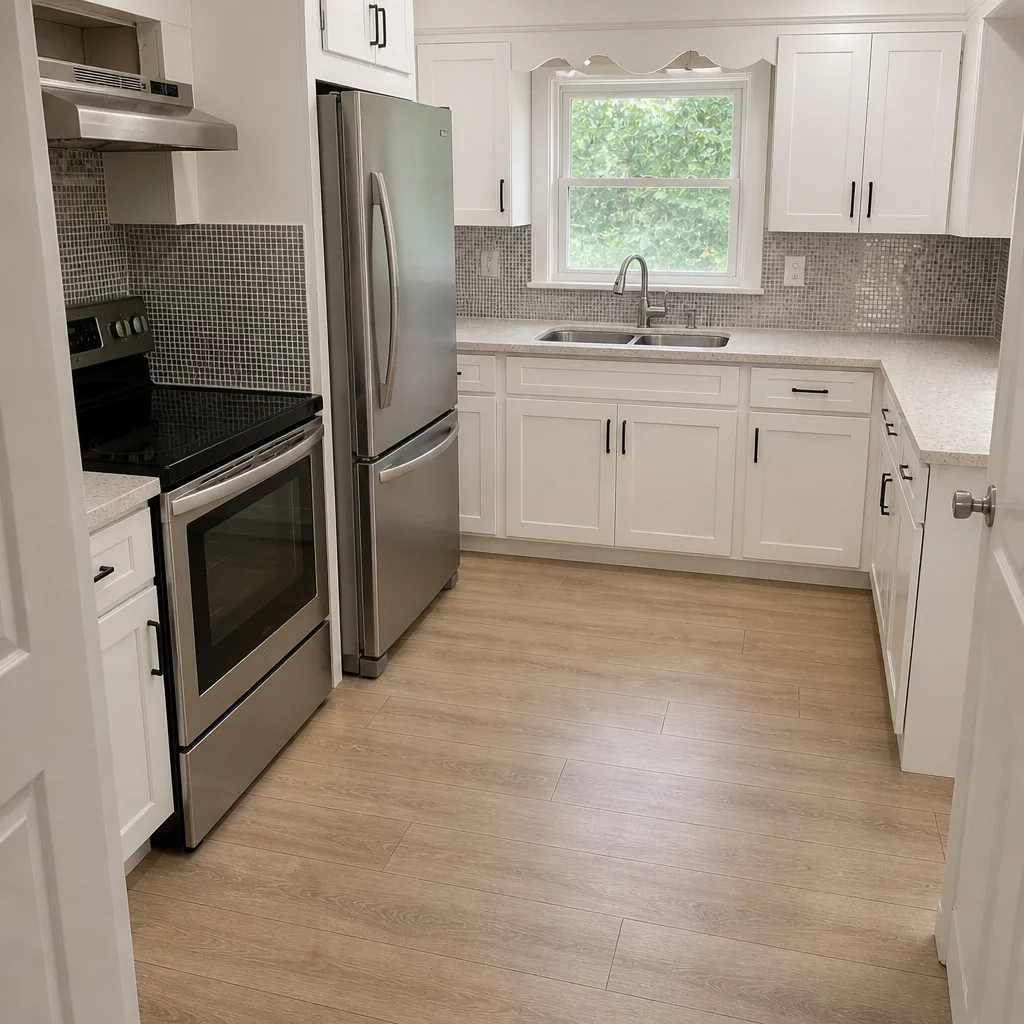 After
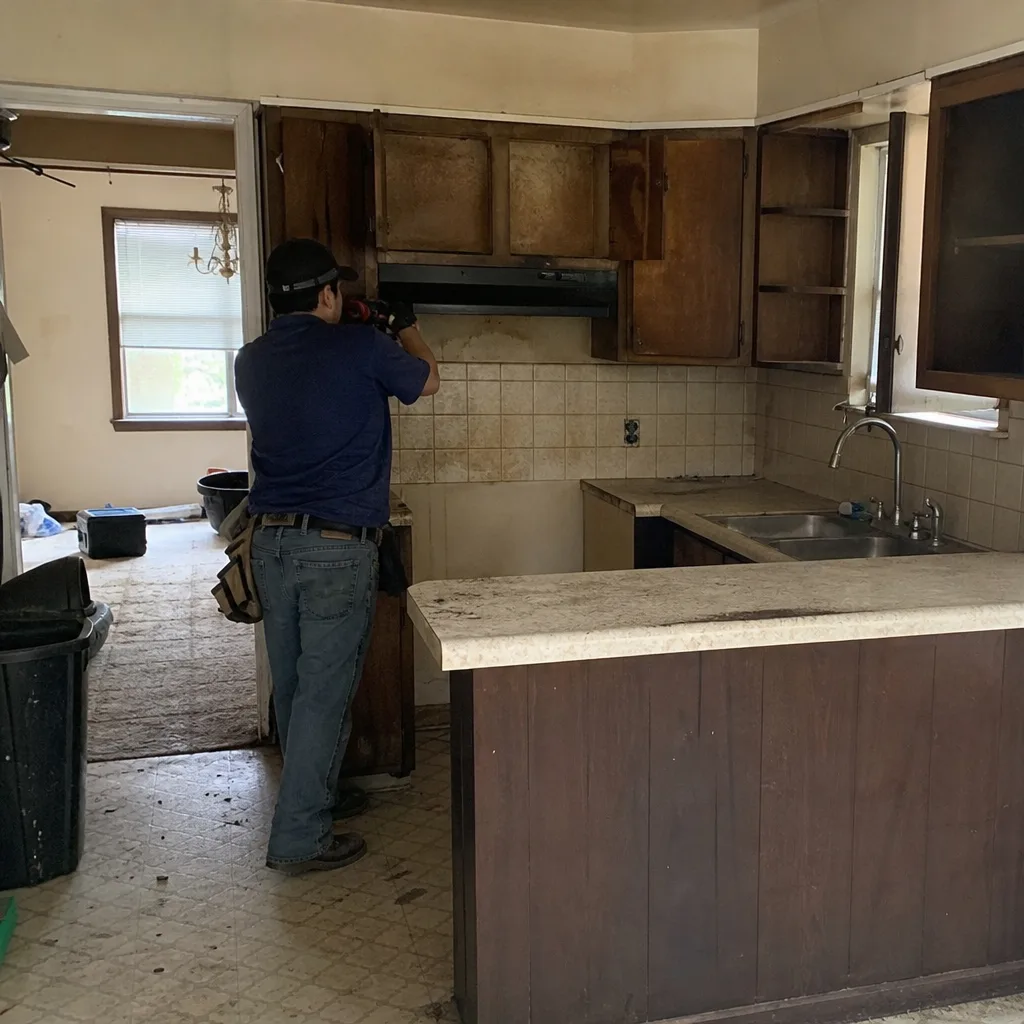 Before
 After
Common Mistakes to Avoid
- Cleaning up before you photograph. Adjusters establish cause of loss from pre-cleanup evidence. Move the limb, lose the argument.
- Signing an emergency repair authorization with no written price. A signature on an open scope is a blank check. Demand the line-item number before you sign, and read the rescission clause.
- Skipping the flood zone lookup. Arlington properties in Special Flood Hazard Areas are not covered by a standard homeowner policy, and flood policies have a purchase waiting period. Look up your address before the next storm, not after.
- Making permanent repairs before the adjuster inspects. Temporary stabilization is fine and expected. A permanent repair that hides the original damage turns a clean claim into a disputed one.
- Ignoring a crack that’s actually moving. A hairline crack that’s been stable for years is a monitor-and-photograph item. A crack that widened 1/8 inch in 30 days is a same-week evaluation – and most homeowners miss the difference because they don’t have a scale reference to compare against.
- Calling the local insurance agent instead of the claims line. The agent is who you bought the policy from. The claims line is who handles the emergency. Write the claims number in the file.
- Letting a contractor manage your documentation instead of keeping your own copy. Every photo, receipt, contract, and adjuster note should live in your file. You own the evidence.
When to Call a Professional
Call a professional immediately for: active water flow into a wall, a gas smell near the meter, a foundation crack that has moved more than 1/8 inch in 30 days, water pooling against the foundation after rain, storm damage where you can’t read the roof condition from the ground, or any situation where you’re not certain the structure is safe to occupy. High-tension garage door springs and cables, live electrical panel work, gas line repair, and steep-roof or height work are genuinely dangerous components – these are trained-professional jobs, not homeowner tasks. The right move is to shut off the source, document, and call. Our team at Rowan Construction Group Arlington offers free estimates in Arlington on the repair and rebuild side of the recovery – call (844) 761-7521. A written price comes before anyone picks up a tool, and you have a written number to compare against every other quote in the file.
Frequently Asked Questions
Keep five documents: photos of every utility shutoff location, as-built drawings or permit records for the property, your current insurance policy with the claims phone number on the front page, contractor warranty documents, and a list of licensed emergency trade contractors with 24-hour numbers. Keep a paper copy and a digital copy, and refresh the file after any renovation. Call (844) 761-7521 if you need help identifying what a complete project file should include.
A foundation crack is a same-week professional emergency when it has widened more than 1/8 inch over 30 days, when water pools against the foundation after rain, or when you can see through a foundation wall crack. Hairline cracks that have been stable for years are monitor-and-photograph items. Photograph the crack monthly against a scale reference so you can tell whether it’s actually moving. Our team can review any photo record and quote a repair in writing – call (844) 761-7521.
Most standard Texas homeowner policies cover wind and hail damage to roofing, subject to your deductible and policy terms – but they do not cover flood, which requires a separate policy purchased in advance. Confirm which policy handles wind and hail before you file, because filing under the wrong one delays the claim. If your roof is damaged and you need a written repair quote to compare against the adjuster’s estimate, call (844) 761-7521.
Texas law gives homeowners three days to rescind a contract signed under post-disaster pressure, with certain exceptions for emergency services you requested. Read the rescission clause before you sign and photograph the signed contract the same day. The safest approach is to request a written line-item price and scope before you sign anything – if the contractor can’t provide that, call someone else. Call (844) 761-7521 for a written quote you can review at your own pace.
Stop any ongoing damage source (shut off water, gas, or power if needed), then document the damage with wide, close, and scale-reference photos before any cleanup or temporary repair. File the insurance claim and get a claim number before you start temporary work. Temporary stabilization is fine and expected; permanent repairs should wait for the adjuster’s inspection unless the risk of further damage requires otherwise. Call (844) 761-7521 if you want a written estimate on the permanent repair side.
It shouldn’t if the contractor follows a written change-order process – the price stays fixed, and any change requires your signature before work proceeds. A contractor who quotes a range and won’t commit to a line-item written price is a contractor whose number will move once the work begins. We put a flat written price and written scope in the file before anyone picks up a tool, backed by the 365-Day Done Right Promise. Call (844) 761-7521 for a free written estimate.
The Bottom Line

The Arlington homeowners who recover fastest from construction emergencies aren’t the ones who got lucky – they’re the ones who built a document file and a contractor list before the emergency. Five documents in a folder, a claims phone number on the front page, and a set of shutoff photos make the difference between a four-minute response and a 23-minute one. Along the way, document storm damage before you clean it, read your foundation cracks against a scale reference, know your flood zone, and request a written line-item price before you sign any emergency repair authorization. If your recovery turns into a rebuild – a roof, a kitchen, a fence, a driveway through Driveway & Pavers in Arlington – the same discipline applies: written price, written scope, signed change orders. Call Rowan Construction Group Arlington at (844) 761-7521 to schedule your free estimate.
Written by the team at Rowan Construction Group Arlington.