Last updated November 18, 2026





Free written scope consultation - allowances, timeline, and change-order rules on paper before a single trade is scheduled
Seasonal Construction Care for Arlington: Year-Round Homeowner’s Guide
The average Arlington homeowner spends around $1,100 repairing winter pipe damage that a $60 insulation job in October would have prevented. That gap isn’t ignorance. It’s timing. Arlington sits on CH clay soil, under a North Texas sky that throws hail in spring and sustains 95°F-plus afternoons in July, then drops into freeze windows in January that crack exterior wall cavities nobody insulated. Four stress cycles, four specific low-cost maintenance actions. This guide lays out each season’s job in dollars and intervals, so the cheap fix in one season blocks the expensive repair in the next.
Quick Answer
Arlington homes need four seasonal checks per year: a post-hail roof inspection in spring, a caulk-and-sealant walk in summer, perimeter foundation watering in fall, and a pipe exposure audit in winter. Each action costs little when done on schedule and prevents the larger repair that follows if it’s skipped. Photograph every task with a date stamp so insurance claims and warranty disputes have evidence behind them.
Styles & brands we work with
- Kitchen remodeling
- Bathroom remodeling
- Home additions & ADU
- Roofing
- Windows & doors
- Driveway & pavers
- Fence
Table of Contents
- Why Arlington’s Four Seasons Stress a House Differently
- Spring (March-May): The Post-Hail Roof Inspection Protocol
- Summer (June-August): Caulk and Sealant Under 95°F Heat
- Fall (September-November): Foundation Perimeter Watering for CH Clay
- Winter (December-February): The Pipe Exposure Audit
- The Year-Round Documentation Habit
- A One-Page Arlington Maintenance Calendar
- Common Mistakes to Avoid
- When to Call a Professional
- Frequently Asked Questions
Why Arlington’s Four Seasons Stress a House Differently
Most seasonal maintenance advice is written for a generic American climate and misses what actually happens in Arlington. The city gets four distinct stress cycles, and each one targets a different part of the building envelope.
Spring brings hail. Not every year, but often enough that roofing inspectors in Arlington treat March through May as claim season. Summer delivers sustained heat that ages sealant faster than the manufacturer’s rating assumes. Fall is dry, and the CH clay soil under most Arlington slabs shrinks as it loses moisture, pulling away from foundation edges. Winter is short but cold enough, during the January and February freeze windows, to burst a pipe in a wall cavity that would survive a Chicago winter because it was built to code for a milder climate.
Each cycle leaves a signature. Understanding which one is working on your house right now tells you which low-cost action prevents the next season’s bill.
Spring (March-May): The Post-Hail Roof Inspection Protocol
After any Arlington hailstorm, the question isn’t whether to look at the roof. It’s what a licensed inspector actually checks, and at what point the damage justifies an insurance claim.
On a three-tab shingle, hail leaves round, dark bruises where the granules have been knocked off the mat. On an architectural shingle, the same impact looks subtler: a soft spot you can feel with a hand, sometimes a small fracture in the fiberglass mat beneath. The inspector checks both slopes facing the storm direction, plus vents, flashing, and the soft metal of the ridge cap, which dents and holds the evidence long after shingles have shed their granules.
The practical threshold most adjusters and inspectors in Arlington use is eight or more impacts per 10 square feet on a test square. Below that, the roof may simply be aged. Above it, a claim is usually justified.
- After the storm, walk the yard and note any shingle granules in the gutters or at downspout outlets.
- Photograph the roof from the ground with a date stamp before anyone climbs up.
- Have a licensed inspector test a 10-square-foot section on each major slope.
- Count impacts. Below eight, document and monitor. Above eight, file the claim.
- Keep the inspector’s written report with your photo record.
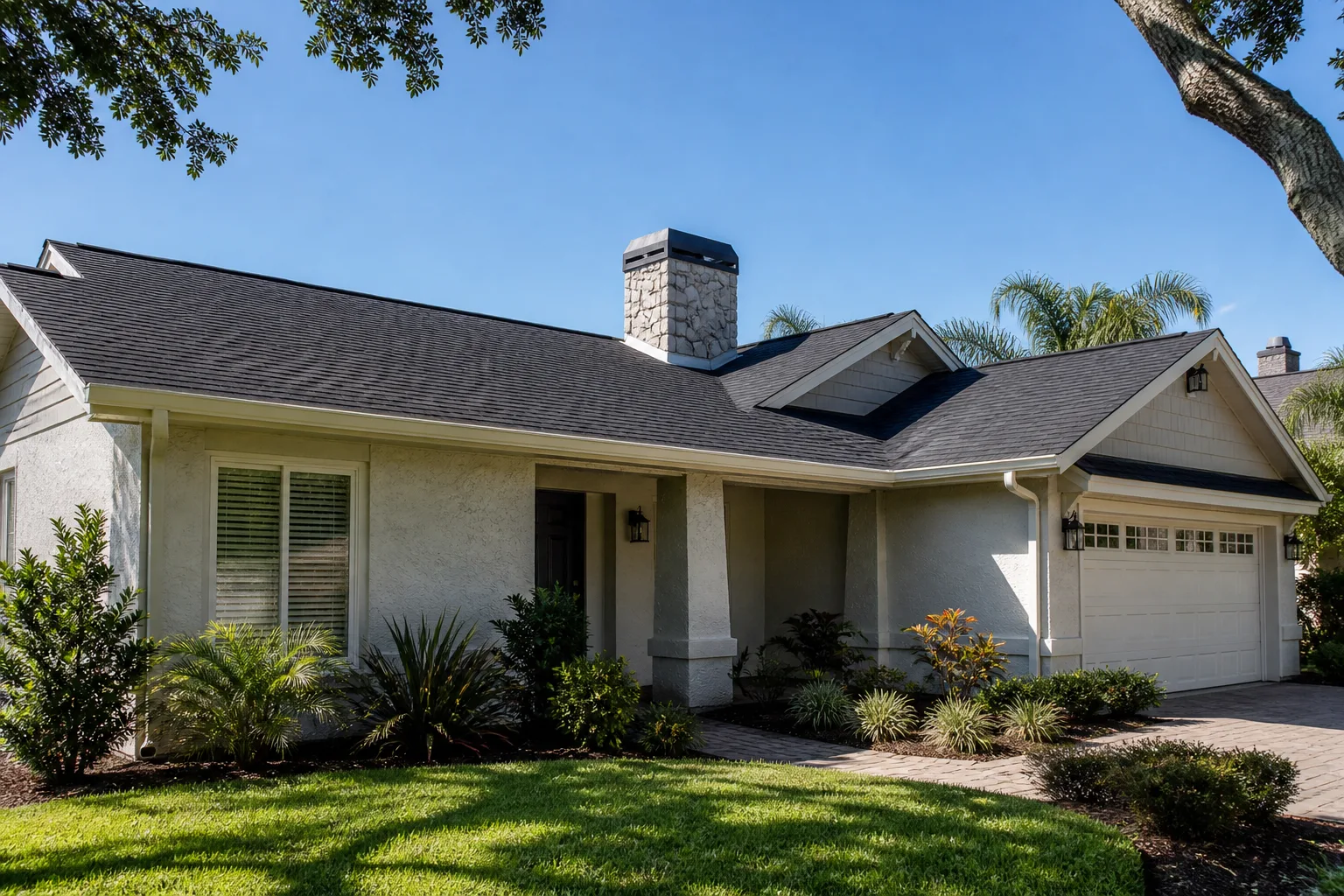
Spring is also the season to check gutters for granule buildup and downspouts for the loose fasteners that hail loosens. If you need roof work beyond inspection, our Rowan Construction Group Arlington home page outlines the roofing trade alongside the other six we cover, all quoted with a written price before work starts.
Summer (June-August): Caulk and Sealant Under 95°F Heat
When Arlington temperatures sit above 95°F for weeks, silicone sealant around windows and doors degrades faster than its label suggests. The sealant cracks, pulls away from the frame, and lets conditioned air escape. Our experience is that failing window and door seals raise HVAC loads by 15 to 20 percent before the first drop of water gets inside.
That’s the counterintuitive part: sealant failure shows up as a higher electric bill long before it shows up as a leak. By the time water is visible, the gap has been open for months.
Walk the exterior of the house in late May or early June and check every penetration:
- Window frames, especially on south- and west-facing walls, where sun exposure is heaviest
- Door thresholds and the frame-to-siding junction
- Utility penetrations: hose bibs, dryer vents, cable and phone entry points
- Around any exterior light fixture or outlet box
Run a finger along each bead. If it peels away, cracks, or feels brittle, it’s failed. You’re looking for a continuous, flexible, bonded seal. Sealant rated for high-temperature exterior use is worth the extra few dollars over the basic tube. The job is inexpensive; the energy savings and the avoided water intrusion are the return.
Fall (September-November): Foundation Perimeter Watering for CH Clay
Arlington’s CH clay soil is the soil engineers classify as highly plastic. Wet it, and it swells. Dry it, and it shrinks, pulling away from the slab edge and leaving a gap. When the gap is uneven around the house, the slab settles differentially, and that’s when cracks appear in interior drywall and brick veneer.
The preventive action is uniform moisture, maintained through the dry months. The most common protocol we see recommended for Arlington slabs: a soaker hose laid 12 to 18 inches from the foundation, run 30 minutes every three days through the fall dry spell. Not a flood. Steady moisture that keeps the clay from shrinking away.
- Inspect the perimeter and note any visible gap between soil and slab edge.
- Lay a soaker hose 12 to 18 inches out, along all four sides.
- Run it 30 minutes every three days during dry weather.
- Check soil moisture with a hand trowel before each cycle. Damp, not muddy.
- Photograph the perimeter and any cracks each month to track movement.
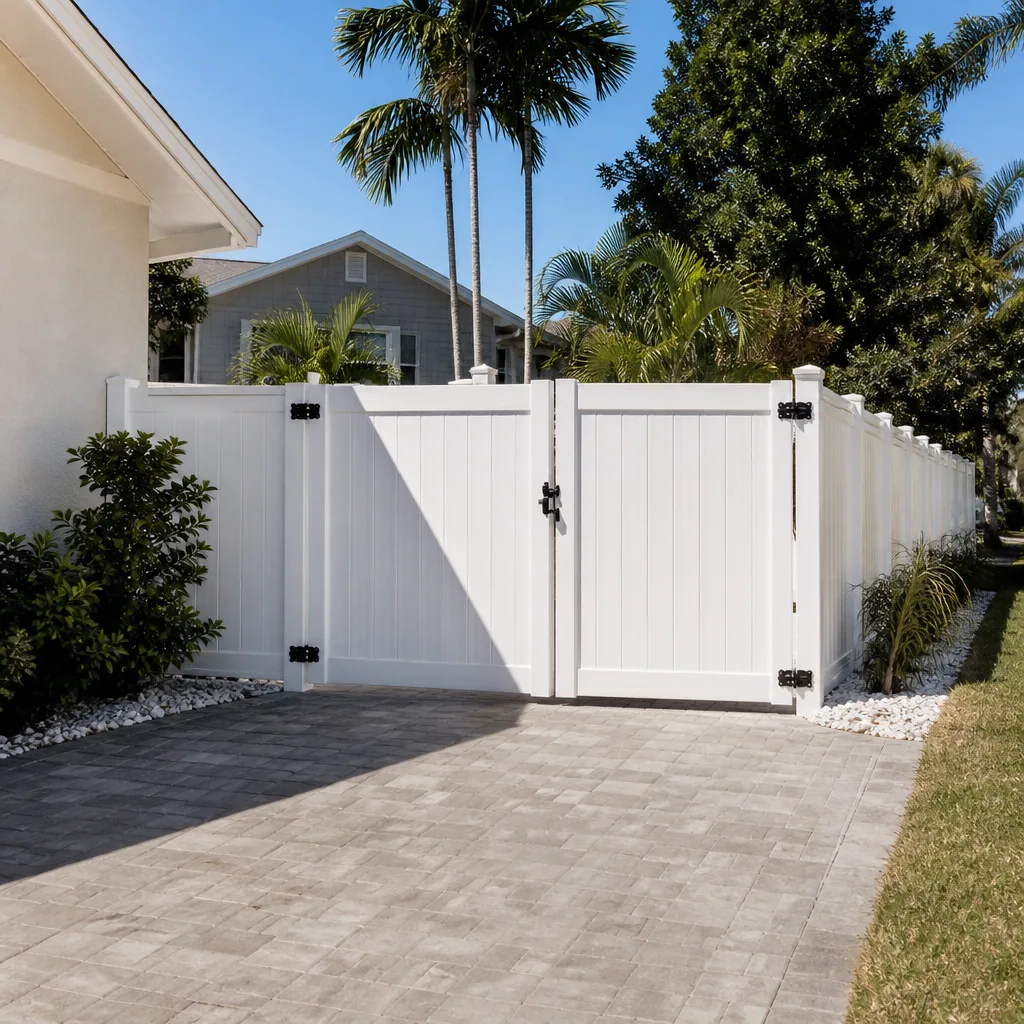
Fall is also the season for exterior concrete inspection. If slabs around a driveway or walkway are cracking, a paver replacement often outlasts a poured-concrete patch in this soil. Our Driveway & Pavers in Arlington page explains the difference in base preparation for clay. Fences take a beating from fall wind and dry soil too, and a quick post-stability check now prevents a spring fence repair; the Fence Installation in Arlington page covers materials like Barrette and Master Halco that hold up to soil movement.
Winter (December-February): The Pipe Exposure Audit
Arlington’s freeze windows are brief, but they’re damaging because the housing stock wasn’t built for them. The pipes most likely to burst aren’t in the well-insulated interior walls. They’re in the places where cold air reaches plumbing that was never wrapped.
Three runs are statistically most vulnerable in Arlington homes:
- Exterior wall cavities – supply lines running through south, north, and west exterior walls, especially at kitchen sinks set into the wall
- Garage supply lines – pipes that run through or above an unheated garage ceiling or along the garage wall
- Irrigation backflow preventers – the above-ground assembly near the house, which holds water and freezes first
The fix for each is different. Exterior wall cavities take foam pipe insulation or, where the gap is large, a slip-on sleeve. Garage runs take foam insulation plus, in some homes, a heat tape rated for the pipe diameter. Backflow preventers take a foam cover rated for the assembly, or draining the system before the first freeze.
Before the first hard freeze, walk the house and note each exposed run. Wrap what’s reachable. For anything inside a wall cavity, a plumbing professional can confirm whether the cavity is actually insulated. Winter is also the time to check window and door weatherstripping for the cold-air leaks that summer caulking didn’t fully address.
The Year-Round Documentation Habit
The single habit that ties all four seasons together isn’t a repair. It’s a record. Photograph every completed maintenance task with a date stamp. That file does three things: it supports an insurance claim months later, it settles a contractor warranty dispute with evidence instead of memory, and it lets a future buyer see that the house was maintained on a schedule.
Keep the record simple:
- A folder on your phone named for the address and the year
- Date-stamped photos of each task: the roof test square, the re-caulked window, the perimeter soaker hose in place, the wrapped exterior pipe
- The written inspector report, the receipt for sealant and insulation, and any contractor invoice filed alongside
When we work on a house, every visit includes a documented photo record as a standard deliverable, not an upgrade. The homeowner ends up with evidence of what was found and what was done, and that record lives alongside the homeowner’s own maintenance file. Your own habit does the same job for the work you handle yourself.
A One-Page Arlington Maintenance Calendar
Pin this to the inside of a closet door. Each line is a task, a season, and the reason it matters.
- March-May: Post-hail roof inspection. Test a 10-square-foot square on each slope. Eight or more impacts justifies a claim.
- March-May: Gutter and downspout check for granule buildup and loose fasteners.
- June-August: Caulk and sealant walk. Check every window, door, and utility penetration for failed beads.
- September-November: Perimeter soaker hose, 30 minutes every three days through the dry spell.
- September-November: Fence post and panel stability check before winter wind.
- December-February: Pipe exposure audit. Wrap exterior wall cavities, garage runs, and the backflow preventer.
- Year-round: Date-stamp a photo of every completed task.
That’s the calendar in one screen. The work is four Saturdays a year and maybe $200 in materials. The alternative is the $1,100 pipe repair or the roof claim you can’t document.
Common Mistakes to Avoid
- Skipping the roof inspection because the shingles “look fine.” Hail damage on architectural shingles is often invisible from the ground and only shows as a soft spot underfoot or a mat fracture on a test square. The ground-level glance misses the whole point of the inspection.
- Re-caulking over a failed bead without removing it. New sealant laid over old, cracking sealant bonds to the old layer instead of the frame or siding. It fails again within a season, and you’ve spent the money twice.
- Flooding the foundation instead of watering it. Soaking the perimeter for an hour once a month is worse than nothing. The clay swells and then dries unevenly, which is what drives differential settlement in the first place.
- Wrapping the backflow preventer without draining it. Insulation slows heat loss; it doesn’t empty the assembly. Water trapped inside still expands and cracks the fitting.
- Letting the photo record lapse during the busy season. The claim or warranty dispute always happens months after the work, when memory is unreliable. If you didn’t photograph it, you can’t prove it was done.
- Treating a small interior drywall crack as cosmetic. In Arlington’s clay soil, a new crack that widens over a season is a signal from the foundation, not a paint problem.
When to Call a Professional
Some of this calendar is homeowner work. Some of it isn’t. Call a licensed professional when the roof has more than eight impacts per test square and you want an insurance-grade report, when a pipe is inside a wall cavity you can’t inspect, when an interior crack has widened measurably over a season, or when a foundation has visible separation at the slab edge. Those are the moments when a written assessment and a documented record matter more than the DIY savings. For roofing, plumbing, and foundation work especially, the cost of a wrong call is far higher than the cost of a right one.
Rowan Construction Group Arlington offers free estimates in Arlington, with a written price and written scope before any work starts. Call (844) 761-7521 to schedule yours. If you’re planning a bigger project that affects any of these systems, our Home Additions & ADU in Arlington page covers how additions interact with foundation and roof maintenance.
Frequently Asked Questions
A licensed inspector tests a 10-square-foot square on each major slope and counts impacts. Eight or more impacts per square typically justifies a claim; below that, document the condition and monitor. The count is what an adjuster needs, so get it in writing.
During dry weather, run a soaker hose 12 to 18 inches from the slab for 30 minutes every three days. That schedule keeps the CH clay soil at uniform moisture and prevents the shrinking that pulls soil away from the foundation edge. Adjust frequency when it rains.
Sustained heat above 95°F ages silicone sealant faster than its rating assumes, which is why summer is the season to inspect it. The failure shows up as a higher cooling bill before it shows up as a leak, so check the beads in early June.
Exterior wall cavities (especially at kitchen sinks), garage supply lines, and the irrigation backflow preventer. Those three runs see cold air the interior walls don’t, and each takes a different insulation product to protect.
Most of it, yes: caulking, soaker hose setup, pipe insulation on reachable runs, and the photo record. Get a licensed professional for the roof inspection report, anything inside a wall cavity, and foundation cracks that are widening. Roofs and wall cavities are where a mistake is expensive or dangerous.
Because insurance claims and warranty disputes are decided on evidence, and the evidence has to be captured when the work happens. A date-stamped photo and the inspector’s written report turn a “they said it was fine” into a dated record. Call (844) 761-7521 for an estimate if you need professional help building that record.
The Bottom Line

Arlington’s four stress cycles each have a cheap, specific counter. Spring is the roof inspection and the eight-impact threshold. Summer is the caulk walk that saves 15 to 20 percent on cooling before it saves on repairs. Fall is the 30-minutes-every-three-days soaker hose on CH clay. Winter is wrapping the exterior wall cavities, garage runs, and backflow preventer. The documentation habit ties all four together into a record that backs every claim and warranty down the road.
If you’d rather have the work done and documented, call (844) 761-7521 for a free estimate from Rowan Construction Group Arlington. Every quote is a written price before any work starts, every visit includes a photo record, and the 365-Day Done Right Promise stands behind the result.
Written by the team at Rowan Construction Group Arlington.
See the difference
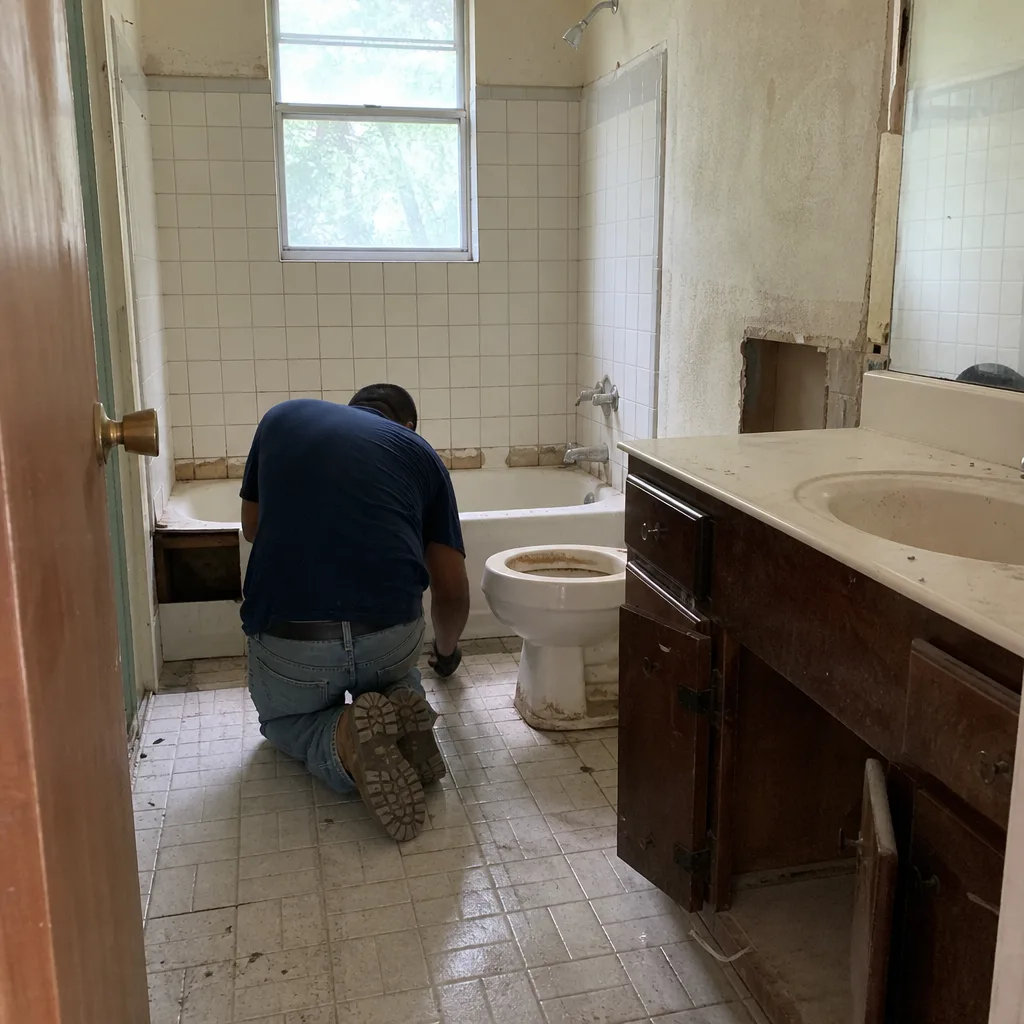 Before
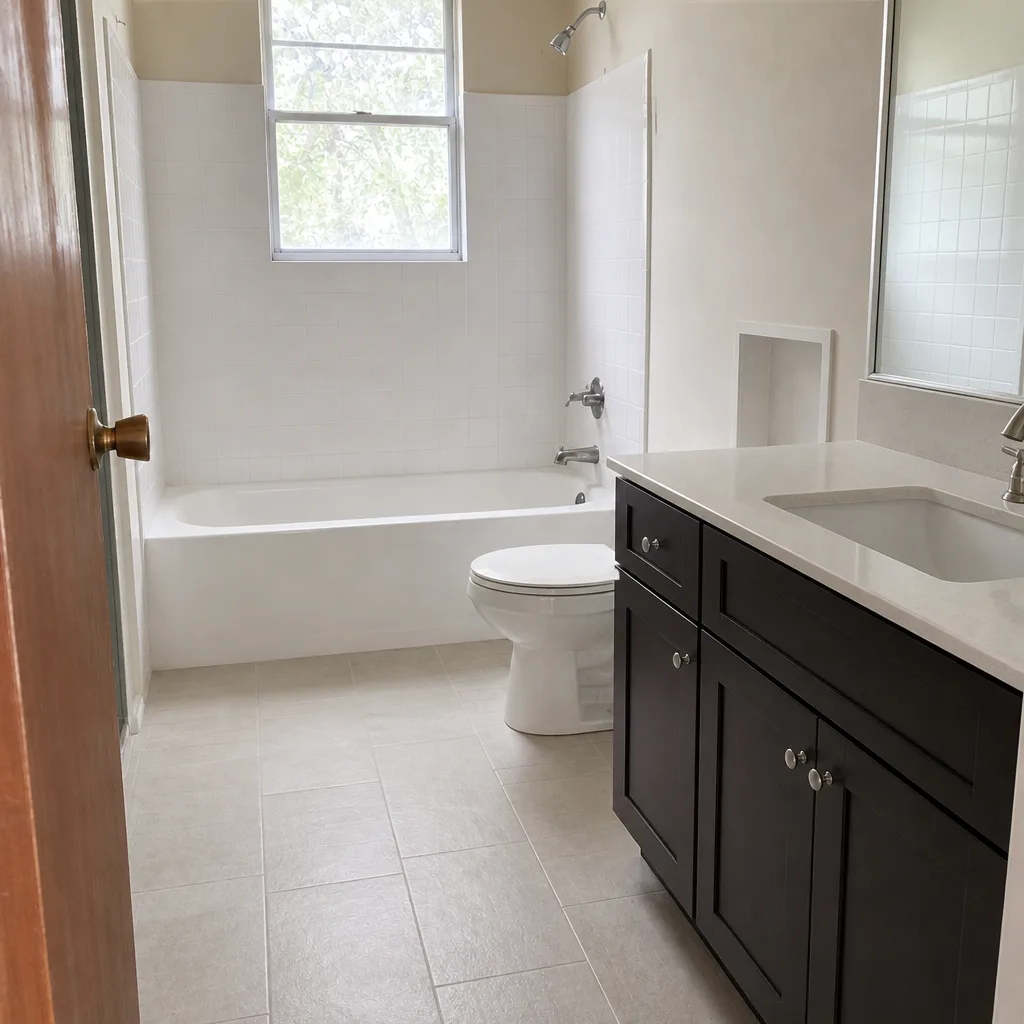 After
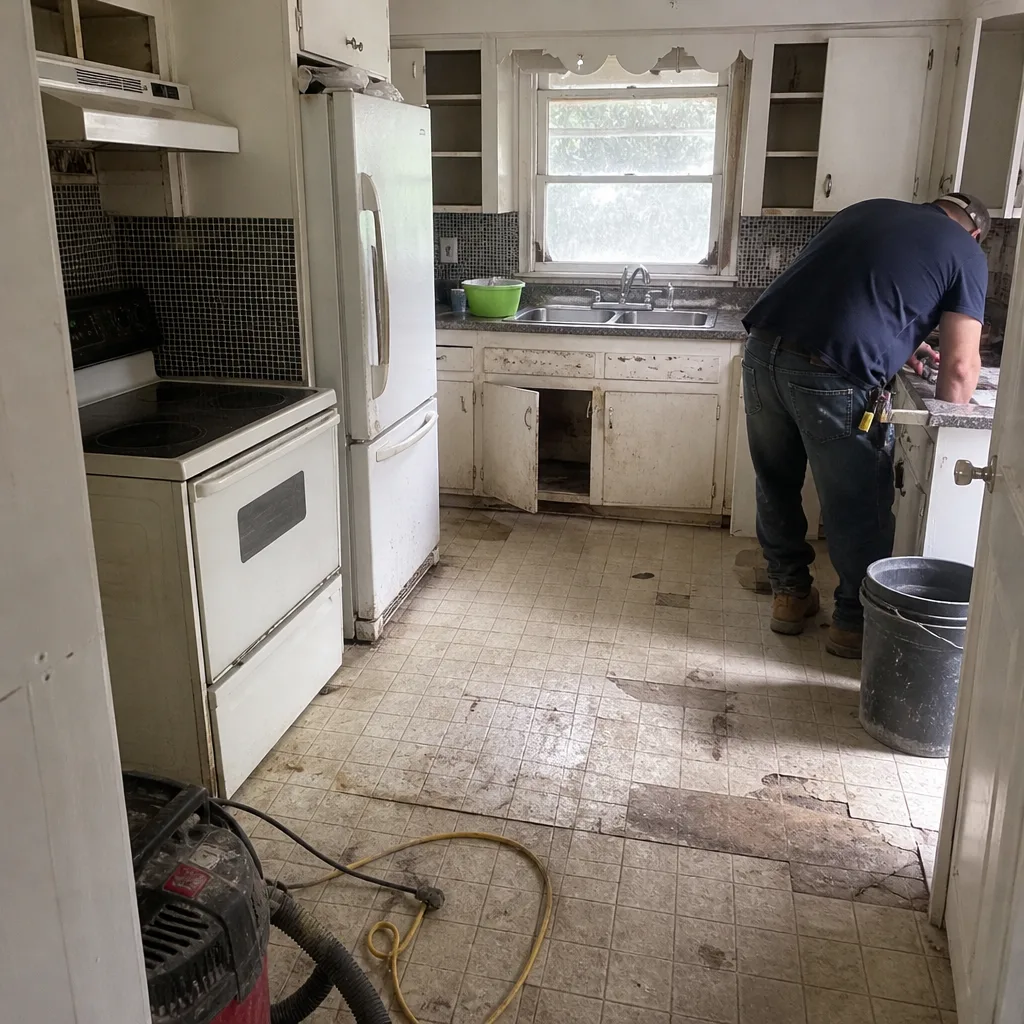 Before
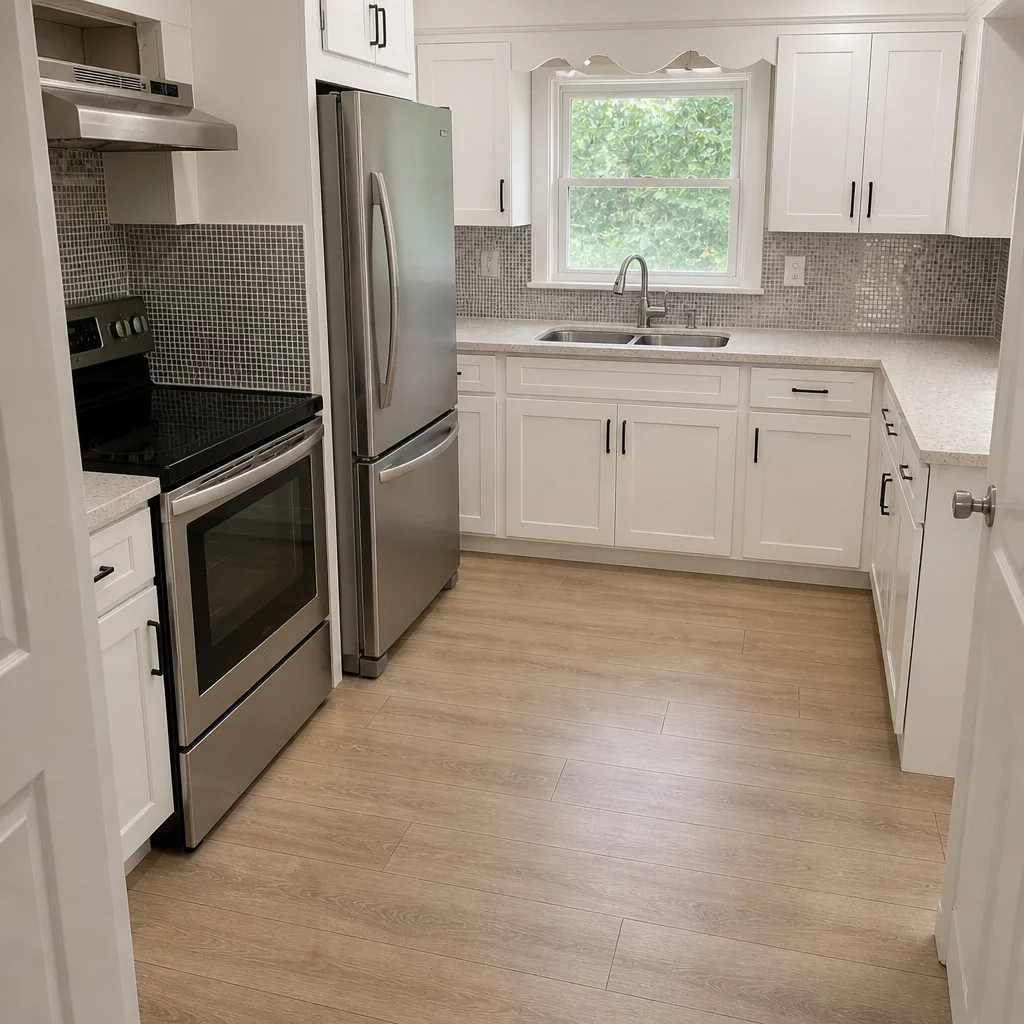 After
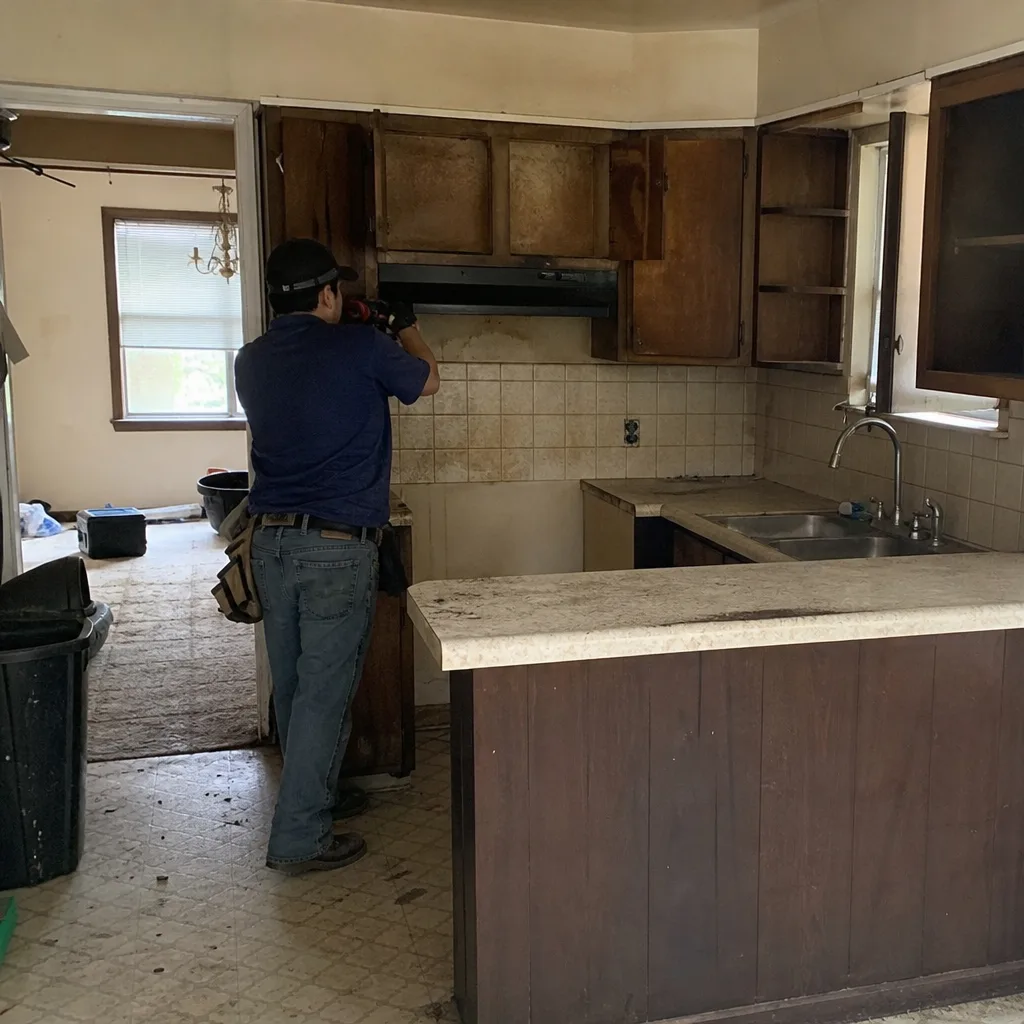 Before
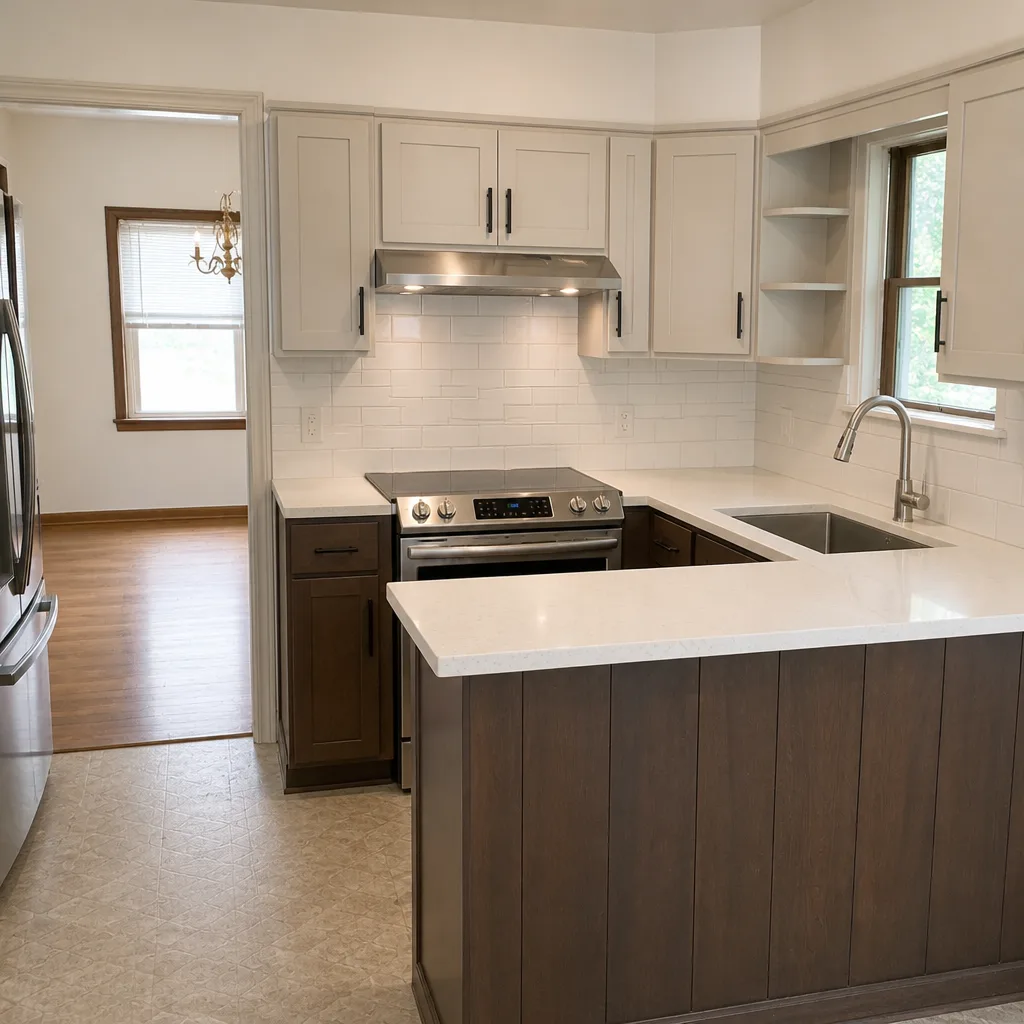 After